
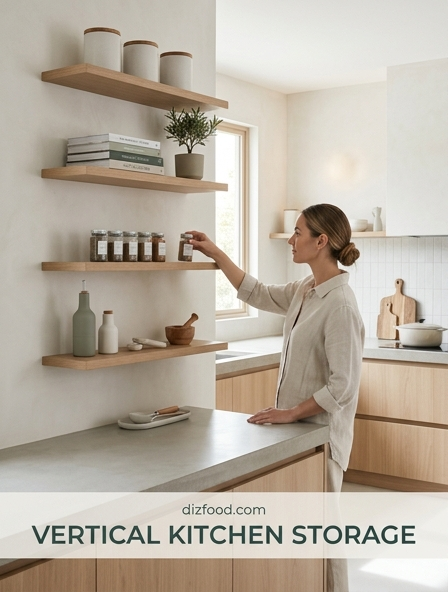
Maximizing Wall Potential with Floating Shelves
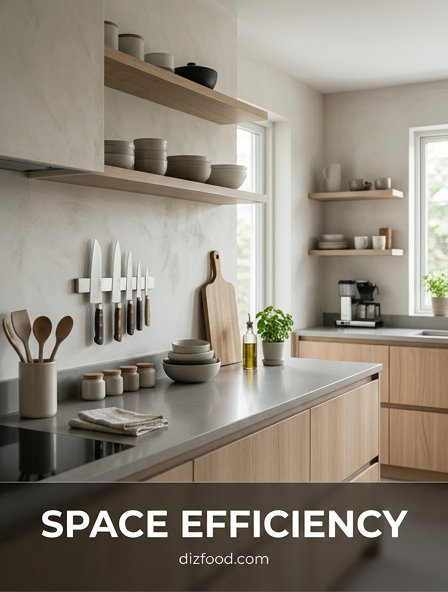
In many kitchens, the area between the countertop and the ceiling is often underutilized. Installing floating shelves is a strategic way to reclaim this vertical real estate, providing both functional storage and an opportunity for aesthetic display. Unlike heavy traditional cabinetry, floating shelves offer a sense of openness, making smaller kitchens feel larger while keeping frequently used items within arm's reach. This approach allows home cooks to move items like coffee mugs, cookbooks, and decorative canisters off the counters, creating a cleaner workspace for meal preparation.
- Choose heavy-duty brackets to ensure the shelves can support the weight of ceramic plates or glass jars.
- Install shelves at varying heights to accommodate taller items like carafes or stand mixers.
- Use consistent containers, such as uniform glass mason jars, to maintain a cohesive and organized appearance.
- Position the lowest shelf at eye level for easy access to daily essentials like salt, pepper, and oils.
By shifting storage upwards, you effectively double the capacity of your walls. This setup encourages a minimalist lifestyle by forcing you to curate what remains visible, ensuring that only your most practical and beautiful kitchenware occupies these prominent positions.
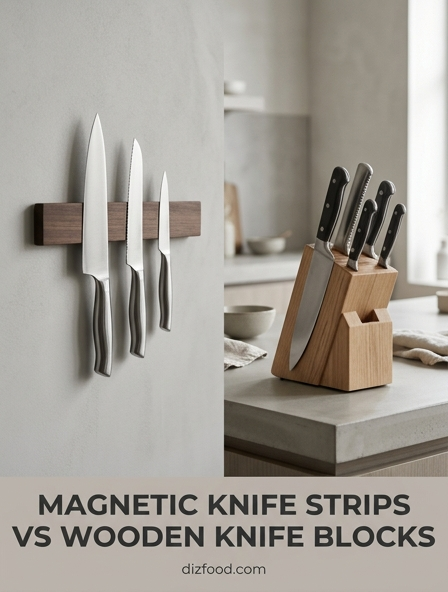
Utilizing Magnetic Knife Strips for Counter Clearance
Traditional knife blocks occupy a significant amount of "prime" counter space and can often become breeding grounds for dust and moisture. Transitioning to a wall-mounted magnetic knife strip is a superior vertical solution that enhances both safety and kitchen hygiene. By securing blades to a magnetized bar, you keep sharp edges visible and out of reach of children, while also preserving the sharpness of the blades by preventing them from rubbing against other utensils in a crowded drawer.
| Feature | Countertop Knife Block | Magnetic Wall Strip |
|---|---|---|
| Space Usage | High (takes up workspace) | Zero (utilizes vertical wall) |
| Hygiene | Difficult to clean slots | Easy to wipe down surface |
| Accessibility | Limited by block location | Placed exactly where needed |
| Blade Care | Potential dulling from friction | No contact with blade edge |
Beyond knives, these strips are versatile enough to hold other metal kitchen tools, such as whisks, poultry shears, or metal measuring spoons. This simple addition transforms a flat wall into a high-functioning tool gallery, streamlining your cooking process and freeing up the workspace for actual food preparation.
Customizing Pegboard Systems for Cooking Tools
Pegboards are no longer reserved for the garage; they have become a staple in professional-grade home kitchens due to their extreme versatility. A customized pegboard system allows you to map out your kitchen tools based on your specific cooking habits. By painting the board to match your decor and arranging hooks to hold everything from heavy cast iron skillets to delicate colanders, you create a dynamic storage wall that evolves with your needs. This system is particularly beneficial for kitchens with limited drawer space or those with non-standard tool shapes that don't fit well in traditional cabinets.
- Measure your available wall space and select a durable pegboard material, such as high-grade wood or powder-coated steel.
- Lay your tools out on the floor first to determine the most ergonomic arrangement before committing to hook placement.
- Use specialized pegboard accessories like bins for small items, multi-pronged hooks for heavy pans, and specialized loops for lids.
- Trace the outline of each tool with a marker to ensure every item is returned to its designated "home" after cleaning.
This vertical arrangement not only saves time during high-pressure cooking moments but also serves as a visual inventory, making it immediately obvious if a tool is missing or needs cleaning.
Installing Ceiling Mounted Racks for Cookware
When wall space is occupied by windows or cabinetry, looking to the ceiling is the next logical step for vertical storage. Ceiling-mounted pot racks are an excellent solution for managing bulky cookware that consumes excessive cabinet space. By suspending pots, pans, and even large Dutch ovens from the ceiling, you clear out entire base cabinets for appliances or dry goods. This method is especially effective over kitchen islands or peninsulas, where the space is otherwise empty air.
- Ensure the rack is anchored directly into ceiling joists to safely support the substantial weight of metal cookware.
- Adjust the height of the hooks so the lowest hanging item is reachable without a step stool but high enough to avoid head contact.
- Arrange items by frequency of use, placing the most utilized pans on the outer edges for the quickest access.
- Use S-hooks of varying lengths to create a tiered effect, allowing you to nest smaller pots inside larger ones.
A well-placed ceiling rack provides a professional, "chef-inspired" look to the kitchen while solving the perennial problem of stacking and unstacking heavy pans, which often leads to scratched surfaces and noisy searches.
Implementing Vertical Cabinet Dividers for Bakeware
One of the most frustrating areas in a kitchen is the cabinet containing baking sheets, muffin tins, and cutting boards. When stacked horizontally, retrieving the bottom item requires moving the entire pile. Vertical cabinet dividers, also known as tray shifters, solve this by organizing these flat items like books on a library shelf. By inserting thin dividers into a deep cabinet, you create narrow slots that allow each piece of bakeware to stand upright independently. This prevents the "clatter and crash" of searching for a cookie sheet and protects non-stick surfaces from being scratched by nested items.
- Install tension-based dividers for a non-permanent solution in rental kitchens.
- Use wooden or plastic slats for a more permanent, built-in feel that matches your cabinetry.
- Dedicate specific slots for different categories, such as cooling racks in one and heavy cutting boards in another.
- Consider placing these dividers in the narrow cabinet often found next to the oven for maximum efficiency.
This simple modification maximizes the internal volume of your cabinets, turning a chaotic pile into a streamlined, high-density storage zone that makes baking and food prep significantly more enjoyable.
Adding Tiered Organizers to Existing Pantry Shelves
Deep pantry shelves often lead to "lost" items at the back, resulting in expired goods and duplicate purchases. Tiered organizers, often called stadium seating for cans, utilize the vertical height between shelves to make every label visible. By elevating the back rows of cans or jars, you can see exactly what you have at a glance. This prevents the need to dig through layers of groceries and ensures that the "first in, first out" rule of food storage is easy to follow. Tiered organizers are not just for cans; they work exceptionally well for spices, medicine bottles, or small condiment jars.
| Organizer Type | Best For | Benefit |
|---|---|---|
| 3-Tier Step Shelf | Canned goods and spice jars | Eliminates "hidden" back rows |
| Expandable Tier | Varying shelf widths | Custom fit for any pantry size |
| Rotating Lazy Susan | Corner spaces and oils | Access items via 360-degree turn |
Implementing these tiers transforms a standard flat shelf into a high-visibility zone. It encourages better organization and helps maintain an accurate shopping list, as empty spots on the tiers become immediately apparent.
Hanging Under-Shelf Baskets for Extra Layers
The gap between the top of your items and the shelf above is often wasted air. Under-shelf baskets are slide-on wire units that create an extra layer of storage without the need for tools or drilling. These are ideal for lightweight items that don't stack well, such as tea towels, boxes of aluminum foil, or bags of snacks. By utilizing the underside of a shelf, you can effectively double the usable surface area of a single cabinet shelf. These baskets are particularly useful in pantries or inside dish cabinets where plates may be short, leaving several inches of unused vertical space above them.
- Use them in the pantry for bread or tortillas to prevent them from being crushed by heavier items.
- In a dish cabinet, use a basket to store napkins or small saucers that don't fit in the main stacks.
- Ensure the arms of the basket are thin enough so they don't prevent the cabinet door from closing completely.
- Group similar items in the basket to turn it into a specific "zone," like a dedicated coffee and tea station.
This solution is highly modular and can be moved around as your storage needs change, making it one of the most flexible vertical storage upgrades available.
Mounting Magnetic Spice Jars to Vertical Surfaces
Spice cabinets are notorious for becoming cluttered and difficult to navigate. A creative vertical solution is to transfer spices into uniform glass jars with magnetic lids. These can then be mounted to any flat metal surface, such as the side of a refrigerator or a dedicated stainless steel wall plate. This move frees up an entire cabinet shelf and turns your spices into a colorful, accessible wall display. By moving the spices out of a dark cabinet and onto a vertical surface, you also make it easier to monitor when supplies are running low.
- Purchase a set of airtight magnetic jars and clear labels for a clean, uniform look.
- If using the refrigerator, place the jars on the side furthest from the stove to protect the spices from heat and humidity.
- If mounting a metal plate, ensure it is securely screwed into wall studs to handle the weight of many jars.
- Organize jars alphabetically or by frequency of use to further streamline the cooking process.
This approach not only saves space but also keeps your most-used seasonings within reach while you are standing at the stove, eliminating the need to search through crowded cupboards mid-recipe.
Using Over-the-Door Organizers for Hidden Storage
The back of a pantry or closet door is a massive vertical surface that often goes completely unused. Over-the-door organizers with clear pockets or adjustable wire racks can hold an incredible amount of small to medium-sized items. This is the perfect place for "overflow" items that don't have a natural home in the main kitchen area, such as cleaning supplies, plastic wrap rolls, or even snacks for the children. By moving these items to the door, you clear out valuable drawer and shelf space for larger cooking equipment.
- Select an organizer with clear mesh or plastic pockets so you can identify contents without digging.
- Use the top pockets for items used less frequently and the lower pockets for kid-friendly snacks or frequently used cleaning rags.
- Ensure the over-the-door hooks are sturdy and do not interfere with the door's ability to latch securely.
- Consider a metal rack version for heavier items like glass jars or large bottles of vinegar and oil.
This hidden storage method keeps the kitchen looking tidy while ensuring that even the smallest items have a dedicated, easy-to-find location.
Applying Tension Rods for Vertical Cleaning Zones
The space under the kitchen sink is notoriously difficult to organize due to plumbing pipes and deep, dark corners. Tension rods offer a simple, non-destructive way to create vertical storage in this awkward area. By stretching a tension rod across the width of the cabinet, you can hang spray bottles by their triggers, effectively creating a "floating" row of cleaning supplies. This leaves the floor of the cabinet free for bins containing sponges, dishwasher tabs, or trash bags. Tension rods can also be used vertically to create dividers for baking sheets or to hold rolls of paper towels in place.
- Measure the interior width of your cabinet and choose a heavy-duty rod that can support the weight of multiple liquid bottles.
- Tighten the rod firmly against the cabinet walls to prevent slipping when items are removed or replaced.
- Group bottles by task-such as glass cleaners in one area and disinfectants in another-for better efficiency.
- Check the tension periodically to ensure it remains secure, especially if hanging heavy industrial-sized bottles.
This clever hack turns a cluttered "catch-all" cabinet into an organized cleaning station, utilizing the often-ignored upper half of the under-sink cavity.

Comments