
Transforming a cramped kitchen into a highly functional culinary haven starts with thinking upwards rather than outwards. This comprehensive guide explores how smart vertical storage racks can maximize every inch of your cabinetry and countertops, turning cluttered corners into streamlined, efficient zones. By utilizing underused wall space and deep cupboards, these innovative organizers make essential cooking tools easily accessible while significantly reducing daily visual noise. Whether you are navigating a tiny studio apartment or managing a busy family home, mastering verticality is the ultimate secret to a stress-free environment. To dive deeper into specific storage solutions, explore our detailed comparison of Pot Lid Organizers Vs Vertical Plate Racks to discover which tool best optimizes your workspace.
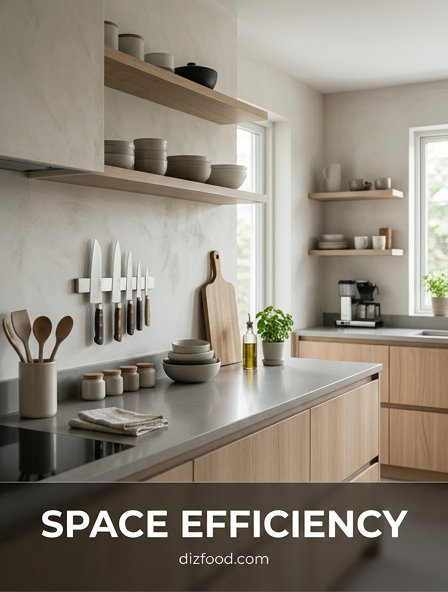
Maximizing Vertical Kitchen Real Estate
In many modern homes, the kitchen remains the most densely packed room, making floor space a premium commodity. Maximizing vertical kitchen real estate involves shifting the organizational focus from horizontal surfaces to the expansive, often neglected wall and ceiling areas. By extending cabinetry to the ceiling or installing high-altitude shelving, homeowners can store seasonal items and specialized appliances that are infrequently used, such as turkey roasters or holiday-themed serveware.
- Utilize the space above the refrigerator for deep cabinet storage.
- Install crown molding shelves for decorative yet functional spice displays.
- Mount tall, narrow pantry pull-outs to utilize gaps between appliances.
- Incorporate floor-to-ceiling shelving units in recessed wall niches.
Embracing verticality not only clears the counters but also draws the eye upward, creating an illusion of a larger, more airy environment. This strategy is particularly effective in galley kitchens where lateral movement is restricted. By prioritizing height, every square inch of the room is repurposed for maximum utility without encroaching on the essential workspace required for meal preparation and social interaction.
Tiered Countertop Storage Solutions
Countertops are the primary workspace in any kitchen, yet they are frequently cluttered with small items that diminish efficiency. Tiered storage solutions offer a way to reclaim this space by layering items vertically rather than spreading them across the surface. These systems are ideal for frequently used ingredients, coffee station accessories, or daily vitamins. By utilizing multiple levels, you can keep essentials within arm's reach while maintaining a clean, streamlined aesthetic.
| Storage Type | Best Use Case | Space Benefit |
|---|---|---|
| Two-Tier Lazy Susan | Corner spices and oils | Reduces footprint by 50% |
| Three-Tier Corner Rack | Plates or small bowls | Utilizes dead corner space |
| Step Shelf Organizer | Canned goods or jars | Improves visibility of rear items |
Implementing these tiered systems prevents the "domino effect" where reaching for one item knocks over several others. It encourages a disciplined arrangement where every object has a designated height, ensuring that the primary prep area remains unobstructed and ready for culinary tasks at any moment.
Benefits of Wall Mounted Racks
Wall mounted racks represent a fundamental shift in kitchen organization, moving essential tools from crowded drawers to accessible vertical planes. These systems are highly adaptable, ranging from simple floating shelves to complex grid arrangements. One of the primary benefits is the immediate visibility of inventory; when items are displayed on the wall, chefs can quickly assess their stock of spices or utensils without rummaging through cluttered cabinets.
Beyond accessibility, wall racks contribute significantly to the longevity of kitchenware. By hanging pans or placing delicate glassware on stable wall-mounted platforms, you reduce the risk of scratches and chips that occur during stacking. Common configurations include:
- Industrial wire grids for customizable hook placement.
- Floating timber shelves for heavy ceramic storage.
- Specialized knife racks for blade protection and safety.
- Pegboards that allow for total reconfiguration as needs change.
The installation of these racks also allows for better airflow around washed items, doubling as a drying area for frequently used pots. This dual-purpose functionality makes wall racks a cornerstone of efficient, professional-grade kitchen design, especially in compact urban dwellings where every wall is a potential storage asset.
Over the Sink Utility Systems
The area directly above the kitchen sink is often wasted "air space" that can be transformed into a highly functional workstation. Over the sink utility systems are designed to bridge the gap between washing and storage, significantly improving the workflow of cleaning and food preparation. These racks typically feature a sturdy frame that straddles the sink, providing a platform for drying dishes, rinsing vegetables, and storing cleaning supplies like sponges and soaps.
By allowing water to drip directly into the basin, these systems eliminate the need for bulky countertop drying mats that trap moisture and harbor bacteria. Many modern units are modular, allowing users to move components like cutlery baskets or cutting board holders to suit their specific needs. This centralization of wet-zone tasks keeps the rest of the kitchen dry and organized. Furthermore, these systems are particularly beneficial in studio apartments or tiny homes where counter space is non-existent, as they effectively add a new tier of storage without requiring any additional floor or wall modifications, making them a top-tier choice for space-conscious occupants.
Magnetic Strip Tool Organization
Magnetic strips offer a sleek and modern alternative to traditional knife blocks, which often consume significant countertop real estate and can be difficult to clean. These strips, typically constructed from stainless steel or wood-veneered magnets, provide a powerful grip for any ferromagnetic kitchen tool. While most commonly used for knives, their utility extends to any metal gadget, including kitchen shears, whisks, and even metal measuring spoons.
- Enhanced safety by keeping sharp blades out of reach of children.
- Improved hygiene as tools air dry completely, preventing mold growth.
- Saves drawer space for non-metallic items like silicone spatulas.
- Quick-grab access during high-speed cooking sessions.
The visual appeal of magnetic strips is undeniable, turning high-quality cutlery into a decorative element of the kitchen. From a practical standpoint, they also protect the edges of expensive knives, as there is no friction against wooden slots or other metal tools. Mounting these strips on the backsplash or the side of a cabinet ensures that your most essential cutting tools are always perfectly organized and ready for use.
Ceiling Suspended Pot Racks
For kitchens with high ceilings, suspended pot racks are a classic solution for managing bulky cookware that otherwise occupies entire cabinets. Heavy cast iron skillets, large stockpots, and wide sauté pans are notorious for being difficult to stack and retrieve. A ceiling-mounted rack removes these items from the lower cabinetry, freeing up space for smaller appliances and pantry staples. This arrangement also places cookware at a convenient ergonomic height for the cook.
Installation of a suspended rack requires careful consideration of structural support, as the weight of several pans can be substantial. However, once secured, these racks serve as a focal point in the kitchen, offering a rustic or professional aesthetic. They encourage better organization, as the limited number of hooks forces the user to keep only the most essential items on display. Furthermore, hanging pots benefit from increased air circulation, which prevents the "musty" smell that can sometimes develop in dark, closed cabinets. By utilizing the vertical volume of the room, these racks turn the ceiling into a functional part of the kitchen's storage architecture.
Door Mounted Pantry Organizers
The interior side of a pantry or cabinet door is often-overlooked territory that can be converted into a high-capacity storage zone. Door-mounted organizers utilize thin-profile shelving or pocket systems to house smaller, lightweight items that often get lost in the depths of deep shelves. This is an ideal location for spices, condiments, baking supplies, or cleaning wraps. By moving these small items to the door, the main shelves are left open for larger containers and bulk goods.
These systems come in various formats, such as over-the-door hooks for those who cannot drill into cabinetry, or screw-mounted wire racks for a more permanent and sturdy solution. The primary advantage is the "one-glance" inventory check; when the door is opened, everything is displayed at eye level. This prevents the over-purchasing of duplicate items and ensures that ingredients are used before they expire. In small kitchens, this hidden storage can provide the equivalent of an extra shelf's worth of space, making it a critical component of a comprehensive space-efficiency strategy that leaves no surface underutilized.
Vertical Cabinet Shelf Risers
Standard kitchen cabinets are often built with large gaps between shelves, leading to inefficient "dead space" where items are either stacked dangerously high or left with empty air above them. Vertical shelf risers solve this issue by creating an intermediate level within a single cabinet shelf. This allows for the separate storage of plates, bowls, and mugs without the need to unstack multiple items to reach the one at the bottom. These risers are essentially mini-shelves that double the usable surface area of any given cabinet.
| Riser Material | Durability | Visual Impact |
|---|---|---|
| Coated Wire | Medium | Minimalist / Airy |
| Tempered Glass | High | Modern / Elegant |
| Expandable Plastic | Low | Functional / Hidden |
Using risers also improves the organization of pantry items, such as canned goods or boxed pastas. By creating distinct layers, you can categorize items by type or frequency of use. This simple addition transforms a chaotic cabinet into a structured system, significantly reducing the time spent searching for specific ingredients during meal preparation.
Hanging Utensil Rail Advantages
The hanging utensil rail is a staple of professional kitchens that has found its way into home design due to its immense practicality. Typically installed on the backsplash or along the edge of a kitchen island, these rails use S-hooks to suspend everything from ladles and spatulas to measuring cups and small pots. The primary advantage is the immediate accessibility of tools; there is no need to open drawers with messy hands while cooking.
Beyond convenience, hanging rails are an excellent way to utilize the backsplash area, which is otherwise purely decorative. This clears out "junk drawers" and allows for a more organized approach to utensil storage. Because the hooks can be moved along the rail, the system is infinitely adjustable to accommodate new tools or changing workflows. This flexibility ensures that the kitchen can evolve with the cook's habits. Additionally, hanging tools are easier to keep clean and dry, as they do not sit in the dark, potentially damp environment of a drawer. For those seeking a blend of industrial efficiency and ergonomic design, the utensil rail is an indispensable tool for space management.
Smart Modular Rack Customization
Smart modular rack systems represent the pinnacle of modern kitchen organization, offering bespoke solutions that can be tailored to the unique dimensions of any space. Unlike fixed shelving, modular systems consist of interchangeable components-such as bins, hooks, shelves, and baskets-that can be rearranged at will. This adaptability is crucial for growing families or home cooks whose culinary interests change over time. As you acquire new gadgets or shift your cooking style, the storage system can be reconfigured to match.
These systems often utilize a rail or peg-based foundation, allowing for vertical and horizontal expansion. They are particularly effective in awkward spaces, like the area around a window or the narrow gap next to a stove. By investing in modularity, homeowners avoid the "one-size-fits-all" trap that leads to wasted space. Instead, every item is given a tailored home, maximizing density while maintaining an orderly appearance. The ability to add or remove components means the system grows with your needs, making it a sustainable, long-term investment in kitchen efficiency and stress-free meal preparation.

Comments