
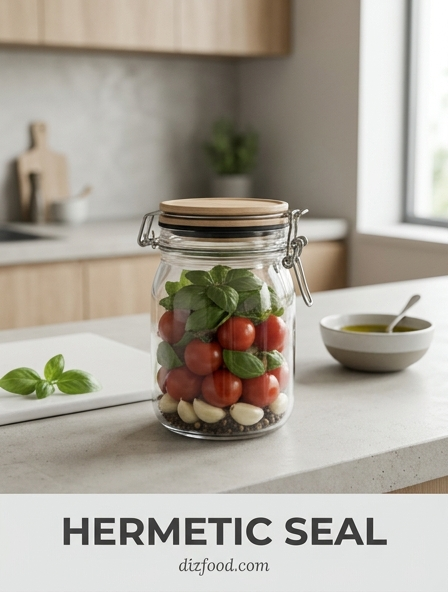
Understanding Hermetic Seals for Kitchen Organization
A hermetic seal refers to a closure that is completely airtight, preventing the passage of air, oxygen, or other gases into a container. In the context of kitchen organization, these seals are vital for maintaining the integrity of stored ingredients. Unlike standard snap-on lids, hermetic solutions utilize specialized mechanisms to create a vacuum-like environment. This technology is rooted in engineering principles where a physical barrier, often a gasket, is compressed between two hard surfaces to eliminate microscopic gaps. For home cooks, implementing these tools transforms a standard pantry into a professional-grade storage system.
- Prevents the entry of ambient moisture that causes clumping.
- Blocks oxygen that triggers the oxidation of fats and oils.
- Eliminates the risk of pantry pests and infestations.
- Stabilizes the internal temperature of the stored contents.
Effective kitchen organization relies on the predictability of these containers. When a seal is truly hermetic, the shelf life of dry goods like flour, sugar, and spices is extended significantly. Understanding the physics behind these seals allows users to choose the right equipment for specific culinary needs, ensuring that bulk purchases remain as fresh as the day they were opened.
Benefits of Airtight Storage for Food Longevity
The primary enemy of food preservation is exposure to the atmosphere. When ingredients are left in original paper packaging, they are susceptible to humidity, which facilitates mold growth and enzymatic spoilage. Utilizing hermetic seals provides a controlled environment that halts these processes. By removing the air exchange, you are essentially pausing the degradation cycle of the food. This is particularly important for items with high oil content, such as nuts or whole-grain flours, which can turn rancid within weeks if exposed to consistent airflow and light.
- Reduction of food waste by preventing premature staleness.
- Significant cost savings through the ability to buy in bulk.
- Maintenance of nutritional value, as many vitamins are oxygen-sensitive.
- Retention of aromatic compounds in coffee, tea, and dried herbs.
Beyond chemical preservation, airtight storage protects the physical texture of food. Crackers remain crisp, and brown sugar remains soft and pliable because the moisture levels are locked in. This level of control is impossible with standard clips or folded bags, making specialized airtight containers a necessary investment for any efficiency-minded kitchen or long-term food storage strategy.
Top Containers for Achieving a Perfect Seal
Selecting the right container requires an understanding of the various locking mechanisms available on the market. Not all "airtight" claims are equal, and the construction of the vessel plays a critical role in its performance. Professional kitchens often favor specific designs that have been proven to withstand the rigors of high-volume use while maintaining a perfect seal over time.
| Container Type | Seal Mechanism | Best Used For |
|---|---|---|
| Fido Latch Jars | Wire Bale & Gasket | Fermentation and Pickling |
| Push-Button Canisters | Internal Expanding Seal | Daily Dry Goods like Cereal |
| Vacuum Canisters | Manual Pump Extraction | Coffee Beans and Fresh Produce |
| Screw-Top Mason Jars | Two-Piece Metal Lid | Canning and Long-term Storage |
While aesthetic appeal is a factor for many homeowners, the functionality of the gasket should be the priority. High-quality containers feature thick, food-grade silicone rings that do not degrade after repeated washing. When the seal is engaged, there should be a visible compression of the gasket, indicating that the airflow has been successfully obstructed.
How Silicone Gaskets Prevent Food Spoilage
Silicone is the preferred material for hermetic seals due to its unique elastomeric properties. Unlike traditional rubber, silicone is non-reactive, heat-resistant, and maintains its shape over thousands of compression cycles. When a lid is closed, the silicone gasket acts as a flexible interface that fills every imperfection in the rim of the container. This creates a continuous barrier that air molecules simply cannot penetrate. This microscopic level of protection is what prevents the ingress of moisture, which is the leading cause of bacterial and fungal growth in pantry staples.
Furthermore, silicone does not leach chemicals into the food, nor does it absorb odors from strong ingredients like garlic or onion powder. This makes it ideal for a versatile kitchen where containers are frequently rotated between different types of contents. The durability of the gasket ensures that the hermetic seal remains effective even after being subjected to the high temperatures of a dishwasher. By maintaining a constant pressure against the container walls, the silicone ring ensures that the internal atmosphere remains static, effectively shielding the food from the volatile environment of the kitchen.
Maximizing Pantry Space with Stackable Hermetic Jars
Efficient kitchen management involves balancing food preservation with spatial economy. Stackable hermetic containers are engineered with recessed lids that allow them to sit securely atop one another. This vertical approach to storage utilizes the full height of pantry shelves, which is often wasted in traditional setups. By choosing a modular system, you can create a uniform grid that maximizes every square inch of available space while keeping your ingredients visible and accessible.
- Uniformity: Square or rectangular shapes eliminate the "dead space" created by round jars.
- Visibility: Clear walls allow for instant inventory checks without opening the seal.
- Accessibility: Tiered stacking allows for the categorization of ingredients by frequency of use.
- Stability: Integrated ridges prevent sliding and tipping of stacked units.
When containers are designed to stack, the integrity of the seal is often reinforced by the weight of the units above. This creates a highly organized visual landscape that reduces the stress of meal preparation. A well-organized, stackable system not only protects the food but also streamlines the workflow of the kitchen by placing all necessary components within a clear line of sight.
Preserving Dry Goods with Professional Grade Seals
Dry goods such as flour, rice, and legumes are often purchased in large quantities, making their long-term preservation a priority. Professional-grade hermetic seals are designed to handle these larger volumes, providing a heavy-duty barrier that lighter consumer products may lack. These seals often involve multi-point latching systems that apply even pressure across the entire diameter of the opening. This is crucial for bulk storage because even a minor leak can lead to the spoilage of several kilograms of product over several months.
Professional seals also account for the release of gases in certain foods. For instance, coffee beans emit carbon dioxide, and some high-quality containers feature one-way valves integrated into the hermetic seal. This allows the internal pressure to normalize without letting oxygen in. For the serious home cook, investing in these industrial-strength solutions ensures that expensive ingredients remain at peak quality. Using professional-grade seals essentially creates a micro-climate for each ingredient, protecting the texture, color, and flavor profile from the degrading effects of the external environment found in typical residential kitchens.
Simple Methods to Test Container Airflow
Ensuring that your containers are actually hermetic requires periodic testing, as seals can degrade or become misaligned over time. You do not need laboratory equipment to verify the effectiveness of your storage solutions. Simple home tests can provide immediate feedback on whether a container is still protecting your food from the atmosphere. These tests are particularly useful when using older jars or after replacing a gasket.
- The Submersion Test: Close the empty container and submerge it in a sink of water. If air bubbles escape, the seal is compromised.
- The Sound Test: For vacuum-sealed or latch containers, listen for a distinct "whoosh" or pop when opening. The absence of sound indicates a lack of pressure differential.
- The Paper Strip Test: Place a thin strip of paper across the rim and close the lid. If you can pull the paper out easily, the gasket is not compressing enough.
- The Moisture Check: Place a small amount of dry salt in the container and leave it in a humid area for several days. If the salt clumps, the seal is failing.
Performing these checks twice a year ensures that your pantry remains a safe environment for your food. If a container fails, it may simply require a new gasket rather than a complete replacement of the vessel.
Maintaining Rubber Gaskets for Lasting Freshness
The gasket is the most vulnerable component of any hermetic storage system. Over time, exposure to food acids, oils, and cleaning agents can cause rubber or silicone to become brittle or warped. Proper maintenance is essential to extend the life of these seals and ensure they continue to provide an airtight environment. Regular inspection should focus on identifying cracks, discoloration, or any loss of elasticity in the material.
- Hand wash gaskets in mild soap to avoid the harsh chemicals of dishwasher detergents.
- Ensure the gasket is completely dry before reassembling to prevent mold growth beneath the seal.
- Occasionally apply a thin coating of food-grade mineral oil to natural rubber gaskets to keep them supple.
- Store containers with the lids slightly ajar if they are not in use to prevent the gasket from taking a permanent set.
If a gasket shows signs of permanent deformation or thinning, it should be replaced immediately. Many manufacturers sell replacement rings separately, allowing you to maintain the integrity of your storage system without the cost of buying new containers. Proper care ensures that the hermetic seal remains a reliable barrier for years of kitchen service.
Comparing Glass and Plastic Airtight Solutions
The choice between glass and plastic for hermetic storage involves weighing the benefits of durability, weight, and chemical stability. Both materials are capable of supporting a hermetic seal, but they perform differently depending on the kitchen environment and the type of food being stored. Understanding these differences is key to building an effective organization system.
| Feature | Glass Containers | Plastic Containers |
|---|---|---|
| Porosity | Non-porous; won't absorb odors | Can absorb oils and scents over time |
| Durability | Heavy; prone to breaking if dropped | Lightweight and impact-resistant |
| Transparency | Excellent clarity; does not cloud | May cloud or scratch with use |
| Temperature | Safe for oven and freezer use | Limited temperature range |
Glass is often preferred for long-term storage and for foods with strong pigments or acids, as it is completely inert. However, high-quality BPA-free plastics are excellent for items that are frequently handled, such as snacks or cereal, due to their lightweight nature. When choosing between the two, consider the height of your shelves and the frequency of use. Regardless of the material, the quality of the hermetic locking mechanism remains the most important factor in food preservation.
Strategic Pantry Layouts for Hermetic Containers
A strategic pantry layout goes beyond simple aesthetics; it enhances the functionality of your hermetic containers by placing them in the optimal environment. To maximize the benefits of airtight storage, containers should be arranged based on frequency of use and the environmental sensitivity of the contents. Creating "zones" within your pantry can help maintain the quality of your goods and streamline your cooking process.
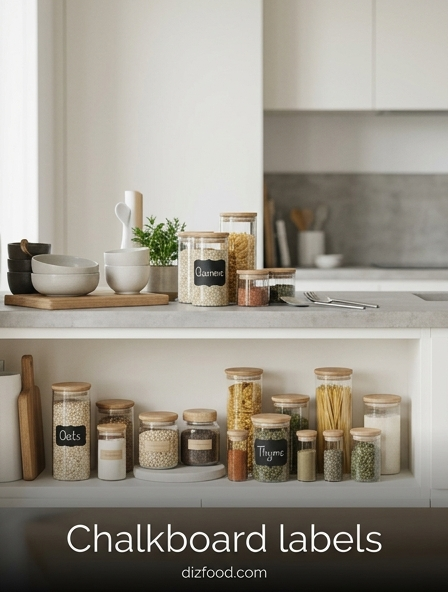
Place heavy glass jars on lower or eye-level shelves to prevent accidents and ensure easy access. Lighter plastic containers can be stored on higher shelves. It is also beneficial to group similar items together-baking supplies in one section, grains in another. Labeling is a crucial final step; even with clear containers, labeling the contents and the "filled on" date helps you manage your inventory effectively. By positioning your most sensitive items, like nuts and seeds, in the coolest, darkest part of the pantry, you add an extra layer of protection on top of the hermetic seal. This holistic approach ensures that your kitchen organization system is both beautiful and scientifically sound, protecting your investment in quality ingredients.


Comments