
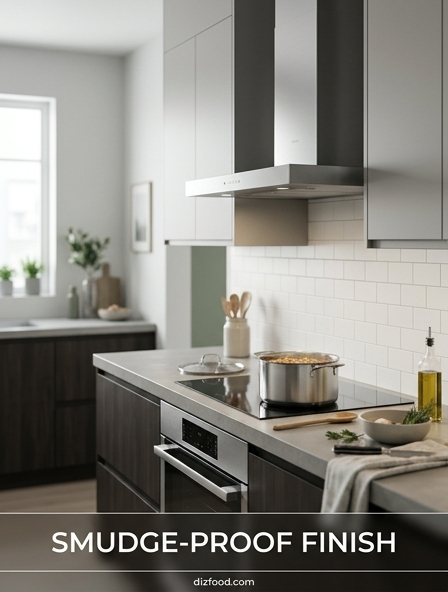
Selecting Smudge-Proof Appliance Finishes
When upgrading a kitchen, the aesthetic appeal of stainless steel is often tempered by its tendency to show every fingerprint and water spot. Modern manufacturers have addressed this by developing specialized smudge-proof finishes that mimic the classic look while providing a protective barrier. These finishes are typically achieved through a clear-coat application or a specific brushing process that diffuses light, making minor imperfections less visible to the naked eye. When selecting these appliances, it is essential to consider how the tone matches existing fixtures.
Different brands utilize varying technologies to achieve a resistant surface. Some focus on a darker, "black stainless" hue, while others offer a traditional silver tone with a microscopic texture. Consider the following popular options during your selection process:
- Fingerprint-Resistant Stainless: A traditional look with a specialized top-layer coating.
- Black Stainless Steel: A charcoal-toned finish that naturally hides oils and residues.
- Slate or Stone Finishes: Non-reflective, matte options that offer a contemporary feel.
- Burnished Bronze: A warmer alternative that masks smudges through deep coloration.
Choosing the right finish ensures that your kitchen remains looking pristine even during periods of heavy use, reducing the constant need for polishing and buffing.
Best Materials for Fingerprint Resistance
Beyond standard stainless steel, several materials stand out for their inherent ability to repel oils and moisture. The molecular structure of the surface plays a significant role in how light interacts with debris. For instance, high-pressure laminates and certain treated metals are engineered specifically to prevent the adhesion of skin oils. This is particularly important in high-traffic kitchens where multiple users interact with surfaces daily.
| Material Type | Resistance Level | Primary Benefit |
|---|---|---|
| PVD Coated Steel | Excellent | Extremely durable and scratch-resistant. |
| Brushed Aluminum | High | Naturally hides streaks due to grain pattern. |
| Matte Quartz | High | Non-porous surface prevents staining and oils. |
| Acid-Etched Glass | Moderate | Provides a soft look that diffuses fingerprints. |
Incorporating these materials into your kitchen design minimizes the visual impact of daily wear. Brushed textures are particularly effective because the micro-grooves break up the reflection of light, ensuring that a stray smudge does not become a focal point of the room.
Daily Maintenance for a Polished Aesthetic
Maintaining a smudge-proof kitchen does not require harsh chemicals, but it does benefit from a consistent routine. Even the most advanced coatings can accumulate a film over time if neglected. The goal of daily maintenance is to remove surface dust and light oils before they have the chance to harden or bond with the finish. A simple wipe-down at the end of the day preserves the integrity of the protective layers applied by the manufacturer.
To keep your kitchen looking professional and clean, follow these daily habits:
- Use a dry microfiber cloth to buff away light marks immediately after cooking.
- Ensure hands are dry when operating touch-sensitive panels or handles.
- Address liquid splashes promptly to prevent mineral deposits from drying on the metal.
- Avoid using abrasive pads, such as steel wool, which can strip the smudge-proof coating.
- Wipe in the direction of the metal grain to maintain a uniform appearance.
By integrating these small tasks into your evening cleanup, you extend the life of your appliance finishes and ensure the kitchen retains its showroom brilliance without the need for intensive deep cleaning sessions.
Cleaning Techniques for Streak-Free Surfaces
Achieving a streak-free shine on smudge-proof surfaces requires a different approach than cleaning traditional glass or polished chrome. Many commercial cleaners contain waxes or silicones that can actually build up on fingerprint-resistant coatings, eventually making them more prone to marking. The key is to use pH-neutral solutions that lift oils without leaving behind a secondary residue. Understanding the chemistry of your cleaning agents is vital for long-term care.
The most effective method involves a two-step process. First, apply a mild mixture of warm water and a drop of dish soap using a soft cloth to break down grease. Second, follow up with a specialized stainless steel polish designed for coated surfaces, or simply a clean, damp microfiber cloth. Always avoid ammonia-based products, as they can degrade the specialized topcoats over time. If a stubborn spot persists, a solution of equal parts distilled water and white vinegar can safely dissolve mineral buildup. By focusing on gentle agitation rather than heavy scrubbing, you preserve the uniform texture that makes these surfaces so effective at hiding daily imperfections.
Organizing Hardware for a Professional Look
The strategic placement and selection of hardware play a crucial role in maintaining a smudge-free environment. High-quality pulls and handles act as functional barriers, directing contact away from the sensitive flat surfaces of cabinetry and appliances. When users have ergonomic and accessible handles, they are less likely to touch the actual face of the dishwasher or refrigerator, significantly reducing the transfer of oils and food particles.
Consider these hardware characteristics to enhance both utility and cleanliness:
- Oversized Pulls: Provide ample clearance between the hand and the appliance surface.
- Textured Grips: Knurled or brushed handles hide their own smudges better than polished chrome.
- Hidden Integrated Grips: Direct touch to the underside of the door where marks are less visible.
- Electronic Sensors: "Touchless" hardware eliminates the need for physical contact entirely.
Consistency in hardware finish also contributes to a professional look. Matching the sheen of your handles to the smudge-proof finish of your appliances creates a cohesive visual flow. This organization not only protects the surfaces but also elevates the kitchen's design language to a more sophisticated, intentional level.
The Role of Matte Finishes in Modern Kitchens
Matte finishes have surged in popularity as homeowners prioritize both style and practicality. Unlike high-gloss surfaces, which act like mirrors for every speck of dust and oil, matte textures absorb light. This absorption makes it nearly impossible for fingerprints to create the "halo" effect that is so common on polished steel. In a modern kitchen, matte elements provide a soft, velvet-like appearance that adds depth and sophistication to the space without the high-maintenance requirements of shiny alternatives.
This finish is particularly effective on large vertical surfaces like refrigerators and pantry doors. Because matte surfaces lack a specular highlight, they maintain a consistent color profile regardless of the lighting conditions. This makes the kitchen appear cleaner for longer periods. Designers often pair matte appliances with satin-finish countertops to create a balanced environment that feels grounded. Furthermore, matte coatings are often thicker and more durable, providing an extra layer of protection against the minor scratches that typically plague high-shine finishes. Embracing the matte trend is a functional choice that supports a busy lifestyle while maintaining a high-end, contemporary aesthetic.
Preventing Grease Buildup on High-Touch Areas
Grease is the primary enemy of a smudge-proof finish, as it acts as an adhesive for dust and grime. In the kitchen, airborne grease from cooking can settle on surfaces far away from the stove, eventually creating a tacky film that is difficult to remove without damaging the finish. Prevention is the most effective strategy for keeping high-touch areas, such as microwave buttons and refrigerator handles, in pristine condition. This requires a combination of behavioral changes and mechanical assistance.
To minimize grease accumulation, consider the following strategies:
- Active Ventilation: Always run the range hood on its highest appropriate setting to capture grease particles before they settle.
- Regular Filter Cleaning: Ensure hood filters are degreased monthly to maintain optimal airflow.
- Hand Hygiene: Wash hands frequently during food preparation to prevent the transfer of oils to handles.
- Strategic Shielding: Use splatter guards while frying to contain oils within the pan area.
By controlling the environment, you reduce the workload of your smudge-proof coatings. When the air is cleaner, the surfaces remain smoother, allowing the specialized finishes to perform their job of repelling minor marks without being overwhelmed by heavy kitchen residues.
Streamlining Counters for Visual Clarity
A smudge-proof appliance is only as effective as the environment surrounding it. Visual clarity in a kitchen is often disrupted by cluttered countertops, which can distract from the clean lines of fingerprint-resistant finishes. Streamlining the workspace ensures that the focus remains on the premium materials and the polished aesthetic you have worked to maintain. By reducing the number of items stored on the counters, you also minimize the nooks and crannies where dust and grease tend to collect.
Effective streamlining involves prioritizing "essential-only" items. Appliances that are used daily, such as a high-end espresso machine, can remain, but smaller gadgets should be tucked away in appliance garages or deep drawers. This creates a sense of openness and allows the matte or brushed finishes of your larger appliances to shine. Additionally, clear counters make it easier to perform the daily wipe-downs necessary for smudge-proof upkeep. When there are fewer obstacles, the cleaning process is faster and more thorough, reinforcing the minimalist, professional look that characterizes modern kitchen design. A clear surface reflects a clean mindset and highlights the sophisticated textures of your chosen finishes.
Protective Coatings for Long-Lasting Brilliance
While many modern appliances come with factory-applied smudge-proof layers, there are ways to enhance and extend this protection through aftermarket coatings. These products, often utilizing nanotechnology, create an ultra-thin, hydrophobic barrier that repels water and oils even more effectively than the base metal. For older appliances that lack built-in resistance, these coatings can be a transformative upgrade, giving a dated kitchen a refreshed and easier-to-clean functionality.
The application of a protective coating typically follows these steps:
- Deep clean the surface to remove all existing oils and old waxes.
- Apply the coating agent in small sections using a lint-free applicator.
- Buff the surface immediately to ensure an even, streak-free bond.
- Allow the coating to cure for the manufacturer-recommended time, usually 24 hours.
These coatings do more than just hide fingerprints; they also provide a sacrificial layer against minor abrasions and UV-induced fading. By investing in a high-quality sealant once or twice a year, you ensure that the brilliance of your kitchen finishes remains intact, regardless of how much activity the room sees. This proactive approach preserves the value of your appliances and simplifies your cleaning routine.
Coordinating Texture and Shine for Balance
The most visually successful kitchens are those that strike a perfect balance between different textures and levels of sheen. Using exclusively smudge-proof, matte finishes can sometimes make a space feel flat or sterile. To counter this, designers often introduce elements of controlled shine-such as polished stone backsplashes, glass cabinetry, or metallic accents-to create contrast. The interplay between a fingerprint-resistant refrigerator and a glossy tiled wall creates a dynamic environment that feels both lived-in and luxurious.
When coordinating these elements, consider the "60-30-10" rule of texture. Approximately 60% of your surfaces should be your primary smudge-proof material, 30% a contrasting texture like natural wood or honed stone, and 10% a high-shine accent to provide visual interest. This balance ensures that the kitchen remains practical for daily use while still possessing the "wow factor" of a high-end design. Textured finishes, such as hammered metals or grain-heavy woods, are excellent companions to smudge-proof appliances because they share the ability to hide wear while offering a tactile warmth that metal alone cannot provide. Ultimately, the goal is to create a harmonious space where functionality and beauty coexist seamlessly.

Comments