
Investing in a functional kitchen organization system is about more than just aesthetics; it is about creating a workspace that stands the test of time. Since the kitchen is a high-traffic environment exposed to moisture, heat, and constant activity, selecting durable materials is crucial for maintaining order without frequent replacements. High-quality organizers prevent warping and wear, ensuring your pantry and countertops remain streamlined and efficient for years to come. By choosing resilient tools, you simplify your daily routine and protect your investment in a tidy home. For those managing cluttered appliance wires, it's worth exploring the pros and cons of adhesive cord organizers vs reusable cable ties to see which solution best serves your needs.
The Impact of Material Quality on Kitchen Longevity
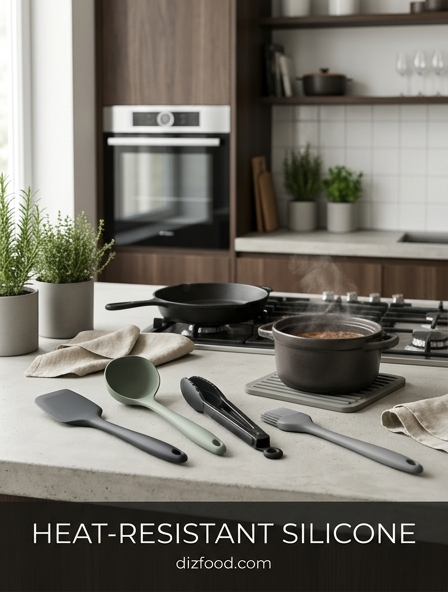
The endurance of a modern kitchen relies heavily on the molecular stability of its primary tools, particularly those involving heat-resistant silicone. High-quality silicone is engineered to maintain its polymer structure even when subjected to extreme temperature fluctuations. Unlike inferior plastics that may become brittle or leach chemicals over time, premium food-grade silicone remains flexible and inert. This material integrity ensures that spatulas, baking mats, and seals do not crack or peel after repeated use, directly influencing the lifespan of the entire culinary workspace. By selecting materials with high thermal stability, homeowners can prevent the frequent replacement of essential items.
Furthermore, the high-grade composition of these materials resists the degradation caused by acidic foods and alkaline detergents. When a kitchen is outfitted with top-tier silicone, the risk of micro-fractures-which can harbor bacteria-is significantly reduced. This chemical resilience means the items retain their functional properties for years rather than months. Investing in superior material quality translates to a more reliable cooking environment where tools perform consistently, preserving the operational flow of the kitchen and reducing long-term maintenance overhead.
Resisting Daily Wear and High Traffic Demands
Kitchen environments are subject to rigorous mechanical stress, ranging from constant friction against cookware to the impact of being dropped or stacked. Heat-resistant silicone excels in these high-traffic scenarios due to its unique elastomeric properties. It possesses a high "tear strength," allowing it to bend and stretch without permanent deformation. In a busy kitchen, tools are often shoved into crowded drawers or scraped against abrasive surfaces; silicone's non-reactive surface minimizes the visible scratches and gouges that typically plague metal or wooden alternatives.
The resilience of silicone extends to its ability to absorb physical shocks. When a heavy silicone-encased tool hits a tile floor, the material dampens the impact, protecting both the tool and the flooring. This durability is essential for busy households where kitchen implements are in constant rotation. Because the material does not fatigue under repetitive stress, it maintains its ergonomic shape and tactile grip. This ensures that even under the most demanding daily schedules, the equipment remains safe and comfortable to handle, effectively resisting the physical "burnout" common in lesser-quality kitchenware.
Cost Benefits of Investing in Premium Storage
While the initial price point of premium heat-resistant silicone storage may be higher than disposable or low-end plastic options, the long-term financial advantages are substantial. Silicone containers are virtually indestructible under normal kitchen conditions, meaning the cycle of "buy-and-toss" is effectively broken. This longevity translates to a lower cost-per-use over the item's lifetime. Additionally, the superior sealing capabilities of silicone help prevent food spoilage, saving money by extending the shelf life of ingredients and leftovers.
| Feature | Standard Plastic | Premium Silicone |
|---|---|---|
| Lifespan | 6-12 Months | 10+ Years |
| Heat Resistance | Low (Warps) | High (Up to 450°F) |
| Chemical Safety | Variable (BPA/Phthalates) | BPA-Free / Inert |
| Replacement Frequency | High | Very Low |
By eliminating the need for aluminum foil, plastic wrap, and cheap containers that warp in the microwave, consumers see a visible reduction in their monthly grocery and household supply budgets. Premium silicone is an investment in kitchen infrastructure that pays dividends through durability and multifunctional utility.
How Durable Containers Protect Your Food Supply
The primary function of kitchen storage is the preservation of nutritional value and flavor, a task where heat-resistant silicone outperforms most traditional materials. Because silicone is non-porous, it does not absorb the odors or pigments of the food stored within it. This prevents cross-contamination of flavors, ensuring that a container used for a spicy curry one day does not ruin a delicate custard the next. The airtight seals often found on premium silicone lids create a vacuum-like environment that slows oxidation, keeping produce crisper and dry goods fresher for longer durations.
Moreover, the thermal versatility of silicone allows for a "freezer-to-oven" workflow that minimizes food handling. This stability prevents the material from cracking in sub-zero temperatures, protecting against freezer burn. Because silicone does not leach endocrine disruptors like BPA or BPS, the food supply remains chemically pure, even when heated. This high level of protection ensures that the resources spent on high-quality ingredients are not wasted through improper storage or chemical contamination, maintaining the health and safety of the household.
Weight Bearing Capacity and Structural Integrity
Structural integrity is a critical factor for kitchen organizers and heavy-duty cooking tools. Heat-resistant silicone, particularly when reinforced with an internal steel core, offers an impressive weight-bearing capacity. This allows silicone trivets to support heavy cast-iron Dutch ovens without flattening, and silicone-coated drying racks to hold stacks of ceramic plates without bowing. The density of the silicone determines its ability to resist compression, making high-grade versions essential for tasks that require both flexibility and firmness.
The inherent "grip" of silicone also contributes to its structural utility. It provides a non-slip surface that prevents heavy items from shifting or sliding, which is vital for safety in a high-heat environment. Unlike thinner materials that might buckle under the weight of a boiling pot, thick-walled silicone molds and mats retain their shape, ensuring that liquids do not spill and that heat is distributed evenly across the base. This combination of tensile strength and load-bearing resilience makes it an ideal material for supporting the physical demands of intensive meal preparation and heavy kitchen equipment.
Withstanding Heat and Moisture in Cooking Areas
The kitchen is a zone of environmental extremes, constantly shifting between high dry heat and heavy saturated steam. Heat-resistant silicone is uniquely suited for these conditions, as it is hydrophobic and thermally stable up to 450 degrees Fahrenheit (232 degrees Celsius). Unlike wood, which can warp or rot when exposed to moisture, or metal, which can conduct heat too quickly and cause burns, silicone acts as a perfect insulator. It remains cool enough to handle shortly after exposure to heat, providing a safety barrier for the user.
In high-moisture areas near sinks or dishwashers, silicone's resistance to mold and mildew is a significant advantage. It does not swell when wet or crack when dried out, maintaining a consistent seal and texture. Whether it is used as a lid to trap steam during poaching or as a mat to protect a countertop from a hot baking sheet, the material does not degrade or release toxic fumes. This dual resistance to both thermal and aqueous stress ensures that the kitchen remains a sanitary and functional space regardless of the cooking techniques employed.
Reducing Waste with Sustainable Organizing Solutions
Transitioning to silicone-based kitchen systems is a powerful step toward a zero-waste lifestyle. The durability of heat-resistant silicone allows it to replace hundreds of single-use items over its lifespan. By adopting reusable silicone alternatives, a household can significantly decrease its environmental footprint. The sustainability of silicone lies in its longevity; it is not a "fast-consumer" good but a long-term utility.
- Silicone Storage Bags: Replace thousands of single-use plastic zip bags.
- Baking Mats: Eliminate the need for disposable parchment paper and aluminum foil.
- Stretch Lids: Remove the requirement for single-use plastic cling wrap.
- Silicone Tea Infusers: Replace bleached paper tea bags containing microplastics.
Beyond reducing landfill waste, the production of high-quality silicone is often more efficient than the continuous manufacturing of disposable plastic goods. Because silicone is made from silica (sand), it is a more abundant resource than petroleum-based plastics. Choosing silicone-based organization encourages a circular kitchen economy where items are cleaned and reused indefinitely rather than discarded after a single application.
The Aesthetic Longevity of High Grade Materials
The visual appeal of a kitchen is often marred by stained, melted, or discolored tools. High-grade heat-resistant silicone addresses this issue through its exceptional colorfastness and resistance to staining. Many lower-quality materials absorb the dyes from tomato sauces, turmeric, or beets, leading to a dingy appearance. However, premium silicone is engineered with a surface tension that resists pigment penetration. This ensures that bright kitchen accents remain vibrant and professional-looking even after years of contact with deeply colored ingredients.
Aesthetic longevity also relates to the material's surface finish. Quality silicone does not develop the "sticky" residue that often accumulates on old plastic or rubber as they break down. It maintains its matte or satin finish without peeling or flaking. This means that the kitchen maintains a clean, modern aesthetic that reflects well on the homeowner. Because the material does not show age through typical wear patterns, the kitchen systems feel "new" for much longer, preserving the design intent and visual harmony of the cooking space over time.
Ease of Maintenance and Sanitization Standards
Maintaining a hygienic kitchen is significantly easier with heat-resistant silicone due to its non-porous and dishwasher-safe nature. Unlike traditional wooden spoons or porous plastic boards, silicone does not harbor microscopic cracks where food particles and bacteria can hide. It can be sanitized at high temperatures-both in a residential dishwasher and through boiling water-without losing its shape or structural integrity. This ability to withstand extreme sanitization cycles is a hallmark of medical-grade and high-end food-grade silicone.
The cleaning process is further simplified by the material's naturally non-stick properties. Food residue, even burnt-on sugars or fats, typically slides off with minimal scrubbing, reducing the need for harsh abrasive cleaners that can damage other kitchen surfaces. This ease of maintenance not only saves time but also ensures that the tools are truly clean at a microscopic level. For those prioritizing family health, the ability to rapidly and effectively sanitize every tool and container is an essential component of modern kitchen management and food safety protocols.
Future Proofing Your Kitchen Systems with Sturdy Builds
Future-proofing a kitchen involves choosing tools and systems that will remain functional and relevant as cooking habits evolve. Heat-resistant silicone provides this versatility because it is compatible with all modern kitchen appliances, including microwaves, convection ovens, air fryers, and freezers. As new cooking technologies emerge, the thermal range of silicone ensures that your existing inventory of tools will remain useful. Sturdy silicone builds are an investment in a "buy it once" philosophy that anticipates the needs of a decade or more.
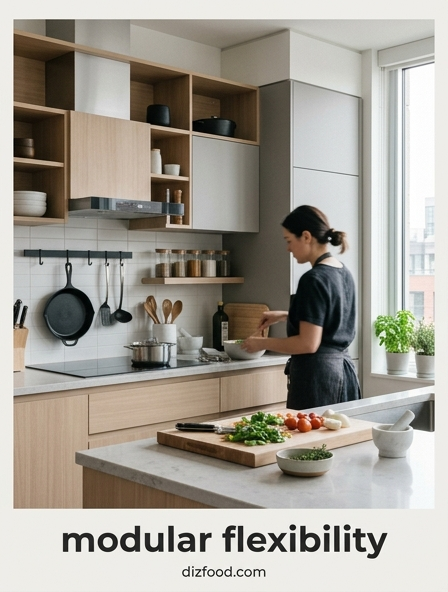
Modular silicone organizing systems also allow for easy adaptation. As a household grows or dietary needs change, the flexible nature of these containers and tools allows them to be repurposed without failure. The structural resilience means they won't go out of style due to breakage or wear. By focusing on sturdy, high-performance builds, you create a kitchen infrastructure that is resilient to the whims of kitchen trends and the physical toll of daily use, ensuring a high-functioning culinary environment for the foreseeable future.

Comments