
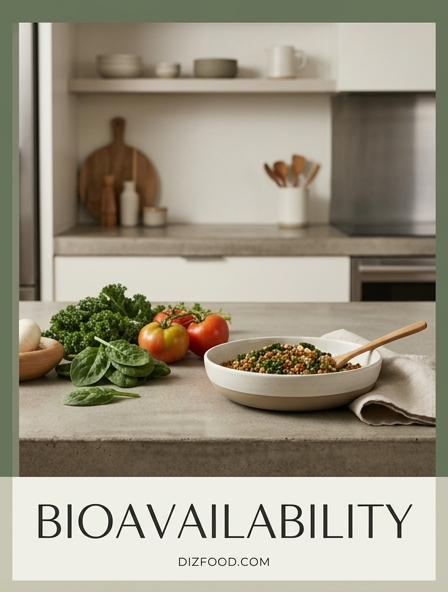
Understanding Nutrient Bioavailability in Your Kitchen
Bioavailability refers to the proportion of a nutrient that is digested, absorbed, and utilized through normal metabolic pathways. In the domestic kitchen, this concept transforms nutrition from a simple calculation of "what is on the plate" to a sophisticated understanding of "what reaches the bloodstream." Several factors influence this efficiency, including the chemical form of the nutrient, the presence of enhancers or inhibitors, and the individual's digestive health. Many essential vitamins and minerals are locked within complex fibrous matrices or bound to compounds that prevent their absorption.
To maximize the biological value of home-cooked meals, one must consider the food matrix-the physical and chemical structure of food. While raw vegetables are often touted for their purity, their rigid cell walls can sometimes trap nutrients, making them less accessible than when they are slightly processed or cooked. By understanding these dynamics, home cooks can transition from mere recipe followers to nutritional strategists, ensuring that every ingredient serves its maximum physiological purpose.
Strategic Food Pairings for Maximum Mineral Absorption
The synergy between specific foods can significantly alter the rate at which minerals like iron, calcium, and zinc are absorbed. For instance, non-heme iron found in plant-based sources like lentils and spinach is notoriously difficult for the body to sequester. However, the introduction of ascorbic acid, or Vitamin C, can increase its absorption by several hundred percent. Conversely, certain compounds can act as blockers, necessitating strategic timing and pairing to avoid nutritional deficiencies.
- Iron and Vitamin C: Pairing beans with bell peppers or squeezing lemon over sautéed kale converts iron into a more soluble form.
- Calcium and Vitamin D: Consuming calcium-rich greens with Vitamin D sources like fatty fish or fortified eggs facilitates active transport across the intestinal wall.
- Zinc and Sulfur: Sulfur-containing foods like garlic and onions can increase the solubility of zinc found in whole grains.
Avoiding the consumption of tea or coffee immediately after a mineral-rich meal is equally important, as the tannins and polyphenols can bind to minerals, creating unabsorbable complexes that pass through the system unused.
Optimizing Cooking Methods to Preserve Vital Micronutrients
The application of heat can be a double-edged sword in the kitchen. While it can break down tough fibers to release nutrients, it can also destroy heat-sensitive vitamins or cause water-soluble minerals to leach into the cooking liquid. The choice between boiling, steaming, roasting, or microwaving dictates the final nutritional density of the dish. Boiled vegetables often lose up to fifty percent of their Vitamin C and B-complex vitamins if the water is discarded, making this the least efficient method for nutrient retention.
| Method | Nutrient Impact | Best For |
|---|---|---|
| Steaming | High retention of water-soluble vitamins. | Broccoli, leafy greens. |
| Sautéing | Improves fat-soluble absorption. | Carrots, peppers. |
| Pressure Cooking | Reduces anti-nutrients rapidly. | Legumes, tough grains. |
To preserve integrity, use minimal water and shorter cooking durations. If boiling is necessary, repurposing the cooking water for soups or sauces ensures that the leached micronutrients are eventually consumed rather than wasted.
The Role of Healthy Fats in Vitamin Transport
Vitamins A, D, E, and K are fat-soluble, meaning they require a lipid medium to be effectively transported from the digestive tract into the lymphatic system. Preparing a salad of dark leafy greens without an oil-based dressing may result in minimal absorption of the Vitamin K and beta-carotene present. The presence of dietary fat triggers the release of bile, which emulsifies the fats and the associated vitamins, creating micelles that the body can easily absorb. This process is essential for maintaining bone health, immune function, and vision.
Integrating healthy fats does not require high-calorie additions. A small amount of avocado, a drizzle of extra virgin olive oil, or a handful of crushed walnuts is sufficient to facilitate this transport. Research indicates that even as little as three to five grams of fat per meal can significantly enhance the bioavailability of carotenoids. This biological requirement underscores why traditional diets often pair vegetables with oil or fatty proteins, intuitively maximizing the nutritional payload of every bite taken during the meal.
Activating Phytochemicals Through Precise Knife Skills
The nutritional profile of certain vegetables changes the moment they are sliced. This is particularly true for the Allium and Brassicaceae families, which include garlic, onions, and broccoli. These plants contain precursor compounds and enzymes that are stored in separate cellular compartments. When the cell walls are ruptured by chopping or crushing, these components mix, triggering a chemical reaction that creates bioactive compounds like allicin or sulforaphane. These secondary metabolites are responsible for many of the anti-inflammatory and cancer-fighting properties associated with these vegetables.
To optimize this activation, the "chop and wait" rule is paramount. For garlic, crushing the cloves and letting them sit for ten minutes before applying heat allows the allicin to stabilize, making it more resistant to thermal degradation. Similarly, finely mincing cruciferous vegetables increases the surface area for enzymatic activity. If cooking these vegetables immediately is necessary, adding a pinch of mustard seed powder-which contains the active enzyme myrosinase-can help restore the phytochemical potential that might otherwise be lost through the rapid application of high heat during the cooking process.
Reducing Anti-Nutrients with Soaking and Sprouting
Many plant seeds, including grains, legumes, and nuts, contain "anti-nutrients" such as phytic acid, lectins, and enzyme inhibitors. These compounds serve as defensive mechanisms for the plant, preventing premature germination and deterring predators. For humans, however, they can bind to essential minerals like magnesium and calcium, rendering them unabsorbable. The kitchen acts as a laboratory where these defenses can be neutralized through traditional processing techniques like soaking, sprouting, and acidic marination.
- Soaking: Submerging pulses in water for 12-24 hours activates phytase, an enzyme that breaks down phytic acid.
- Sprouting: Allowing seeds to begin germination further reduces lectins and increases the concentration of Vitamin C and folate.
- Acidification: Adding lemon juice or apple cider vinegar to the soaking water creates an environment that facilitates the breakdown of mineral-binding complexes.
These methods not only improve mineral bioavailability but also enhance the overall digestibility of the food, reducing gastrointestinal discomfort often associated with high-fiber plant proteins. By simulating the beginning of the plant's life cycle, we unlock the nutrients stored within for our own metabolic use.
Synergistic Spices to Boost Compound Solubility
Spices do more than provide flavor; they act as biochemical catalysts that enhance the solubility and absorption of other nutrients. A primary example is the relationship between turmeric and black pepper. Turmeric contains curcumin, a powerful anti-inflammatory compound with notoriously poor bioavailability due to its rapid metabolism in the liver. However, black pepper contains piperine, an alkaloid that inhibits the metabolic pathway responsible for eliminating curcumin. When consumed together, piperine can increase the bioavailability of curcumin by up to 2,000 percent.
Other spices work through different mechanisms, such as increasing blood flow to the digestive tract or stimulating the production of digestive enzymes. Ginger, for instance, can enhance the absorption of various nutrients by accelerating gastric emptying. Capsaicin in chili peppers can temporarily increase the permeability of the intestinal lining, allowing for more efficient uptake of certain micronutrients. Integrating these "bio-enhancers" into daily cooking ensures that the functional compounds in our diet are not simply excreted but are actively transported to the tissues where they can exert their beneficial effects.
The Power of Fermentation for Pre-Digested Nutrients
Fermentation is an ancient kitchen practice that acts as a form of "pre-digestion." During this process, microorganisms like lactobacilli and yeasts break down complex carbohydrates, proteins, and fats into simpler, more absorbable forms. For example, the fermentation of cabbage into sauerkraut significantly increases the availability of Vitamin C and creates various organic acids that improve the absorption of minerals in the gut. This process also neutralizes many of the anti-nutrients found in raw vegetables and grains, such as the phytates mentioned previously.
Furthermore, fermented foods introduce beneficial bacteria to the microbiome, which play a direct role in nutrient synthesis. These microbes produce essential B-vitamins and Vitamin K2 as metabolic byproducts. The acidic environment of fermented foods also lowers the pH of the digestive tract, which is a key factor in the solubility and subsequent absorption of calcium and iron. By incorporating small portions of fermented foods into meals, one creates a digestive environment that is optimized for the extraction of nutrients from the entire plate, far beyond the fermented items themselves.
Thermal Processing and the Bioavailability of Antioxidants
While some vitamins are lost during cooking, the bioavailability of certain antioxidants actually increases when exposed to heat. The most prominent example is lycopene, the red pigment in tomatoes. In raw tomatoes, lycopene is tightly bound to cellular structures; cooking breaks these bonds and converts the molecule from a trans-isomer to a cis-isomer, which the human body absorbs much more readily. This is why tomato sauce or paste provides significantly more usable lycopene than raw tomato slices. A similar effect is observed with beta-carotene in carrots and pumpkins.
The gentle application of heat also softens the tough cellulose cell walls of many vegetables, allowing digestive enzymes easier access to the interior nutrients. However, the key is the "thermal sweet spot"-applying enough heat to liberate the antioxidants without reaching temperatures that cause total nutrient degradation. Gentle roasting or steaming until vegetables are "al dente" usually strikes this balance. When combined with a small amount of lipid, as discussed in previous sections, the bioavailability of these fat-soluble antioxidants is maximized, providing superior protection against oxidative stress and systemic inflammation.
Meal Prep Strategies for Sustained Nutritional Integrity
Bioavailability is not just about the moment of consumption; it is also about preserving the integrity of food during storage and preparation. Light, oxygen, and time are the primary enemies of nutrient density. Once a vegetable is harvested or sliced, its enzymatic activity begins to degrade its internal vitamin stores. Strategic meal prep involves minimizing the time between processing and eating, or using storage techniques that arrest the degradation process. Vacuum sealing and using opaque containers can protect light-sensitive vitamins like riboflavin and folate from breaking down.
- Acidic Barriers: Coating sliced fruits or avocados in citrus juice prevents oxidation and preserves Vitamin C.
- Blanching: Briefly boiling then icing vegetables before freezing stops enzymatic activity that causes nutrient loss.
- Strategic Slicing: Keeping produce whole until shortly before consumption reduces the surface area exposed to oxygen.
By treating the refrigerator as a holding cell for live nutrients rather than just a storage box, one can ensure that the effort put into sourcing high-quality ingredients translates into actual health benefits. Effective meal prep bridges the gap between convenience and optimal nutrition, ensuring that even busy schedules do not compromise the bioavailable potential of the kitchen.




Comments