
Reclaiming your evening starts long before you sit down to eat; it begins with how you organize your kitchen workflow. Simplifying your post-dinner routine is all about making strategic meal planning choices that minimize mess and maximize relaxation. Instead of facing a sink full of heavy cookware every night, you can choose preparation methods that streamline cleanup and reduce daily stress. By being intentional with your recipes and ingredient prep, you transform dinner from an exhausting chore into a seamless, enjoyable part of your day. To find the perfect balance for your busy schedule, consider the pros and cons of No Cook Meal Planning Vs Stovetop Meal Planning.
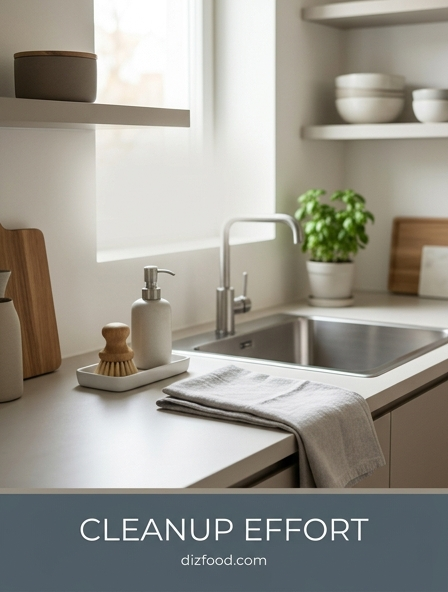
One Pot Wonders for Minimal Cleanup
Maximizing efficiency in the kitchen often starts with reducing the number of vessels used during the cooking process. One-pot wonders, ranging from hearty stews in a Dutch oven to complete meals on a single sheet pan, are the gold standard for minimal cleanup. By centralizing the cooking process, you eliminate the need for multiple pots, pans, and stirring utensils that typically clutter the sink. This approach not only saves time during the transition from cooking to eating but also significantly reduces the post-dinner workload.
- Dutch Ovens: Perfect for braises and soups that move from stove to oven to table.
- Sheet Pans: Ideal for roasting proteins and vegetables simultaneously with parchment paper for zero scrubbing.
- Cast Iron Skillets: Versatile enough for searing and baking, requiring only a quick rinse and wipe.
- Slow Cookers: Use liners to ensure the heavy ceramic insert stays completely clean.
The strategic use of these tools ensures that the primary cleanup task is limited to a single item. When the heat is turned off, the kitchen remains relatively tidy, allowing the cook to enjoy the meal without the looming shadow of a mountain of dishes.
Batch Cooking Strategies to Save Time
Batch cooking is a high-level organizational strategy that focuses on preparing large quantities of food at once to be consumed over several days. The primary benefit regarding cleanup is the consolidation of "messy" tasks. Chopping ten onions at once creates the same amount of cutting board mess as chopping one, but it only happens once a week. This economy of scale applies to every stage of food preparation and sanitation.
| Task Type | Batch Benefit | Cleanup Impact |
|---|---|---|
| Grain Prep | Cook 5 cups at once | One pot to wash for the week |
| Protein Searing | Cook 3lbs of meat | Single grease splatter session |
| Vegetable Roast | Fill 3 trays | Concentrated oven use and pan washing |
By dedicating a few hours on a weekend to these tasks, you effectively front-load the cleanup effort. Throughout the busy work week, your kitchen remains a "reheat and serve" zone rather than a construction site, keeping your counters clear and your sink empty when you are most tired.
Mastering the Cook Once Eat Twice Method
The "Cook Once, Eat Twice" philosophy is an evolution of meal planning that prioritizes ingredient versatility to minimize future labor. Instead of cooking a completely new recipe every night, you prepare a primary component in a large enough quantity to serve as the foundation for a second, distinct meal. This method drastically cuts down on the accumulation of prep bowls and specialized cooking gadgets throughout the week.
- The Foundation: Roast a whole chicken or a large tray of Mediterranean vegetables on Monday.
- The First Meal: Serve the main component with simple sides, using minimal cookware.
- the Transformation: On Tuesday, use the leftovers for tacos, salads, or grain bowls.
- The Cleanup Win: Tuesday's meal involves almost zero active cooking, meaning no new pans enter the sink.
This strategy relies on clever repurposing rather than simple reheating. By focusing on modular ingredients, you maintain variety in your diet while ensuring that your kitchen reset remains a five-minute task every other evening. It is a sustainable way to manage both nutrition and household maintenance simultaneously.
Streamlined Ingredient Prep for Faster Tidying
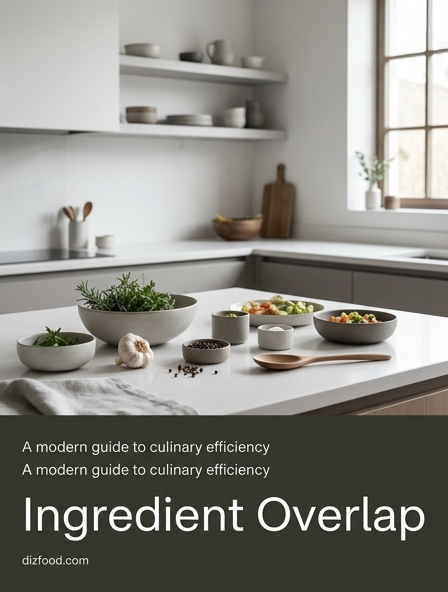
A chaotic workspace leads to a long cleanup. Streamlined ingredient prep, often referred to as "mise en place," is the practice of organizing all components before the heat is even turned on. This prevents the frantic "clean as you go" struggle that often results in spilled liquids or scattered peels. When you prep systematically, you can contain the mess to a specific zone of the kitchen, making the final wipe-down far more efficient.
- The Scrap Bowl: Always keep a dedicated bowl for peels, ends, and packaging to avoid multiple trips to the bin.
- Uniform Containers: Use nested prep bowls to keep ingredients separated without taking up excessive counter space.
- Sequential Chopping: Cut dry items like herbs and onions first, then move to wet or stained items like beets or raw meat.
- Consolidated Tools: Use a single high-quality chef's knife for the entire prep session to minimize silverware washing.
When the preparation is finished, the prep bowls can often be loaded directly into the dishwasher before the cooking begins. This ensures that by the time the meal is plated, the only items left to clean are the serving dishes and the primary cooking vessel.
The Art of Cleaning While You Cook
The most effective way to avoid a daunting pile of dishes is to utilize the natural pockets of downtime inherent in cooking. Whether you are waiting for water to boil, meat to sear, or the oven to preheat, these small windows of time are opportunities to maintain order. By adopting a "never empty-handed" policy, you ensure that the kitchen returns to its baseline state incrementally rather than all at once at the end of the night.
- The Pre-Boil Blitz: While the stove heats up, put away any ingredients used for prep.
- The Simmer Shift: While the sauce simmers, wash the knives and cutting boards used earlier.
- The Sauté Sweep: Wipe down splatters on the stovetop immediately before they harden or burn.
- The Loading Phase: Place every used utensil directly into the dishwasher the moment its task is complete.
Mastering this rhythm requires a shift in mindset where cleaning is viewed as part of the cooking process itself. If executed correctly, the final plating of the meal should coincide with a nearly empty sink and a wiped counter, allowing for total relaxation after eating.
Smart Storage Solutions for Quick Cleanup
Post-meal cleanup is often delayed by the frustration of finding matching lids or clearing enough space in the refrigerator. Implementing smart storage solutions simplifies the transition from the dining table to a clean kitchen. The goal is to make the storage process as frictionless as possible, encouraging immediate action rather than leaving leftovers on the counter to be "dealt with later."
| Storage Feature | Benefit | Efficiency Gain |
|---|---|---|
| Glass Containers | Oven/Microwave safe | No extra plates for reheating |
| Unified Lid Sizes | Interchangeable tops | Eliminates the "lid hunt" stress |
| Stackable Design | Vertical space use | Faster fridge organization |
Investing in high-quality, clear storage bins allows you to see exactly what you have, reducing food waste and making it easier to clean out the fridge weekly. When every container has a dedicated home and lids are easily accessible, the "putting away" phase of the evening becomes a seamless, five-minute routine that signals the end of the day's kitchen activities.
Low Maintenance Cooking Methods for Easy Evenings
Certain cooking methods are inherently tidier than others. Techniques that rely on contained environments-like air frying, steaming, or sous vide-dramatically reduce the amount of airborne grease and countertop mess. By choosing these low-maintenance methods, you protect your kitchen surfaces from the fine mist of oil and food particles that typically results from high-heat pan frying or vigorous boiling.
- Air Frying: The enclosed basket prevents oil splatters and contains all crumbs in a removable, washable drawer.
- Sous Vide: Cooking in sealed bags means the water bath stays clean, and the only "dish" is the bag itself.
- Steam Trays: Steaming vegetables in a dedicated basket keeps the pot clean and prevents scorching.
- Parchment Envelopes: Baking "en papillote" traps all juices and sauces inside the paper, leaving the pan pristine.
These methods are particularly useful for weeknights when energy levels are low. They allow for flavorful, healthy results without the physical toll of deep-cleaning the stove or scrubbing carbonized bits off the bottom of a stainless steel pan.
Strategic Meal Mapping to Reduce Dishes
Strategic meal mapping involves planning your weekly menu based on the equipment required, rather than just the flavors desired. By grouping meals that use the same appliances or tools, you can optimize your cleaning schedule. For example, if you plan to use the food processor on Tuesday, you might choose two recipes that require it, cleaning it once between them rather than twice over two separate days.
- The Blender Block: Schedule smoothies and pureed soups on consecutive days.
- The Oven Sequence: Roast multiple trays of different foods at once to maximize a single preheat and pan usage.
- Tool Reuse: Plan a week where most meals are "one-pan" to keep the dishwasher load consistent.
- Cold Meals: Integrate no-cook nights, such as salads or charcuterie, to give the kitchen a rest.
This level of foresight prevents the exhaustion that comes from high-maintenance cleanup every single night. By intentionally mapping out "low-dish" days, you create a sustainable pace for kitchen management that prevents burnout and keeps the heart of the home inviting and clutter-free.
Efficient Kitchen Reset Habits
A kitchen reset is a quick, disciplined routine performed at the end of the day to ensure the space is ready for the next morning. It is not a deep clean, but rather a functional restoration. Establishing these habits prevents the "compounding mess" effect, where a few dirty spoons from breakfast turn into a mountain of grime by dinner. A consistent reset habit reduces the psychological weight of starting any new cooking task.
- Clear the Decks: Move all non-kitchen items out of the space immediately.
- The Sink Zero Policy: Ensure every dish is either in the dishwasher or washed and drying before bed.
- Wipe Down: Sanitize the main prep area and the stovetop to prevent stains from setting overnight.
- The Morning Launch: Empty the dishwasher first thing so it is ready to receive dishes throughout the day.
When these steps become muscle memory, the effort required feels negligible. The reward is walking into a pristine kitchen each morning, which encourages healthier eating habits and a more organized start to the workday.
Pre Portioned Meals for a Faster Exit
Pre-portioning meals immediately after cooking is a final strategy to streamline the post-dinner exit. Instead of serving food family-style in large bowls that then need to be washed, transfer the food directly from the cooking vessel into individual glass storage containers. This serves two purposes: it controls portion sizes and it removes several large serving platters from the cleanup equation entirely.
- Individual Servings: Portions are ready to be grabbed for lunch or reheated for a quick solo dinner.
- Reduced Serving Ware: Eliminates the need for large bowls and spoons that often don't fit in the dishwasher.
- Space Efficiency: Smaller containers are easier to Tetris into a crowded refrigerator than one large pot.
- Immediate Cleanup: Once the containers are filled, the cooking pot can be washed immediately while it is still warm.
This approach transforms the end of the meal into a quick storage session. By the time you sit down to eat, the bulk of the kitchen work is already finished, leaving only your plate and fork to be handled when the meal is over. This creates a faster exit from the kitchen and more time for evening relaxation.

Comments