
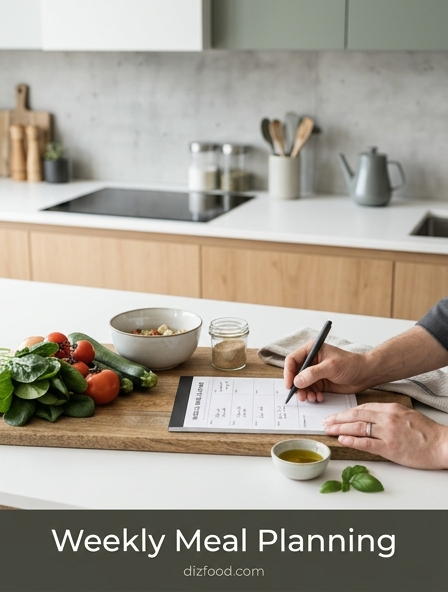
Transform your cooking routine by embracing the dynamic benefits of weekly meal planning to gain total control over your culinary space. Organizing your menu in seven-day increments significantly boosts kitchen agility, allowing you to pivot easily based on seasonal produce availability or unexpected schedule changes. By focusing on these shorter cycles, you ensure peak ingredient freshness and drastically minimize food waste, as perishables no longer linger past their prime in the refrigerator. This rhythmic approach reduces daily decision fatigue and makes grocery shopping far more intentional and cost-effective. To determine which strategy best suits your lifestyle, it is essential to explore the benefits of Weekly Meal Planning Vs Monthly Meal Planning.
Mastering Kitchen Workflow Efficiency
To master kitchen workflow efficiency, one must view the kitchen as a production line where movement is minimized and output is maximized. The foundation of an efficient workflow is the "mise en place" philosophy, which dictates that all ingredients should be washed, chopped, and measured before the heat is even applied. By establishing distinct zones for prep, cooking, and cleaning, you reduce the physical steps taken during meal preparation.
- Prep Zone: Keep knives, cutting boards, and scrap bins within arm's reach.
- Cooking Zone: Ensure oils, seasonings, and frequently used utensils are near the stovetop.
- Cleaning Zone: Maintain a clear sink and an empty dishwasher before starting to allow for "cleaning as you go."
Strategic movement also involves grouping similar tasks together. For instance, if three different recipes require diced onions, chop them all at once rather than returning to the cutting board multiple times. This systemic approach reduces mental fatigue and ensures that the transition from raw ingredients to a finished plate is seamless and rapid.
Maximizing Seasonal Ingredient Freshness
Aligning your weekly meal plan with the natural harvest cycle is the most effective way to ensure peak flavor and nutritional density. Seasonal produce travels shorter distances, meaning it spends less time in transit and more time retaining its vitamins. When planning your menu, prioritize ingredients that are currently in season in your specific region to benefit from lower costs and superior texture.
| Season | Focus Ingredients | Storage Method |
|---|---|---|
| Spring | Asparagus, Peas, Radishes | Damp paper towel in crisper |
| Summer | Tomatoes, Corn, Berries | Countertop for flavor retention |
| Autumn | Squash, Apples, Kale | Cool, dark, dry locations |
| Winter | Root Vegetables, Citrus | Low humidity refrigeration |
Understanding the shelf life of these items is crucial. Highly perishable items like berries or leafy greens should be consumed early in the week, while hardy vegetables like carrots or cabbage can be reserved for later dates. This ensures nothing wilts before it reaches the pan.
Strategic Grocery Shopping Strategies
Effective grocery shopping is a discipline that bridges the gap between a written meal plan and a stocked kitchen. The goal is to minimize time spent in the aisles while preventing the purchase of unnecessary items that lead to clutter and waste. A strategic shopper views the grocery store as a warehouse where they must execute a precise retrieval mission rather than a browsing session.
- Inventory Audit: Always check your pantry and refrigerator before leaving to avoid buying duplicates of staples you already possess.
- Perimeter Pathing: Focus your movement on the outer edges of the store where fresh produce, proteins, and dairy are located.
- Bulk Purchase Selection: Only buy non-perishables or frequently used grains in bulk to save money without sacrificing storage space.
- Strict List Adherence: Use a categorized list to prevent impulse buys triggered by marketing displays.
By timing your trips during off-peak hours, you can navigate the store faster and maintain focus. This targeted approach ensures that every item in your cart serves a specific purpose in your upcoming weekly menu, keeping your budget and your kitchen in balance.
Reducing Food Waste Through Planning
Food waste is often the result of a lack of foresight rather than intentional neglect. A robust meal plan acts as a roadmap for every ingredient purchased, ensuring that secondary parts of vegetables or leftovers are utilized effectively. To significantly reduce waste, one must adopt a "nose-to-tail" or "root-to-stem" mindset, finding culinary uses for items typically discarded, such as broccoli stalks or herb stems.
- Component Repurposing: Transform Sunday's roasted chicken into Monday's salad protein and Tuesday's soup base.
- FIFO Method: Rotate your stock so that the oldest items are used first, preventing spoilage.
- Freezer Integration: If an ingredient is nearing its end, blanch and freeze it immediately for future use.
- Portion Accuracy: Plan recipes based on realistic consumption patterns to avoid excess leftovers.
Integrating a "must-go" night into your weekly schedule allows you to clear out small portions of various dishes, creating a smorgasbord that prevents food from being pushed to the back of the fridge and forgotten. This practice saves money and honors the resources used to produce the food.
Organizing Your Pantry for Agility
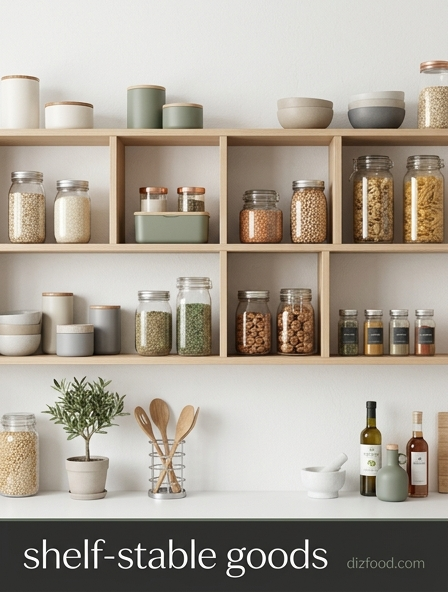
An agile pantry is one where every ingredient is visible, accessible, and logically grouped. When you can see your entire inventory at a glance, you spend less time searching for ingredients and more time cooking. Organization should be dictated by the frequency of use and the types of cuisines you prepare most often. By removing items from bulky original packaging and using clear containers, you can easily monitor stock levels.
- Categorization: Group items into logical clusters such as grains, baking supplies, canned goods, and spices.
- Decanting: Use airtight glass or plastic containers for dry goods to extend shelf life and improve visibility.
- Labeling: Clearly mark containers with the item name and the expiration date to ensure safety and speed.
- Vertical Space: Use risers or tiered shelving to prevent smaller items from being hidden behind larger ones.
This organized structure allows for "pantry diving," where you can quickly assemble a meal based on what is available. It reduces the stress of meal planning by providing a clear visual of your foundation ingredients, making the assembly of a shopping list nearly instantaneous.
Optimizing Refrigerator Storage Methods
The refrigerator is more than just a cold box; it is a complex environment with varying temperature zones and humidity levels. Optimizing these zones is essential for extending the life of your perishables and ensuring food safety. Proper placement prevents cross-contamination and keeps ingredients at their peak texture for longer periods. Understanding the difference between high and low humidity drawers can double the lifespan of your produce.
| Zone | Recommended Items | Reasoning |
|---|---|---|
| Upper Shelves | Leftovers, Drinks, Yogurt | Most consistent temperature |
| Lower Shelves | Raw Meats, Poultry, Fish | Coldest area; prevents drips |
| Crisper (High) | Leafy Greens, Herbs | Retains moisture for crispness |
| Refrigerator Door | Condiments, Juices | Warmest area; for shelf-stable items |
Additionally, avoid overcrowding the shelves. Air must circulate freely to maintain a consistent temperature. By labeling leftovers with dates and keeping frequently used items at eye level, you ensure that nothing is wasted and every meal component is ready for quick retrieval.
Batch Cooking for Busy Weeknights
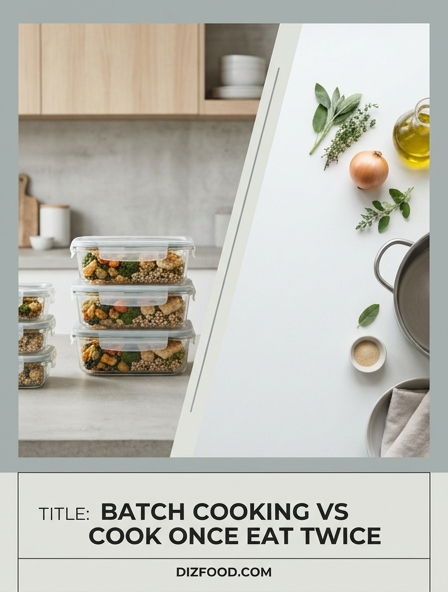
Batch cooking is the ultimate strategy for reclaiming time during the work week. Instead of cooking every night, you dedicate a single afternoon to preparing large quantities of "building block" components or full meals. This approach reduces the total time spent on cleanup and ensures that healthy, home-cooked food is available even when your schedule becomes overwhelming. The key is to focus on versatile bases that can be modified for different flavors.
- Grain Prep: Cook large batches of rice, quinoa, or farro to use as bases for bowls or stir-frys.
- Protein Roasting: Prepare several pounds of chicken, tofu, or beef to be added to various dishes later.
- Sauce Foundations: Create large portions of pesto, marinara, or vinaigrettes to quickly dress up simple ingredients.
- Freezer Meals: Double recipes for stews or casseroles and freeze half for future "emergency" dinners.
By spending three hours on a Sunday, you can effectively eliminate fifteen hours of cooking and cleaning during the week. This method provides the convenience of take-out with the nutritional control and cost-effectiveness of home cooking.
Dynamic Menu Planning Techniques
Dynamic menu planning moves away from rigid schedules and toward a flexible framework that adapts to your life. Rather than assigning a specific dish to a specific night, create a "capsule menu" of five to six meals that you have the ingredients for. This allows you to choose what to eat based on your energy levels and cravings each day. Incorporating theme nights can also simplify the decision-making process without feeling restrictive.
- Theme Assignment: Designate days for specific styles, like "Taco Tuesday" or "Pasta Thursday," to narrow down options.
- Ingredient Crossover: Choose recipes that share common ingredients to simplify shopping and prep.
- Flex Days: Leave one or two nights unassigned to account for social outings or unexpected leftovers.
- Skill Balancing: Mix complex new recipes with familiar "15-minute" meals to avoid burnout.
This technique ensures that you are never "forced" to cook a labor-intensive meal on a night you are exhausted. By maintaining a repertoire of versatile recipes, you create a sustainable system that feels like a benefit rather than a chore.
Essential Kitchen Tools for Preparation
The right tools do not just make cooking easier; they make it safer and more enjoyable. Efficiency in the kitchen is often limited by the quality of the equipment being used. Investing in a few high-quality, multi-functional tools is far better than cluttering your drawers with single-use gadgets. These essentials form the backbone of a professional-grade home kitchen, allowing for precision and speed during the preparation phase.
- Chef's Knife: A sharp, well-balanced 8-inch knife handles 90% of all cutting tasks.
- Digital Scale: Ensures accuracy in baking and helps with consistent portion sizing for meal prep.
- Large Cutting Board: Provides ample space to organize multiple chopped ingredients without overcrowding.
- Cast Iron Skillet: Offers superior heat retention and can transition seamlessly from stovetop to oven.
In addition to these, a set of uniform glass storage containers is vital for meal planning. They allow you to stack meals efficiently in the fridge and transition directly to the microwave or oven. High-quality tools reduce the physical strain of prep work, making the habit of weekly meal planning much easier to maintain over time.
Maintaining Long Term Meal Consistency
Consistency in meal planning is not about perfection, but about resilience and habit formation. To maintain this practice long-term, it is essential to build a feedback loop where you evaluate what worked and what didn't. This prevents the process from becoming stagnant and allows you to adjust your strategies as your lifestyle or dietary needs change. The most successful meal planners are those who treat it as an evolving ritual rather than a static chore.
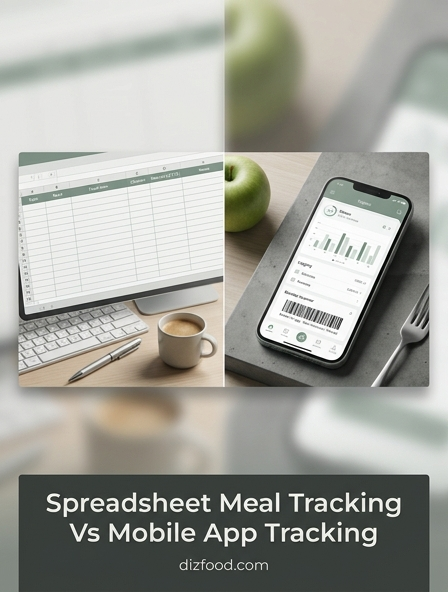
- Digital Meal Log: Keep a record of successful recipes and shopping lists to reuse in future weeks.
- Low-Energy Backup: Always keep ingredients for two "emergency meals" that require zero effort.
- Incremental Changes: Don't try to overhaul your entire diet in one week; add one new planning habit at a time.
- Review and Adjust: Spend five minutes at the end of the week assessing which meals were enjoyed and which were too difficult.
By simplifying the process and removing barriers to entry, you transform meal planning from a high-effort task into a subconscious background process. Consistency leads to better health, significant financial savings, and a much more harmonious relationship with your kitchen environment.

Comments