
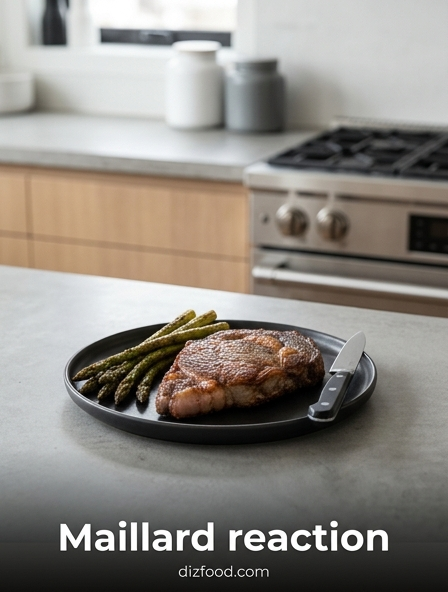
The Science of Maillard Browning
The Maillard reaction is a complex chemical process responsible for the distinct flavors and browned colors of cooked food. Named after French chemist Louis-Camille Maillard, who first described it in 1912, this reaction occurs between amino acids and reducing sugars when exposed to heat. Unlike simple browning from oxidation, the Maillard reaction creates hundreds of different flavor compounds, which further break down to form even more complex nuances. This process is essential in the preparation of everything from roasted coffee beans and toasted bread to seared steaks and fried dumplings.
The transformation is not a single reaction but a cascade of chemical events. It typically begins slowly at room temperature but accelerates significantly when heat is applied. The resulting melanoidins, which are brown-colored polymers, provide the visual cues that food is cooked. Because the reaction produces compounds such as pyrazines and alkylpyrazines, it is responsible for the "savory" or "roasty" scents that trigger human appetite. Understanding this science allows cooks to manipulate heat and ingredients to achieve specific culinary outcomes, ensuring that the depth of flavor matches the visual appeal of the dish.
Amino Acids and Reducing Sugars
The fundamental building blocks of the Maillard reaction are amino acids and reducing sugars. Amino acids are the components of proteins found in meat, dairy, and grains. Reducing sugars, such as glucose, fructose, and lactose, possess a free aldehyde or ketone group that allows them to act as reducing agents during the chemical process. When these two components meet under the influence of heat, they undergo a condensation reaction, forming a glycosylamine and initiating the browning sequence.
- Lysine: An amino acid particularly reactive in browning, often found in milk and meat.
- Glucose: A common simple sugar that reacts readily at standard cooking temperatures.
- Fructose: A fruit sugar that participates in browning but is also highly susceptible to caramelization.
- Lactose: The sugar in milk responsible for the golden crust on baked goods and browned butter.
The specific combination of amino acids and sugars present in a food item determines its final flavor profile. For example, the reaction in red meat involves different amino acids than those in crusty bread, leading to savory, meaty notes in the former and nutty, toasted notes in the latter. Without both components, the characteristic depth of flavor cannot be achieved.
Impact of Heat on Steak Surface
When a steak hits a hot pan, the immediate application of high thermal energy triggers a rapid transformation of the surface proteins. This impact of heat causes the muscle fibers to tighten and expel moisture, while simultaneously initiating the Maillard reaction. The surface temperature must rise quickly to bypass the boiling point of water, allowing the sugars and proteins to interact. As the steak browns, it develops a complex crust that acts as a reservoir of concentrated flavor, contrasting with the tender, juicy interior.
The intensity of the heat dictates the thickness and color of this crust. If the heat is too low, the steak will steam in its own juices, resulting in a gray, unappetizing exterior lacking in flavor. Conversely, excessively high heat can lead to carbonization before the internal temperature reaches the desired level. Achieving the perfect sear requires a balance where the surface reaches the threshold for browning-roughly 300°F (150°C)-without burning. This thermal impact is what creates the "meaty" aroma that is synonymous with a high-quality steak, providing both textural contrast and chemical complexity that defines the dining experience.
How Marinades Enhance Crust Development
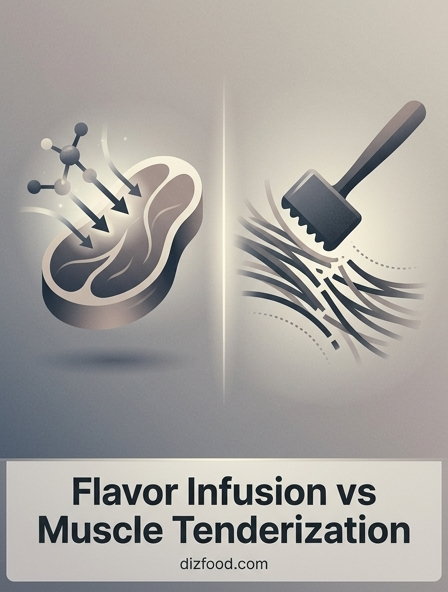
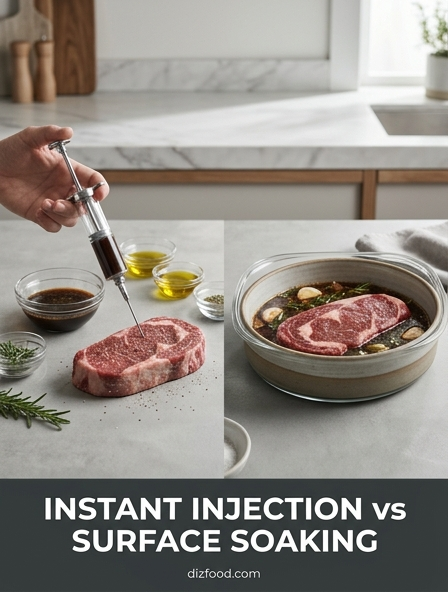
Marinades do more than just tenderize meat; they play a critical role in accelerating and enhancing the Maillard reaction. By introducing additional reducing sugars and amino acids to the surface of the food, marinades provide the necessary precursors for browning to occur more efficiently. Ingredients like soy sauce, honey, or balsamic vinegar are rich in the chemical components needed to jumpstart flavor development, often resulting in a darker, more aromatic crust than unmarinated proteins.
- Sugar Addition: Ingredients like maple syrup or brown sugar provide immediate fuel for browning reactions.
- Proteolysis: Acidic components or enzymes in marinades break down large proteins into smaller peptides and amino acids.
- Surface Coating: Oil-based marinades help distribute heat evenly across the uneven surface of the meat.
- Carbonization Control: Balancing sugar levels prevents the crust from turning bitter or burnt too quickly.
However, cooks must be cautious with the moisture content in marinades. Excessive liquid can lead to steaming rather than searing. Wiping away excess marinade before cooking ensures that the sugars can react with the proteins at high temperatures without being suppressed by the latent heat of evaporation from lingering water.
Managing Surface Moisture for Searing
Surface moisture is the primary enemy of the Maillard reaction. Before browning can begin, any water present on the surface of the food must evaporate. Because water boils at 212°F (100°C), and the Maillard reaction requires temperatures significantly higher-usually starting around 285°F (140°C)-the presence of moisture effectively caps the temperature of the food's surface. This energy is wasted on the phase change from liquid to steam rather than being used to fuel the chemical transformations required for a savory crust.
To manage this, professional chefs emphasize the importance of patting proteins dry with paper towels before they enter the pan. In some cases, air-drying meat in the refrigerator overnight can further reduce surface humidity, leading to a superior sear. Once the surface is dry, the heat from the pan can immediately begin the browning process. This results in a faster sear, which helps prevent the interior of the food from overcooking while the exterior develops its characteristic color and flavor. Proper moisture management ensures a crisp texture and a concentrated umami profile that defines high-level culinary execution.
Chemical Foundations of Savory Flavors
The savory flavors we associate with cooked foods are the result of specific volatile compounds produced during the Maillard reaction. As amino acids and sugars react, they form unstable intermediates that rearrange into various aromatic molecules. These molecules include pyrazines, which provide nutty and roasted notes, and thiophenes, which contribute meaty and savory characteristics. The complexity of these foundations is why "artificial" grilled flavors often pale in comparison to the real thing; the natural reaction produces a spectrum of thousands of compounds simultaneously.
| Compound Group | Aroma Profile | Common Source |
|---|---|---|
| Pyrazines | Roasted, Nutty | Coffee, Toasted Bread |
| Furans | Sweet, Caramel-like | Baked Goods |
| Thiophenes | Meaty, Savory | Roasted Beef |
| Pyrroles | Cereal-like, Toasty | Beer, Popcorn |
These compounds interact with our olfactory receptors to create the perception of "umami" and richness. The concentration of these molecules increases as the cooking time and temperature are optimized, creating the deep, lingering finish found in well-browned foods. Understanding these chemical foundations helps in selecting cooking methods that maximize flavor potential.
Optimal Temperatures for Maillard Reaction
The Maillard reaction is highly temperature-dependent, with the most active window occurring between 280°F (140°C) and 330°F (165°C). Below this range, the reaction proceeds too slowly to produce significant flavor or color within standard cooking times. While browning can technically happen at lower temperatures-as seen in the long-term aging of balsamic vinegar or black garlic-the high-heat environment of a stovetop or oven is what creates the rapid transformation we associate with searing and roasting.
If temperatures exceed 350°F (175°C), a different set of reactions begins to dominate, leading toward caramelization and eventually pyrolysis, or burning. Pyrolysis creates bitter, acrid compounds and black carbon, which can ruin the delicate balance of flavors. Therefore, maintaining the cooking surface within the optimal window is crucial. This is why preheating a pan is essential; it ensures that the food immediately enters the active temperature zone for the Maillard reaction. Using oils with high smoke points allows the cook to maintain these temperatures without the oil breaking down and introducing off-flavors, ensuring the resulting crust is both flavorful and aesthetically pleasing.
The Role of pH in Browning
The alkalinity or acidity of an environment significantly influences the speed and intensity of the Maillard reaction. Chemical reactions between amino acids and reducing sugars are inhibited in acidic conditions because the amino groups become protonated, making them less reactive. Conversely, an alkaline (basic) environment accelerates the reaction by encouraging the deprotonation of amino groups, allowing them to bond more easily with sugars. This explains why adding a small amount of baking soda to onions helps them caramelize and brown much faster than usual.
In the kitchen, this principle is applied in various ways to control the final outcome of a dish. For instance, pretzels are dipped in a lye or baking soda solution to achieve their deep mahogany color and distinct flavor. Similarly, some recipes for browning meat or making cookies suggest a pinch of baking soda to enhance the golden-brown finish. However, cooks must be careful, as a pH that is too high can lead to a soapy taste or an overly soft texture. Balancing pH is a powerful tool for any chef looking to master the art of the Maillard reaction and achieve consistent, high-quality results.
Maillard Reaction Versus Caramelization
While both Maillard browning and caramelization result in brown colors and complex flavors, they are distinct chemical processes. The Maillard reaction requires both proteins (amino acids) and sugars to occur. In contrast, caramelization is the pyrolysis of sugar alone. Caramelization happens at higher temperatures than the Maillard reaction, typically starting around 320°F (160°C) for sucrose. While the Maillard reaction produces savory, meaty, and toasted notes, caramelization produces sweet, nutty, and sometimes bitter flavors like those found in caramel sauce or flan.
In many culinary applications, these two processes happen simultaneously. For example, when roasting carrots or onions, the Maillard reaction occurs between the vegetable's proteins and sugars, while caramelization takes place as the natural sugars break down independently. Understanding the difference is vital for temperature control; if you want the savory complexity of Maillard browning without the bitterness of over-caramelized sugar, you must carefully monitor the heat. Caramelization is a simpler reaction in terms of ingredients but requires precise thermal management to avoid burning the sugars into a carbonized mess.
Techniques for a Perfect Umami Crust
Achieving a perfect umami crust requires the integration of heat management, surface preparation, and ingredient selection. One of the most effective techniques is using heavy-bottomed pans, such as cast iron or stainless steel, which retain heat better than thin aluminum. This prevents the pan's temperature from dropping significantly when the food is added, ensuring the Maillard reaction begins instantly. Additionally, selecting fats with high smoke points, like clarified butter (ghee) or avocado oil, allows for sustained high-temperature cooking without the introduction of burnt flavors from the fat itself.
- Dry Brining: Salting meat hours before cooking draws out moisture and allows it to reabsorb, seasoning the meat and drying the surface.
- Frequent Flipping: Contrary to old myths, flipping meat frequently can build a more even crust and cook the interior more uniformly.
- The Fond: Deglazing the brown bits left in the pan incorporates the concentrated Maillard products into a sauce.
- Resting: Allowing the food to rest ensures the juices redistribute, maintaining the integrity of the crust when sliced.
By combining these techniques with an understanding of the chemical foundations, a cook can consistently produce dishes with a professional-grade sear and deep, savory umami notes.

Comments