
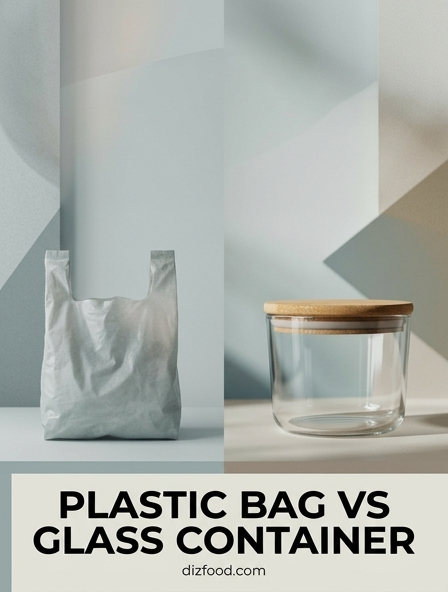
When it comes to preserving your leftovers and meal-prepped favorites, the battle between plastic bags and glass containers is about much more than just kitchen organization-it's about maximizing flavor and shelf life. While lightweight plastic bags offer temporary convenience and space-saving benefits, they often fall short in the long run due to oxygen permeability and chemical leaching. In contrast, glass containers provide a superior, non-porous barrier that effectively locks out moisture and air, preventing your produce from wilting and your proteins from spoiling prematurely. Understanding how these materials interact with your food is the key to reducing waste and ensuring every bite stays as crisp and nutritious as the day it was prepared.
| Feature | Plastic Storage Bags | Glass Food Containers |
|---|---|---|
| Seal Integrity | Pliable; prone to micro-leaks | Hermetic; airtight silicone seals |
| Oxygen Barrier | High permeability; speeds oxidation | Zero permeability; preserves nutrients |
| Flavor Retention | Absorbs and retains past odors | Non-porous; neutral scent and taste |
| Avg. Freshness Gain | 1-3 days (Short-term) | 5-10 days (Extended) |
| Chemical Safety | Risk of BPA/Phthalate leaching | Inert; 100% chemical-free storage |
| Durability/Waste | Single-use; high environmental impact | Multi-year lifespan; fully recyclable |
Environmental Impact of Plastic Bags vs Glass
The environmental footprint of kitchen storage is a tale of two extremes. Plastic bags, primarily made from low-density polyethylene (LDPE), are a significant contributor to global pollution. Because they are lightweight and often used only once, they frequently escape waste management systems, ending up in oceans and waterways. Once in the environment, they do not biodegrade; instead, they fragment into microplastics that infiltrate the food chain and persist for centuries. The production process also relies heavily on the extraction of fossil fuels, contributing to the depletion of non-renewable resources from the outset.
In contrast, glass is derived from abundant natural raw materials such as silica sand, soda ash, and limestone. While the extraction of these materials has its own ecological impact, glass is a non-toxic substance that does not release harmful chemicals into the soil or water. Its primary environmental advantage lies in its inert nature and its capacity for circularity. However, the heavy weight of glass increases the fuel required for transport, which is a factor often weighed against plastic's lighter shipping profile.
- Plastic Persistence: Can take up to 1,000 years to decompose in a landfill.
- Wildlife Hazard: Plastic bags are a leading cause of ingestion-related deaths in marine animals.
- Resource Depletion: Plastic production accounts for approximately 4% of global petroleum use.
- Glass Inertness: Does not leach toxins or break down into microplastics.
Health Benefits of Switching to Glass Containers
Switching to glass containers in the kitchen offers immediate health benefits by eliminating the risk of synthetic chemical exposure. Plastic containers and bags often contain stabilizers and plasticizers that can interfere with human biology. When glass is used, there is no risk of these substances migrating into food, regardless of the temperature or acidity of the contents. This makes glass the superior choice for reheating, storing hot leftovers, or marinating acidic foods like tomatoes or citrus-based dishes.
Furthermore, glass is non-porous, meaning it does not absorb odors, flavors, or colors from the food it holds. This hygiene factor ensures that bacteria are less likely to find harbor in microscopic scratches, which frequently occur in plastic over time. For individuals looking to reduce their total toxic load, glass provides a reliable, "clean" barrier that maintains the nutritional integrity of the meal.
- Chemical Neutrality: Glass does not contain BPA, BPS, or phthalates.
- Thermal Stability: Safely moves from freezer to microwave without releasing fumes.
- Superior Hygiene: Can be sterilized at high temperatures in a dishwasher.
- Allergen Safety: No residual proteins remain after a thorough wash, unlike scratched plastic.
Durability and Long Term Cost Comparison
When analyzing the cost of kitchen storage, consumers must distinguish between the initial purchase price and the total cost of ownership over several years. Plastic bags are deceptively cheap at the point of sale, but their single-use nature creates a recurring expense that accumulates indefinitely. Even "heavy-duty" plastic containers eventually warp, stain, or crack, requiring frequent replacement. Glass, while requiring a higher upfront investment, is designed to last for decades if handled with care.
The durability of glass means that a single set of containers can replace thousands of plastic bags over its lifetime. This longevity not only saves money in the long run but also reduces the time spent shopping for disposables. In a professional or high-use kitchen setting, the resilience of glass against scratches and heat damage ensures it remains functional and aesthetically pleasing far longer than any polymer-based alternative.
| Feature | Plastic Bags | Glass Containers |
|---|---|---|
| Initial Cost | Low | Moderate to High |
| Lifespan | Days to Months | Years to Decades |
| Resistance to Staining | Poor | Excellent |
| Total 5-Year Cost | High (due to replacement) | Low (one-time purchase) |
Plastic Chemical Leaching vs Inert Glass Safety
The primary concern with plastic in the kitchen is leaching-the process by which chemicals from the container migrate into the food. This process is significantly accelerated by heat, such as when microwaving leftovers or washing containers in a hot dishwasher. Common chemicals found in plastics, including Bisphenol A (BPA) and various phthalates, are known endocrine disruptors that can mimic hormones in the human body. Even "BPA-free" plastics often use replacement chemicals like BPS, which may carry similar health risks.
Glass is an inert material, meaning it does not react chemically with other substances. It is composed of natural minerals that are bound in a stable structure, ensuring that no matter how long food is stored or how much heat is applied, the chemical composition of the food remains unchanged. This makes glass the gold standard for food safety, particularly for vulnerable populations such as infants and pregnant women who are more sensitive to hormonal disruptions caused by environmental toxins.
- Leaching Triggers: Heat, UV light, and high acidity increase chemical migration in plastic.
- Endocrine Disruption: Phthalates can interfere with metabolic and reproductive health.
- Molecular Stability: Glass molecules are tightly bound and do not shed into contents.
- Regulatory Variance: Glass is universally recognized as safe (GRAS) by food authorities.
Food Preservation and Freshness Comparison
Maintaining the quality of food is a critical function of kitchen storage. Plastic bags are often permeable to oxygen and moisture over time, which can lead to faster spoilage or freezer burn. While they are convenient for wrapping, they do not provide a rigid barrier against physical compression, which can damage delicate produce. Furthermore, the porous nature of plastic allows odors to pass through, potentially tainting the flavor of other items in the refrigerator.
Glass containers, particularly those equipped with silicone-gasket lids, provide a superior airtight and watertight seal. This environment effectively slows down the oxidation process, keeping vegetables crisp and leftovers fresh for longer periods. Glass also excels in the freezer; its thick walls provide a thermal buffer that protects food from the fluctuating temperatures that cause ice crystal formation. Because glass does not absorb flavors, the "purity" of the food is preserved, ensuring that a spicy curry stored yesterday does not influence the taste of a fruit salad stored today.
- Oxidation Barrier: Glass is completely impermeable to oxygen.
- Moisture Control: Prevents dehydration of meats and wilting of greens.
- Freezer Performance: Reduces the incidence of freezer burn compared to thin bags.
- Infinite Recyclability: Glass never loses its structural integrity through recycling.
- Contamination Issues: Plastic recycling is easily ruined by food residue or mixed resins.
- Economic Value: Recycled glass has a steady market value; recycled plastic often does not.
- Mechanical Limitations: Plastic bags often tangles in recycling facility rollers, causing shutdowns.
- Weight Factor: Plastic is roughly 90% lighter than glass of the same volume.
- Space Efficiency: Plastic bags conform to the shape of the food and take up less room.
- Visual Clarity: Glass remains crystal clear, while plastic becomes cloudy over time.
- Stackability: Rigid glass containers allow for vertical storage that bags cannot support.
- Production Heat: Glass manufacturing is an energy-intensive industrial process.
- Logistics: Heavy glass increases the fuel consumption of delivery trucks.
- Methane/CO2: Plastic disposal can contribute to greenhouse gas emissions if incinerated.
- Recycling Savings: Every 10% increase in recycled glass reduces carbon emissions by 5%.
- Canning Jars: Highly versatile for both liquid and dry storage.
- Repurposed Glass: The most sustainable option as it requires no new production energy.
- Stackable Glass Sets: Optimizes refrigerator space while maintaining visibility.
- Hybrid Approach: Using glass for home storage and silicone or cloth for portability.
-
Recycling Challenges for Plastic and Glass
The end-of-life stage reveals a stark difference in the recyclability of these two materials. Plastic is notoriously difficult to recycle due to the variety of resins used and the degradation of polymer chains during processing. Most plastic bags are not accepted in curbside recycling bins because they clog sorting machinery; they are often "downcycled" into lower-quality products like park benches or plastic lumber, which eventually end up in a landfill anyway. Only a tiny fraction of plastic bags ever see a second life.
Glass, on the other hand, is 100% recyclable and can be recycled infinitely without loss in quality or purity. A glass jar can be melted down and turned back into a glass jar repeatedly. While the energy required to melt glass is high, using "cullet" (crushed recycled glass) lowers the furnace temperature and saves energy compared to making glass from virgin materials. The infrastructure for glass recycling is well-established in many regions, making it a more viable component of a circular economy.
Sustainability Metrics of Single Use versus Reusable
Assessing the sustainability of kitchen items requires looking at the Life Cycle Assessment (LCA). Plastic bags have a very low initial "cost" in terms of energy and water used for production because they are so thin. However, their sustainability metric collapses because they are used for such a short duration. When a single glass container is reused hundreds or thousands of times, its "per-use" environmental impact eventually drops below that of a series of single-use plastic bags. This is the "break-even point" of reusables.
The goal of a sustainable kitchen is to minimize the total throughput of materials. By investing in glass, a household drastically reduces its waste volume. While the carbon footprint of manufacturing a glass jar is significantly higher than a plastic bag, the long-term diversion of waste from landfills and oceans makes it the more sustainable choice for permanent storage. Sustainability is measured not just in carbon, but in the prevention of long-term ecological toxicity.
| Metric | Single-Use Plastic | Reusable Glass |
|---|---|---|
| Manufacturing Energy | Low (per unit) | High (per unit) |
| Waste Generation | High (continuous) | Negligible |
| Resource Type | Petroleum (Finite) | Sand (Abundant) |
| End-of-Life | Landfill/Pollution | Circular Recycling |
Convenience and Portability in Modern Storage
While glass wins on health and environment, plastic bags hold a significant advantage in convenience and portability. In a fast-paced modern lifestyle, the lightweight and flexible nature of plastic bags makes them ideal for packing school lunches or snacks for travel. They take up almost zero space when empty and can be tucked into pockets or small bags. For many, the fear of glass breaking makes it a less attractive option for children or for use in outdoor environments like parks or pools.
However, glass container design has evolved to bridge this gap. Modern tempered glass is significantly more resistant to impact than older varieties, and silicone sleeves have been introduced to provide grip and shock absorption. While glass will always be heavier than plastic, many users find the trade-off acceptable given the improved food quality. For home organization, the transparency and stackability of glass containers allow for a more organized pantry and refrigerator, making it easier to see what needs to be eaten before it spoils.
The Carbon Footprint of Production and Disposal
The carbon footprint of kitchen storage is split between the energy used to create the product and the emissions generated during its transport and eventual disposal. Producing glass requires temperatures of up to 1500°C, which is currently achieved largely through the combustion of natural gas. This makes the initial carbon investment in a glass jar quite high. Furthermore, because glass is heavy, shipping it from the factory to the consumer generates more CO2 emissions per unit than shipping lightweight plastic bags.
Disposal also contributes to the footprint. When plastic bags are incinerated, they release carbon and potentially toxic chemicals into the atmosphere. When buried in landfills, they contribute to the long-term "plastic soup" of the environment. Glass, while energy-intensive to recycle, saves about 30% of the energy compared to making new glass from scratch. To truly minimize carbon impact, the best strategy is to maximize the life of every glass container, ensuring the "embedded carbon" is spread over many years of service.
Best Storage Solutions for a Zero Waste Kitchen
Transitioning to a zero-waste kitchen involves more than just swapping plastic bags for glass jars; it requires a strategic approach to how different foods are stored. Glass jars, particularly repurposed ones from pasta sauce or pickles, are the backbone of a zero-waste pantry. They are perfect for bulk-buying dry goods like grains, beans, and nuts. For the refrigerator, glass containers with snap-lock lids are ideal for keeping meal-prepped dishes fresh and ready to reheat safely.
To complement glass, other sustainable tools can fill the gaps where glass might be too heavy or rigid. For example, beeswax wraps can replace plastic cling film for covering bowls or wrapping cheese, while silicone bags offer a lightweight, unbreakable alternative for on-the-go snacking. By combining these materials, a household can eliminate almost all single-use plastics without sacrificing the functionality required for modern food management. The goal is a versatile kit that prioritizes durability and safety.

Comments