
Understanding Oxygen Permeability in Kitchen Storage
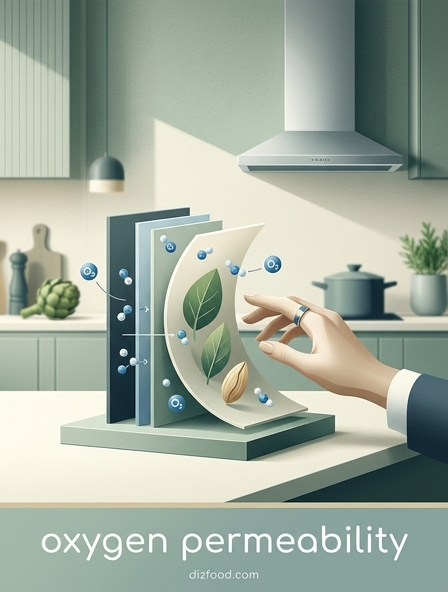
Oxygen permeability refers to the specific rate at which oxygen gas migrates through a solid material, such as plastic films, silicone lids, or tempered glass. In the culinary world, this physical property is quantified as the Oxygen Transmission Rate (OTR). Every storage medium possesses a unique molecular matrix that determines how easily oxygen molecules can slip through gaps in the polymer chains. For instance, common low-density polyethylene (LDPE) wraps exhibit high permeability, making them unsuitable for long-term preservation, while specialized multi-layer films are designed to be nearly impermeable.
The movement of oxygen is driven by partial pressure differences between the interior of a container and the external environment. High-OTR materials allow oxygen to permeate into the storage space, facilitating chemical reactions that lead to spoilage. Conversely, glass and stainless steel provide absolute barriers because their crystalline and metallic structures are too dense for gas molecules to penetrate. Selecting the appropriate material requires balancing cost, flexibility, and the specific OTR required to keep the contents stable against atmospheric exposure during refrigeration or pantry storage.
The Role of Oxygen in Marination Efficiency
Oxygen permeability plays a subtle yet critical role in how marinades interact with proteins and vegetables. When marinating in a highly permeable container or a loose bowl, the constant influx of oxygen can lead to the premature oxidation of fats and volatile aromatics within the marinade itself. This process can alter the intended flavor profile before the liquid has even penetrated the surface of the food. In an anaerobic or low-oxygen environment, such as a vacuum-sealed bag with a low OTR, the focus remains entirely on the osmotic exchange between the brine and the ingredient fibers.
Furthermore, oxygen presence can influence the texture of marinated meats. Prolonged exposure to air during a long soak can lead to surface drying or the development of off-flavors in fat-heavy marinades, such as those containing olive oil or sesame oil. By controlling permeability, chefs ensure that the chemical energy of the marinade is spent breaking down connective tissues and infusing spices rather than reacting with atmospheric gases. This results in a more consistent, vibrant, and deep-reaching flavor profile compared to open-air marination techniques.
How Oxidation Affects Food Nutrient Density
The nutritional profile of kitchen ingredients is highly susceptible to oxygen-induced degradation. When oxygen permeates a storage vessel, it triggers oxidative stress in biological tissues, leading to the destruction of essential vitamins and antioxidants. Water-soluble vitamins, particularly Vitamin C (ascorbic acid), are notoriously sensitive; they react quickly with oxygen to form dehydroascorbic acid, effectively stripping the food of its health benefits. Fat-soluble vitamins, such as A and E, also succumb to oxidation, which can render them biologically inactive.
Beyond vitamins, the oxidation of lipids is a primary concern for nutrient density. When oxygen interacts with unsaturated fatty acids, it creates free radicals and hydroperoxides. This not only causes the food to taste rancid but also converts beneficial omega-3 and omega-6 fatty acids into compounds that no longer support cardiovascular or cognitive health. Maintaining a low-permeability environment is therefore not just about preserving taste, but about locking in the molecular integrity of the nutrients that define a healthy diet, ensuring that fresh produce and oils retain their original biological value.
Oxygen Barrier Materials for Extended Shelf Life
Different materials offer varying levels of protection against gas transmission. When selecting storage solutions, understanding the performance hierarchy of these barriers is essential for maximizing shelf life. High-performance barriers are categorized by their ability to block oxygen molecules at the molecular level, often utilizing dense crystalline structures or metallic coatings to prevent ingress.
| Material Type | Oxygen Barrier Rating | Primary Kitchen Application |
|---|---|---|
| Glass / Stainless Steel | Absolute (Zero OTR) | Canning and long-term dry storage |
| EVOH (Ethylene Vinyl Alcohol) | High Barrier | Professional vacuum seal bags |
| HDPE (High-Density Polyethylene) | Moderate Barrier | Rigid plastic containers |
| LDPE (Low-Density Polyethylene) | Low Barrier | Single-use sandwich bags and wraps |
While glass and metal offer the best protection, they lack the flexibility required for certain tasks. Consequently, the food industry relies on co-extruded plastics that layer high-barrier materials like EVOH between more durable layers to achieve a balance of flexibility and low oxygen transmission.
Impacts of Air Exposure on Marinating Proteins
Proteins undergo significant biochemical changes when exposed to oxygen during the marination process. The most visible impact is the oxidation of myoglobin, the protein responsible for the red pigment in meat. When oxygen permeability is high, myoglobin converts to metmyoglobin, causing the meat to turn from a vibrant red to a dull, unappetizing brown. While this does not always indicate spoilage, it suggests that the chemical environment of the marinade is being compromised by atmospheric gases.
On a structural level, oxygen exposure can lead to the oxidation of protein thiols, which may affect the water-holding capacity of the muscle fibers. This results in a tougher, drier texture once the meat is cooked. Furthermore, the presence of oxygen encourages the growth of aerobic bacteria, which can compete with the marinade's acids or salts, potentially leading to faster spoilage. By using low-permeability storage or vacuum sealing, chefs can maintain the "bloom" of the meat and ensure that the marination process remains focused on tenderization and flavor infusion rather than atmospheric degradation.
Reducing Enzymatic Browning Through Permeability Control
Enzymatic browning is a major challenge when preparing fruits and vegetables like apples, potatoes, and avocados. This reaction occurs when polyphenol oxidase (PPO) enzymes in the plant tissue react with oxygen. By controlling oxygen permeability at the storage level, this process can be significantly slowed. When a sliced ingredient is placed in a high-barrier container or covered with a low-OTR film, the available oxygen is quickly consumed, and the lack of replacement oxygen halts the PPO reaction.
Strategies for controlling this include:
- Submerging cut produce in water to create a liquid barrier that has lower oxygen solubility than air.
- Using tight-fitting silicone stretches or glass containers that eliminate gas exchange.
- Employing vacuum sealers to remove the headspace entirely, leaving no oxygen for the enzymes to utilize.
While chilling ingredients slows the rate of the enzyme's activity, it is the exclusion of oxygen that provides the most effective long-term defense against browning. Effective permeability control ensures that prepped ingredients remain visually appealing and fresh for service hours or days later.
Preservation Science for Fresh Kitchen Ingredients
Fresh ingredients, particularly leafy greens and berries, are living tissues that continue to respire after harvest. This means they consume oxygen and release carbon dioxide and water vapor. Preservation science requires a delicate balance of oxygen permeability; if a container is completely impermeable, the produce may switch to anaerobic respiration, leading to fermentation and off-odors. However, if the permeability is too high, the produce will dehydrate and oxidize rapidly.
Modified Atmosphere Packaging (MAP) is the professional approach to this problem, where films are engineered with specific OTRs to match the respiration rate of the specific produce. In a home kitchen, this is often mimicked by using perforated bags or breathable containers for greens. The goal is to maintain a low-oxygen environment (typically 1-5%) which is enough to sustain cell life but low enough to slow the aging process. Mastering the science of permeability allows for the extension of "crispness" and the delay of senescence, ensuring that fresh ingredients maintain their garden-fresh quality for significantly longer periods.
Vacuum Sealing and Oxygen Transfer Rates
Vacuum sealing is often viewed as the ultimate solution for food preservation, but its effectiveness is heavily dependent on the oxygen transfer rate of the bags used. Removing air with a vacuum machine creates a negative pressure environment, but if the plastic film is highly permeable, oxygen will eventually seep back into the bag through the material itself. This is why professional-grade vacuum bags are often composed of multiple layers, including a nylon or EVOH core that acts as a gas barrier.
The thickness of the film, measured in microns or mils, also influences the transmission rate. Thicker films generally provide a more robust path that oxygen molecules must navigate, slowing down the ingress. However, even the best plastic films have a measurable OTR, unlike glass jars which have an OTR of zero. For items intended for multi-year freezer storage, the selection of a very low-OTR bag is crucial to prevent freezer burn-which is essentially a combination of dehydration and oxidation. Understanding that a vacuum seal is only as good as the material's barrier properties is key to successful long-term kitchen storage.
Flavor Integrity and Oxygen Transmission in Storage
Flavor integrity is highly dependent on the stability of volatile organic compounds (VOCs). These compounds are responsible for the complex aromas and tastes of spices, coffee, and oils. Oxygen transmission is the primary enemy of these volatiles. When oxygen permeates a storage vessel, it can cause "flavor scalping," where the aromas are absorbed into the plastic or react with oxygen to form flavorless or unpleasant-tasting oxides. This is particularly noticeable in ground coffee, where oxygen exposure leads to the loss of delicate floral and acidic notes within hours.
Furthermore, oxygen can cause the oxidation of essential oils in herbs and spices, leading to a "hay-like" or stale flavor. To maintain flavor integrity, ingredients should be stored in materials with the lowest possible oxygen transmission rates. Glass and metal are the gold standards for spices and coffee because they prevent any exchange of gases. When using plastics, choosing containers with airtight gaskets and low-OTR walls ensures that the chemical composition of the food's flavor remains exactly as intended from the moment it was harvested or processed.
Best Practices for Minimizing Food Oxidation
Minimizing food oxidation in the kitchen requires a combination of proper material selection and strategic storage techniques. By reducing the exposure of food to oxygen, you can significantly extend the freshness and nutritional value of your ingredients. Implementing a few scientifically-backed habits can make a dramatic difference in the quality of both raw and cooked items.
- Minimize Headspace: Always choose a container that closely fits the volume of the food to reduce the amount of trapped air.
- Use Absolute Barriers: For long-term storage of dry goods or liquids, utilize glass jars with rubber seals or stainless steel canisters.
- Temperature Control: Keep oxygen-sensitive items in the back of the refrigerator, as lower temperatures slow down the rate of oxidative chemical reactions.
- Blanching: Briefly boil vegetables before freezing to deactivate the enzymes that react with oxygen.
- Submersion: For prep items like potatoes or sliced apples, store them submerged in water to provide an immediate physical barrier to atmospheric oxygen.
By focusing on these practices, the impact of oxygen permeability is minimized, ensuring that flavors remain sharp and nutrients stay intact.


Comments