

The Science of pH in Culinary Arts
In the culinary world, pH serves as a fundamental metric for measuring the acidity or alkalinity of ingredients. The pH scale ranges from 0 to 14, where 7 is neutral. Ingredients below 7 are acidic, while those above are alkaline. Understanding this scale is essential for chefs because it influences flavor perception, color retention, and chemical transformations during cooking. For instance, the vibrancy of green vegetables is often lost in acidic environments, whereas red pigments in cabbage are stabilized. By manipulating pH levels, cooks can alter the molecular structure of foods to achieve desired outcomes in both professional and domestic kitchens.
Most common kitchen ingredients lean toward the acidic side of the scale, providing the necessary "brightness" required to cut through fat and salt. Conversely, alkaline ingredients like baking soda are used sparingly to promote browning or change texture. Identifying where common items fall on the spectrum allows for better precision in recipe development and troubleshooting.
- Lemon Juice: pH 2.0 - 2.5 (Strong Acid)
- Distilled White Vinegar: pH 2.4 - 2.6 (Strong Acid)
- Plain Yogurt: pH 4.0 - 4.6 (Moderate Acid)
- Pure Water: pH 7.0 (Neutral)
- Baking Soda: pH 8.3 - 9.0 (Alkaline)
Acidity and Meat Tenderization Explained
Acidity plays a pivotal role in the physical transformation of meat proteins. When meat is exposed to an acidic medium, the low pH environment begins to denature the tightly coiled protein strands. This process, known as proteolysis, involves the partial unwinding of proteins, which allows the meat to hold more moisture initially and feel softer to the palate. However, the duration of exposure is critical; over-marinating in high-acid solutions can lead to a mushy texture or, conversely, a toughened surface as proteins eventually bond too tightly together and squeeze out moisture.
Beyond protein denaturation, acids also help in breaking down connective tissues, such as collagen, over long periods. While heat is the primary driver for collagen conversion into gelatin, a pre-soak in an acidic base can accelerate the softening of tough muscular fibers. This dual action of protein relaxation and connective tissue weakening makes pH control an indispensable tool for preparing tougher cuts of beef or poultry.
- Acid weakens the chemical bonds holding protein chains together.
- Protein strands begin to unwind and expand, creating space for water.
- Prolonged exposure breaks down surface connective tissues.
- The muscle fibers eventually lose structural integrity, resulting in tenderness.
Balancing Sour and Savory Flavor Profiles
The interaction between acidity and savoriness, often referred to as umami, is a cornerstone of flavor theory. Acid acts as a high-frequency note that provides contrast to the heavy, grounded flavors of fats and proteins. When a dish tastes "flat," it is often because the pH level is too high, failing to stimulate the salivary glands. Introducing a splash of lime or a drop of vinegar lowers the pH, which sharpens the flavor profile and highlights the inherent savory characteristics of the ingredients. This balance is not about making a dish sour, but about using acidity to provide clarity and depth to the existing savory elements.
| Savory Base | Acidic Counterpart | Culinary Effect |
|---|---|---|
| Braised Short Ribs | Red Wine Vinegar | Cuts through heavy fat |
| Grilled Salmon | Fresh Lemon Juice | Brightens natural oils |
| Mushroom Risotto | Dry White Wine | Balances earthy umami |
| Lentil Stew | Apple Cider Vinegar | Enhances vegetal depth |
Mastering this equilibrium requires incremental adjustments. Even a minor shift in pH can transform a muted sauce into a vibrant, multi-dimensional component that dances across the palate.
pH Levels and Microbial Growth Inhibition
The control of pH is perhaps the most critical factor in food microbiology and kitchen safety. Most pathogenic bacteria, such as Clostridium botulinum and Salmonella, thrive in low-acid environments where the pH is between 4.6 and 7.0. By lowering the pH of a food product to below 4.6-a process known as acidification-chefs and food scientists can effectively inhibit the growth and reproduction of these harmful microbes. This is why vinegar-based pickling and the fermentation of lactic acid are historic staples of food preservation.
In a commercial kitchen, maintaining specific pH levels is often a regulatory requirement for safety protocols. When ingredients are held in the "danger zone" of temperature, the acidity serves as a secondary barrier to spoilage. Understanding the "hurdle technology" concept, where pH is one of several barriers against pathogens, ensures that food remains safe for consumption over longer periods without relying solely on refrigeration.
- pH < 4.6: Critical limit for preventing botulism in canned goods.
- pH 4.0 - 5.0: Inhibits most common spoilage bacteria.
- pH > 7.0: Rare in food; often promotes rapid bacterial decay.
Role of Citrus and Vinegars in Marinades
Citrus juices and vinegars are the primary tools used to manipulate pH in marinades, each bringing unique chemical properties to the kitchen. Citrus fruits like lemons, limes, and oranges contain citric acid, which is a weak organic acid that provides a fresh, fruity aroma alongside its acidic punch. Vinegars, produced through the fermentation of ethanol by acetic acid bacteria, contain acetic acid. Acetic acid is generally more pungent and shelf-stable, making it the preferred choice for long-term marination and pickling. The choice between these two depends on the desired flavor profile and the required intensity of the acid-driven reaction.
While both lower the pH of the meat surface, they also act as flavor carriers for fat-soluble aromatics like herbs and spices. Because the acid partially opens the protein structure, it allows these secondary flavors to penetrate deeper into the outer layers of the food. The result is a more seasoned and succulent product that benefits from both the chemical softening of the acid and the aromatic infusion of the marinade base.
- Acetic Acid: Found in vinegars; provides sharp, lingering acidity.
- Citric Acid: Found in citrus; offers bright, volatile aromatics.
- Malic Acid: Found in apples and grapes; provides a rounded tartness.
- Lactic Acid: Found in dairy; offers a gentle, creamy acidity.
Chemical Reactions During the Marinating Process
The marinating process is an exercise in applied chemistry, primarily revolving around osmosis and protein denaturation. When an acidic marinade is applied to food, the high concentration of hydrogen ions begins to interact with the amino acid side chains of proteins. This interaction disrupts the hydrogen bonds that maintain the protein's secondary and tertiary structures. As these structures unfold, the meat's texture changes, and its ability to hold water is altered. This is why a short marination can lead to juicier meat, while an excessively long one causes the proteins to collapse and expel moisture, resulting in a dry, stringy texture.
Furthermore, if salt is present in the marinade, it works in tandem with the acid. While the acid denatures the proteins, the salt dissolves a portion of the muscle filaments, specifically myosin. This synergistic effect allows the marinade to hydrate the fibers more effectively. Understanding these molecular shifts allows cooks to time their marinades perfectly, ensuring the chemical reactions work in favor of the dish rather than against its structural integrity.
Enhancing Food Safety Through Acidification
Acidification is a deliberate process used to increase the shelf life and safety of food products. By adding acids like vinegar, lemon juice, or citric acid powder, the pH of a food item is lowered to a point where biological activity is minimized. This is particularly vital in the production of shelf-stable sauces, salsas, and preserved vegetables. For a product to be considered "acidified food" under food safety guidelines, the equilibrium pH must be 4.6 or below throughout the entire product. This ensures that even the interior of solid chunks of food has reached a safe acidity level.
| Method | Primary Acid Source | Common Application |
|---|---|---|
| Quick Pickling | Acetic Acid (Vinegar) | Red Onions, Cucumbers |
| Fermentation | Lactic Acid (Natural) | Sauerkraut, Kimchi |
| Direct Acidification | Citric Acid Powder | Canned Tomatoes, Jams |
| Curing | Various Acids/Salts | Dry-Aged Meats |
By monitoring pH levels with strips or digital meters, cooks can guarantee that their preservation methods are scientifically sound, preventing the growth of invisible but dangerous toxins.
Impact of pH on Texture and Mouthfeel
The pH level of a cooking medium drastically alters the texture of plant-based foods. In vegetables, the cell walls are held together by pectin. In an acidic environment (low pH), pectin remains stable and firm, which is why adding vinegar to boiling potatoes helps them hold their shape for salad. Conversely, in an alkaline environment (high pH), pectin breaks down rapidly, causing vegetables to become mushy and lose their structural integrity almost instantly. This is frequently observed when baking soda is added to the water when boiling legumes; the higher pH softens the tough skins much faster than neutral water would.
Mouthfeel is also affected in sauces and emulsions. Acid helps to "cut" the heaviness of fats, making a rich hollandaise or mayonnaise feel lighter on the tongue. Without that acidic component to lower the pH, the fat molecules tend to coat the palate too thickly, leading to a greasy sensation. Mastering pH allows a chef to control exactly how a diner perceives the weight and resistance of every bite.
The Connection Between pH and Preservation
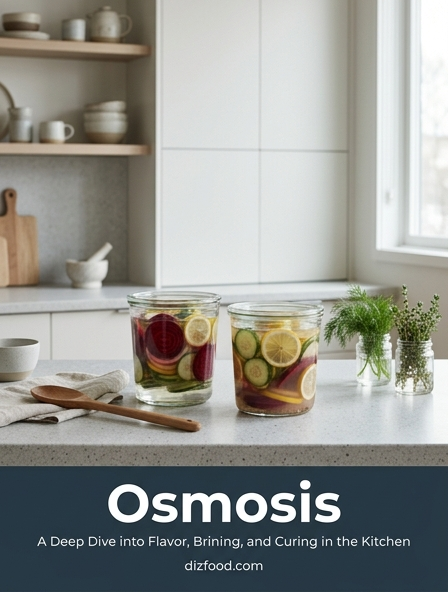
Preservation is the art of manipulating the environment to favor beneficial processes over decay, and pH is the primary lever for this control. Throughout history, lowering pH has been the most reliable way to store food without modern refrigeration. When the pH is dropped, the environment becomes hostile to the enzymes that cause browning and softening, as well as the microbes that cause rot. This is clearly seen in the difference between a fresh cucumber, which lasts days, and a pickled cucumber, which lasts months. The vinegar bath lowers the pH, effectively "locking" the vegetable in a preserved state.
Beyond safety, pH-driven preservation develops complex flavors through secondary reactions. In fermented foods, as the pH drops due to the production of lactic acid, the flavor profile shifts from sweet and fresh to tangy and complex. This transformation demonstrates that pH control is not just a safety necessity, but a culinary technique for creating entirely new categories of ingredients that provide depth to modern cooking.
- Low pH prevents enzymatic browning in sliced fruits.
- Acidification stops the breakdown of vitamins during storage.
- High acidity creates a barrier against aerobic and anaerobic spoilage.
Mastering Flavor Equilibrium with Acidic Bases
The final stage of professional cooking often involves "seasoning to taste," which refers as much to acid as it does to salt. Mastering flavor equilibrium means recognizing when a dish is missing the brightness that only a low pH component can provide. Whether it is a squeeze of lemon over grilled fish or a teaspoon of sherry vinegar in a rich soup, these acidic bases act as flavor enhancers. They don't just add a sour taste; they lower the overall pH of the dish, which in turn changes the way our taste receptors perceive other molecules. A perfectly balanced dish will have enough acidity to stimulate the tongue without overwhelming the other primary tastes.
In sauce-making, the acidic base is often reduced to concentrate both flavor and acidity. This concentration allows for a more significant impact on the final dish's pH with a smaller volume of liquid. By understanding the chemical potency of different acidic bases, a chef can fine-tune the equilibrium of a dish with surgical precision.
- Taste the dish to identify "flat" or heavy notes.
- Add an acidic base incrementally (citrus, vinegar, or wine).
- Re-taste to check for increased flavor clarity.
- Adjust salt and fat to round out the new pH level.


Comments