
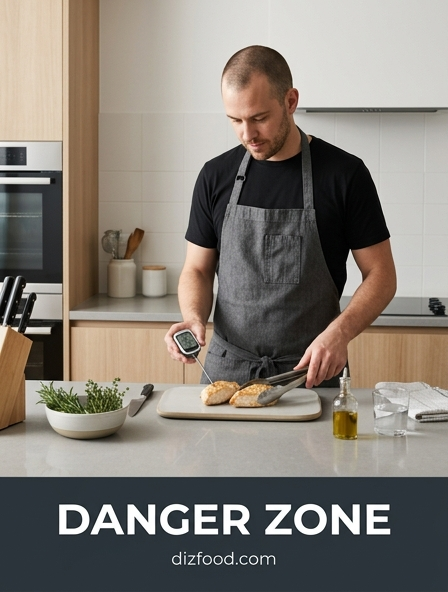
Understanding the Meat Temperature Danger Zone
The "Danger Zone" is a critical concept in food safety, referring specifically to the temperature range between 40°F and 140°F (4°C to 60°C). Within this window, bacteria such as Salmonella, Escherichia coli, and Campylobacter can grow at an alarming rate, often doubling in population every twenty minutes. This rapid proliferation increases the risk of foodborne illnesses significantly when raw meat is left unattended. Maintaining meat temperatures outside of this zone is the primary defense against kitchen-related health hazards.
- Cold Storage: Keep refrigerated items at or below 40°F.
- Hot Holding: Maintain cooked foods at or above 140°F.
- Rapid Cooling: Move leftovers through the danger zone as quickly as possible.
Kitchen environments are often warmer than standard room temperatures due to appliances, which can accelerate bacterial growth. Understanding these boundaries ensures that home cooks take the necessary precautions when handling proteins. It is not merely the presence of bacteria that causes illness, but the density of pathogens that develops when meat lingers in the danger zone for extended periods without thermal intervention.
Proper Refrigeration During the Marinating Process
Effective marination requires more than just a flavorful liquid; it demands strict adherence to refrigeration standards to ensure the meat remains safe for consumption. Meat should always be placed in the coldest part of the refrigerator, typically the bottom shelf, to maintain a consistent temperature below 40°F. This placement also serves a secondary safety purpose: it prevents any potential leaks from the marinating container from dripping onto ready-to-eat foods or fresh produce located on lower shelves.
When placing meat in the refrigerator to marinate, it is essential to ensure that the air can circulate freely around the container. Overcrowding the refrigerator can lead to warm pockets where the temperature may creep into the danger zone. Furthermore, the refrigerator door should remain closed as much as possible to maintain a steady thermal environment. Utilizing a dedicated refrigerator thermometer is a professional best practice to verify that the appliance is operating within the safe zone, especially when marinating large quantities of meat for extended periods or hosting events where the fridge is accessed frequently.
Why Room Temperature Marinating is Unsafe
A common culinary myth suggests that leaving meat on the counter to marinate allows flavors to penetrate deeper and faster. However, from a food safety perspective, this practice is incredibly dangerous. As meat sits at room temperature, the surface temperature quickly rises into the danger zone, providing the ideal environment for pathogens to thrive. Even if the interior of the meat remains cool for a short time, the exterior-where the marinade is applied-becomes a breeding ground for bacteria that can lead to severe food poisoning.
Some cooks believe that high levels of acid, such as lemon juice or vinegar, or high salt content in a marinade will kill off any bacteria. This is a false assumption. While acidic environments can inhibit some growth, they do not sterilize the meat or provide a substitute for refrigeration. The time spent on the counter contributes to the cumulative time meat spends in the danger zone. Once the two-hour threshold is crossed, the bacterial load may reach levels that are not fully neutralized by subsequent cooking, particularly if the meat is prepared medium-rare or rare. Always choose the refrigerator over the countertop.
Maximum Time Limits for Safe Marination
Time management is the cornerstone of kitchen safety, especially when dealing with raw proteins and the danger zone. The general rule of thumb is that food should never be in the danger zone for more than two hours. When marinating in the refrigerator, different meats have varying maximum durations for both safety and quality. While some meats can withstand long marination, others may degrade in texture or become a safety concern if left too long.
| Meat Type | Recommended Time | Maximum Safe Time |
|---|---|---|
| Seafood | 15-30 Minutes | 1 Hour |
| Poultry | 2-6 Hours | 24 Hours |
| Pork & Beef | 4-12 Hours | 48 Hours |
Exceeding these maximum limits does not only affect the tenderness of the meat but can also increase the risk of spoilage. Even under refrigeration, slow-growing bacteria can eventually compromise the food. If you find that you cannot cook the marinated meat within these windows, it is safer to move the item to the freezer, though the texture may change upon thawing due to the marinade's chemical interactions.
Selecting Food Safe Non-Reactive Containers
The choice of container is a vital but often overlooked aspect of safe marinating. Marinades are typically acidic, containing ingredients like wine, citrus, or vinegar. These acids can react with certain metals, such as aluminum, copper, and unlined cast iron. When a reaction occurs, the metal can leach into the food, imparting a metallic taste and potentially causing chemical contamination that is hazardous to health. Therefore, non-reactive materials are the only safe choice for marinating.
- Glass: The best choice as it is completely non-reactive and easy to sanitize.
- Stainless Steel: A safe metal option that does not react with acidic ingredients.
- Food-Grade Plastic: Useful for large batches, provided the plastic is BPA-free and rated for food use.
- Resealable Bags: Excellent for ensuring total coverage and minimizing cleanup, but must be disposed of after one use.
Always ensure that the container is tightly sealed to prevent the marinade from absorbing other odors in the refrigerator and to prevent the meat from contaminating other items. If using plastic containers, inspect them for deep scratches where bacteria can hide even after washing.
Preventing Cross-Contamination in Your Kitchen
Cross-contamination occurs when bacteria are transferred from raw meat or its juices to other foods, surfaces, or utensils. This is a primary cause of foodborne illness in the home kitchen. To prevent this, strict separation must be maintained. When preparing a marinade, always wash your hands thoroughly with soap and warm water before and after handling raw meat. Use dedicated cutting boards for meat-ideally plastic or composite boards that can be sanitized in a dishwasher-rather than porous wood.
Furthermore, any surfaces that come into contact with the raw meat or the marinade container should be cleaned and sanitized immediately. This includes countertops, sink handles, and the exterior of spice jars. If you use a brush to apply marinade while the meat is still raw, that brush must be cleaned before it touches the meat again once it is cooked. It is also wise to keep a "clean hand" and a "dirty hand" during the preparation process to minimize the number of surfaces touched by raw proteins, thereby creating a safer and more organized workflow within the kitchen environment.
The Dangers of Reusing Raw Meat Marinades
A frequent error in the kitchen is the reuse of marinade that has been in contact with raw meat. Once the meat is placed in the liquid, the marinade is considered contaminated with whatever pathogens were present on the raw protein. Using this liquid as a finishing sauce or for basting cooked meat can reintroduce live bacteria to the food just before serving, negating the safety benefits of the cooking process. To avoid this danger, follow a strict protocol for handling leftover liquids.
- Reserve a portion of the marinade in a separate container before adding the raw meat.
- If you must reuse used marinade, it must be brought to a rolling boil for several minutes.
- Discard any marinade that has sat at room temperature for more than two hours.
The boiling process must reach a temperature high enough to destroy pathogens, but this can often alter the flavor and texture of the sauce, making it less desirable. The safest and most effective method is simply to plan ahead and set aside a clean portion of the marinade for serving or basting later in the cooking process.
Maintaining Consistent Refrigerator Temperatures
To keep meat out of the danger zone, your refrigerator must maintain a consistent temperature, but several factors can cause fluctuations. The temperature inside a fridge is not uniform; for example, the door shelves are often significantly warmer than the back of the unit. For marinating meat, avoid using door storage. Additionally, frequent opening of the door allows cold air to escape and warm air to enter, which can temporarily push the internal environment into the danger zone.
Another factor is the volume of items stored within the appliance. A packed refrigerator restricts airflow, leading to "hot spots" where food may spoil faster. Conversely, a completely empty refrigerator can lose its temperature more quickly when the door is opened. To ensure safety, keep the refrigerator about three-quarters full and check the seals on the door periodically to ensure they are airtight. If your refrigerator does not have a built-in digital display, placing a standalone thermometer on the middle shelf provides an accurate reading, allowing you to adjust the settings to maintain the required 37°F to 40°F range for optimal safety.
Safe Procedures for Marinating Frozen Meat
Marinating frozen meat can be a time-saving technique, but it must be done with careful attention to thawing safety. You should never marinate frozen meat on the kitchen counter, as the exterior of the meat will thaw and enter the danger zone long before the center is ready. The only safe way to marinate and thaw simultaneously is within the refrigerator. As the meat thaws, it begins to absorb the flavors of the marinade while staying at a safe, controlled temperature.
Because the thawing process releases moisture, the marinade may become slightly diluted. It is important to account for this by making the marinade slightly more concentrated or by patting the meat dry before placing it in the marinade if it is only partially frozen. This method generally takes longer-often 24 hours for larger cuts-so planning is essential. Ensure the meat is in a leak-proof container or a heavy-duty resealable bag to prevent juices from escaping during the transition from solid to liquid. This controlled environment ensures that the meat never reaches the temperatures where bacterial growth becomes a significant hazard.
Final Internal Temperatures for Marinated Meats
The final step in navigating the danger zone is ensuring the meat reaches an internal temperature high enough to kill any harmful bacteria. Marinating can sometimes obscure the visual cues of doneness, such as color changes, making the use of a digital meat thermometer essential. Different types of meat require specific internal temperatures to be considered safe for consumption. Relying on "clear juices" or "firmness" is often inaccurate and can lead to undercooking.
- Poultry: Must reach a minimum of 165°F (74°C).
- Ground Meats: Beef, pork, and lamb should reach 160°F (71°C).
- Steaks and Roasts: A minimum of 145°F (63°C) with a three-minute rest.
- Fresh Pork: Also requires a minimum of 145°F (63°C) plus a rest period.
The rest period is a critical part of the process; it allows the temperature to stabilize and ensures that any lingering pathogens are destroyed. When measuring, insert the thermometer into the thickest part of the meat, avoiding bone or fat. By combining proper marinating techniques with precise final cooking temperatures, you effectively bridge the gap between flavor and safety, keeping your kitchen out of the danger zone.

Comments