

The Science of Protein Denaturation in Meat
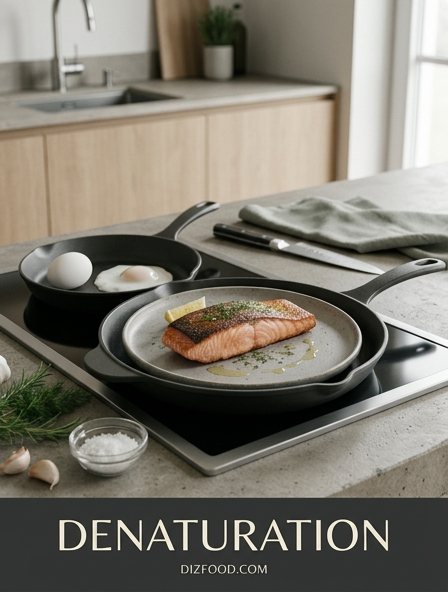
Protein denaturation is a fundamental biochemical process in the kitchen, involving the unfolding of complex, three-dimensional protein structures. In meat, these proteins-primarily actin and myosin-exist in tightly coiled bundles. When subjected to external stressors such as heat, kinetic energy, or chemical shifts, the weak hydrogen bonds maintaining their shape begin to vibrate and eventually break. This physical transformation causes the protein chains to straighten and subsequently recombine in a process known as coagulation.
Understanding this transition is vital for culinary precision. As denaturation occurs, the physical properties of the meat change: the color shifts from translucent to opaque, and the texture transitions from soft to firm. If the process is controlled, the result is a tender, palatable product. However, excessive denaturation leads to the expulsion of intracellular water, resulting in dry and tough fibers. This science forms the basis for every cooking method, from the gentle poaching of poultry to the aggressive searing of a steak, dictating the ultimate success of the dish's structural integrity and mouthfeel.
How Acids and Enzymes Alter Surface Structure
Chemical denaturation utilizes acids and enzymes to modify protein surfaces without the application of heat. Acids, such as citrus juice or vinegar, lower the pH of the meat environment, causing an excess of hydrogen ions to disrupt the ionic bonds holding protein folds together. This "cold cooking" effect is most visible in dishes like ceviche. Similarly, proteolytic enzymes found in certain fruits act as biological catalysts to break down peptide bonds. These enzymes selectively target the connective tissues and muscle fibers, facilitating a softer exterior.
- Papain: Derived from papaya, highly effective at breaking down tough collagen.
- Bromelain: Found in pineapple, known for rapid protein degradation.
- Actinidin: A milder enzyme from kiwi that preserves structural integrity better than others.
- Citric Acid: Provides a sharp pH drop for immediate surface denaturation.
When applied correctly, these agents create a permeable surface layer that enhances the overall eating experience. However, the depth of this alteration is typically limited to the outer few millimeters, making surface area-to-volume ratios a critical consideration for the chef.
Achieving Superior Texture Through Structural Modification
Superior texture in meat is rarely an accident; it is the result of deliberate structural modification. By manipulating the state of myofibrillar proteins, chefs can transform a resilient cut of meat into something succulent. Denaturation allows for the partial breakdown of the perimysium and endomysium-the connective tissues that sheath muscle fibers. When these tissues are weakened through controlled denaturation, the teeth can more easily shear through the meat, which the palate perceives as tenderness.
The goal is to reach a specific stage of denaturation where the proteins have unfolded enough to lose their raw elasticity but have not yet tightened into a dry, dense matrix. This balance is often achieved by utilizing low-temperature cooking or precision marinating. By modifying the protein structure before it hits the high heat of a pan, you pre-tenderize the surface, ensuring that the initial bite is soft while the interior remains juicy. This dual-texture approach is the hallmark of professional meat preparation, balancing the firmness of cooked protein with the delicate yield of modified fibers.
The Role of Surface Tension in Flavor Adhesion
Surface tension plays a surprising role in how flavors interact with meat. Raw meat surfaces are often slick and hydrophobic, causing water-based marinades to bead up and roll off rather than adhere. Denaturation changes this dynamic by altering the topography of the meat's surface at a microscopic level. As proteins unfold, they expose various functional groups-some hydrophobic and some hydrophilic. This creates a more "rugged" landscape that increases the total surface area available for molecular bonding.
This increased surface area reduces the effective surface tension of the liquids applied to the meat. Consequently, oils, spices, and aromatics can "hook" into the nooks and crannies created by the denatured protein strands. This adhesion is critical for developing a flavorful crust or ensuring that a glaze doesn't slide off during the roasting process. By pre-treating the surface with a mild denaturant, such as a salt rub or a light acid, the chef prepares a molecular "velcro" that holds seasoning in place throughout the turbulent environment of a high-heat oven or grill.
Enhancing the Maillard Reaction with Denatured Proteins
The Maillard reaction is the chemical holy grail of savory cooking, responsible for the complex flavors and brown colors of seared meat. This reaction requires two primary precursors: reducing sugars and amino acids. Denaturation serves as a vital preparatory step for this reaction because it uncoils long protein chains, making individual amino acids more accessible for chemical interaction. When meat is raw, many of these reactive nitrogen groups are tucked away inside the protein's globular structure.
By initiating denaturation-whether through dry-brining or enzymatic action-you essentially "prime" the surface with a higher concentration of available amino groups. When heat is finally applied, the Maillard reaction occurs more rapidly and intensely. This leads to a deeper, more complex crust that develops before the interior of the meat becomes overcooked. This synergy between denaturation and browning explains why seasoned or slightly acidic-treated meats often achieve a better "sear" than those taken directly from a vacuum seal to the pan. The result is a savory profile characterized by nutty, toasted, and umami notes.
Balancing Salt and Acidity for Maximum Tenderness
Successful denaturation requires a delicate balance between salt and acidity. While both facilitate the unfolding of proteins, they do so through different mechanisms. Salt increases ionic strength, causing the protein filaments to repel each other and swell, which allows them to hold more water. Acidity, on the other hand, works by attacking the structural bonds directly. Using too much of one without the other can lead to either a mushy surface or a chemically "cured" texture that lacks juiciness.
| Component | Mechanism | Result on Protein |
|---|---|---|
| Sodium Chloride | Solubilizes myosin | Increased water-holding capacity |
| Organic Acids | Protonates amino acids | Structural weakening/tenderizing |
| Proteolytic Enzymes | Peptide cleavage | Surface softening |
The ideal marinade utilizes a synergistic ratio, typically involving a low-pH liquid tempered by a saline solution. This combination ensures that the meat remains tender yet structurally sound, preventing the unappealing "chalky" texture associated with over-marination in pure acid.
Why Surface Treatment Trumps Deep Penetration
A common misconception in the kitchen is that marinades penetrate deep into the center of a thick cut of meat. In reality, most flavor molecules and denaturing agents are too large to move quickly through the dense, saline-rich environment of muscle tissue. Diffusion is a slow process; even after several hours, most acids and enzymes only penetrate a few millimeters. Therefore, focusing on surface treatment is a more scientifically sound and efficient approach to flavor development.
By accepting that denaturation is a surface phenomenon, chefs can optimize their techniques. This means maximizing the surface area through scoring or slicing meat into thinner strips for stir-frys. Since the exterior is what experiences the highest heat and the most significant chemical changes, perfecting the surface denaturation leads to the best crust and the most immediate flavor impact. Attempting to force penetration through long marination times often backfires, as the exterior becomes over-processed and mushy long before the interior is affected. Efficiency in the kitchen relies on mastering the "outer shell" of the protein.
Optimizing Moisture Retention During the Cooking Process
Moisture retention is the direct result of how proteins denature and subsequently coagulate. As heat is applied, proteins contract, acting like a wringing sponge that squeezes out moisture. To optimize retention, one must manage the rate and extent of this contraction. Denaturation can actually be used to trap moisture if handled correctly. For instance, dry-brining causes partial denaturation that creates a protein gel on the surface. This gel acts as a physical barrier, slowing down the evaporation of internal juices during cooking.
Furthermore, managing the "isoelectric point"-the pH at which a protein has no net electrical charge-is crucial. At this point, proteins are at their most compact and hold the least amount of water. By using alkaline or acidic components to move the meat's pH away from this point, you increase the space between protein strands, allowing more water to be held within the matrix. This scientific approach ensures that even when the meat is cooked to higher temperatures, the structural modification allows it to remain succulent and moist rather than becoming a bundle of dry, stringy fibers.
Avoiding the Pitfalls of Excessive Protein Breakdown
While denaturation is desirable, it is easily overdone. Excessive protein breakdown results in a loss of "bite," turning meat into a paste-like or mushy consistency. This usually happens when meat is left in a highly acidic marinade for too long or when excessive amounts of enzymatic tenderizers are used. Once the structural proteins are completely degraded, they lose their ability to hold water or provide resistance when chewed. This phenomenon is particularly common with delicate proteins like seafood or lean poultry.
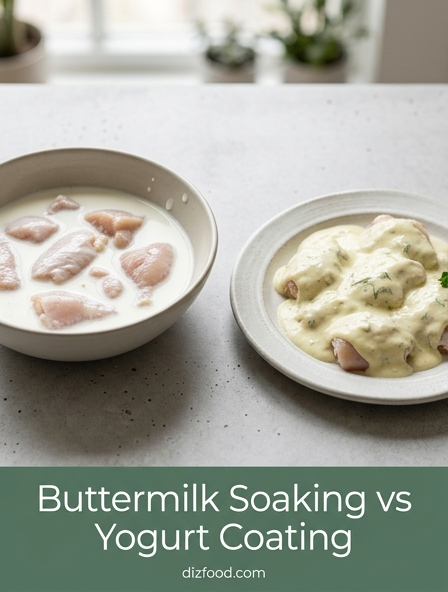
Another pitfall is "syneresis," where proteins denature so aggressively that they tighten into a hard knot, expelling all liquid. This is frequently seen in overcooked eggs or gray, boiled-looking steaks. To avoid these issues, chefs must monitor time and temperature religiously. Using milder acids like yogurt or buttermilk, which provide a slower, more controlled denaturation, can offer a safety net. Understanding the limits of your specific protein-such as the difference between a hardy beef chuck and a fragile sea scallop-is essential for preventing the irreversible damage of over-denaturation.
Master Techniques for Professional Marinade Results
To achieve professional-grade results, denaturation must be treated as a controlled chemical reaction. Professionals don't just "soak" meat; they engineer the environment to yield specific structural outcomes. This involves considering the thickness of the cut, the type of protein, and the intended cooking method. By applying a systematic approach, you ensure consistency and high-quality results every time the meat hits the heat.
- Emulsify your marinades: Mixing fats and acids ensures even distribution of denaturing agents across the surface.
- Control the time: Limit acidic marinades to 30-60 minutes for small cuts to prevent surface mushiness.
- Score the surface: Create shallow cuts to increase the surface area for enzymes and salt to act upon.
- Temperature awareness: Marinate in the refrigerator to keep the rate of enzymatic action slow and safe.
- Pat dry before cooking: Remove excess moisture to ensure the denatured surface can undergo the Maillard reaction immediately.
Following these steps allows for the perfect balance of tenderness, flavor adhesion, and browning, elevating standard home cooking to a professional level of execution.

Comments