
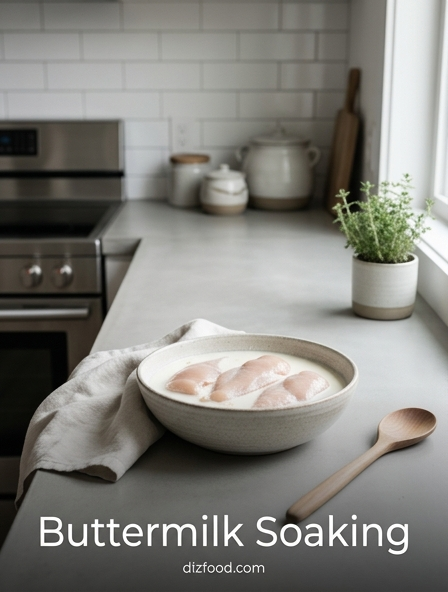
The Science of Buttermilk Acidity
The effectiveness of buttermilk in culinary applications is primarily rooted in its unique pH level, which typically ranges between 4.4 and 4.8. This mild acidity is driven by lactic acid, a byproduct of the fermentation process where bacteria convert lactose into energy. Unlike harsher acids such as distilled vinegar or citric acid, lactic acid provides a gentle denaturing effect on protein structures. This subtle approach ensures that the meat does not become "cooked" or chemically burnt on the exterior while the interior remains untouched.
- pH Balance: Maintains a controlled acidic environment for protein relaxation.
- Lactic Acid: Acts as a slow-acting tenderizer compared to fruit-based acids.
- Calcium Interaction: Works with muscle enzymes to accelerate the softening of connective tissues.
- Buffer Capacity: Helps stabilize flavors during the high-heat frying process.
When poultry is submerged in this acidic medium, the proteins begin to unwind and expand. This expansion creates microscopic gaps within the muscle fibers, allowing the liquid to penetrate deeper into the meat. This scientific foundation is what makes buttermilk the gold standard for preparing poultry, as it balances structural modification with flavor preservation without compromising the integrity of the ingredient.
Tenderizing Chicken with Natural Enzymes
Beyond the simple acidic breakdown, buttermilk facilitates a complex enzymatic process that is essential for achieving a tender result. Natural enzymes within the meat, such as calpains, are activated in the presence of the calcium found in dairy. When chicken is soaked, these enzymes begin to digest the structural proteins-specifically desmin and titin-that hold muscle fibers together. This biological decomposition is what transforms a potentially tough cut into one that is "fork-tender."
- Submerge the poultry completely to ensure even enzymatic distribution.
- Maintain a consistent cold temperature to regulate the speed of protein breakdown.
- Allow sufficient time for enzymes to penetrate the dense collagen layers.
- Remove the meat once the desired elasticity is achieved to prevent over-softening.
This enzymatic activity is highly specific to dairy-based marinades. Because buttermilk provides both the acidic trigger and the calcium catalyst, it offers a dual-action tenderizing effect. The result is a texture that feels naturally soft rather than chemically manipulated. By leveraging these biological pathways, cooks can ensure that even leaner cuts, like chicken breasts, remain succulent and easy to chew after being subjected to the intense heat of frying or roasting.
Achieving Superior Crust Adhesion
One of the most frustrating aspects of frying chicken is the "blowout," where the breading detaches from the meat. Buttermilk solves this through its physical viscosity and protein composition. The thick, slightly tacky nature of the liquid creates a superior "glue" that clings to the surface of the poultry. When the wet, buttermilk-coated meat is dredged in flour, the proteins in the buttermilk link with the starches in the flour to form a resilient bond.
- Protein Bridging: Buttermilk proteins act as a middleman between the meat and the breading.
- Viscosity: The thickness ensures a heavy enough coat to support multiple layers of flour.
- Hydration: Helps hydrate the flour instantly, preventing dry spots in the crust.
- Texture Contrast: Forms a distinct interface that stays crispy even as the meat releases steam.
This adhesion is further improved by the presence of fats and emulsifiers in the buttermilk. These components help the coating stand up to the vigorous bubbling of hot oil. Without this dairy-based foundation, the steam escaping from the meat during cooking would likely push the crust away, resulting in a greasy, separated shell. Instead, the buttermilk-flour matrix contracts slightly as it dries, locking the crust onto the chicken for a perfect bite every time.
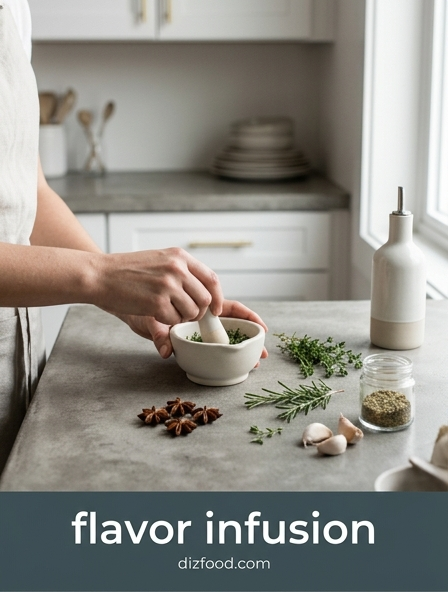
Flavor Infusion through Brining
Buttermilk soaking is essentially a form of wet brining that utilizes a complex liquid base rather than simple salt water. Through the process of osmosis, the salt and seasonings dissolved in the buttermilk are drawn into the meat's cellular structure. As the lactic acid weakens the protein walls, the flavored liquid rushes in to fill the voids. This ensures that the chicken is seasoned from the inside out, rather than just on the surface.
| Component | Function in Brine | Flavor Profile |
|---|---|---|
| Salt | Denatures proteins and retains moisture | Enhanced Savory Notes |
| Lactic Acid | Tenderizes and provides tang | Subtle Tartness |
| Aromatics | Infuses deep flavor into fibers | Herbaceous/Spicy |
| Sugars | Assists in the Maillard reaction | Caramelized Sweetness |
The salt in the soak does more than just season; it helps the meat cells hold onto water during the cooking process. When combined with the tangy profile of the buttermilk, the result is a sophisticated flavor depth that balances the richness of fried foods. This method allows for a more controlled seasoning environment where spices like garlic, cayenne, and black pepper can permeate the meat deeply over several hours.
The Secret to Juicier Meat
Juiciness in cooked meat is a result of how much moisture is retained within the muscle fibers after heat has been applied. During the cooking process, proteins typically contract and squeeze out their internal water. However, a buttermilk soak alters this behavior. The salt in the buttermilk dissolves some of the protein filaments, creating a gel-like structure that traps water. Simultaneously, the fats in the buttermilk provide an extra layer of protection against moisture loss.
- Capillary Action: The acidified fibers pull in more liquid during the soaking phase.
- Barriers: The thick coating acts as a thermal insulator during the initial seconds of frying.
- Fat Content: Tiny amounts of dairy fat contribute to the mouthfeel of "succulence."
- Protein Shielding: Minimizes the "wringing" effect of muscle fibers under heat.
This retention is crucial because fried chicken is often cooked at temperatures exceeding 350°F (175°C). At these temperatures, moisture evaporates rapidly. The buttermilk-treated chicken starts with a higher moisture content and a structural advantage that slows down this evaporation. Consequently, when you bite into the finished product, the internal juices are released, providing the characteristic moistness that defines high-quality fried poultry.
Creating the Ultimate Golden Crunch
The visual appeal of buttermilk-fried chicken-the deep, golden-brown hue-is a direct result of the Maillard reaction. This chemical reaction between amino acids and reducing sugars occurs more readily in the presence of buttermilk. The sugars naturally found in dairy, such as lactose, caramelize quickly when hitting the hot oil, providing a rich color that water-based brines cannot achieve. Furthermore, the buttermilk contributes to the "craggy" texture that enthusiasts crave.
- Drip excess buttermilk into the flour container to create small clumps.
- Press these clumps onto the meat to create surface area.
- Allow the breaded chicken to rest, ensuring the buttermilk fully hydrates the flour.
- Fry at a consistent temperature to allow the sugars to brown without burning.
These small "bits" of buttermilk-soaked flour fry up into extra-crunchy nodules. Because the buttermilk is thicker than water or egg wash, it supports a heavier dredge, leading to a substantial crust. The interaction between the buttermilk's fats and the frying oil also produces a more complex flavor profile in the crust itself, moving beyond simple starch to a savory, toasted dairy finish that complements the succulent meat inside.
Optimal Marinating Times for Texture
Timing is critical when soaking meat in buttermilk. Because the lactic acid is gentle, the window for an effective soak is much wider than it would be for a vinegar-based marinade, yet it is not infinite. To achieve the perfect balance of tenderness and structural integrity, one must match the soaking duration to the specific cut of meat. A soak that is too short will only season the surface, while a soak that is too long can lead to a mushy, unpleasant texture as the proteins over-denature.
- Quick Soak (30-60 minutes): Good for flavor surface-level seasoning; minimal tenderizing.
- Standard Soak (4-8 hours): Ideal for most chicken parts; achieves deep moisture and tenderness.
- Overnight Soak (12-24 hours): Maximum tenderization; best for older or tougher cuts of poultry.
- The Limit (24+ hours): Not recommended; fibers begin to break down too much, losing "meatiness."
For most home cooks, a four-hour soak represents the "sweet spot." This provides enough time for the osmosis of salt and the enzymatic breakdown of proteins to occur without compromising the "snap" of the meat fibers. If using boneless breasts, stay toward the shorter end of the spectrum; for bone-in thighs and drumsticks, the longer durations are more beneficial to ensure the heat penetrates the center without drying out the exterior.
How Lactic Acid Enhances Poultry
Lactic acid is a unique organic acid that behaves differently than the acetic acid found in vinegar or the malic acid in apples. In the context of poultry, lactic acid is particularly effective because it is a "gentle" acid. It interacts with the protein myosin, causing it to swell and hold more water. This is distinct from harsher acids that tend to tighten proteins initially, often resulting in a rubbery texture if not timed perfectly. The dairy origin of lactic acid also means it carries complementary flavor compounds.
| Acid Type | Source | Effect on Poultry |
|---|---|---|
| Lactic | Buttermilk/Yogurt | Gentle tenderizing, moisture retention |
| Acetic | Vinegar | Rapid breakdown, can toughen if overused |
| Citric | Lemon/Lime | High flavor impact, quick surface "cooking" |
By using buttermilk, you are applying an acid that has a natural affinity for animal proteins. The lactic acid works to subtly dissolve the perimysium-the connective tissue surrounding muscle bundles. This specific targeting allows the meat to retain its shape and "bite" while still feeling significantly softer. It is this precision that makes buttermilk an essential tool for chefs who prioritize texture as much as flavor.
Buttermilk vs Traditional Marinades
Traditional marinades often rely on an oil-and-vinegar base, which serves a different purpose than a buttermilk soak. While oil-based marinades are excellent for carrying fat-soluble flavors to the surface of grilled meats, they lack the tenderizing power and breading-support capabilities of buttermilk. Buttermilk acts as an emulsified system, providing acid, fat, and water in a single, cohesive liquid. This multi-functional approach is superior for any cooking method involving dredging or frying.
- Coating Ability: Traditional marinades are thin and run off; buttermilk clings.
- Tenderizing Mechanism: Buttermilk uses enzymes and mild acid; traditional marinades often use high acidity.
- Browning: Buttermilk contains sugars for the Maillard reaction; oils do not.
- Salt Delivery: The viscosity of buttermilk ensures seasonings stay suspended and distributed.
Furthermore, traditional marinades can sometimes "mask" the flavor of the meat with high levels of salt or pungent vinegar. Buttermilk, conversely, enhances the natural savory profile of the chicken. The slight tang of the dairy provides a bright counterpoint to the rich, fatty flavors of the meat without overwhelming the palate. For deep-fried preparations, there is simply no traditional marinade that can replicate the structural and flavorful benefits of a buttermilk soak.
Essential Seasoning for Liquid Soaks
A buttermilk soak is a missed opportunity if it is not properly seasoned. The liquid serves as a vehicle to transport spices deep into the meat fibers. Because the buttermilk is thick, it can hold large amounts of ground spices in suspension, preventing them from settling at the bottom of the bowl. Salt is the most critical additive, as it facilitates the osmotic process, but other aromatics are essential for building a complex flavor profile that survives the frying process.
- Always include 1.5% to 2% salt by weight relative to the liquid volume.
- Add heat through cayenne or hot sauce to penetrate the meat's interior.
- Use garlic and onion powders for a savory foundation that dissolves easily.
- Incorporate dried herbs like thyme or oregano for a classic "Sunday chicken" aroma.
When seasoning the soak, remember that some of the flavor will be lost to the breading and the oil. Therefore, the soak should be slightly "over-seasoned" to the taste. As the meat marinates, the salt draws these flavors inward. This ensures that the chicken isn't just flavorful on the crust, but also delivers a punch of seasoning in every juicy bite. The goal is a harmonious balance where the buttermilk's tang, the salt's savoriness, and the spices' heat all converge.


Comments