
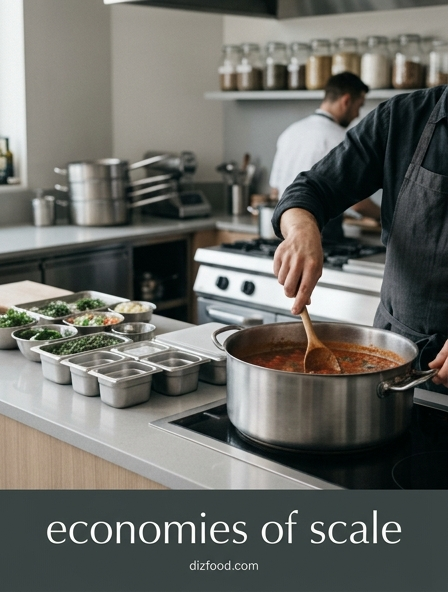
The Economics of Bulk Meat Purchasing
The primary advantage of purchasing meat in bulk is the significant reduction in the price per unit. When consumers buy larger quantities, such as a whole primal cut or a multi-pack of poultry, they bypass the labor costs associated with retail butchery. This approach leverages economies of scale by minimizing the frequency of shopping trips and maximizing the value of every dollar spent. By purchasing larger volumes, the overhead costs of packaging and transportation are distributed over a greater weight of product, leading to substantial long-term savings for the household budget.
| Meat Type | Retail Price/lb | Bulk Price/lb | Savings % |
|---|---|---|---|
| Chicken Breast | $5.99 | $2.49 | 58% |
| Ground Beef | $6.49 | $3.99 | 38% |
| Pork Loin | $4.29 | $1.89 | 56% |
To fully capitalize on these savings, it is essential to have adequate storage solutions and the culinary skills required to process larger cuts into usable portions. This initial investment in time pays dividends by reducing the average cost of protein in every meal served.
Strategic Batch Prepping for Weekly Success
Batch prepping is the operational engine of a highly efficient kitchen. Instead of repeating the same cleaning, chopping, and searing processes daily, home cooks can consolidate these tasks into a single intensive session. This strategy reduces the "set-up and tear-down" time that typically consumes a large portion of meal preparation. By processing five pounds of onions or ten pounds of chicken at once, the cook achieves a state of flow that is impossible during fragmented daily cooking routines.
- Consolidate knife work to minimize cleanup of cutting boards and surfaces.
- Utilize large-capacity appliances like sheet pans and stockpots to cook multiple servings simultaneously.
- Pre-portion ingredients into standardized containers for rapid assembly during the work week.
- Group similar cooking methods to optimize oven or stovetop usage.
The cumulative time saved through batch prepping allows for more complex flavor development without the pressure of a weeknight deadline. It also reduces energy consumption, as the oven or range is utilized more intensely over a shorter duration rather than being reheated multiple times throughout the week.
Bulk Marinating Techniques for Maximum Flavor
Marinating in bulk is more than just a convenience; it is a method for ensuring consistent flavor profiles across multiple meals. When large quantities of meat are marinated together, the chemical interactions between acids, fats, and aromatics are more uniform. This process utilizes the principle of osmosis to tenderize the proteins while infusing them with concentrated seasoning. By preparing marinades in large batches, you can ensure that every fiber of the meat is exposed to the flavor agents, which is often difficult to achieve with small, individual portions.
- Create a concentrated base using high-quality oils and acids like vinegar or citrus juice.
- Emulsify the mixture thoroughly to ensure the aromatics do not settle at the bottom.
- Submerge the meat completely or use vacuum-sealing technology to force the marinade into the tissues.
- Distribute the marinated meat into individual bags for freezing, allowing the flavor to intensify during the thawing process.
Effective bulk marination also allows for better cost control over expensive ingredients like fresh herbs and spices. By buying these in larger quantities and using them all at once, you prevent waste and ensure that the flavors remain vibrant and potent.
Freezer Friendly Protein Prep and Storage
Long-term storage is the cornerstone of kitchen economies of scale. Without proper preservation, the financial benefits of bulk purchasing are lost to spoilage. Freezer-friendly preparation involves removing as much air as possible from the packaging to prevent oxidation and freezer burn. Vacuum sealing is the gold standard, as it creates an airtight environment that preserves the texture and moisture of the meat for several months. Additionally, flash-freezing individual portions before final bagging prevents them from sticking together, allowing for flexible portion control.
- Label every package with the date, weight, and type of marinade used.
- Flatten bags to maximize surface area, which speeds up both freezing and thawing times.
- Use heavy-duty freezer bags or vacuum-seal rolls to maintain a barrier against moisture loss.
- Organize the freezer using bins to categorize proteins by type or preparation date.
Proper storage also involves understanding the "First In, First Out" (FIFO) principle. By rotating stock, you ensure that the oldest prep is used first, maintaining a high level of food quality. This systematic approach transforms a chaotic freezer into a valuable inventory of ready-to-cook assets.
Efficiency Focused Kitchen Workflow Strategies
A professional-grade workflow is essential when handling large volumes of food in a domestic kitchen. The "Mise en Place" philosophy-having everything in its place-becomes critical when processing bulk meats and marinades. By organizing the workspace into functional zones, the cook can move through tasks with minimal redundant motion. This reduces fatigue and increases the safety of the environment, especially when dealing with sharp knives and raw proteins. Efficiency is achieved through the elimination of unnecessary steps and the synchronization of tasks.
- Clear all non-essential items from the counters to maximize the available workspace.
- Set up a dedicated station for cleaning and trimming meat to prevent cross-contamination.
- Arrange all tools, spices, and liquids within arm's reach before beginning the assembly.
- Clean as you go to prevent the accumulation of dishes and maintain a sanitary environment.
The goal is to create an assembly line effect where the input is raw, bulk ingredients and the output is prepared, stored, and labeled meals. This industrial mindset minimizes errors and ensures that the quality of the final product remains high across the entire batch.
Scaling Marinade Recipes for Large Quantities
Scaling a recipe is not always as simple as doubling or tripling the measurements. When dealing with large volumes, certain ingredients-particularly salt, pungent spices, and acids-can become overwhelming if not balanced correctly. The ratio of liquid to solid is also a factor; larger batches of meat require proportionally less marinade than individual portions because the surface-area-to-volume ratio changes. Accurate scaling requires careful calculation to maintain the intended flavor profile without wasting expensive ingredients.
| Ingredient Component | Base Ratio (1lb) | Scaled Ratio (5lb) | Adjustment Note |
|---|---|---|---|
| Oil (Fat) | 1/4 Cup | 1 Cup | Reduced slightly for coverage |
| Acid (Vinegar/Citrus) | 2 Tbsp | 1/2 Cup | Maintain acidity for safety |
| Salt/Sodium | 1 Tsp | 4 Tsp | Scale cautiously to avoid over-salting |
| Dried Herbs | 1 Tsp | 1 Tbsp | Aromatics scale well |
Using weight-based measurements (grams) rather than volume-based measurements (cups/spoons) provides greater accuracy when scaling. This ensures that the fifth pound of meat tastes exactly like the first, providing a consistent dining experience throughout the week.
Cost Effective Ingredient Sourcing for Batches
To maximize the savings from bulk meat purchasing, the accompanying marinade ingredients must also be sourced strategically. Buying spices in small glass jars at a standard grocery store is one of the least cost-effective ways to cook. Instead, sourcing from ethnic markets, restaurant supply stores, or bulk bins offers superior value. These sources provide fresher ingredients in larger quantities for a fraction of the retail price. Furthermore, focusing on versatile, "pantry staple" ingredients allows for a wide variety of flavors without a massive inventory of niche products.
- Purchase oils and vinegars in gallon containers to lower the cost per ounce.
- Buy whole spices and grind them as needed to preserve potency and save money.
- Utilize seasonal aromatics like garlic and onions when they are at their lowest price points.
- Grow fresh herbs in a kitchen garden to eliminate the high cost of store-bought sprigs.
By treating the kitchen pantry like a micro-warehouse, the home cook can withstand price fluctuations in the market. Strategic sourcing ensures that the "cost per meal" remains low even when preparing high-quality, flavorful dishes.
Optimal Food Safety for Bulk Marinated Meats
Handling large quantities of raw meat introduces higher risks of cross-contamination and temperature abuse. Food safety must be the priority when executing bulk preparations. The "Danger Zone" (40°F to 140°F) is where bacteria multiply most rapidly; therefore, meat should spend as little time as possible at room temperature during processing. Additionally, the acidity of a marinade can inhibit bacterial growth, but it does not sterilize the meat. Proper refrigeration and hygiene protocols are non-negotiable components of a successful bulk-prep system.
- Chill all marinade ingredients before combining them with the meat to keep temperatures low.
- Use non-reactive containers like glass or food-grade plastic for marinating.
- Never reuse marinade that has come into contact with raw meat unless it is boiled first.
- Thaw frozen marinated meats in the refrigerator, never on the counter.
By adhering to these safety standards, you protect the health of your household and ensure that the time and money invested in bulk prepping are not wasted due to spoilage or foodborne illness. Consistency in safety produces consistency in quality.
Tools for Streamlining High Volume Cooking
The right equipment acts as a force multiplier in the kitchen. When moving from cooking for two to prepping for twenty, standard residential tools may become bottlenecks. Investing in high-capacity equipment allows for faster processing and more professional results. For instance, a commercial-grade food processor can shred several pounds of aromatics in seconds, a task that would take significantly longer with a hand grater. These tools are designed for durability and speed, making them ideal for the intensive demands of bulk preparation.
- Vacuum Sealer: Essential for removing air and extending freezer life.
- Immersion Blender: Perfect for emulsifying large batches of marinade directly in the container.
- Digital Kitchen Scale: Provides precision for scaling recipes and portioning meat.
- Half-Sheet Pans: Allows for even roasting of large quantities of protein at once.
While the initial cost of these tools may be higher, their ability to save time and reduce waste makes them a sound investment for anyone committed to a bulk-cooking lifestyle. They turn a daunting chore into a streamlined, manageable process.
Time Saving Meal Rotation and Inventory Planning
Success in bulk prepping requires a logistical mindset. It is not enough to simply have a freezer full of meat; one must know what is available and how to incorporate it into a weekly schedule. Inventory planning prevents "pantry amnesia," where food is forgotten and eventually wasted. A well-maintained inventory allows for creative meal rotation, ensuring that the household does not suffer from "flavor fatigue" by eating the same dish too many days in a row. By planning meals around the existing inventory, shopping lists become shorter and more focused.
| Protein Source | Marinade Style | Quantity | Best By Date |
|---|---|---|---|
| Chicken Thighs | Lemon Herb | 4 Portions | Nov 15 |
| Flank Steak | Soy Ginger | 2 Portions | Dec 01 |
| Pork Chops | Chipotle Lime | 6 Portions | Nov 20 |
Maintaining a simple dry-erase board or a digital spreadsheet can transform the kitchen's efficiency. By visualizing the inventory, you can make informed decisions about when to buy more and when to focus on consuming what is already prepared, maximizing the economic benefits of your efforts.




Comments