
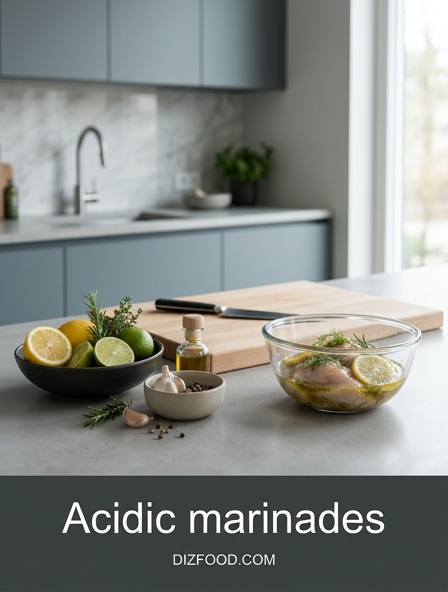
The Chemistry of Acidic Marinades
The fundamental mechanism of acidic marinades lies in the process of protein denaturation. When meat is submerged in an acidic liquid, such as vinegar or citrus juice, the high concentration of hydrogen ions begins to break the weak chemical bonds that hold protein chains in their specific, folded shapes. As these proteins unwind or "denature," they create a mesh-like structure that can trap water, initially making the meat appear more tender. However, this reaction is primarily a surface-level phenomenon, as acids typically penetrate only a few millimeters into the muscle tissue.
- Hydrogen Ion Exchange: Acids lower the pH of the meat, altering the electrical charge of the protein filaments.
- Connective Tissue Modification: While acids can weaken collagen, their primary effect is on the myofibrillar proteins like myosin and actin.
- Proteolysis: Some acidic ingredients, especially those derived from fruits, may contain enzymes that further catalyze the breakdown of protein strands.
Understanding this chemical shift is crucial for controlling texture. If the acid concentration is too high or the exposure is too long, the proteins will eventually bond too tightly together, squeezing out moisture and resulting in a dry, rubbery texture rather than a tenderized one.
Best Citrus and Vinegar Bases
Selecting the right acidic base is a balance between flavor profile and chemical potency. Different acids offer varying levels of pH, which dictates how quickly the denaturation process occurs. For instance, white distilled vinegar is highly aggressive due to its high acetic acid content, whereas citrus juices provide a more nuanced approach through citric and ascorbic acids. The choice of base significantly influences the final dish's brightness and aroma.
| Acid Source | Primary Acid Type | Best Culinary Use |
|---|---|---|
| Lemon/Lime Juice | Citric Acid | Seafood and Poultry |
| Balsamic Vinegar | Acetic Acid (Sweet) | Red Meats and Game |
| Apple Cider Vinegar | Acetic/Malic Acid | Pork and Root Vegetables |
| Rice Vinegar | Acetic Acid (Mild) | Light Fish and Pickling |
While vinegars provide a sharp, consistent acidity, citrus juices bring volatile oils from the zest that enhance the sensory experience. When using high-acidity bases, it is often beneficial to dilute them with neutral oils to slow the chemical reaction and ensure even flavor distribution across the protein's surface.
Tenderizing Poultry with Acid
Poultry, particularly chicken breast, benefits significantly from acidic marinades due to its lean nature and dense muscle fibers. Because chicken lacks the heavy marbling found in red meats, an acid-based soak helps to soften the exterior fibers, making the meat easier to chew and more receptive to seasonings. The key is to target the connective tissues without compromising the integrity of the delicate muscle structure.
- Preparation: Increase the surface area by piercing the poultry or slicing it into uniform thicknesses to allow the acid to work more effectively.
- Concentration: Use a ratio of one part acid to three parts oil to prevent the outer layer from becoming "chalky."
- Application: Ensure the poultry is fully submerged or vacuum-sealed to maintain consistent contact with the acidic medium.
- Monitoring: Watch for color changes; as the acid denatures the surface proteins, the meat will turn opaque white.
The goal with poultry is to achieve a subtle "pre-cook" through acidity, which shortens the required time on the heat and helps retain internal juices. Over-marinating, however, can lead to a mushy surface that fails to brown properly during the final cooking stage.
Marinating Timing for Seafood
Seafood requires the most precision when utilizing acidic marinades because its muscle fibers are much shorter and more delicate than those of land animals. In the culinary world, this interaction is most famously seen in ceviche, where the acid essentially "cooks" the fish without heat. For standard grilling or searing, the window for marination is incredibly narrow. If fish sits in an acidic base for too long, the proteins contract so violently that the texture becomes grainy and unappealing.
For delicate white fish like tilapia or cod, a marinade should rarely exceed 15 to 30 minutes. Firmer seafood, such as shrimp, scallops, or swordfish, can handle up to 45 minutes, but even then, the acid concentration should be carefully monitored. The acid breaks down the connective tissue between the "flakes" of the fish, which can cause the fillet to fall apart on the grill if the timing is mismanaged. Always prioritize freshness and use high-quality citrus or light vinegars to complement the natural salinity of the seafood without overpowering its subtle flavor profile.
Preventing Over Denaturation
Over denaturation is the primary risk when working with potent acidic marinades. It occurs when the acid is allowed to act on the protein for an excessive duration, leading to a phenomenon where the proteins become so tightly coiled that they expel all cellular moisture. This results in meat that is both tough and dry, often characterized by a "cooked" appearance even while the interior remains raw. Preventing this requires a strategic approach to both the marinade composition and the duration of the soak.
- Buffer with Fats: Incorporating oils like olive, avocado, or grapeseed creates a barrier that slows the penetration of the acid.
- Neutralizing Agents: Adding a small amount of sugar or honey can balance the harshness of the acid without stopping the tenderization.
- Cold Environment: Always marinate in the refrigerator; higher temperatures accelerate the chemical reactions and increase the risk of bacterial growth.
- Timed Intervals: Use a kitchen timer to ensure proteins are removed from the acid exactly when the desired texture is reached.
By monitoring these variables, a cook can ensure that the acid serves its purpose of tenderization and flavor enhancement without ruining the structural integrity of the ingredient.
Flavor Infusion for Light Proteins
Light proteins such as pork loin, veal, and white-fleshed fish act as a blank canvas for acidic marinades. Because these proteins have a less assertive natural flavor than beef or lamb, the acid acts as a primary vehicle for aromatics. When an acid denatures the surface of the meat, it creates microscopic pathways that allow dissolved spices, herbs, and oils to penetrate deeper than they would on an untreated surface. This synergy is what makes acidic marinades so effective for flavor infusion.
To maximize this effect, it is essential to use water-soluble and oil-soluble flavors in tandem. The acid opens the "door," while the liquid medium carries flavors like garlic, ginger, or crushed peppercorns into the protein's grain. For light proteins, the acidity also provides a necessary counterpoint to the richness of the meat, cutting through fat and leaving a clean, bright finish on the palate. This balance is especially important in cuisines that rely on high-heat cooking methods, as the acid helps the flavors remain vibrant even after exposure to intense flame or pan heat.
The Role of pH Balance
The pH scale is a logarithmic measure of acidity, and understanding it is vital for consistent results in the kitchen. Most common kitchen acids, like vinegar or lemon juice, fall between a pH of 2.0 and 3.0. The goal of a marinade is to lower the pH of the meat's surface from its neutral state (around 5.5 to 6.0) to a more acidic level. This shift alters the protein structure, but if the pH drops too low, the enzymatic activity can become uncontrolled.
| Ingredient | Approximate pH | Effect Intensity |
|---|---|---|
| White Vinegar | 2.4 | High - Rapid Tenderization |
| Lemon Juice | 2.2 | High - Significant Texture Change |
| Yogurt | 4.5 | Mild - Slow, Gentle Breakdown |
| Tomato Juice | 4.1 | Moderate - Flavor-Focused |
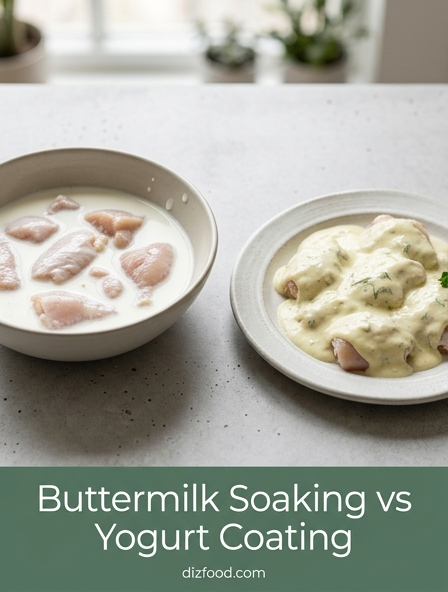
Maintaining a balanced pH ensures that the meat doesn't become chemically scarred. Utilizing "soft" acids like yogurt or buttermilk, which have a higher pH, allows for longer marination times and a more succulent result compared to the aggressive action of pure acetic acid. This scientific approach allows for repeatable success across various protein types.
Acidic Brines and Moisture
When acidity is combined with salinity, the result is an acidic brine, a powerful tool for moisture retention. While pure acid can sometimes cause moisture loss through over-contraction, the presence of salt (sodium ions) encourages the protein fibers to swell and absorb water. This dual action is particularly effective for thick cuts of meat that are prone to drying out, such as pork chops or turkey breasts. The acid begins the process of breaking down tough fibers, while the salt ensures that the water stays locked within the muscle cells.
This process, known as "denaturation and hydration," creates a buffer during the cooking process. Even if the meat is slightly overcooked, the extra moisture trapped by the salt-and-acid interaction keeps the meat tender. For an effective acidic brine, the salt concentration should generally be around 3% to 5% by weight, with the acid serving as a secondary component to brighten the flavor. This technique is a staple in professional kitchens for ensuring consistency in high-volume meat preparation, providing a succulent mouthfeel that acid alone cannot achieve.
Plant Based Protein Marination
Acidic marinades are not exclusive to animal proteins; they play a critical role in preparing plant-based options like tofu, tempeh, and seitan. Unlike meat, tofu has a porous, sponge-like structure that does not require the denaturation of muscle fibers. Instead, the acid serves to firm up the texture of the soy protein while carrying intense flavors into the center of the block. For plant-based proteins, the acid often reacts with the calcium or magnesium salts used as coagulants in the production process.
- Tofu: Use high-acid marinades after pressing the water out to allow the acid to "reset" the texture to a firmer state.
- Tempeh: Acid helps to mellow the fermented, nutty notes of the beans, making it more versatile.
- Seitan: Since seitan is made of pure wheat gluten, acid helps to soften the rubbery texture often associated with it.
When marinating plant-based proteins, the duration can be significantly longer than with meat or seafood. Since there is no risk of "mushiness" from muscle fiber breakdown, tofu can often marinate for 24 hours or more, allowing the acidic base to fully permeate the dense soy matrix.
Heat Interaction with Marinated Meat
The final stage of using an acidic marinade occurs when the protein hits the heat. Acidity significantly influences the Maillard reaction-the chemical process between amino acids and reducing sugars that gives browned food its distinctive flavor. Interestingly, a highly acidic environment can actually inhibit browning. If the surface of the meat is too acidic, the Maillard reaction slows down, which is why some marinated meats appear pale or gray even after significant time on the grill.
To counteract this, many recipes include a small amount of sugar or a wash of oil to facilitate caramelization. Furthermore, the residual acid on the surface of the meat reacts with the heat to produce a "bright" flavor profile that cuts through the smoky, charred notes of the exterior. It is also important to pat the meat dry before cooking; excess liquid on the surface will cause the meat to steam rather than sear. By managing the surface moisture and acidity, you can achieve a perfect balance of tenderized interior and a deeply browned, flavorful crust that highlights the complexity of the marinade.




Comments