
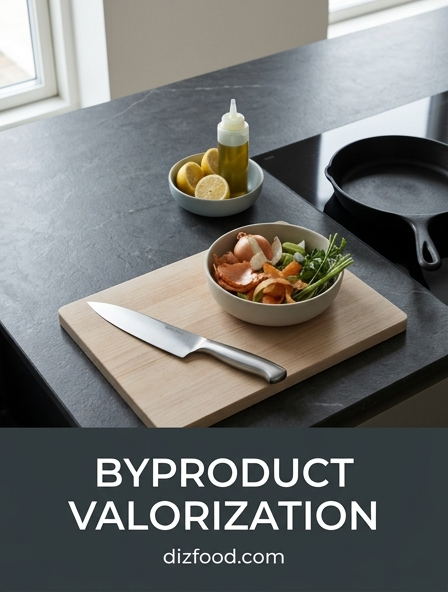
The Economic Potential of Kitchen Byproducts
The transformation of kitchen waste from a cost burden into a profit-generating asset represents a significant shift in modern culinary economics. Traditionally, scraps and trimmings were viewed as unavoidable losses, but emerging valorization technologies allow businesses to extract substantial value from these materials. By identifying high-value compounds within organic waste, kitchens can tap into secondary markets such as cosmetics, pharmaceuticals, and specialty fertilizers. This economic pivot requires a strategic reassessment of inventory management and waste handling procedures.
- Reduction in waste disposal fees through volume minimization.
- New revenue streams from selling processed organic matter to industrial partners.
- Improved brand equity attracting eco-conscious consumers.
- Tax incentives and subsidies for sustainable waste management practices.
The monetization of byproducts essentially lowers the cost of goods sold by recapturing capital that was previously discarded. Establishments that implement rigorous sorting and processing protocols find that the initial investment in infrastructure is quickly offset by the continuous return on recycled materials. As global commodity prices rise, the intrinsic value of kitchen byproducts becomes even more critical to maintaining healthy profit margins in a competitive industry.
Maximizing Used Cooking Oil Value
Used cooking oil (UCO) is no longer a waste product but a sought-after feedstock for the biofuel industry. Effective management of this byproduct involves optimizing collection purity and storage to ensure maximum market value. When oil is handled as a commodity rather than trash, it becomes a reliable source of monthly income for high-volume commercial kitchens. Proper filtration and containment prevent contamination, which is essential for achieving the highest price per gallon during collection cycles.
| Oil Quality Grade | Primary Use Case | Market Value Factor |
|---|---|---|
| High Purity | Biodiesel Production | Premium |
| Standard Grade | Industrial Lubricants | Moderate |
| Contaminated | Incineration/Energy | Low/Cost |
To maximize the fiscal return, kitchens should partner with reputable collectors who provide transparent pricing based on current energy market trends. Additionally, maintaining detailed records of oil usage and disposal can help operators identify inefficiencies in their frying processes. By treating UCO as a strategic resource, businesses not only comply with environmental regulations but also bolster their bottom line through direct commodity sales.
Converting Frying Scraps into Revenue
Frying scraps, or "cracklings," and breading fallout are often overlooked in the valorization process. These protein-rich and fat-heavy materials hold significant potential for repurposing into animal feed additives or specialized pet treats. Instead of discarding these solids during oil filtration, kitchens can stabilize and aggregate them for industrial purchasers. This practice requires a systematic approach to collection to ensure the materials remain food-safe until they reach the processing facility.
- Separation of organic solids using fine-mesh filtration systems.
- Dehydration or cooling to prevent microbial spoilage and rancidity.
- Bulk storage in standardized containers for logistical efficiency.
- Contracting with local agricultural partners for scheduled pickups.
Beyond animal feed, these scraps can be processed into nutrient-dense compost starters or bio-rich fertilizers. The key to revenue generation lies in the volume and consistency of the supply. By integrating these small streams of waste into a unified valorization strategy, commercial kitchens can eliminate the costs associated with traditional rendering services while contributing to a local, circular agricultural economy that values every gram of processed organic material.
Circular Economy Models for Commercial Kitchens
Adopting a circular economy model involves reimagining the kitchen as a closed-loop system where every input is utilized to its fullest extent. This framework moves away from the linear "take-make-dispose" mentality, focusing instead on regenerative practices. In a circular kitchen, byproducts from one process serve as the raw materials for another. For example, vegetable trimmings are converted into concentrated stocks or dehydrated powders, while unavoidable waste is diverted to onsite anaerobic digesters to produce energy or soil amendments.
Implementing such a model requires cross-functional collaboration and a commitment to long-term sustainability goals. It begins with procurement, choosing products with minimal packaging and high upcycling potential. On-site composting and grease trap management are also pivotal components of this strategy. By keeping resources within the productive loop for as long as possible, kitchens drastically reduce their environmental footprint and operational overhead. This holistic approach not only addresses waste management but also optimizes the entire supply chain, fostering resilience against price volatility and resource scarcity in the broader food market.
Advanced Oil Filtration as a Profit Center
Modern oil filtration technology has evolved into a sophisticated tool for financial optimization. By removing microscopic carbonized particles and volatile compounds, advanced systems extend the functional life of frying fats by up to 50 percent. This directly reduces the frequency of oil purchases, which is often one of the largest variable expenses in a commercial kitchen. Furthermore, consistent filtration ensures that food quality remains high, preventing the off-flavors associated with oil degradation that can drive away customers.
- Automated sensory monitoring to determine optimal oil change intervals.
- Reduction in labor costs associated with manual oil handling and cleaning.
- Lower energy consumption through improved heat transfer efficiency in clean oil.
- Enhanced safety by minimizing employee exposure to hot liquids during disposal.
When viewed as a profit center, the filtration station becomes a focal point for quality control and cost savings. The data gathered from these systems allows management to monitor frying habits and identify training opportunities for kitchen staff. Over time, the cumulative savings on procurement and the increased yield from each vat of oil create a compelling return on investment for high-performance filtration hardware.
Sustainable Disposal and Repurposing Strategies
Sustainable disposal is the final tier of byproduct valorization, focusing on minimizing the environmental impact of materials that cannot be upcycled into higher-value products. This involves a hierarchical approach, prioritizing donation of edible surplus, then animal feed, and finally industrial energy recovery. Effective strategies rely on strict segregation at the source to prevent cross-contamination between organic waste and non-recyclable packaging. By maintaining the integrity of waste streams, kitchens ensure they meet the stringent requirements of modern recycling facilities.
Partnering with specialized waste management firms allows kitchens to participate in large-scale repurposing programs that might be inaccessible to individual operators. These firms can process diverse organic loads into biofuels or commercial-grade compost. Additionally, kitchens can explore onsite dehydration technologies that reduce the weight and volume of waste by up to 80 percent, significantly lowering transport costs and carbon emissions. Ultimately, a successful disposal strategy is characterized by transparency and traceability, providing the necessary data to verify sustainability claims and comply with increasingly rigorous local and national environmental mandates.
Turning Food Waste into Bioenergy Resources
Food waste possesses high caloric and chemical energy potential that can be harvested through anaerobic digestion and gasification. When organic matter breaks down in a controlled, oxygen-free environment, it produces biogas-a mixture of methane and carbon dioxide that can be used for heating or electricity generation. For commercial kitchens, this represents an opportunity to contribute to local energy grids or even power their own facilities. Converting high-moisture waste into energy is often more efficient than traditional composting for certain types of food scraps.
| Waste Type | Energy Potential | Conversion Method |
|---|---|---|
| Fats and Oils | Very High | Biodiesel/Transesterification |
| Starchy Scraps | High | Anaerobic Digestion |
| Fibrous Greens | Medium | Biogas/Composting |
As the infrastructure for bioenergy expands, the logistics of transporting kitchen waste to energy plants become more streamlined. Some jurisdictions now mandate the diversion of organic waste from landfills, making bioenergy partnerships a legal necessity as well as an environmental benefit. By participating in these energy recovery programs, kitchens help displace fossil fuels and contribute to a more sustainable and resilient national energy portfolio.
Optimizing Lifecycle Management of Frying Fats
The lifecycle management of frying fats begins at the moment of delivery and continues through to final valorization. Optimization requires careful control of storage conditions, cooking temperatures, and filtration schedules. Heat, light, and oxygen are the primary catalysts for oil oxidation, which leads to the formation of polar compounds and free fatty acids. By implementing rigorous monitoring protocols, kitchen managers can ensure that oil is utilized to its maximum safe limit without compromising the nutritional or sensory quality of the fried food.
- Utilization of nitrogen-blanketed storage to prevent oxidation in bulk tanks.
- Implementation of precision temperature controls to avoid overheating.
- Daily testing of total polar materials (TPM) to guide disposal timing.
- Segregation of used oils based on their degradation level for specific recycling.
Efficient management also involves training staff on the impact of salt and water introduction into the fryers, both of which accelerate oil breakdown. When the entire lifecycle is managed with precision, the volume of waste is reduced, and the quality of the byproduct remains high for secondary industrial use. This disciplined approach minimizes waste, stabilizes operational costs, and ensures a consistent product for the end consumer.
The Role of Upcycling in Modern Kitchen Operations
Upcycling represents the highest form of valorization, where kitchen byproducts are transformed into new culinary products of higher value. This practice challenges chefs to use creative techniques to repurpose items like fruit peels, vegetable stalks, and whey. For instance, citrus rinds can be candied or infused into oils, while spent coffee grounds can find new life as meat rubs or mushroom growing substrates. This not only reduces waste but also provides a platform for culinary innovation and unique menu offerings that differentiate a business in the marketplace.
The integration of upcycling into daily operations requires a cultural shift within the kitchen. It necessitates a deep understanding of food chemistry and preservation methods such as fermentation, dehydration, and pickling. By highlighting upcycled ingredients on the menu, restaurants can engage customers in their sustainability journey, often commanding a premium for these innovative dishes. This approach turns "waste" into a narrative-driven ingredient, proving that environmental responsibility can be synonymous with gourmet excellence and increased profitability in the modern food service landscape.
Financial Benefits of Systematic Waste Valorization
Systematic waste valorization provides a robust framework for improving the financial health of a commercial kitchen. By quantifying every stream of waste and assigning it a potential value, management can move from a reactive to a proactive fiscal stance. The primary financial benefit is the dramatic reduction in procurement and disposal costs, but the advantages extend into broader areas of business operations. Systematic tracking allows for better inventory control, reducing the initial over-purchasing that often leads to waste in the first place.
- Direct revenue from the sale of processed byproducts and used oils.
- Lowered waste hauling and landfill tipping fees.
- Enhanced operational efficiency through streamlined kitchen workflows.
- Strengthened investor and stakeholder relations via ESG reporting.
Furthermore, businesses that lead in valorization often benefit from increased customer loyalty, as diners increasingly prefer establishments that demonstrate tangible environmental stewardship. In the long term, these practices build a more resilient business model that is better equipped to handle regulatory changes and market fluctuations. Ultimately, the systematic conversion of waste into wealth is a cornerstone of a modern, profitable, and responsible food service enterprise.



Comments