
Understanding MCTs in High Heat Cooking
Medium-chain triglycerides, or MCTs, represent a unique class of saturated fats primarily derived from coconut and palm kernel oils. Unlike long-chain fatty acids, MCTs consist of shorter carbon chains-specifically caproic (C6), caprylic (C8), capric (C10), and lauric (C12) acids. In the context of a high-heat kitchen, these molecular structures dictate how the oil reacts to thermal stress. Because they are fully saturated, they lack the double bonds that typically serve as weak points for oxidative damage. This structural integrity makes them a fascinating subject for modern culinary applications where stability is paramount.
- Caprylic Acid (C8): Known for the fastest metabolic conversion and high thermal stability.
- Capric Acid (C10): Provides a balance between antimicrobial properties and cooking performance.
- Lauric Acid (C12): Often found in whole coconut oil, offering a higher smoke point for versatile pan-frying.
When selecting MCTs for the kitchen, it is vital to distinguish between pure MCT oil, which is often fractionated and liquid at room temperature, and whole coconut oil. The absence of long-chain fats means that MCTs reach their thermal limits differently than traditional lards or vegetable oils, requiring precise temperature management to avoid premature degradation during intense searing or sautéing.
Maximizing Kitchen Performance with Heat Stable Oils
In a professional or high-output home kitchen, the performance of an oil is measured by its ability to maintain structural integrity under repetitive heating cycles. MCT-rich oils are increasingly favored for their exceptional resistance to polymerization, a process where oil molecules join to form a sticky, varnish-like residue on cookware. By utilizing oils with a high concentration of medium-chain fats, chefs can ensure that their equipment remains cleaner and the food maintains a crisp, non-greasy texture. The efficiency of these oils also extends to their shelf life, as they are significantly less prone to becoming rancid compared to polyunsaturated vegetable oils.
| Oil Type | MCT Content | Primary Kitchen Use |
|---|---|---|
| Fractionated Coconut Oil | 95-100% | Low-heat dressings and light sautéing |
| Refined Coconut Oil | 60-65% | High-heat frying and baking |
| MCT Culinary Blends | 30-50% | General purpose searing and roasting |
The strategic integration of MCTs into a cooking regimen allows for a more controlled environment. Since these oils do not break down into harmful polar compounds as quickly as seed oils, they provide a safer and more consistent medium for thermal transfer, ensuring that the exterior of the food cooks evenly without the development of off-flavors associated with oil degradation.
The Science of Quick Energy Frying
The term "quick energy" in the context of MCTs refers to the unique biological pathway these fats take upon consumption. Unlike traditional fats that require pancreatic enzymes and bile for digestion, MCTs are transported directly to the liver via the portal vein. In the kitchen, this translates to a functional ingredient that provides immediate fuel rather than being stored as adipose tissue. When used as a medium for frying, the MCTs that adhere to or penetrate the food offer a metabolic advantage that traditional frying fats simply cannot match. This makes MCT-fried foods a popular choice for those following ketogenic or performance-based dietary protocols.
- Rapid Absorption: MCTs bypass the standard lymphatic system for faster systemic availability.
- Ketogenic Support: The liver quickly converts these fats into ketones, providing brain and muscle fuel.
- Thermogenic Effect: Cooking with MCTs can slightly increase the body's metabolic rate during digestion.
- Minimal Storage: The body prioritizes the oxidation of medium-chain fats over their storage.
Applying these scientific principles to frying techniques involves recognizing that the oil serves both as a heat conductor and a nutritional supplement. This dual-purpose role redefines the act of frying from a purely indulgent process to one that supports functional health and sustained energy levels throughout the day.
Selecting the Best MCT Infused Cooking Oils
Navigating the marketplace for MCT-infused oils requires a discerning eye for purity and processing methods. Not all products labeled with "MCT" are suitable for every kitchen application. High-quality selections are typically derived through steam distillation rather than chemical solvent extraction, ensuring that no hexane residues remain in the final product. When selecting an oil for the kitchen, one must consider the ratio of C8 to C10, as these are the most metabolically active components. For high-heat applications, it is often beneficial to seek out blends that combine the metabolic benefits of MCTs with the higher smoke points of stable fats like avocado oil or refined ghee.
- Look for "Organic Certified" labels to ensure the absence of synthetic pesticides.
- Check for "Non-GMO Project Verified" seals to guarantee sustainable sourcing.
- Prioritize glass packaging to prevent plastic leaching, especially if the oil is used frequently.
- Assess the C8/C10 ratio; a 60:40 or 70:30 split is generally considered optimal for culinary use.
The best culinary MCT oils are flavor-neutral, allowing the natural aromas of the ingredients to shine. This neutrality is essential for delicate seafood or light vegetable dishes where a heavy coconut scent would be intrusive. By choosing a high-purity, steam-refined MCT oil, cooks can enjoy the functional benefits without compromising the sensory profile of their cuisine.
Combating Oxidation in High Temperature Frying
Oxidation is the primary enemy of quality frying, leading to the formation of free radicals, acrylamides, and unpleasant odors. Traditional vegetable oils, rich in polyunsaturated fatty acids (PUFAs), contain multiple double bonds that act as sites for oxygen attack when exposed to heat. In contrast, MCT oils are predominantly saturated, meaning every carbon atom is fully "saturated" with hydrogen, leaving no room for oxygen to trigger a chain reaction of rancidity. This inherent chemical stability makes MCTs an excellent shield against the oxidative stress typically found in deep fryers and high-heat woks. Utilizing these fats reduces the accumulation of toxic secondary oxidation products, which are known to contribute to inflammation and cellular damage. Furthermore, because MCTs are resistant to oxidation, the oil remains clear and functional for longer periods, reducing waste and ensuring that every batch of food tastes as fresh as the first. For the health-conscious chef, the transition to MCT-based frying is a strategic move to minimize the intake of oxidized lipids while maintaining the high temperatures necessary for perfect caramelization and Maillard browning.
Nutritional Advantages of MCT Oil Metabolism
The nutritional profile of MCTs sets them apart from the long-chain fats found in butter or olive oil. When integrated into daily meals, they offer a range of metabolic advantages that support weight management and cognitive function. Because they are processed so efficiently by the liver, they are less likely to contribute to the spikes in blood lipid levels often seen after consuming heavy, fat-rich meals. This efficiency also supports a steady release of energy, preventing the post-meal lethargy associated with traditional fried foods. The following points highlight the key nutritional benefits of incorporating MCTs into the culinary repertoire:
- Enhanced Satiety: MCTs trigger the release of hormones like peptide YY and leptin, which signal fullness.
- Cognitive Support: The ketones produced from MCT metabolism serve as an alternative energy source for the brain.
- Blood Sugar Stability: They have a minimal impact on insulin levels, making them suitable for low-glycemic diets.
- Improved Nutrient Absorption: MCTs can aid in the uptake of fat-soluble vitamins (A, D, E, and K) from vegetables.
By leveraging these metabolic pathways, the kitchen becomes a site for proactive health management. The simple act of swapping a standard cooking oil for one rich in MCTs can transform a standard meal into a functional tool for physiological optimization.
Essential Smoke Points for Stable Kitchen Oils
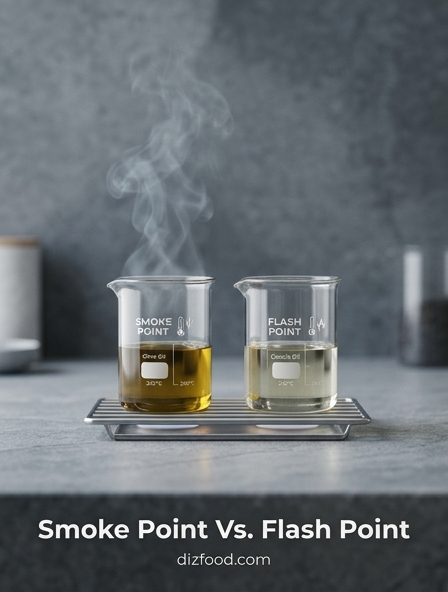
Understanding the smoke point is critical for any cook, as it marks the temperature at which an oil begins to break down and release visible smoke. At this point, the oil is no longer stable, and harmful compounds begin to form. Pure MCT oil typically has a lower smoke point compared to refined oils, generally hovering around 320°F (160°C). This makes it ideal for medium-heat applications but less suitable for deep-frying at 375°F. However, when MCTs are part of a refined coconut oil or a specialized blend, the smoke point increases significantly, allowing for a broader range of cooking techniques.
| Oil Composition | Smoke Point (°F) | Cooking Compatibility |
|---|---|---|
| Pure C8/C10 MCT Oil | ~320°F | Sautéing, Baking, Sauces |
| Unrefined Coconut Oil | ~350°F | Light frying, Popcorn |
| Refined Coconut Oil | ~400°F | Stir-frying, Deep frying |
| MCT & Ghee Blend | ~450°F | Searing, Grilling |
To maximize kitchen safety and food quality, it is essential to match the oil to the heat source. For high-velocity cooking like searing steaks or wok-frying, a refined MCT-rich oil is necessary. For finishing dishes or light pan-frying, the pure liquid form provides the best nutritional delivery without reaching the point of thermal degradation.
Enhancing Flavor and Health in Fried Foods
One of the most significant advantages of using MCTs in frying is their neutral flavor profile. Unlike extra virgin olive oil or unrefined coconut oil, which carry distinct tastes that can clash with certain ingredients, refined MCT oils are virtually tasteless and odorless. This allows the natural flavors of the protein or vegetable to take center stage. Moreover, the physical properties of MCTs result in less oil being absorbed into the food. The smaller molecular size allows the oil to heat up and cook the surface of the food rapidly, creating a moisture-barrier that prevents the interior from becoming bogged down with grease. This leads to a finished product that is lighter, crispier, and significantly healthier. Because the oil does not "feel" heavy on the palate, it enhances the eating experience by providing a clean finish. Combining this with the fact that these fats are burned for energy rather than stored, consumers can enjoy the textures of fried foods with a vastly improved nutritional profile. The result is a culinary synergy where the crispness of a fry and the health benefits of a supplement coexist on the same plate.
Daily Kitchen Benefits of Rapid Energy Fats
Integrating MCTs into the daily kitchen routine goes beyond just frying; it is about versatile energy management. These fats are incredibly adaptable, functioning as well in a morning beverage as they do in a midnight stir-fry. Because pure MCT oil remains liquid even when refrigerated, it is an ideal candidate for homemade dressings and cold sauces that won't solidify. This liquidity, combined with its high caloric density and rapid absorption, makes it a staple for those seeking to maintain high performance throughout a busy day. Using MCTs daily can be achieved through several simple methods:
- Morning Beverages: Whisking MCT oil into coffee or tea for sustained mental clarity.
- Salad Dressings: Creating emulsified vinaigrettes that stay fluid at any temperature.
- Smoothie Booster: Adding a tablespoon to fruit or protein shakes for increased fat-soluble vitamin uptake.
- Finishing Oil: Drizzling over steamed vegetables or grilled fish to enhance satiety.
The convenience of MCTs lies in their ability to seamlessly blend into existing recipes without altering the desired texture or flavor. This makes them one of the most accessible "superfoods" for the modern kitchen, providing a functional boost with minimal effort or culinary disruption.
Optimized Frying Techniques Using Stable MCTs
To get the most out of MCTs in a high-heat environment, specific techniques should be employed to preserve the oil's integrity. First, always start with a dry pan and gradually bring the oil up to temperature; shocking a cold MCT oil with intense heat can cause unnecessary splashing. It is also advisable to fry in smaller batches to prevent the temperature of the oil from dropping too significantly, which can lead to increased oil absorption. Monitoring the temperature with an infrared thermometer is highly recommended, as it allows the cook to stay within the safe smoke point range. Additionally, proper storage of MCT oils is crucial for maintaining their stability. Keep the oil in a cool, dark place away from the stove, as heat and light exposure can eventually lead to degradation even in saturated fats.
- Preheat the pan before adding the oil to ensure even distribution.
- Use a splatter guard to manage the unique viscosity of MCTs during frying.
- Filter and store used oil only if it has not reached the smoke point.
- Combine MCTs with a small amount of butter or ghee for better visual cues of browning.
By following these optimized techniques, you can harness the full potential of MCTs, creating dishes that are not only culinary successes but also powerhouses of metabolic efficiency.

Comments