
Maximizing Frying Oil Recovery Efficiency
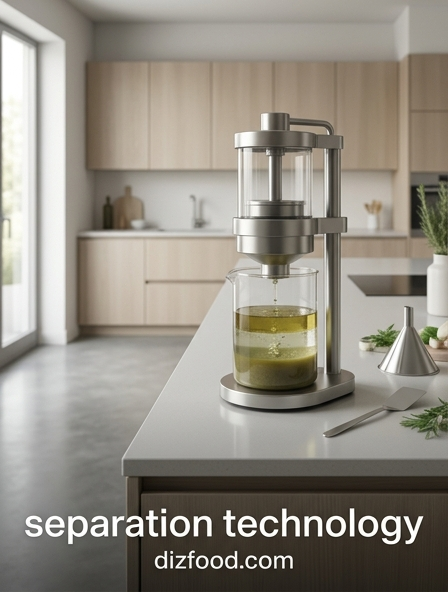
Efficient recovery of frying oil is essential for high-volume industrial kitchens aiming to balance quality and cost. The primary objective is to separate suspended food particles and carbonized debris that accelerate chemical degradation. By utilizing mechanical separation technology, operators can intercept contaminants before they catalyze the oxidation process, which leads to off-flavors and undesirable odors. Modern recovery units employ automated cycles to draw oil through specialized stainless steel meshes or paper-based media, ensuring that the liquid remains viable for extended periods.
- Reduction in overall oil procurement costs by up to forty percent.
- Maintenance of consistent flavor profiles across high-volume production batches.
- Decreased labor intensity compared to manual skimming and gravity-based drainage.
- Lowered environmental impact through reduced waste oil disposal requirements.
The integration of these systems allows for continuous operation, where oil is polished and returned to the fryer without requiring significant downtime. This seamless flow maintains the thermal equilibrium of the cooking medium, ensuring that food products are cooked evenly while minimizing the absorption of polar compounds and free fatty acids.
Centrifugal Separation in Industrial Kitchens
Centrifugal separation represents a significant leap in kitchen technology, utilizing high-speed rotation to segregate components based on density. In an industrial culinary environment, these separators are predominantly used for clarifying fats and recovering protein-rich solids from wastewater streams. The force generated-often thousands of times the force of gravity-rapidly isolates fine particulates that would otherwise pass through traditional mesh filters. This level of precision is particularly effective for high-viscosity liquids and emulsions common in large-scale food preparation.
| Feature | Gravity Decanting | Centrifugal Separation |
|---|---|---|
| Processing Speed | Slow / Passive | Rapid / Active |
| Clarification Level | Low to Medium | Very High |
| Footprint | Large Tank Space | Compact Machinery |
By implementing centrifugal systems, kitchens can achieve a degree of purity that extends the functional life of ingredients. This technology is not limited to oil; it is increasingly used in the production of clarified juices and stocks, where removing microscopic sediment is crucial for achieving the desired aesthetic and shelf stability of the final product.
Filtering Particulates for Enhanced Purity
The process of filtering particulates involves a multi-stage approach to removing impurities that range from macroscopic breading crumbs to microscopic carbonized molecules. Purity in a kitchen setting is measured by the absence of sediment and the stability of the liquid medium. Effective filtration systems often utilize a combination of surface and depth filtration techniques to capture contaminants throughout the entire volume of the media, rather than just on the exterior surface.
- Coarse filtration to remove large debris and food remnants immediately after cooking.
- Secondary polishing using fine-mesh screens to capture mid-sized particles.
- Adsorption stages using activated carbon or volcanic ash to remove dissolved impurities.
- Final verification through high-clarity discharge outlets to monitor oil color.
This systematic removal of particulates prevents the "smoking point" of the oil from dropping prematurely. When particles are allowed to remain in the hot oil, they burn and release bitter compounds. By maintaining a high level of purity through rigorous filtration, the kitchen ensures that the sensory attributes of the food-such as crispness and aroma-remain uncompromised throughout the service cycle.
Steam and Heat Reclamation Systems
In modern industrial kitchens, steam and heat reclamation systems serve as a critical separation technology by isolating energy from exhaust streams. Large-scale cooking operations generate significant amounts of thermal energy in the form of steam and hot air, which are traditionally vented into the atmosphere. Separation technology in this context focuses on stripping heat from vapor via high-efficiency heat exchangers. By condensing steam back into liquid water, these systems capture latent heat that can be repurposed to preheat incoming water supplies for dishwashers or boilers.
This process not only reduces the energy required to maintain high kitchen temperatures but also mitigates the moisture load on the building's HVAC system. When moisture is separated and removed effectively, the kitchen environment becomes safer and more comfortable for staff. Furthermore, reclaiming this energy directly correlates to a reduction in utility expenditures. Advanced systems can now integrate grease-separation components within the heat recovery unit, ensuring that the heat exchange surfaces remain clean and efficient. This dual-purpose separation of both heat and airborne grease represents the pinnacle of resource management in high-output culinary environments.
Extending Oil Life Through Microfiltration
Microfiltration technology operates at a scale far beyond standard kitchen sieves, targeting particles as small as 0.5 microns. This level of separation is vital for removing the precursors of oxidation and polymerization, which are the primary causes of oil spoilage. Unlike traditional methods that only catch visible "crumbs," microfiltration addresses the microscopic catalysts that break down the molecular structure of the oil. This technological intervention is critical for operations that rely on high-temperature frying for extended durations.
- Removes microscopic carbon that causes dark coloration in fried products.
- Eliminates fine silt that contributes to the breakdown of fatty acids.
- Stabilizes the oil's chemistry, preventing the development of soapy or metallic tastes.
- Reduces the frequency of complete oil change-outs by up to sixty percent.
By maintaining the oil at a near-virgin state, microfiltration ensures that the heat transfer properties remain consistent. This results in faster cooking times and less oil absorption into the food, which improves both the nutritional profile and the texture of the finished product. Investing in microfiltration is a commitment to both quality control and operational sustainability.
Sustainable Solid Waste Management Strategies
Effective solid waste management in a kitchen environment relies on the separation of organic materials from non-organic recyclables and general refuse. This process begins at the point of generation, where pulpers and extractors are used to separate liquid content from food scraps. By reducing the volume and weight of organic waste through mechanical dewatering, kitchens can significantly lower their waste disposal fees and carbon footprint. The resulting "dry" pulp is much easier to transport and process for composting or biogas production.
| Waste Category | Separation Method | Secondary Use |
|---|---|---|
| Vegetable Scraps | Pulping/Dewatering | Compost/Soil Amendment |
| Animal Fats | Grease Trapping | Biodiesel Production |
| Cardboard/Paper | Compaction | Paper Recycling |
Implementing these strategies requires a combination of specialized equipment and staff training. By isolating food waste from the general stream, kitchens prevent the contamination of other recyclables, ensuring a higher recovery rate for all discarded materials. This circular approach to waste management is a hallmark of the modern, environmentally conscious industrial kitchen.
Membrane Technology for Resource Extraction
Membrane technology is an advanced separation method used in food production to isolate specific molecules from liquid streams. This technology utilizes semi-permeable barriers to separate substances based on molecular size or charge. In a kitchen context, this is often applied to the recovery of proteins from wash water or the purification of water for reuse in cleaning processes. The precision of membrane separation allows for the extraction of high-value components that would otherwise be lost to the drainage system.
- Reverse Osmosis: Used for water purification and concentrating fruit juices.
- Ultrafiltration: Ideal for recovering proteins and fats from dairy or meat processing.
- Nanofiltration: Employed to remove minerals or small organic molecules from liquids.
- Microfiltration: Used for clearing bacteria and larger suspended solids.
By adopting membrane systems, industrial kitchens can transform their wastewater into a source of valuable byproducts. For example, starch can be recovered from potato processing water and repurposed as a thickening agent or sold as a raw material. This technology turns traditional waste streams into profit centers while significantly reducing the hydraulic load on municipal sewage systems.
Reducing Environmental Impact of Frying
The environmental impact of frying operations is multifaceted, involving air emissions, energy consumption, and waste oil generation. Separation technology plays a pivotal role in mitigating these effects by controlling the release of volatile organic compounds (VOCs) and grease particulates into the atmosphere. Advanced hood systems equipped with electrostatic precipitators separate grease from the air stream before it exits the building. This reduces air pollution and prevents the buildup of flammable materials in ductwork, which enhances safety and lowers maintenance costs.
Furthermore, by optimizing the separation of used cooking oil from solid contaminants, kitchens contribute to the renewable energy sector. Clean, well-separated waste oil is a premium feedstock for biodiesel production. When a kitchen manages its separation processes effectively, it minimizes the amount of oil that ends up in local water systems, which can cause severe blockages and environmental degradation. These efforts collectively reduce the ecological footprint of the facility, aligning industrial food production with global sustainability goals. Through the careful isolation of waste and emissions, the kitchen becomes a responsible link in the food supply chain.
Closed Loop Systems in Food Production
Closed loop systems represent the ultimate application of separation technology, where every byproduct is captured, treated, and reintegrated into the production cycle. In a commercial kitchen, this involves complex setups that recycle water, heat, and oils. For instance, water used for blanching vegetables can be filtered, treated with ultraviolet light to separate microbial contaminants, and then reused for initial cleaning stages. This reduces the demand for fresh water and minimizes the volume of effluent discharged into the environment.
- Capture and reuse of thermal energy from refrigeration units to heat water.
- Recycling of frying oil into high-grade biodiesel for onsite generators.
- Recovery of nutrients from food waste to fertilize onsite herb gardens.
- Reclaiming wash water through advanced membrane and filtration stages.
The success of a closed loop system depends on the efficiency of the separation stages. If contaminants are not isolated effectively, they can accumulate and compromise the integrity of the loop. By perfecting these separation techniques, kitchens can achieve a high degree of self-sufficiency, insulating themselves from fluctuating utility prices and demonstrating a deep commitment to circular economic principles.
Economic Gains from Separation Innovation
Innovation in separation technology yields significant economic benefits for industrial kitchens by optimizing resource utilization and reducing overhead. The primary financial gain is realized through the extension of ingredient lifespans and the reduction of waste. When a kitchen invests in high-efficiency oil recovery or heat reclamation, the return on investment (ROI) is typically achieved through decreased procurement costs and lower energy bills. Furthermore, automated separation reduces the labor hours required for cleaning and waste management, allowing staff to focus on higher-value tasks.
| Financial Metric | Standard Kitchen | Innovation-Led Kitchen |
|---|---|---|
| Oil Replacement Frequency | Every 2-3 Days | Every 7-10 Days |
| Waste Disposal Costs | High / Daily | Low / Weekly (Reduced Volume) |
| Energy Efficiency | Baseline | 20% - 30% Improvement |
Beyond direct cost savings, separation technology improves product consistency, which drives customer loyalty and reduces the risk of costly batch failures. The ability to reclaim high-value solids and liquids also opens new revenue streams through the sale of byproducts. Ultimately, the integration of these technologies transforms the kitchen from a cost center into a highly efficient production facility characterized by lean operations and enhanced profitability.



Comments