
The Role of Protein in Batter
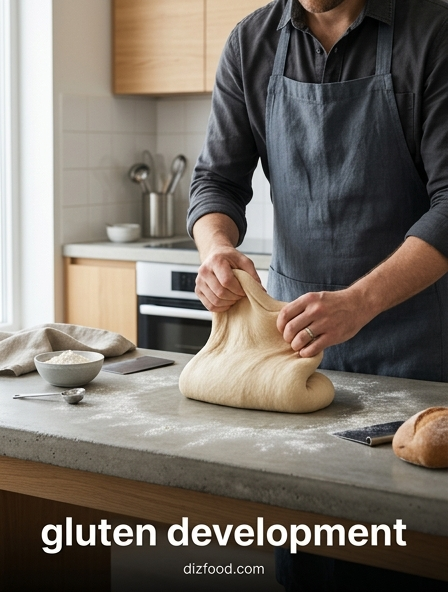
In the context of kitchen science, the protein content of flour is the primary determinant of gluten development. Wheat flour contains two specific proteins: glutenin and gliadin. When water is introduced to these proteins, they begin to bond and form a complex, elastic network known as gluten. In bread making, this network is essential for trapping gases; however, in batters for frying or delicate cakes, excessive protein leads to a tough, bready, or rubbery texture. Selecting the right flour is the first step in controlling this structural outcome.
- Cake Flour: Contains 6-8% protein, resulting in minimal gluten and a tender crumb.
- All-Purpose Flour: Contains 10-12% protein, providing a balance of structure and softness.
- Bread Flour: Contains 12-14% protein, designed for high-strength gluten networks.
The concentration of these proteins dictates how quickly the batter will toughen upon mixing. For batters where a crisp, light snap is desired, low-protein flours are preferred to ensure the gluten network remains sparse and fragile during the cooking process.
Ice Cold Liquids and Gluten Control
Temperature plays a critical role in the kinetics of protein hydration. Using ice-cold liquids, such as water or milk, significantly slows down the rate at which glutenin and gliadin bond. Heat acts as a catalyst for chemical reactions; by keeping the environment cold, the molecular movement of the proteins is suppressed. This delay is vital when a batter needs to be prepared slightly in advance or when it requires a specific level of viscosity without becoming elastic.
| Liquid Temp | Gluten Formation Rate | Resulting Texture |
|---|---|---|
| Ice Cold | Very Slow | Crisp and Fragile |
| Room Temp | Moderate | Standard/Chewy |
| Warm/Hot | Rapid | Tough and Elastic |
Furthermore, cold liquids help maintain the stability of fats within the batter and prevent the flour from absorbing moisture too aggressively. This ensures that when the batter hits the hot oil, the moisture is available for immediate evaporation rather than being bound tightly within a developed gluten matrix.
Carbonation for Enhanced Texture
Incorporating carbonated liquids like seltzer water or beer into a batter introduces a mechanical method for disrupting gluten development. The bubbles of carbon dioxide physically push against the protein strands as they attempt to link, creating a more aerated and discontinuous structure. This process is highly effective for achieving the "shatter-crisp" texture found in tempura and traditional fish batters. The acidity often found in carbonated beverages also slightly lowers the pH of the batter, which can further inhibit gluten strength.
- The dissolved CO2 expands rapidly when exposed to high heat, inflating the batter.
- The physical presence of gas pockets reduces the density of the flour-to-liquid ratio.
- The resulting cooked shell is thin and porous, allowing steam to escape efficiently.
This method relies on the immediate use of the batter while the carbonation is at its peak. If the batter sits too long and goes flat, the mechanical advantage is lost, and the proteins will eventually settle into a more cohesive, and therefore tougher, layer.
Alcohol as a Gluten Inhibitor
Alcohol is a powerful tool for controlling gluten because it does not trigger the hydration of glutenin and gliadin in the same way that water does. In fact, gluten cannot develop in pure ethanol. By replacing a portion of the water in a recipe with high-proof alcohol, such as vodka, a chef can maintain the necessary fluidity of a batter while strictly limiting the amount of gluten that can physically form. This allows for a batter that is easy to dip and coat but remains incredibly tender after cooking.
Another scientific advantage of alcohol is its high volatility. Alcohol has a much lower boiling point than water, meaning it evaporates faster and more violently when it contacts hot oil or a hot pan. This rapid transition from liquid to gas creates tiny air pockets and a desiccated surface much faster than water alone. Because the alcohol leaves the system so quickly, the resulting crust is drier and crispier. This technique is particularly popular in pie crusts and specialized frying batters where a long shelf-life for the crunch is required.
Minimizing Agitation for Lightness
Mechanical energy is the primary driver of gluten development once hydration has occurred. Stirring, whisking, or kneading aligns the protein strands, allowing them to form the strong cross-links that characterize bread dough. In the world of batters and pastries, this agitation is often the enemy of lightness. Every stroke of the whisk strengthens the web, making the final product heavier and more resistant to the expansion of leavening gases.
- Fold, Don't Stir: Use a gentle folding motion to combine ingredients without stretching the proteins.
- Stop at Incorporation: Cease mixing as soon as the dry ingredients are just moistened.
- Use Sifted Ingredients: Sifting flour removes clumps, requiring less mixing to achieve a smooth consistency.
When a batter is "over-mixed," it becomes noticeably viscous and "stretchy." This elasticity is a clear indicator that the gluten network has become too robust. For pancakes, muffins, and fried coatings, a lack of agitation ensures that the structure remains weak enough to be easily broken by the teeth, providing a superior mouthfeel and lighter texture.
Starch Ratios for Maximum Crispness
To further minimize gluten development, chefs often dilute the wheat flour with pure starches that contain zero protein. Adding cornstarch, rice flour, or potato starch changes the overall ratio of the dry mix, ensuring there are fewer gluten-forming proteins available to link up. These starches also behave differently under heat; they undergo gelatinization and then dehydrate into a rigid, glass-like structure that is much crispier than wheat flour alone can achieve.
| Starch Type | Protein Content | Effect on Batter |
|---|---|---|
| Cornstarch | 0% | Creates a hard, thin, glass-like crunch. |
| Rice Flour | Low/Variable | Produces a sandy, light, and dry texture. |
| Potato Starch | 0% | Highly expansive; excellent for airy coatings. |
A common ratio for an ultra-crispy batter is 50% all-purpose flour and 50% cornstarch. This significantly reduces the potential for a "bready" coating. Because these starches do not form gluten, they help the batter remain thin and pourable, which is essential for ensuring the coating doesn't become too thick or oily during the frying process.
The Science of Thermal Shock
Thermal shock occurs when a very cold batter is introduced to a high-heat environment, typically 350°F to 375°F oil. This extreme temperature differential is a mechanical way to ensure a light texture without relying on chemical leaveners. The moisture on the surface of the cold batter turns to steam almost instantly. This rapid evaporation creates a barrier of steam that prevents the oil from soaking into the batter, while simultaneously puffing the structure outward before the gluten has a chance to set firmly.
- Sudden heat causes dissolved gases to expand at an accelerated rate.
- The cold temperature of the batter keeps the gluten in a relaxed state until the moment of contact.
- The immediate "searing" of the outer layer traps internal moisture, keeping the food inside succulent.
If the batter is warm, the temperature transition is more gradual. This slower process allows the gluten to tighten and the oil to penetrate the coating, resulting in a greasy, heavy finish. Keeping the batter chilled right up until the moment of frying is the most effective way to exploit thermal shock for a superior crunch.
Understanding Flour Hydration Levels
Hydration refers to the weight of the liquid relative to the weight of the flour. In gluten science, the amount of water available determines how much of the protein can actually be "activated." A very wet batter might seem like it would develop more gluten, but if the water content is high enough, the proteins are too diluted to find each other and form strong bonds. Conversely, in a dough with low hydration, the proteins are in close proximity, making bond formation highly efficient.
For kitchen applications like crepes or thin tempura, high hydration is used to create a runny consistency where the gluten network is intentionally weak and fragmented. However, if the batter is too thin, it will not cling to the food. The goal is to find the "saturation point" where the flour is fully hydrated to prevent a floury taste, but not so thick that it promotes a dense, bread-like structure. Managing hydration levels is a delicate balancing act between the physical thickness required to coat an ingredient and the chemical desire to keep gluten development to an absolute minimum.
Why Lumps Matter for Crunch
Counter-intuitively, a perfectly smooth batter is often inferior to one that contains small lumps of dry flour. When a batter is whisked until completely smooth, it is a sign that the mixture has been agitated enough to develop a continuous gluten network. By leaving small, pea-sized lumps of unincorporated flour, you are essentially creating "islands" of starch that have not been hydrated. These lumps act as structural weak points in the gluten web, preventing it from becoming a singular, tough sheet.
- Increased Surface Area: Lumps create an uneven surface that turns into extra-crispy crags when fried.
- Gluten Disruption: Dry pockets prevent the formation of long, elastic protein strands.
- Texture Variety: The contrast between the smooth fried batter and the dense, crunchy lumps improves mouthfeel.
In styles like Japanese tempura, "over-mixing" is considered a failure. A lumpy batter ensures that the coating remains light, airy, and breaks apart easily. These dry pockets also help absorb any residual surface moisture from the food being fried, acting as a secondary moisture barrier that keeps the interior moist and the exterior dry.
Optimizing Evaporation During Frying
The ultimate goal of managing gluten in a frying context is to facilitate the rapid and complete evaporation of water. Gluten is a hygroscopic structure, meaning it tends to hold onto water. If the gluten network is too strong or too dense, it traps moisture within the coating. During frying, if water cannot escape as steam, the coating will become soggy as it cools, because the internal steam will migrate back into the crust from the food inside.
To optimize evaporation, the batter must be thin and the gluten network must be minimized. A low-protein, high-starch batter with a touch of alcohol or carbonation creates a porous matrix. These pores act as exhaust vents for steam. As the water leaves, it is replaced by the structure of the starch and proteins "setting" into a rigid form. If you observe large, vigorous bubbles when food hits the oil, it is a sign of successful evaporation. As the bubbling slows, it indicates that the moisture has been removed, and the batter is transitioning from a hydrated state to a dehydrated, crispy state. Controlled gluten development ensures this transition happens before the food overcooks.


Comments