
Carbonation is the secret weapon for achieving a truly spectacular crust, acting as a natural leavening agent that creates an incredibly light and airy texture. When that bubbly mixture hits the hot oil, the carbon dioxide expands rapidly, creating tiny pockets of air that prevent the batter from becoming dense or oily. This aeration, combined with the sugars and proteins in the beer, facilitates a beautiful Maillard reaction for that signature deeply golden finish and robust crunch. It's a fascinating process that highlights the science of frying, particularly when exploring the distinct textures of Tempura Batter Vs. Beer Batter.
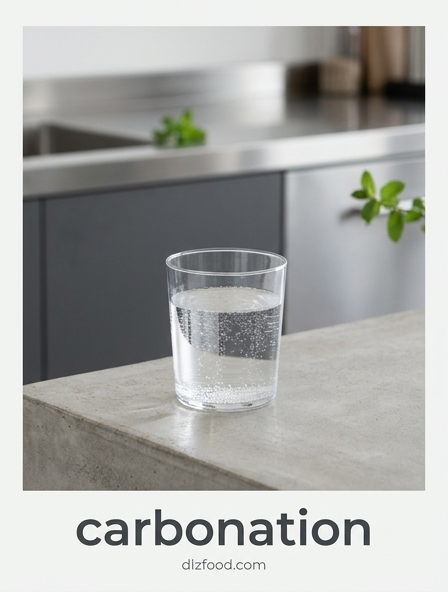
The Science of Carbonation in Batter
The incorporation of carbonated liquids into batter is a cornerstone of modern culinary physics. When a carbonated beverage, such as beer or seltzer, is mixed with flour, the dissolved carbon dioxide (CO2) remains trapped within the viscous matrix. This process relies on Henry's Law, where the solubility of the gas is maintained by the low temperature of the liquid. Once the batter hits the hot oil, the solubility of the CO2 plummets, causing the gas to expand rapidly and escape.
- Gas Expansion: As the temperature rises, the volume of the trapped CO2 increases, forcing the batter to inflate.
- Leavening Power: Unlike chemical leaveners, carbonation provides immediate mechanical leavening without leaving a residual metallic aftertaste.
- Density Reduction: The introduction of gas pockets significantly lowers the overall density of the batter, transforming a thick paste into a light foam.
This physical reaction creates a honeycomb-like structure that is essential for the desired "light-as-air" mouthfeel. The efficiency of this process is highly dependent on the initial concentration of dissolved gases and the speed at which the batter is utilized.
Achieving Aeration for Maximum Crispness
Aeration is the primary mechanism behind the distinct crunch found in carbonated batters. By introducing thousands of microscopic bubbles, the surface area of the batter increases exponentially. When this aerated mixture is submerged in fat, the high surface-to-volume ratio allows for more efficient heat transfer and moisture evaporation. This rapid evaporation is what ultimately cures the batter into a crisp shell.
- Whisk the flour and carbonated liquid gently to preserve the suspended bubbles.
- Ensure the liquid is ice-cold to maximize the volume of dissolved carbon dioxide.
- Dip the food item and fry immediately to catch the bubbles at their peak expansion.
The resulting texture is far superior to still-water batters, which often become dense and chewy. In an aerated batter, the thin walls of the bubbles become brittle and delicate upon frying. This creates a multi-layered textural experience where each bite shatters easily, providing a clean snap rather than a heavy crunch. The absence of excess water, replaced by air, ensures the crust remains light even after cooling slightly.
Carbon Dioxide and Crust Structural Integrity
The structural integrity of a fried crust is determined by how well the starch and protein matrix can support the internal gas pressure. Carbon dioxide acts as a biological architect within the batter, pushing against the gluten and starch molecules to create a reinforced web. This network must be strong enough to hold the gas but flexible enough to expand without rupturing prematurely. If the bubbles are too large, the crust becomes fragile and oily; if they are too small, it becomes tough.
| Bubble Size | Resulting Texture | Oil Absorption |
|---|---|---|
| Micro-bubbles | Dense and crunchy | Low |
| Medium-bubbles | Light and shattered | Moderate |
| Large-bubbles | Fragile and greasy | High |
As the starch gelatinizes during the frying process, it sets around these CO2 pockets, creating a permanent rigid structure. The presence of carbon dioxide ensures that even a very thin layer of batter can maintain its shape, providing a protective and aesthetically pleasing exterior for the ingredient within.
The Role of Bubbles in Thermal Insulation
Beyond texture, the bubbles created by carbonation serve a critical functional role in thermal insulation. Air and carbon dioxide are poor conductors of heat compared to water or solid starch. When the batter expands into a foam-like state, the gas pockets act as a buffer between the intense heat of the frying oil and the delicate protein-such as fish or shrimp-inside the coating. This allows the exterior to reach the high temperatures necessary for crispness while the interior steams gently in its own juices.
This insulation prevents the interior from overcooking or becoming rubbery. The steam generated from the food itself is also pushed outward through the porous structure created by the carbonation. This outward flow of steam creates a positive pressure environment that resists the ingress of oil. Consequently, the food is cooked via indirect heat, ensuring a moist, tender center that contrasts perfectly with the dry, crispy exterior shell. Without this gas-filled barrier, the heat would transfer too rapidly, leading to dry, over-processed ingredients.
Enhancing the Maillard Reaction for Golden Color
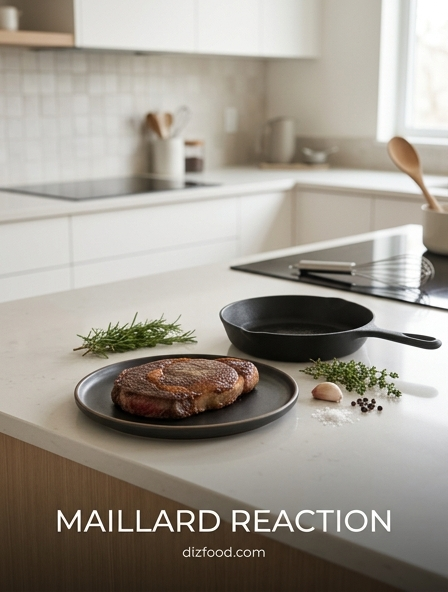
The Maillard reaction, the chemical interplay between amino acids and reducing sugars, is responsible for the golden-brown color and savory aroma of fried foods. When using beer as the carbonation source, this reaction is significantly enhanced. Beers contain maltose and other complex sugars that react more readily under high heat than plain flour alone. The presence of carbonation further assists this by increasing the surface area exposed to the heat, ensuring the reaction occurs uniformly across the crust.
The pH level of the carbonated liquid also plays a subtle role. Most beers and seltzers are slightly acidic, which can modulate the speed of browning. However, as the CO2 escapes and the liquid evaporates, the concentration of solutes increases, accelerating the development of melanoidins. This results in a vibrant, mahogany hue that is visually more appealing than the pale yellow of a water-based batter. Additionally, the unique proteins found in malted beverages contribute to a more complex flavor profile, adding nutty and toasted notes that complement the fried flavor without overpowering the main ingredient.
Impact of Alcohol Evaporation on Surface Texture
Alcohol plays a specialized role in the texture of carbonated batters, particularly when beer is the primary liquid. Ethanol has a significantly lower boiling point than water (approximately 78°C vs 100°C). When the batter hits the hot oil, the alcohol evaporates much faster than the water content. This rapid phase change assists the carbon dioxide in inflating the batter, but its primary benefit is the speed at which it dries the crust.
- Reduced Gluten Development: Alcohol inhibits the formation of long gluten strands, ensuring the crust remains tender.
- Flash Evaporation: The quick departure of alcohol leaves behind a dry, porous surface that resists sogginess.
- Volatility: As it evaporates, it carries away moisture from the flour, leading to a faster "set" of the starch matrix.
This "flash-drying" effect is crucial for achieving a professional-grade finish. Because the alcohol leaves the system so quickly, it allows the starch to reach the dehydration phase sooner, which is when the truly crispy texture is formed. This is why beer-battered foods often stay crunchy longer than those made with non-alcoholic carbonated water.
Selecting the Ideal Beer for Frying Results
Not all carbonated beverages are created equal when it comes to the deep fryer. The chemical composition of the beer-including its sugar content, acidity, and protein level-will dictate the final performance of the batter. A high-protein beer can lead to a tougher crust, while a high-sugar beer may brown too quickly, leaving the inside raw. For most kitchen applications, a balance is required to achieve the perfect golden-brown finish and delicate crunch.
| Beer Type | Sugar Level | Result |
|---|---|---|
| Pale Lager | Low | Crispy, light, pale color |
| Amber Ale | Medium | Rich color, nutty flavor |
| Stout | High | Dark color, heavy crust |
| Pilsner | Low | Clean snap, very light |
Professional chefs often prefer cold, highly carbonated lagers or pilsners. These beers provide maximum gas volume with minimal interference from heavy hops or dark malts. The neutral flavor profile of a lager ensures that the natural taste of the fish or vegetable remains the star, while the high carbonation provides the necessary lift and aeration.
How Liquid Acidity Influences Crust Development
The acidity of the carbonated liquid, often ranging from a pH of 4.0 to 5.0 in beers, has a profound impact on the molecular behavior of the batter. Acidic environments cause proteins in the flour to denature and coagulate more effectively. In the context of a batter, this helps to "set" the structure of the bubbles more quickly as soon as they encounter the heat. Furthermore, acidity influences the gelatinization temperature of wheat starches, often lowering it slightly, which allows the crust to firm up before the internal moisture can escape.
Additionally, the carbonic acid present in seltzers and beers helps to break down long gluten chains. This prevents the batter from becoming overly elastic or "bread-like." Instead, the resulting texture is short and brittle, which is the hallmark of a high-quality fried coating. This chemical interference ensures that the batter remains a light, crisp shell rather than a heavy, doughy wrap. The subtle tang provided by the acidity also serves to cut through the richness of the frying fat, providing a more balanced flavor profile on the palate.
The Interaction Between Carbonation and Wheat Starch
The relationship between carbon dioxide and wheat starch is the foundation of batter rheology. Wheat flour contains two primary starches: amylose and amylopectin. When a carbonated liquid is added, the CO2 bubbles are physically trapped by the granules. As the temperature rises during frying, these starch granules undergo gelatinization, absorbing the surrounding liquid and swelling. The carbonation ensures that this swelling happens around a void of gas, rather than creating a solid mass.
As the moisture is driven off by the heat, the amylose leaches out and forms a rigid, glassy film around the air pockets. This process is what creates the "shatter" effect. Carbonation acts as a spacing agent, preventing the starch granules from clumping together. This results in a much thinner, more delicate starch wall than what would be possible with a still liquid. The interaction is a race against time; the starch must set before the gas escapes entirely. If the starch is too weak, the bubbles collapse, leading to a flat, oily coating that lacks the characteristic airy texture of a successful beer batter.
Maintaining Bubble Longevity During Mixing and Frying
The most common failure in carbonated batters is the premature loss of gas. Once the bottle is opened, the carbon dioxide begins to equilibrate with the atmosphere, and the agitation of mixing accelerates this loss. To maintain bubble longevity, specific handling techniques must be employed. The goal is to keep the CO2 in a dissolved state for as long as possible and then in a suspended state once the batter is mixed.
- Keep all ingredients, including the bowl and flour, chilled to slow gas escape.
- Use a "folding" motion rather than aggressive whisking to incorporate the liquid.
- Do not over-mix; a few lumps are preferable to a flat, over-worked batter.
- Prepare the batter in small batches immediately before frying.
Temperature management is the most critical variable. Cold liquids can hold significantly more dissolved gas than warm ones. If the batter becomes warm, the CO2 will bubble out into the air before it ever reaches the fryer. By maintaining a cold environment, the chef ensures that the maximum amount of gas is available to expand the moment it contacts the 180°C oil, resulting in the ultimate light and crispy texture.

Comments