
Choosing Durable Commercial Tableware Materials
In a high-volume professional kitchen, the longevity of tableware is directly linked to the establishment's overhead costs and operational efficiency. Choosing the right material requires a balance between aesthetic appeal and structural integrity. Commercial-grade porcelain remains a primary choice due to its high firing temperature, which results in a non-porous and chip-resistant finish. For establishments seeking a more refined look without sacrificing strength, bone china incorporates bone ash to create a thinner, more translucent body that is surprisingly resilient to mechanical shock.
- Vitrified Glass: Extremely resistant to breaking and scratching, ideal for high-turnover casual dining.
- Melamine: A lightweight, virtually unbreakable resin perfect for outdoor dining or high-traffic cafeterias.
- Stoneware: Offers a rustic, artisanal look with significant density, though often heavier for staff to carry.
- Alumina-Enriched Ceramic: Specifically engineered for the hospitality industry to withstand rigorous dishwashing cycles.
Ultimately, the material must withstand the "thermal shock" of moving from a cold refrigerator to a high-heat oven or commercial dishwasher. Selecting materials with reinforced edges or rolled rims can further extend the lifespan of the inventory, ensuring the table footprint remains professional and polished over hundreds of services.
Optimizing Tapas Plate Sizes for Portion Control
The tapas dining concept relies heavily on the psychological and visual perception of abundance within a small physical footprint. Optimizing plate sizes for these small plates is a strategic move that influences both food cost and customer satisfaction. A plate that is too large makes a portion look meager, while a plate that is too small can lead to messy presentations and perceived lack of value. For standard tapas service, plates typically range from 5 to 7 inches in diameter.
- Assess the surface area of your most popular protein-based tapas to determine a baseline diameter.
- Utilize "coupe" styles-plates without a rim-to maximize the usable surface area for larger appetizers.
- Incorporate shallow bowls for saucy items like patatas bravas to contain liquids without requiring a full-sized bowl.
- Test the stackability of selected sizes to ensure they do not overcrowd the center of the table during multi-course service.
By standardizing these smaller dimensions, chefs can ensure consistency across different shifts. This precision allows the kitchen to manage margins effectively while allowing guests to sample a wide variety of flavors without feeling overwhelmed by the physical volume of the dishware on the table.
Standard Dinner Plate Dimensions for Main Courses
The dinner plate is the centerpiece of the table footprint, acting as the canvas for the chef's primary execution. While trends fluctuate, the industry standard for a main course plate generally falls between 10 and 12 inches. The choice between a wide-rimmed plate and a coupe plate significantly impacts the perceived portion size and the room available for garnish. A wide rim provides a natural frame for the food, focusing the eye on the center, whereas a coupe plate offers a more modern, expansive feel.
| Plate Type | Standard Diameter | Best Use Case |
|---|---|---|
| Standard Dinner | 10.5 - 11 inches | Traditional entrees and proteins |
| Oversized Charger | 12 - 13 inches | Fine dining base plates or sharing platters |
| European Bistro | 9 - 10 inches | Lighter lunches and space-constrained tables |
Choosing dimensions requires careful consideration of the actual table size in the dining room. If tables are small, oversized 12-inch plates can lead to a cluttered environment where glassware and cutlery are pushed to the edges. Balancing the plate diameter with the table's square footage ensures a comfortable and ergonomic experience for the diner.
Color Theory and Plate Aesthetics for Food Presentation
Color theory plays a vital role in how guests perceive the flavor, freshness, and quality of a meal. The background color of a plate can either enhance or diminish the visual appeal of the ingredients. White remains the most popular choice in professional kitchens because it provides a high-contrast backdrop that makes vibrant vegetable colors and rich seared meats "pop." However, modern gastronomy frequently utilizes darker tones to create a sense of drama and sophistication.
- Cool Tones (Blue/Grey): Often used for seafood to evoke a maritime feel, though blue is known to naturally suppress appetite.
- Earth Tones (Brown/Cream): Ideal for farm-to-table concepts, enhancing the perceived organic quality of the food.
- Black/Charcoal: Creates a striking contrast for brightly colored sauces and micro-greens, offering a contemporary aesthetic.
- Bright Colors: Used sparingly to highlight specific seasonal specials or high-energy breakfast concepts.
When selecting a color palette, chefs must consider the lighting of the dining room. Glossy finishes reflect overhead lights, which can be distracting, while matte finishes provide a more subdued, velvet-like appearance that absorbs light and emphasizes the texture of the food itself.
Selecting Plate Shapes to Match Menu Concepts
The geometry of tableware communicates the identity of a restaurant before the first bite is even taken. Round plates are the timeless standard, offering a sense of balance and tradition that suits almost any cuisine. Their lack of corners makes them easier to clean and less prone to chipping in the dish pit. However, many chefs are turning to non-traditional shapes to differentiate their brand and complement specific types of plating styles.
Square and rectangular plates are often associated with modern, Asian-fusion, or high-concept contemporary menus. They provide clean lines and sharp angles that work well for linear presentations, such as a row of sushi or a deconstructed dessert. Organic, asymmetrical shapes have also gained popularity, particularly in Nordic or artisanal farm-to-table restaurants. These "imperfect" shapes suggest a handmade quality that aligns with sustainable and locally sourced ingredients. When selecting shapes, it is crucial to ensure that they can be easily handled by servers and that they fit within the constraints of the restaurant's storage shelving and commercial dishwasher racks.
Impact of Texture and Glaze on the Dining Experience
The tactile sensation of a plate contributes significantly to the overall sensory experience of a meal. While the visual aspect is paramount, the way a fork moves across a surface or how a plate feels when lifted influences guest perception. Glazes serve as both a protective layer and a stylistic choice. A reactive glaze, for instance, creates unique variegated patterns during the firing process, ensuring that no two plates are exactly alike, which adds an artisanal touch to the table footprint.
- Glossy Glaze: Highly reflective and easy to clean; allows cutlery to glide smoothly.
- Matte Finish: Offers a modern, sophisticated look but can occasionally produce a "nails on a chalkboard" sound with certain metal utensils.
- Textured Rims: Hammered or embossed patterns provide a tactile grip for servers and a visual frame for the meal.
- Crackle Glaze: Provides an antique, weathered appearance that suits rustic or heritage-focused menus.
Texture also affects heat retention and food stability. A slightly textured surface can prevent delicate components from sliding during transport from the pass to the table, ensuring the chef's vision remains intact upon arrival.
Practical Stackability and Storage for Professional Kitchens
Efficiency in a professional kitchen is often measured by how well space is utilized. Tableware that does not stack efficiently can become a logistical nightmare in high-pressure environments. Practical stackability ensures that vertical space is maximized in both the clean dish storage area and the plating line. If plates are poorly designed, they may wobble or lean when stacked, increasing the risk of breakage and injury to staff.
- Check for a well-defined "foot" on the bottom of the plate that nests securely into the well of the plate below it.
- Evaluate the height of a stack of twenty plates to ensure it fits within standard under-counter shelving.
- Consider the weight of a full stack; porcelain is heavy, and overly thick plates can make stacks difficult for staff to move safely.
- Ensure that the glaze covers the foot of the plate to prevent scratching when plates are slid on top of one another.
By prioritizing storage-friendly designs, restaurant owners can reduce clutter in the kitchen and minimize the time spent organizing inventory, allowing the team to focus on food preparation and service speed.
Thermal Retention Properties of High Quality Ceramics
A common grievance in the dining industry is food arriving at the table at an improper temperature. High-quality ceramics play a pivotal role in temperature maintenance due to their thermal mass. Well-constructed plates act as heat sinks; when properly pre-heated in a plate warmer, they transfer heat back into the food, keeping the entree at the desired temperature throughout the duration of the guest's meal. This is especially critical for proteins and starch-heavy dishes that lose quality as they cool.
The density of the material determines its thermal retention capabilities. Vitrified porcelain and stoneware are excellent at holding heat because their dense molecular structures are less susceptible to rapid temperature fluctuations. Conversely, lightweight or thin materials lose heat quickly. Chefs must also consider "thermal shock" resistance. High-quality dinnerware is designed to transition from various temperature zones without cracking. Investing in ceramics with high thermal stability not only improves the guest experience by ensuring hot food stays hot, but also reduces the replacement frequency of cracked or crazed dishware caused by frequent heating and cooling cycles.
Coordinating Tapas and Dinnerware Styles
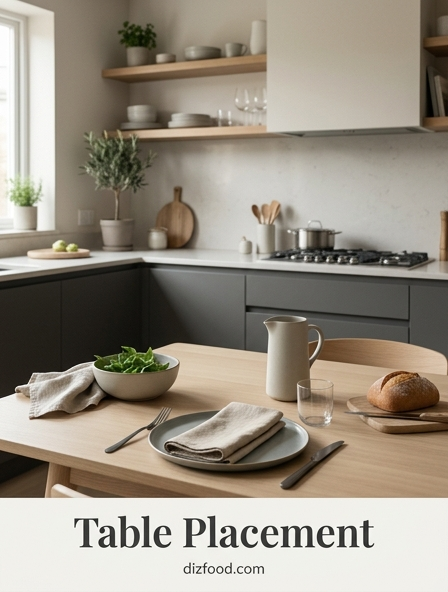
Creating a cohesive table footprint involves more than just selecting a single set of plates; it requires the harmonious coordination of various sizes and styles, especially when transitioning from small-plate appetizers to large-format entrees. A disjointed table can distract the guest and dilute the restaurant's brand identity. Successful coordination involves finding a common thread-such as color, material, or rim style-that ties diverse pieces together while allowing for functional variety.
| Coordination Element | Method of Implementation | Resulting Aesthetic |
|---|---|---|
| Monochromatic Palette | Mixing matte and gloss whites in various sizes | Clean, minimalist, and focused |
| Complementary Textures | Pairing smooth dinner plates with hammered tapas bowls | Tactile, rich, and artisanal |
| Accent Colors | Using neutral main plates with vibrant small plates | Energetic, modern, and playful |
When coordinating styles, consider the "table landscape." Tapas plates are often left on the table as the main course arrives. Ensuring that the smaller dishes nest visually or physically near the larger dinner plates creates an organized and intentional dining environment that enhances the overall flow of the meal.
Sourcing Sustainable and Long Lasting Restaurant Plates
Sustainability has become a core value for modern diners and restaurant operators alike. Sourcing eco-friendly tableware involves looking at the entire lifecycle of the product, from the raw materials used in the clay body to the energy efficiency of the kilns. Long-lasting plates are inherently more sustainable because they reduce the frequency of replacement and the associated waste. Selecting a manufacturer that offers "open stock" guarantees is also essential, as it allows for the replacement of single broken pieces rather than discarding entire sets.
- Recycled Content: Look for manufacturers that incorporate recycled ceramic waste back into their production line.
- Local Sourcing: Reducing the shipping distance lowers the carbon footprint of the inventory.
- Lead-Free Glazes: Ensures safety for both the environment and the end-user.
- Durability Certification: Choose brands that provide edge-chip warranties, signaling a commitment to longevity.
Investing in high-quality, sustainable plates might require a higher initial capital expenditure, but the long-term savings in replacement costs and the positive impact on the brand's environmental reputation provide a significant return on investment for the conscientious restaurateur.

Comments