
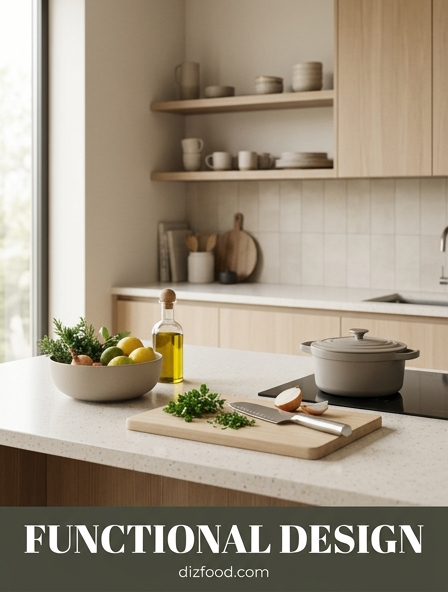
Mastering Kitchen Layout and Traffic Flow
The foundation of any functional kitchen is its layout, which dictates how efficiently a person can move between key tasks. Traditionally, the "work triangle" concept-connecting the sink, refrigerator, and stove-remains the gold standard for minimizing unnecessary steps. However, modern designs often expand this into specialized work zones to accommodate multiple users. Effective traffic flow ensures that the cooking area remains unobstructed by through-traffic, preventing accidents and congestion during busy meal preparation times.
To achieve a seamless flow, designers must consider the clearance between countertops and islands. A minimum of 42 inches is recommended for single-cook kitchens, while 48 inches is ideal for households where multiple people cook simultaneously. Consider the following layout types for optimal movement:
- U-Shaped: Offers maximum counter space and keeps the cook centered between three walls of appliances.
- L-Shaped: Ideal for open-plan homes, providing a flexible work triangle and an easy corner for a dining nook.
- Galley: Highly efficient for narrow spaces, utilizing two parallel walls to keep everything within arm's reach.
- Island Layout: Provides a central hub for prep work while directing foot traffic around the perimeter.
Choosing Ergonomic Furniture for Comfort
Ergonomics in the kitchen extends beyond the placement of appliances to the very furniture that supports daily activities. Selecting the right seating and work surfaces is essential for reducing physical strain and enhancing the overall cooking experience. Proper counter heights are vital; while the standard is 36 inches, custom heights can be implemented to suit the primary user's stature, preventing back pain during long periods of chopping or mixing. Furniture should support natural posture and ease of use.
- Adjustable Seating: Using stools with hydraulic lifts allows users of different heights to sit comfortably at a breakfast bar.
- Supportive Backrests: For dining chairs, ergonomic lumbar support encourages longer social gatherings without discomfort.
- Anti-Fatigue Mats: While not furniture in the traditional sense, these are essential ergonomic additions near sinks and prep stations.
- Rounded Edges: Choosing tables and islands with softened corners prevents painful bumps in high-traffic zones.
By prioritizing the human body's mechanics, a kitchen becomes a space of replenishment rather than a source of physical stress. The integration of these elements ensures that the kitchen remains accessible for users of all ages and mobility levels.
Optimizing Lighting for Ambiance and Utility
Lighting is a multi-dimensional tool in kitchen design, serving both practical safety needs and aesthetic goals. A well-designed kitchen utilizes a layered lighting approach, combining task, ambient, and accent sources to create a versatile environment. Task lighting is perhaps the most critical, as it illuminates work surfaces where precision is required, such as under cabinets for food preparation or directly above the range. Without proper task lighting, shadows can make cutting and measuring difficult and potentially hazardous.
| Lighting Type | Primary Purpose | Common Fixtures |
|---|---|---|
| Task | Safety and precision during prep | LED strips, puck lights, track lighting |
| Ambient | Overall illumination and warmth | Recessed cans, flush mounts, chandeliers |
| Accent | Highlighting architectural features | Wall sconces, toe-kick lights, glass cabinet LEDs |
Dimmers play a crucial role in transitioning the kitchen from a bright, high-energy workspace to a relaxed dining environment. Smart lighting systems can further automate this process, adjusting the color temperature from a cool blue-white for morning tasks to a warm golden hue for evening meals.
Strategic Zoning for Cooking and Dining
Modern kitchen design often moves away from the traditional triangle toward a zone-based approach, which organizes the space by activity. This method improves functionality by grouping related tools and appliances together. A dedicated "prep zone" might include a small sink and a trash pull-out, while a "baking zone" keeps mixers, flour, and cooling racks in one location. This organization reduces the distance traveled while performing specific tasks and keeps the kitchen organized even during complex meal preparations.
- Cleaning Zone: Centers around the main sink and dishwasher, ideally located near the storage for daily dinnerware.
- Cooking Zone: Includes the range, ovens, and spice storage, with heat-resistant countertops nearby.
- Consumables Zone: Comprises the refrigerator and pantry, acting as the primary entry point for groceries.
- Dining Zone: A distinct area, often separated by a peninsula or island, that allows for social interaction without interfering with the chef.
By clearly defining these areas, the kitchen maintains a logical flow. Strategic zoning also allows for better inventory management, as items are stored exactly where they are most frequently used.
Impact of Material Choice on Longevity
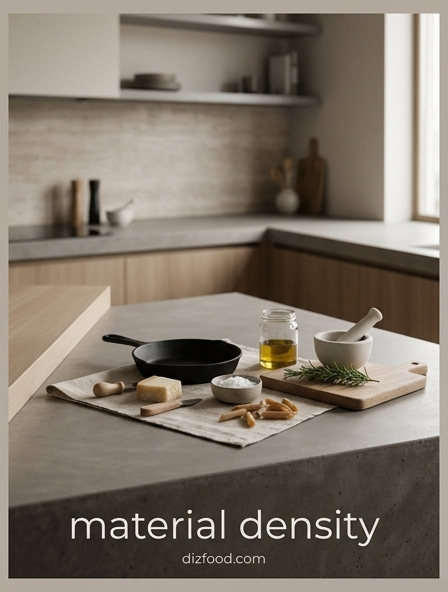
The materials selected for a kitchen significantly influence its durability and the amount of maintenance required over time. Because the kitchen is a high-moisture, high-heat environment, surfaces must be resilient enough to withstand daily wear and tear. Countertops, flooring, and cabinetry are the three pillars of material selection. For example, while natural marble is prized for its beauty, it is porous and prone to staining, whereas quartz offers a similar aesthetic with much higher resistance to bacteria and acids.
| Material | Durability | Maintenance Level |
|---|---|---|
| Quartz | High - Scratch/Stain resistant | Low - No sealing required |
| Stainless Steel | Very High - Heat resistant | Moderate - Prone to fingerprints |
| Porcelain Tile | High - Water resistant | Low - Easy to clean |
| Solid Wood | Moderate - Susceptible to moisture | High - Requires periodic oiling |
Choosing high-quality hardware, such as soft-close hinges and heavy-duty drawer slides, also contributes to the kitchen's lifespan. These components prevent the forceful slamming that can damage cabinet frames and doors over years of heavy use.
Effective Storage Solutions for Accessibility
Accessibility is the hallmark of a truly functional kitchen. Effective storage solutions ensure that every tool and ingredient is within easy reach, minimizing the need to bend deep into low cabinets or reach dangerously high shelves. Utilizing vertical space is a key strategy; tall pantry pull-outs and wall-mounted magnetic knife strips maximize every square inch. Furthermore, the shift from lower cabinets with doors to deep, full-extension drawers has revolutionized kitchen accessibility, allowing users to see and reach items at the very back of the unit.
- Pull-Out Shelving: Transforms deep cabinets into accessible storage for heavy pots and pans.
- Corner Carousel Units: Also known as Lazy Susans, these reclaim the often-wasted space in corner cabinets.
- Vertical Dividers: Perfect for storing baking sheets, cutting boards, and tray sets in an upright, easy-to-grab fashion.
- Appliance Garages: Keeps frequently used small appliances like toasters on the counter but hidden behind a door to reduce clutter.
Customizing storage based on the frequency of use ensures that daily essentials remain at eye level, while seasonal items are stored in less accessible areas, maintaining a streamlined workflow.
Integrating Smart Home Technology in Kitchens
Smart technology has transitioned from a luxury addition to a core component of functional kitchen design. Integrating technology helps streamline chores, manage energy consumption, and even assist in meal planning. Smart refrigerators now feature internal cameras that allow homeowners to check their inventory while at the grocery store, reducing food waste and unnecessary purchases. Similarly, smart ovens can be preheated remotely via smartphone, ensuring the kitchen is ready for use the moment one walks through the door.
Voice-controlled assistants have become indispensable in the kitchen, offering hands-free access to recipes, timers, and grocery lists. Beyond convenience, smart technology also enhances safety; many modern ranges feature automatic shut-off sensors or leak detectors for dishwashers that alert the user to potential issues before they become catastrophes. Touchless faucets are another popular integration, promoting hygiene by allowing users to turn on the water with a wave of a hand, preventing the spread of bacteria from raw food or messy dough. As technology continues to evolve, the kitchen becomes increasingly responsive to the needs of its inhabitants.
Creating Visual Harmony Through Color Palettes
While functionality is often associated with layout and appliances, visual harmony plays a psychological role in how a kitchen is experienced. A cohesive color palette can make a space feel more organized, spacious, and inviting. The "60-30-10" rule is often applied here: 60% of the room in a dominant color (usually cabinets or walls), 30% in a secondary color (flooring or island), and 10% as an accent color (backsplash or hardware). This balance prevents the space from feeling overwhelming or cluttered.
- Monochromatic: Uses varying shades of one color to create a sophisticated, seamless look that expands the sense of space.
- Analogous: Pairs colors next to each other on the color wheel for a serene and comfortable atmosphere.
- Complementary: Uses high-contrast colors (like blue and orange) to create a vibrant, high-energy environment.
- Neutral with Texture: Relies on whites and greys but uses wood grains and stone patterns to add depth and warmth.
Consistency in finish also contributes to harmony. Matching the undertones of the metal hardware-such as warm brass or cool chrome-across all fixtures ensures that the design feels intentional and polished.
Maximizing Function in Small Dining Areas
Designing for small dining areas requires a focus on versatility and the efficient use of space. When square footage is limited, furniture must often serve multiple purposes. Drop-leaf tables and wall-mounted surfaces provide dining capabilities when needed but can be folded away to clear the floor for movement. Built-in banquette seating is another highly effective solution; it fits snugly into corners or against walls, offering more seating than individual chairs while frequently providing hidden storage compartments beneath the cushions.
Visual tricks can also maximize the perception of space in small dining zones. Using glass-top tables or chairs with thin silhouettes allows the eye to travel through the furniture, making the room feel less crowded. Mirrors placed strategically can reflect light and give the illusion of depth. Lighting should be scaled appropriately; a large, heavy chandelier can overwhelm a small nook, whereas a sleek pendant light or recessed lighting maintains an airy feel. By prioritizing high-impact, low-profile elements, even the most compact kitchen can accommodate a comfortable and stylish dining experience without sacrificing the room's primary culinary functions.
Enhancing Social Connection with Open Design
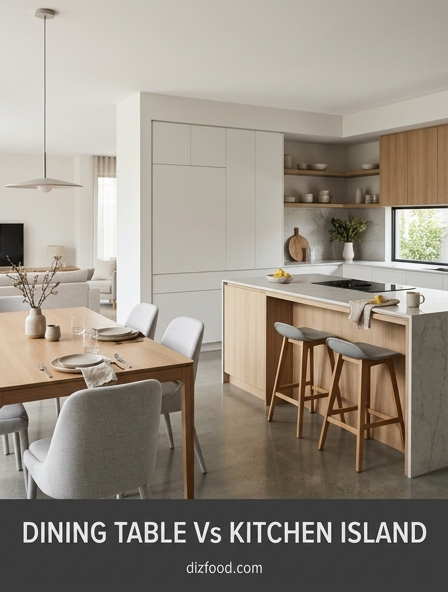
The modern kitchen has evolved into the "heart of the home," serving as a social hub rather than just a place for food preparation. Open-concept designs facilitate this shift by removing walls that once isolated the cook from guests and family. By integrating the kitchen with the living or dining room, the design encourages interaction and ensures the person preparing the meal remains part of the conversation. This layout is particularly beneficial for entertaining, as it allows for a fluid transition between cooking and socializing.
- Island Seating: Placing bar stools at a central island creates a natural gathering spot for guests to sit while the host works.
- Lowered Sightlines: Removing upper cabinets over peninsulas maintains a visual connection across different rooms.
- Unified Flooring: Using the same flooring material throughout the open area creates a sense of continuity and shared space.
- Acoustic Management: Incorporating soft surfaces like rugs or upholstered stools helps dampen the noise of clinking dishes in an open plan.
Strategic design choices ensure that the kitchen is both a high-performance workspace and a welcoming social environment, blending utility with the human need for connection.

Comments