
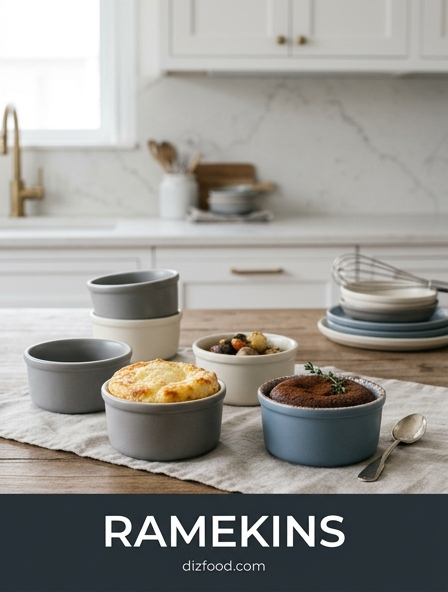
Ramekin Material Selection for Oven Safety
Selecting the appropriate material for ramekins is paramount to ensuring both culinary success and kitchen safety. Most professional-grade ramekins are crafted from high-fired ceramics, such as porcelain or stoneware, which are designed to withstand significant thermal stress. Porcelain is particularly favored for its dense, non-porous nature, which provides excellent heat resistance and a smooth surface that aids in food release. Stoneware offers a more rustic aesthetic and exceptional durability, often featuring a glazed finish that prevents moisture absorption during the baking process.
| Material | Max Temperature | Best Use |
|---|---|---|
| Porcelain | 500°F - 550°F | Soufflés and Crème Brûlée |
| Stoneware | 450°F - 500°F | Pot Pies and Gratins |
| Tempered Glass | 425°F | Cold Desserts or Low-Heat Baking |
It is essential to verify that the vessel is explicitly labeled as oven-safe before exposure to high heat. While borosilicate glass can handle moderate temperatures, sudden fluctuations can lead to structural failure. Always inspect for hairline fractures or chips before use, as these imperfections can expand under heat, leading to breakage during the cooking cycle.
Individual Portion Control Benefits
The use of ramekins in modern culinary practice extends beyond mere aesthetics, serving as a critical tool for precise portion control. In an era where nutritional awareness is paramount, these individual vessels allow chefs and home cooks to manage caloric intake effectively. By standardizing the volume of each serving, one ensures that every guest receives an identical amount of food, which is particularly beneficial for rich desserts or high-calorie side dishes. This method eliminates the guesswork often associated with family-style serving platters.
- Prevents overconsumption by defining clear serving boundaries.
- Ensures nutritional consistency across all prepared meals.
- Simplifies the calculation of macronutrients for dietary tracking.
- Reduces food waste by preparing only the required number of servings.
- Facilitates easier plating and professional presentation.
Beyond health benefits, individual portions elevate the dining experience by providing a sense of personalized service. Guests appreciate the intentionality of a dish prepared specifically for them. This approach also allows for dietary customizations; for instance, a single ramekin can be modified to be gluten-free or dairy-free without altering the entire batch of the main recipe, ensuring all guests are accommodated safely.
Mastering High Heat Dessert Baking
High-heat dessert baking requires precision and the right equipment to achieve the desired contrast between a crisp exterior and a molten or delicate interior. Ramekins are the ideal vessel for this task, particularly for dishes like chocolate lava cakes or fruit crumbles. The thick walls of a ceramic ramekin protect the delicate batter from the direct intensity of the oven's heating elements, allowing for a gradual rise while the high temperature carmelizes the edges. This thermal regulation is vital for desserts that require a specific internal temperature to maintain their structure.
- Preheat the oven thoroughly to ensure an immediate thermal hit.
- Place ramekins on a heavy-duty baking sheet for stability and even airflow.
- Monitor the "jiggle" in the center to determine the perfect level of doneness.
- Allow for a brief carry-over cooking period once removed from the heat.
When working with temperatures exceeding 400°F, the choice of ramekin becomes even more critical. The even heat distribution prevents the bottom of the dessert from burning before the top is sufficiently browned. Furthermore, the vertical sides of the ramekin encourage desserts to climb upward, resulting in the impressive height seen in professional patisseries.
Savory Individual Serving Ideas
While often associated with sweets, ramekins are incredibly versatile tools for savory applications, offering a sophisticated way to serve appetizers and main courses. The individual format is perfect for dishes that rely on a delicate crust or a specific ratio of topping to filling. For example, mini shepherd's pies or chicken pot pies baked in ramekins ensure that every bite contains the perfect amount of pastry and savory stew. This method also keeps the food hot for a longer duration compared to flat plates, as the ceramic walls retain heat exceptionally well.
- French Onion Soup with a broiled Gruyère crust.
- Individual Spinach and Gruyère Quiches.
- Baked Eggs with Truffle Oil and Prosciutto.
- Miniature Truffled Macaroni and Cheese.
- Garlic Butter Scallops or Seafood Au Gratin.
Savory ramekin dishes are particularly effective for dinner parties where presentation is key. Serving a baked egg dish or a small gratin directly in its cooking vessel adds a rustic yet refined charm to the table. Additionally, these small portions allow for more diverse tasting menus, where guests can enjoy multiple distinct flavors without becoming overly saturated by a single large entrée.
The Science of Even Heat Distribution
The cylindrical geometry and material composition of a ramekin are designed to optimize the thermodynamics of baking. Unlike large casserole dishes, the small diameter of a ramekin ensures that heat penetrates the center of the food quickly and uniformly. This is essential for egg-based dishes where a temperature differential of just a few degrees can mean the difference between a silky custard and a curdled mess. The ceramic material acts as a thermal reservoir, absorbing energy and radiating it steadily into the contents, which minimizes the "hot spots" often found in metal pans.
Furthermore, the height-to-width ratio of a standard ramekin facilitates a specific type of heat transfer. Because the sides are tall, they provide a large surface area for conduction, which is why the edges of cakes and soufflés set first, providing the structural support necessary for the center to rise. Understanding these physics allows a cook to manipulate textures by adjusting oven placement and temperature settings.
Essential Mise en Place Organization
In the professional kitchen, ramekins serve as the backbone of "mise en place," a French term meaning "everything in its place." Before the cooking process begins, chefs use these small vessels to organize measured ingredients, ensuring a seamless and efficient workflow. This organization prevents the common mistake of forgetting a crucial spice or overcooking a dish while searching for a component. By having all oils, spices, aromatics, and liquids pre-staged in ramekins, the cook can focus entirely on the technique and timing of the recipe.
- Measure all dry spices and herbs into individual 2-ounce ramekins.
- Separate egg yolks and whites into different vessels to prevent contamination.
- Pre-portion liquids like wine, cream, or stock for easy deglazing.
- Keep minced aromatics like garlic and ginger ready for high-heat sautéing.
Using ramekins for organization also improves kitchen hygiene. It reduces the need to handle bulky ingredient containers during the cooking process, thereby minimizing the risk of cross-contamination. Moreover, their stackable nature makes them space-efficient on the countertop. Once the meal is finished, most ceramic ramekins are dishwasher safe, making the transition from preparation to cleanup as efficient as the cooking itself.
Preparing Ramekins for Perfect Soufflés
The success of a soufflé is largely determined by how the ramekin is prepared before the batter ever touches it. Because a soufflé relies on the expansion of air bubbles within egg whites, any friction against the sides of the vessel can impede its growth. To ensure a straight, impressive rise, the internal surface must be treated with a lubricant and a gripping agent. Traditionally, softened butter is brushed onto the interior using upward, vertical strokes. This creates microscopic tracks that guide the soufflé upward as it expands in the heat of the oven.
- Use softened, not melted, butter for a thicker, more even coating.
- Apply a second layer of coating, such as granulated sugar for sweets.
- Use grated Parmesan or breadcrumbs for savory soufflés.
- Tap out any excess coating to prevent heavy clumps.
- Run a thumb around the inner rim to create a "channel" for the rise.
This preparation serves a dual purpose: it prevents the delicate egg structure from sticking to the ceramic and adds a desirable texture to the exterior of the dish. The sugar or cheese creates a thin, flavorful crust that provides just enough tension to support the airy interior. Without this careful preparation, the soufflé may rise unevenly or collapse prematurely upon removal from the oven.
Crème Brûlée and Torching Techniques
Crème brûlée is perhaps the most iconic use for the shallow ramekin, highlighting the vessel's ability to facilitate a delicate custard while withstanding intense direct heat. The key to a perfect result lies in the contrast between the cold, creamy interior and the hot, shattered-glass texture of the caramelized sugar top. When using a kitchen torch, the ramekin must be made of a high-quality ceramic or porcelain that can handle the localized thermal shock of a flame reaching temperatures over 2000°F. Shallow ramekins are preferred here as they provide a higher surface-area-to-volume ratio.
- Ensure the custard is completely chilled and the surface is dry.
- Sprinkle a thin, even layer of superfine sugar over the entire surface.
- Ignite the torch and maintain a steady distance of three to four inches.
- Move the flame in constant, circular motions to avoid scorching one spot.
- Wait at least two minutes for the sugar to harden into a brittle crust.
The torching process should be rapid. If the flame is held too long in one area, the heat will penetrate the custard, melting the top layer and ruining the textural contrast. A well-torched crème brûlée should have a uniform golden-brown hue, often described as "amber," and should produce a distinct "crack" when tapped with the back of a spoon.
Oven to Table Presentation Tips
One of the greatest advantages of using ramekins is their ability to transition seamlessly from the oven to the dining table. This "vessel-as-plate" approach not only keeps the food at its optimal serving temperature but also adds an element of professional flair to the meal. However, because the ramekins are extremely hot when they emerge from the oven, proper presentation requires careful handling and the use of underplates. A ramekin should never be placed directly on a wooden table or a delicate tablecloth without protection.
- Place the hot ramekin on a small decorative plate lined with a linen napkin.
- The napkin prevents the ramekin from sliding and protects the plate from heat.
- Garnish the dish after it comes out of the oven for a fresh appearance.
- Use contrasting colors between the ramekin and the underplate for visual pop.
- Provide a saucer or small dish for discarded lids or crusts if applicable.
The aesthetic appeal of ramekin service is undeniable. Whether it is a rustic stoneware pot for a hearty cassoulet or a sleek white porcelain dish for a delicate mousse, the vessel frames the food beautifully. By choosing ramekins that complement your dinnerware, you create a cohesive and inviting table setting that emphasizes the care put into the individual portions.
Proper Cleaning and Thermal Shock Prevention
Maintaining the longevity of ceramic ramekins requires an understanding of thermal shock. Thermal shock occurs when a material undergoes a rapid temperature change, causing different parts of the vessel to expand or contract at different rates, leading to cracks or complete shattering. To prevent this, never take a ramekin directly from a hot oven and place it in a sink of cold water. Similarly, do not move a ramekin from the freezer directly into a preheated oven unless it is specifically rated for such extreme transitions by the manufacturer.
- Allow ramekins to cool to room temperature on a wire rack or wooden board.
- Soak in warm, soapy water to loosen stubborn baked-on residues.
- Use a non-abrasive sponge to protect the glazed finish from scratches.
- For burnt-on sugar, use a paste of baking soda and water for gentle cleaning.
While most modern ramekins are dishwasher safe, hand-washing can often preserve the brilliance of the glaze for a longer period. If using a dishwasher, ensure they are spaced properly to avoid clinking against other dishes, which can cause chipping. Proper storage is also vital; while they are designed to stack, placing a paper towel or felt protector between each ramekin can prevent surface scratches and maintain their pristine appearance for years of culinary use.



Comments