
Strategic Kitchen Layout and Workflow Optimization
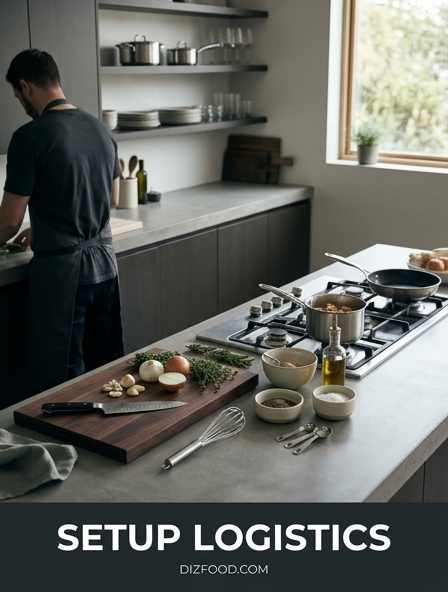
Maximizing efficiency in a high-pressure kitchen begins with a layout designed around the natural progression of food preparation. Every foot of movement saved translates to minutes gained during service peaks. The most effective setups utilize the work triangle concept, modified for commercial scales to ensure that prep areas, cooking ranges, and plating stations are interconnected without overlapping paths that cause collisions.
- Prep Zones: Positioned near refrigeration for rapid ingredient access.
- Hot Line: Centrally located with high-capacity ventilation to manage heat and smoke.
- Garnish and Plating: Situated at the exit point to ensure final touches are applied immediately before service.
To achieve peak optimization, logistics managers must evaluate the specific menu requirements. If a menu is heavy on sautéed items, the burner-to-pass distance must be minimized. Conversely, if cold assemblies dominate, the layout should prioritize cold-well accessibility. Digital mapping of staff movement can reveal "choke points" where staff frequently cross paths, allowing for the tactical relocation of mobile prep tables to smooth the operational flow and enhance overall safety.
Coordinating Seamless Food Service Transitions
The bridge between back-of-house production and front-of-house delivery is often the most vulnerable point in kitchen logistics. Seamless transitions require a "buffer" system where food is held at optimal temperatures without compromising quality. This involves the use of heated pass-throughs for hot plates and chilled staging areas for salads and desserts. The transition coordinator, often the expeditor, acts as the air traffic controller, ensuring that no dish sits for longer than the prescribed window.
Effective transitions also rely on clear communication protocols. When moving from appetizers to main courses, the kitchen must be signaled precisely to avoid premature "firing" of dishes, which leads to wilting or cooling. This sequencing is managed through integrated POS systems or physical firing cards that dictate the rhythm of the line. By standardizing the hand-off procedure, the kitchen reduces the risk of incorrect orders reaching the guest. This coordination extends to the return of soiled wares, ensuring that the flow of clean plates back into the kitchen remains constant and predictable, preventing bottlenecks at the plating station during high-volume periods.
Essential Catering Equipment and Placement Strategies
Successful catering logistics depend on the strategic deployment of heavy-duty equipment that balances power with portability. Unlike a static restaurant kitchen, catering setups often require modular components that can be reconfigured based on the venue's limitations. The placement of high-draw appliances, such as combi-ovens and induction burners, must be dictated by power source proximity while maintaining a logical assembly line for the staff.
| Equipment Type | Primary Placement | Logistical Purpose |
|---|---|---|
| Cambro/Hot Boxes | Near Loading Dock | Maintain temp during transport |
| Mobile Prep Tables | Center Floor | Flexible workspace for bulk assembly |
| Induction Burners | Near Plating Area | Last-minute finishing and sauces |
| Refrigerated Trailers | Exterior Perimeter | Bulk ingredient storage and safety |
Placing refrigeration furthest from the heat sources reduces energy consumption and mechanical strain. Furthermore, ensuring that all mobile equipment is equipped with locking casters allows for a rapid transition from a prep-heavy environment to a service-focused one, providing the versatility needed for diverse event types.
Designing Elegant Table Settings for High Volume
When executing high-volume dining, the logistics of table setting must prioritize uniformity and speed without sacrificing the guest's aesthetic experience. Elegant design is achieved through a systematic "staged" setup approach. Rather than setting one table at a time, teams should work in specialized waves-first linens, then silverware, followed by glassware and finishing accents. This assembly-line method ensures that every table is a carbon copy of the master design.
- Linens: Must be steamed on-site to remove creases from transport.
- Glassware: Polished with microfiber cloths to eliminate water spots.
- Centerpieces: Placed last to prevent interference with the placement of flatware.
Logistical planning must also account for the "breakage buffer," ensuring that 10% more settings are prepared than the guest count requires. For high-volume events, using pre-rolled cutlery in high-quality napkins can save significant time, though for formal settings, a dedicated "polishing station" is essential. This station should be located near the dining room entrance to allow for quick replacements of dropped or soiled items during the event itself.
Traffic Flow Management for Buffet and Plated Service
Effective traffic management is the difference between an orderly meal and a congested bottleneck. For buffet service, the logistics must facilitate a unidirectional flow. Double-sided buffets are recommended for groups exceeding 100 guests to halve the wait time. The placement of proteins at the end of the line, preceded by less expensive starches and salads, naturally manages food costs while keeping the line moving at a steady pace.
- Entry Point: Located away from high-traffic kitchen doors.
- Plates and Cutlery: Positioned at the start to prevent guests from juggling items.
- Beverage Stations: Situated in a separate area to prevent "clumping" near the food.
- Exit Path: Clearly defined to guide guests back to their tables without crossing incoming lines.
In plated service, traffic flow shifts to the "In/Out" door protocol. Servers must enter the kitchen through one door and exit through another to prevent collisions. Floor markings or physical barriers can help maintain these lanes, especially in dimly lit environments. Managing these pathways ensures that service remains rhythmic and that the "BOH-to-Table" transit time is minimized.
Timing and Sequencing of Culinary Logistics
Culinary logistics is an exercise in reverse engineering. To serve a five-course meal at a specific time, the kitchen must work backward to determine the exact moment each ingredient must be prepped, cooked, and rested. This timeline is often managed via a "Master Run Sheet" that synchronizes the kitchen's activity with the event's program. For example, if a keynote speaker begins at 8:00 PM, the main course must be plated and cleared before the house lights dim.
Sequencing also involves the strategic use of "holding windows." Certain proteins, like roasted tenderloin, require a resting period that can be integrated into the timeline to free up oven space for items that require immediate service, such as soufflés or roasted vegetables. Precise timing ensures that the kitchen is never overwhelmed by a "tsunami" of orders at once. By staggering the firing times for different tables or sections, the expeditor can maintain a steady, manageable flow of outgoing dishes, ensuring that every plate meets quality standards regardless of the volume.
Back of House Organization and Staff Coordination
A well-organized Back of House (BOH) is characterized by clear role definitions and spatial discipline. Staff coordination relies on a hierarchical structure where the Executive Chef or Lead Expo directs the "tempo." To maintain order, each staff member must be assigned a specific "station footprint," minimizing unnecessary movement. Labels are the cornerstone of this organization; every container, shelf, and tool should have a designated place, reducing the time wasted searching for equipment during service peaks.
- Station Leads: Responsible for prep accuracy and station cleanliness.
- Runners: Dedicated to moving food from the pass to the FOH staff.
- Utility Staff: Tasked with immediate spill response and dish replenishment.
Coordination is further enhanced through "stand-up" meetings held 30 minutes before service. These briefings cover menu changes, dietary restrictions, and VIP expectations. By aligning the team on the logistical goals of the shift, the kitchen operates as a single cohesive unit rather than a collection of individuals. This unity is vital when handling unexpected surges in volume or sudden changes in the event timeline.
Sanitation Standards and Waste Removal Logistics
Logistical planning must treat sanitation as a primary function rather than an afterthought. In a high-volume kitchen, waste accumulates rapidly, creating both physical hazards and sanitary risks. A dedicated waste removal path must be established, separate from the food delivery route, to ensure that trash and compost can be removed without crossing paths with fresh plates. The "Dish Pit" should be organized into clear zones to handle the influx of soiled wares efficiently.
| Waste Zone | Logistical Requirement | Removal Frequency |
|---|---|---|
| Organic/Scraps | Under-counter bins at prep stations | Every 60 minutes |
| Recyclable (Glass/Cardboard) | External sorting area | End of shift |
| Landfill | High-capacity rolling bins | Twice during service |
| Gray Water/Grease | Intercept tanks | Post-event recovery |
Strict adherence to "Clean as You Go" (CAYG) protocols reduces the workload during the final breakdown. By integrating sanitation into the workflow-such as scheduling regular "sweep times"-the kitchen maintains a professional environment that complies with health codes and improves staff morale by preventing a cluttered workspace.
Lighting and Atmosphere Integration for Dining Areas
The logistics of atmosphere are often overlooked in kitchen setup, yet they dictate the guest's perception of the meal. Lighting must be functional for staff to navigate safely but atmospheric for the guest. This requires a tiered lighting plan. The kitchen and prep areas require high-lumen, cool-temperature lighting for safety and detail work, while the dining area utilizes warm, dimmable circuits to create intimacy. The transition zones must utilize "middle-ground" lighting to help staff eyes adjust quickly between bright and dim environments.
Atmosphere integration also involves noise logistics. High-volume kitchens are naturally loud; the setup should include sound-dampening materials or strategic wall placements to prevent the "clatter" of the dish pit from reaching the dining room. Scent management is equally important; powerful exhaust systems must be positioned to pull heavy cooking odors away from the guest area, ensuring that only the intentional aromas of the finished dish reach the tables. By controlling these sensory inputs, the logistical setup supports the culinary narrative being served.
Efficient Breakdown and Post Event Recovery Protocols
The speed and efficiency of the breakdown phase are just as critical as the setup. An unorganized recovery can lead to lost equipment, broken glassware, and excessive labor costs. The recovery protocol should follow a "Reverse Logistics" model, where the last items placed (decor and linens) are the first to be cleared. This clears the path for the heavy equipment and kitchen breakdown to begin without obstruction.
- Equipment Staging: Group all mobile units by the loading zone.
- Inventory Audit: Check all rentals against the manifest before packing.
- Deep Clean: Sanitize all surfaces and floor drains immediately.
- Waste Consolidation: Final removal of all refuse to off-site facilities.
Standardizing the packing process-using color-coded bins for specific departments-ensures that the next event starts with organized inventory. A "Post-Action Report" should be completed during the breakdown to note any equipment failures or logistical bottlenecks encountered. This feedback loop is essential for continuous improvement, ensuring that the next kitchen setup is even more refined and efficient than the last.





Comments