
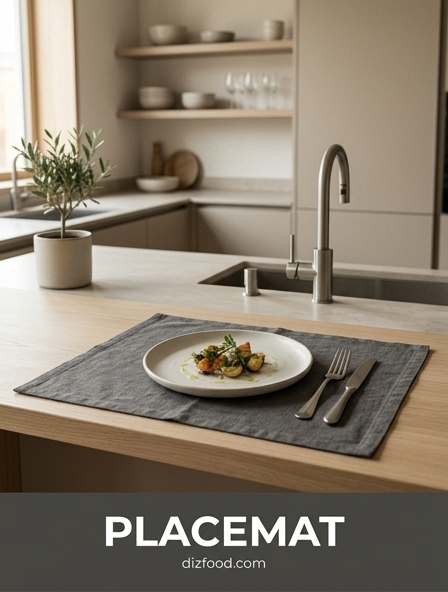
Texture Contrast in Modern Table Settings
Modern kitchen design thrives on the deliberate juxtaposition of tactile elements to create a balanced sensory experience. A smooth, lacquered dining surface often feels cold or sterile without the introduction of organic textures. Placemats serve as the primary medium for this sensory contrast, acting as a bridge between the clinical precision of modern cabinetry and the warmth of a shared meal. By selecting mats with a tactile weave or a brushed finish, homeowners can break the visual monotony of flat surfaces and introduce a layer of sophisticated complexity.
- Rough linen paired against polished marble surfaces.
- Smooth, matte silicone on reclaimed industrial wood.
- Intricately woven seagrass atop minimalist glass tabletops.
- Pressed felt mats resting on high-gloss acrylic finishes.
This interplay does not merely serve an aesthetic purpose; it defines the functional boundaries of the dining area within an open-concept kitchen. The physical sensation of resting one's hands on a textured surface versus a cold, hard countertop completely alters the psychological comfort of the dining experience. Designers recommend varying the density of these textures to create a dynamic environment that feels curated rather than manufactured. Ultimately, the goal is to create a multi-dimensional setting where every material feels intentional and grounded.
Elevating Natural Grain with Minimalist Mats
Natural wood tables are often the centerpiece of a kitchen, showcasing unique grain patterns and organic warmth. However, covering these surfaces with heavy tablecloths obscures their inherent beauty. Minimalist placemats offer a solution by providing protection while highlighting the timber's character. To achieve this, one must choose mats that complement the wood's undertones without competing for attention. A slim, neutral-toned mat acts as a frame, drawing the eye toward the swirling knots and linear grains of the tabletop itself.
| Wood Type | Recommended Mat Color | Material Choice |
|---|---|---|
| Light Oak | Slate Gray or Charcoal | Slim Felt |
| Dark Walnut | Cream or Bone | Fine Linen |
| Reclaimed Pine | Earth Tones | Cork or Jute |
The choice of a minimalist silhouette ensures that the table remains the star of the show. By using mats that are thin and monochromatic, the transition between the protective layer and the wood surface becomes almost seamless. This approach is particularly effective in Scandi-style or Japanese-inspired kitchens where "less is more." The objective is to enhance the natural medium, using the placemat as a subtle accent that reinforces the high-quality craftsmanship of the furniture beneath it.
Modern Placemat Materials for Sleek Dining
The evolution of kitchen accessories has introduced a variety of innovative materials that prioritize both durability and high-end aesthetics. Traditional fabric mats are now being supplemented or replaced by engineered materials that withstand the rigors of modern life while maintaining a sleek profile. These materials are chosen for their ability to resist stains, tolerate high heat, and provide a non-slip surface for fine dinnerware.
- Food-Grade Silicone: Offers a soft-touch feel and heat resistance up to high temperatures, perfect for hot plates.
- Synthetic Leather: Provides a luxurious, waterproof surface that is easily wiped clean after use.
- Polyvinyl Woven Mesh: Allows for intricate patterns and metallic finishes that reflect kitchen lighting.
- Pressed Cork: An eco-friendly option that offers natural insulation and a contemporary, speckled visual.
Each of these materials brings a unique functional advantage to the modern dining table. Silicone and vinyl are particularly popular in households that value rapid cleanup without sacrificing the sophisticated look of a set table. Leather and cork, on the other hand, add a sense of weight and permanence to the setting. By rotating these materials based on the occasion, one can shift the kitchen's atmosphere from casual breakfast utility to formal evening elegance effortlessly.
Highlighting Stone Surfaces with Sheer Textures
Stone surfaces, such as granite, quartz, and marble, are prized for their durability and "veining" patterns. To protect these expensive installations without hiding their natural art, sheer or semi-translucent placemats are an ideal choice. These mats allow the color of the stone to permeate through the material, ensuring that the cohesive look of the kitchen island or table remains intact. When light hits a sheer mat atop a polished stone surface, it creates a subtle depth that enhances the luxury of the material.
The use of sheer textures also prevents the "heavy" look that solid-colored mats can sometimes create on dark stone. For instance, a light mesh mat on a black granite surface provides a shimmering effect that lightens the overall visual load. Furthermore, these textures are often easy to clean, making them practical for daily use on high-traffic kitchen islands. By carefully selecting the level of transparency, homeowners can showcase the investment they have made in their stone surfaces while still maintaining a functional dining space that is guarded against scratches and thermal shock.
The Role of Placemats in Contemporary Decor
In contemporary interior design, the kitchen has transitioned from a utility room to a social hub. Placemats play a vital role in this transition by "zoning" the space. In large, open-plan living areas, a set of well-placed mats signals that a specific area is designated for dining and relaxation, rather than food preparation or work. This visual cue is essential for maintaining order and intention in a multipurpose room.
- Defining individual "personal space" at a communal table.
- Adding a pop of seasonal color to a neutral palette.
- Reducing the acoustic noise of plates and cutlery hitting hard surfaces.
- Protecting delicate finishes from moisture and heat rings.
Beyond protection, placemats act as an anchor for the entire table scape. They provide a base layer upon which napkins, glassware, and centerpieces can be organized. In a contemporary setting, where clutter is often minimized, the placemat becomes one of the few decorative items that is allowed to remain visible. Choosing a design that aligns with the kitchen's hardware-such as matte black accents or brushed brass tones-ensures that the dining area feels fully integrated into the home's broader architectural language.
Balancing Table Materials and Fabric Weaves
The relationship between the table material and the fabric of a placemat determines the tactile success of a kitchen's design. Heavy, rustic wooden tables benefit from the softening effect of refined fabric weaves, such as tight-knit cotton or silk blends. Conversely, lightweight glass or metal tables require the grounding presence of heavier textiles like canvas or thick wool felt. This balance ensures that the table setting feels neither too delicate nor too industrial.
| Table Surface | Recommended Weave | Visual Impact |
|---|---|---|
| Tempered Glass | Thick Ribbed Cotton | Adds weight and stability |
| Industrial Steel | Soft Linen Blend | Softens the clinical edge |
| Polished Concrete | Heavy Burlap or Jute | Reinforces the raw aesthetic |
When selecting fabric weaves, one must also consider the light-reflective properties of the room. A kitchen with ample natural light can handle the deep shadows created by a chunky, waffle-weave mat. In darker kitchens, a flat-weave fabric with a slight sheen can help bounce light around the table, making the space feel more inviting. By treating the placemat as a textural counterpoint to the furniture, a more harmonious and comfortable dining environment is achieved.
Defining the Modern Minimalist Dining Aesthetic
Minimalist dining is defined by a commitment to clean lines, a restricted color palette, and the elimination of unnecessary ornamentation. In such a setting, the placemat must be chosen with extreme precision, as every detail is magnified. A modern minimalist mat typically features a rectangular or circular shape with crisp edges and no decorative fringes or embroidery. The focus shifts entirely to the quality of the material and the perfection of its geometric form.
- Select monochromatic tones such as taupe, slate, or off-white.
- Opt for hidden seams or laser-cut edges for a flush profile.
- Use mats with a uniform density to maintain a flat, architectural look.
- Prioritize high-performance materials that do not warp over time.
This aesthetic is not about a lack of style, but rather the presence of curated simplicity. A single, well-made placemat on a bare table can be more striking than an elaborate centerpiece. It suggests a lifestyle of mindfulness and order, where the act of dining is respected. By keeping the color of the mat within a few shades of the table itself, the minimalist achieves a "layered" look that is sophisticated, calm, and perfectly suited for the modern architectural home.
Visual Layers for High End Kitchen Styling
High-end kitchen styling relies heavily on the concept of layering to create a sense of luxury and abundance. A placemat is the foundational layer of the "place setting" stack. To achieve a professional, showroom-quality look, designers often layer different materials and shapes to build height and interest. This might involve placing a larger, textured rectangular mat as a base and topping it with a smaller, circular mat of a different material or color.
- Base Layer: Large neutral mat for surface protection.
- Middle Layer: A contrasting plate or charger.
- Top Layer: A coordinated napkin held by a decorative ring.
The goal of layering is to lead the eye through a sequence of materials. For example, a leather placemat provides a rich, dark base that makes white porcelain plates appear more vibrant. When these layers are coordinated with the kitchen's backsplash or cabinetry, the entire room feels cohesive. It is this attention to the "micro-environments" of the kitchen-like the dining nook or island-that elevates a standard home to a high-end interior. Effective layering turns a simple meal into a choreographed visual event.
Framing Surface Textures with Geometric Mats
Geometry plays a crucial role in how we perceive the proportions of a kitchen. Placemats with strong geometric shapes can be used to alter the visual flow of a dining surface. Circular mats are excellent for softening the harsh angles of a rectangular table or a square kitchen island, creating a more communal and inviting atmosphere. Conversely, rectangular mats with sharp, defined corners can bring a sense of order and traditional structure to an otherwise eclectic or round table setting.
Beyond the outline of the mat itself, internal geometric patterns-such as hexagons, chevrons, or grids-can frame the texture of the table. For example, a mat with a cutout geometric pattern allows the table's surface to peek through, creating a "window" effect. This is particularly effective on high-contrast surfaces, such as white quartz with black veins. By framing these natural textures within a controlled geometric border, the homeowner highlights the most beautiful aspects of the furniture. This technique transforms the placemat from a simple utility item into a sophisticated framing tool for the kitchen's architectural features.
Enhancing Natural Table Patterns with Modern Accents
Integrating modern accents into a kitchen that features natural materials requires a delicate touch. The placemat serves as the perfect intermediary tool for this integration. If a kitchen features a live-edge wood table, a modern, metallic-finish placemat can provide a stunning contemporary edge that prevents the space from feeling too rustic or "country." This blend of the old and the new is a hallmark of current high-end interior trends.
- Pair raw, organic surfaces with precision-engineered mats.
- Match metal-flecked weaves with stainless steel kitchen appliances.
- Use dark, matte mats to ground light-colored natural stone.
By focusing on these modern accents, the natural patterns of the table-whether they are wood grains, stone fossils, or concrete aggregates-are given a fresh context. The placemat doesn't just sit on the table; it interacts with it, pulling out specific colors or emphasizing certain lines. This approach ensures that the kitchen feels updated and relevant, while still honoring the timeless beauty of natural materials. The result is a dining space that feels balanced, intentional, and thoroughly modern, catering to both aesthetic desires and practical needs.


Comments