
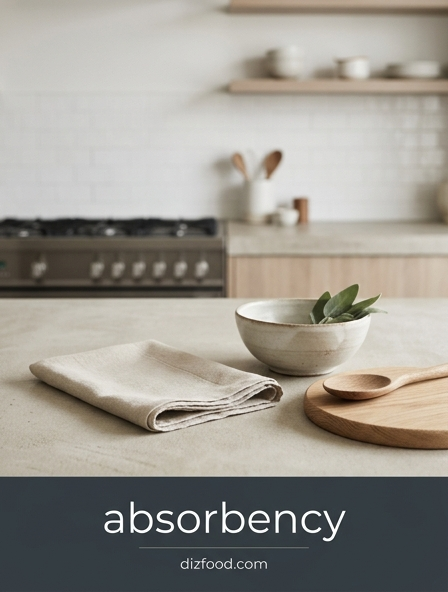
The Role of Textile Quality in Dining
The caliber of textiles used in a dining environment serves as a silent ambassador for a restaurant's standards. High-quality linens are not merely decorative; they are essential tools that manage the tactile experience of a meal. When a guest encounters a napkin or tablecloth, the immediate perception of thickness, softness, and weight dictates their level of comfort. Premium textiles are engineered to withstand the rigorous demands of professional service while maintaining an inviting texture that complements the culinary presentation.
Beyond aesthetics, quality textiles play a pivotal role in moisture management. In a bustling kitchen or dining room, liquids are frequently introduced to the surface. Superior fabrics ensure that condensation from chilled glassware or minor spills are handled efficiently, preventing discomfort. The integration of high-grade fibers provides several key benefits:
- Enhanced moisture retention to prevent runoff onto guest attire.
- Improved structural integrity after repeated high-temperature industrial laundering.
- A sophisticated drape that minimizes sliding and shifting during the meal.
- Superior color fastness that resists fading from acidic food spills.
Defining Superior Absorbency for Table Linens
Superior absorbency in table linens is defined by the fabric's ability to draw liquid into its core fibers quickly and retain it without becoming instantly saturated or dripping. This characteristic is largely determined by the "wicking" ability of the material, which is the movement of liquid through the tiny spaces between the fibers. In professional settings, a linen that cannot absorb moisture effectively will cause liquids to pool or bead on the surface, leading to messy cleanup and potential damage to the underlying furniture.
To achieve maximum absorbency, manufacturers often focus on the following technical factors:
- Fiber Composition: Natural fibers like cotton and flax have hollow cores that naturally pull in water molecules.
- Yarn Twist: Lower-twist yarns create more surface area for liquid to latch onto compared to tightly spun, hard yarns.
- Finishing Processes: Removing natural waxes and oils from raw fibers allows the fabric to become more hydrophilic.
- Weave Density: A balanced weave ensures there is enough space for liquid storage without compromising the fabric's strength.
How Fabric Weight Enhances Guest Comfort
Fabric weight, typically measured in grams per square meter (GSM), is a primary indicator of luxury and functionality in the dining room. Heavier fabrics provide a sense of security and substance, often associated with fine dining establishments. When a guest places a heavy napkin on their lap, the weight helps the fabric stay in place, preventing it from slipping or bunching. This physical presence creates a literal barrier between the guest and any potential spills, offering a psychological sense of protection that lightweight, thin fabrics cannot provide.
Furthermore, fabric weight influences the thermal properties of the linen. A denser cloth can insulate the tabletop, protecting sensitive surfaces from hot plates while also absorbing the sound of clinking silverware. This acoustic dampening contributes significantly to a refined atmosphere. In terms of absorbency, a heavier fabric naturally possesses more fiber mass, which increases the total volume of liquid the textile can hold before reaching its saturation point. This makes high-weight linens the preferred choice for high-traffic environments where performance is as critical as appearance.
The Science of Spill Management and Protection
Effective spill management in a kitchen or dining context relies on the principles of surface tension and capillary action. When a liquid is spilled, the speed at which it is neutralized depends on the fabric's porosity. In professional kitchen textiles, the goal is to break the surface tension of the liquid immediately so it can be absorbed into the internal structure of the textile, rather than spreading horizontally across the surface. This containment is vital for protecting both the furniture and the guest's clothing.
| Material Type | Absorption Speed | Liquid Retention | Surface Barrier |
|---|---|---|---|
| Pure Cotton | High | Excellent | Moderate |
| Linen Blend | Medium | High | High |
| Polyester | Low | Low | Very High |
| Microfiber | Very High | Moderate | Low |
The table above illustrates how different materials react to spills. While synthetic fibers like polyester offer a barrier, they lack the internal storage capacity of natural fibers, often leading to liquid "run-off" unless blended with more absorbent materials.
Premium Materials and Table Setting Aesthetics
The aesthetic appeal of a table setting is intrinsically linked to the materials chosen. Premium fabrics like long-staple cotton and Belgian linen offer a visual depth that synthetic alternatives struggle to replicate. These materials interact with light in a way that highlights the weave and texture, providing a backdrop that enhances the colors of the food being served. The crispness of a high-thread-count tablecloth provides a professional foundation that signifies cleanliness and attention to detail, which are paramount in the hospitality industry.
The relationship between beauty and function is most evident in how these materials age. Unlike lower-quality textiles that may pill or lose their shape, premium linens often develop a softer hand-feel and a more graceful drape over time. To maintain this balance of aesthetics and utility, designers focus on several elements:
- Hemstitch detailing for a classic, artisanal appearance.
- Damask patterns that provide subtle visual interest while hiding minor moisture spots.
- Neutral color palettes that allow the vibrant hues of gourmet cuisine to stand out.
- Matte finishes that reduce glare from overhead restaurant lighting.
Functional Benefits of High GSM Napkins
GSM, or grams per square meter, is the definitive metric for evaluating the density of a textile. In the context of napkins, a high GSM (typically above 250) indicates a product that is robust, absorbent, and capable of holding complex folds. The functional benefit of a high GSM napkin is most apparent during a multi-course meal. As guests use the napkin to clean their hands or pat their lips, a denser fabric can absorb oils and moisture repeatedly without feeling damp or losing its structural integrity. This ensures that the guest feels refreshed throughout the entire dining experience.
Additionally, high GSM napkins are less prone to fraying and thinning. Because there is more fiber content per square inch, the fabric can endure the mechanical stress of industrial washing machines and the chemical stress of bleaching agents. For restaurant owners, this translates to a longer product lifecycle and a better return on investment. The increased thickness also provides better insulation against hot dishes, allowing guests to handle warm bread baskets or plates comfortably without the heat transferring through the fabric too quickly.
Durability Trends in Professional Kitchen Textiles
In the modern professional kitchen, durability is no longer just about resisting tears; it is about maintaining performance over hundreds of wash cycles. Current trends emphasize "performance weaves" that combine the comfort of natural fibers with the strength of reinforced synthetics. For instance, many chef towels and aprons now feature high-twist yarns and reinforced selvedges to prevent unraveling. The focus has shifted toward creating textiles that can withstand high-pressure steam ironing and heavy-duty detergents while remaining highly absorbent for spill management.
Key trends in durability include:
- Mercerized Cotton: A treatment that increases luster and strengthens the fiber, making it more resistant to shrinkage.
- Vat Dyeing: A process that ensures colors remain vibrant even after exposure to harsh cleaning chemicals.
- Dual-Sided Weaves: Textiles featuring an absorbent "terry" side for cleaning and a smooth side for polishing.
- Antimicrobial Coatings: Infusions that help prevent the growth of bacteria and odors in damp kitchen environments.
Sensory Impact of Natural versus Synthetic Fibers
The sensory experience of a textile involves touch, sight, and even sound. Natural fibers like cotton and linen offer a "breathable" quality that synthetics often lack. When a guest touches a natural fiber, the skin detects a slight irregularity in the texture which feels organic and high-end. In contrast, 100% synthetic fibers can sometimes feel "plastic" or slippery, which may detract from a premium dining atmosphere. However, synthetics excel in stain resistance and quick-drying capabilities, making them practical for high-volume casual settings.
| Feature | Natural Fibers | Synthetic Fibers |
|---|---|---|
| Tactile Feel | Soft, varying texture | Smooth, uniform |
| Breathability | Excellent | Low to Moderate |
| Static Charge | Very Low | High |
| Wicking Speed | Immediate | Delayed (unless treated) |
The choice between these fibers often comes down to the desired "vibe" of the establishment. Natural fibers suggest a focus on tradition and quality, while synthetics suggest modern efficiency and durability.
Elevating Meal Presentation with Quality Linens
Quality linens serve as the canvas upon which the art of a meal is presented. A perfectly pressed, absorbent tablecloth provides a flat, stable surface that prevents glassware from wobbling and cutlery from sliding. This stability is crucial for intricate plating styles where precision is key. Furthermore, the light-absorbing properties of high-quality cotton prevent distracting reflections, ensuring that the guest's focus remains entirely on the colors and textures of the food. The cleanliness and "whiteness" of a professional linen also serve as a psychological cue for hygiene and safety.
To elevate presentation, the following steps are often employed by hospitality professionals:
- Starching: Using the correct amount of starch to provide a crisp edge to napkins.
- Uniformity: Ensuring all linens across the dining room have the same GSM and weave pattern.
- Layering: Using a silencer (a thick under-cloth) to add depth and sound-dampening to the table.
- Color Contrast: Selecting linen colors that make the plateware "pop" visually.
Sustainable Material Choices for Modern Dining
Sustainability has become a cornerstone of modern textile production in the kitchen and dining industry. As consumers become more environmentally conscious, restaurants are moving away from disposable paper products toward reusable, high-quality textiles made from sustainable sources. Materials such as organic cotton, hemp, and bamboo are gaining popularity because they require fewer pesticides and less water to produce. These fibers are naturally absorbent and durable, making them excellent candidates for professional use while reducing the overall carbon footprint of the establishment.
Sustainable textile management also involves the lifecycle of the product. Modern kitchens are adopting several eco-friendly practices:
- Closed-loop laundering systems that recycle water and heat.
- Sourcing linens from manufacturers that use non-toxic, biodegradable dyes.
- Repurposing worn tablecloths into kitchen cleaning rags to minimize waste.
- Investing in high-GSM linens that last longer, reducing the frequency of replacement.
By choosing sustainable materials, dining establishments not only protect the planet but also appeal to a growing demographic of diners who value corporate social responsibility.


Comments