
Ever wondered why your favorite coffee mugs eventually lose their luster or why heirloom plates develop mysterious cracks? Mastering the balance between modern convenience and traditional care is the ultimate secret to ensuring your kitchenware stands the test of time. While dishwasher-safe items are engineered with non-porous surfaces and high-density materials to survive high-pressure cycles, delicate treasures like hand-painted ceramics, seasoned cast iron, and fine crystal demand a gentler touch. By understanding how abrasive detergents and extreme thermal fluctuations impact different materials, you can prevent irreversible etching and structural fatigue, preserving both the functional integrity and the aesthetic brilliance of your culinary collection for decades to come.
| Feature | Hand-Washed Dishes | Dishwasher-Safe Dishes |
|---|---|---|
| Temperature Control | Manual (100°F-115°F); prevents thermal shock. | High-heat (140°F-170°F); includes sanitizing steam. |
| Chemical Exposure | Mild, pH-neutral liquid soaps. | Highly alkaline detergents & abrasive enzymes. |
| Material Suitability | Wood, cast iron, crystal, gold-leaf, pewter. | Stainless steel, tempered glass, high-fired stoneware. |
| Primary Wear Risk | Manual handling drops and chipping. | Surface etching, clouding, and seal degradation. |
| Time Efficiency | High active effort; immediate turnaround. | Low active effort; 1-3 hour passive cycle. |
| Longevity Rating | Maximum; preserves finishes for 20+ years. | Moderate; finish may fade after 200+ cycles. |
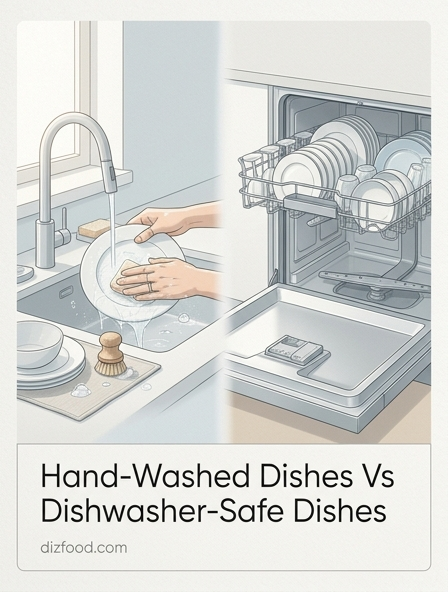
Hand Washing vs Dishwasher Efficiency
The debate between hand washing and utilizing a dishwasher often centers on the concept of operational efficiency. When washing by hand, the process is inherently linear; a person handles one item at a time, applying manual labor to scrub, rinse, and dry each piece. This method is highly effective for immediate needs, such as a single chef's knife or a favorite coffee mug, but it loses its advantage when dealing with high volumes of dinnerware. Manual washing requires a constant stream of attention and physical effort, which can be taxing during large gatherings or daily family meals.
Modern dishwashers, conversely, are designed for batch processing, allowing dozens of plates, bowls, and utensils to be cleaned simultaneously. The efficiency of a dishwasher is not just measured in the number of items cleaned but in the optimization of resources. High-efficiency machines use internal sensors to detect soil levels, adjusting the cycle length and water pressure accordingly. This automation allows the user to reclaim time that would otherwise be spent at the sink. While hand washing provides immediate results for a few items, the dishwasher excels in managing the bulk of kitchen cleanup with minimal human intervention.
- Batch processing capabilities for large loads.
- Sensor-driven cycles that optimize resource usage.
- Reduction in physical labor and repetitive strain.
- Consistency in cleaning results across all loaded items.
Sanitization Benefits of High Temperature Cycles
One of the most critical differences between manual washing and machine washing is the ability to reach temperatures necessary for true sanitization. Human skin can generally only tolerate water temperatures up to approximately 105 to 110 degrees Fahrenheit. While this is sufficient for removing visible food debris and grease, it falls short of the thermal threshold required to effectively neutralize many common food-borne pathogens. Bacteria such as E. coli and Salmonella can survive in lukewarm water, especially if the mechanical action of scrubbing is inconsistent.
Dishwashers bridge this safety gap by utilizing internal heaters to boost water temperatures significantly higher than what is available at the tap. Most modern units offer a "Sanitize" cycle that reaches at least 150 degrees Fahrenheit. This sustained high heat, combined with specialized detergents, ensures that the surfaces of plates and silverware are biologically clean. This is particularly important for households with infants, elderly individuals, or those with compromised immune systems. The high-heat drying phase also contributes to this process by using hot air or condensation drying to eliminate the moisture that bacteria need to thrive. By relying on controlled, high-temperature environments, machines provide a level of hygiene that manual methods simply cannot match without risking thermal injury to the person washing the dishes.
When to Hand Wash Delicate Glassware
Despite the convenience of modern appliances, certain items require the gentle touch of a manual wash. Delicate glassware, particularly lead crystal, hand-painted glasses, and ultra-thin wine stems, are highly susceptible to the harsh environment inside a dishwasher. The combination of high-pressure water jets and abrasive chemical detergents can lead to permanent damage, such as etching or clouding, which ruins the clarity and aesthetic appeal of the glass. Over time, the heat cycles can also make fine glass more brittle, increasing the likelihood of cracks or shattering.
To preserve the longevity of your premium glassware, a specific hand-washing protocol is often recommended. This approach allows for precise control over water temperature and the amount of physical pressure applied to the item. By following a careful manual process, you ensure that family heirlooms and expensive stemware remain in pristine condition for years to come.
- Line the bottom of the sink with a rubber mat or a soft towel to prevent chipping.
- Use lukewarm water and a mild, ammonia-free dish soap.
- Wash each piece individually using a soft sponge or a dedicated glass brush.
- Rinse thoroughly with cool water to prevent spotting.
- Air dry on a linen towel or hand dry with a lint-free microfiber cloth.
Water Consumption and Environmental Impact
A common misconception is that hand washing saves water compared to running a dishwasher. However, environmental studies and laboratory testing consistently show that modern Energy Star-certified dishwashers are significantly more water-efficient. A person washing dishes by hand with the tap running can use upwards of 20 gallons of water to clean a load equivalent to one full dishwasher cycle. In contrast, a modern dishwasher typically uses between 3 and 5 gallons per load. This disparity becomes even more pronounced over months and years of daily kitchen activity.
The environmental impact extends beyond just water volume. Heating water is an energy-intensive process. Because dishwashers use less water, they also require less energy to reach the necessary cleaning temperatures. Furthermore, the concentrated nature of dishwasher detergents means fewer chemicals are released into the wastewater system per item cleaned compared to the excessive sudsing often seen in manual basins. By choosing the machine over the sink, consumers can significantly reduce their household's ecological footprint while also lowering utility costs.
| Method | Avg. Water Used (Gallons) | Energy Consumption |
|---|---|---|
| Manual Hand Wash | 15 - 25 Gallons | High (Water Heater Dependent) |
| Standard Dishwasher | 4 - 6 Gallons | Moderate |
| Energy Star Dishwasher | 3 - 4 Gallons | Low (Optimized) |
Identifying Dishwasher Safe Materials and Labels
Understanding which materials can withstand the rigors of a dishwasher is essential for preventing kitchen disasters. The "dishwasher safe" label is not a universal standard but rather a recommendation from manufacturers based on how a material reacts to heat, moisture, and chemicals. Generally, most high-fired ceramics, stainless steel, and certain types of tempered glass are perfectly suited for machine cycles. However, plastics require closer inspection. Look for the international symbol-typically a square with plates or water drops inside-or the words "Dishwasher Safe" on the bottom of the item. If a plastic item is marked "Top Rack Only," it means the material can melt or warp if placed too close to the heating element at the bottom of the machine.
Many materials should stay far away from the dishwasher to avoid irreversible degradation. Wood, for instance, can swell, crack, and lose its natural oils when exposed to prolonged heat and soaking. Porous materials like unglazed stoneware or certain plastics can absorb detergents, affecting the taste of future meals. Knowing these distinctions saves both your dishes and your appliance from damage.
- Stainless Steel: Generally safe and resistant to corrosion.
- Plastics: Check for BPA-free and top-rack-only designations.
- Silicone: Highly heat-resistant and usually dishwasher safe.
- Cast Iron: Never put in the dishwasher as it strips the seasoning and causes rust.
- Aluminum: May discolor or pit due to alkaline detergents.
Benefits of Manual Scrubbing for Stubborn Stains
While dishwashers are excellent for removing general oils and light food particles, they often struggle with heavily charred or baked-on residues. This is where the specific mechanical action of manual scrubbing becomes indispensable. When food is protein-based or contains high levels of starch, it can bond to the surface of cookware during the cooking process, creating a layer that water jets alone cannot penetrate. Manual scrubbing allows for targeted pressure and the use of specialized tools, such as steel wool, stiff-bristled brushes, or scrapers, which provide the friction necessary to break these bonds.
Manual cleaning also allows for the use of abrasive pastes or natural cleaners like baking soda and vinegar, which might not be compatible with dishwasher internal components. The tactile feedback of hand washing ensures that you can feel when a surface is truly smooth and clean, rather than relying on a machine cycle that might leave behind a gritty film. For professionals and home cooks alike, the ability to inspect and intensely clean a pan immediately after use ensures that "seasoning" is preserved on some items while "carbonization" is removed from others, maintaining the performance of the kitchen's most hardworking tools.
Time Saving Advantages of Modern Dishwashers
The primary appeal of the modern dishwasher lies in its ability to give time back to the user. In a busy household, the time spent standing at the kitchen sink can easily exceed an hour a day when considering breakfast, lunch, and dinner cleanup. By shifting this labor to an automated system, individuals can focus on other household tasks, spend quality time with family, or simply relax. The "set it and forget it" nature of the appliance means that cleaning can happen overnight or while the occupants are away from home, ensuring a clean kitchen is ready for use the following morning.
Advancements in dishwasher technology have further refined these time-saving benefits. Features like "Quick Wash" cycles can clean lightly soiled dishes in under 30 minutes, while delayed start timers allow for the scheduling of cycles during off-peak energy hours. The organization provided by modern racking systems-including dedicated cutlery drawers and adjustable tines-makes the loading and unloading process incredibly fast. When calculated over the lifespan of the appliance, the thousands of hours saved from manual labor represent a significant improvement in quality of life and domestic efficiency.
Protecting Your Investment in Premium Cookware
High-end cookware, such as copper-core pans, professional-grade cast iron, and high-carbon steel knives, represents a significant financial investment. To protect these items, hand washing is often the only acceptable method. Dishwasher detergents are formulated to be highly alkaline and often contain phosphates or bleaching agents that are designed to strip away everything from the surface of a dish. On premium cookware, these chemicals can strip away the protective "seasoning" of cast iron, tarnish the lustrous finish of copper, or cause the wooden handles of expensive knives to rot and detach.
Furthermore, the physical environment of a dishwasher is turbulent. Items can shift during the cycle, leading to "dish-to-dish" contact that can chip enamel coatings or dull the finely honed edges of professional cutlery. By hand washing your premium tools, you can ensure they are treated with the appropriate mild cleansers and dried immediately, preventing the oxidation and corrosion that often occurs in the humid environment of a closed dishwasher. Proper maintenance through manual care ensures that your kitchen investments perform at their peak for decades.
- Hand-wash cast iron to maintain non-stick carbonized layers.
- Clean copper manually to prevent harsh chemical oxidation.
- Avoid dishwashers for knives to keep blades sharp and handles intact.
- Wipe down carbon steel immediately to prevent flash rusting.
Bacteria Removal Comparison in Kitchen Cleanup
When comparing bacteria removal, the environment of the cleaning process is just as important as the detergent used. Hand washing relies heavily on the kitchen sponge, which is notorious for being one of the most bacteria-laden objects in the home. Sponges provide a porous, damp environment that is ideal for the growth of pathogens. Unless a sponge is sanitized or replaced very frequently, manual washing can occasionally cross-contaminate "clean" dishes with bacteria from previous uses or kitchen surfaces. Even with hot water and soap, the physical act of wiping can sometimes redistribute microscopic organisms rather than removing them.
Dishwashers offer a more sterile approach to bacteria removal. Because the machine is a self-contained environment that uses fresh water for every rinse phase, the risk of cross-contamination is significantly lower. The combination of high-heat water, aggressive chemical action, and a high-heat drying cycle creates a hostile environment for microbes. Laboratory tests have shown that dishes cleaned in a dishwasher typically have a much lower bacterial count than those washed by hand and air-dried on a rack. For those prioritizing a sterile kitchen environment, the machine provides a more consistent and measurable standard of cleanliness that hand washing struggles to replicate.
Long Term Cost of Machine vs Manual Washing
Analyzing the long-term cost of dish maintenance involves looking at more than just the initial price of the appliance. While a dishwasher requires an upfront investment and occasional maintenance, its operational costs are surprisingly low. The primary expenses include electricity, water, and specialized detergents. Because modern machines are highly optimized for water and energy use, they often pay for themselves over time through savings on utility bills. Furthermore, the reduced water heating requirement compared to the high volume used in manual washing translates to lower gas or electric costs for the home's water heater.
Hand washing costs are often underestimated. They include the price of sponges, dish towels, and high volumes of liquid dish soap, along with the much higher cost of heated water. Additionally, there is the "opportunity cost" of the time spent laboring at the sink. For many, the time saved by using a machine is worth far more than the incremental cost of dishwasher pods. When considering the lifespan of dinnerware, machines can sometimes cause more frequent replacement of cheap plastics, but they protect the overall household budget by being the most resource-efficient choice for daily tasks.
| Cost Factor | Dishwasher (Annual) | Hand Washing (Annual) |
|---|---|---|
| Water Usage | ~$15 - $25 | ~$60 - $100 |
| Energy (Heating) | ~$30 - $50 | ~$80 - $120 |
| Supplies (Soap/Tools) | ~$40 - $80 | ~$30 - $60 |






Comments