
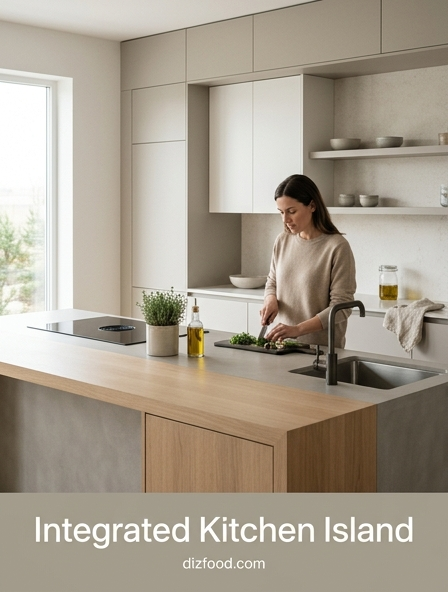
The Evolution of Open Concept Layouts
The journey of the kitchen from a secluded service room to the center of the home marks a significant shift in architectural philosophy. Traditionally, kitchens were tucked away to hide the noise and mess of meal preparation. However, the rise of open-concept layouts has transformed the integrated kitchen island into a structural anchor that bridges the gap between the culinary zone and the living area. This evolution reflects a broader cultural change where barriers are removed to prioritize fluid movement and visibility.
- Transition from isolated galley styles to central workstations.
- Removal of load-bearing walls to favor communal visibility.
- The island serves as a visual boundary without blocking sightlines.
- Adaptation of professional-grade appliances into residential aesthetics.
By eliminating physical dividers, the integrated island allows the cook to remain part of the conversation, turning a solitary chore into a shared experience. This layout change has influenced how we perceive domestic space, making even smaller footprints feel expansive and interconnected. Modern design now treats the kitchen not as a utility, but as the primary stage for daily life.
Maximizing Square Footage in Modern Homes
In contemporary urban dwellings where every square foot counts, the integrated kitchen island serves as a masterclass in spatial efficiency. Rather than dedicating separate areas for a prep counter, a dining table, and a home office, a well-designed island consolidates these functions into a single footprint. This multifunctionality is essential for maintaining a clutter-free environment in smaller apartments and townhomes.
| Feature | Space-Saving Benefit |
|---|---|
| Under-counter Storage | Eliminates the need for extra pantry cabinets. |
| Overhang Seating | Replaces a bulky formal dining set. |
| Integrated Appliances | Saves wall space by housing microwaves or wine coolers. |
By utilizing the vertical and horizontal planes of the island, homeowners can incorporate deep drawers, pull-out recycling bins, and even hideaway stools. This strategic consolidation ensures that the floor plan remains breathable, preventing the "cramped" feeling often associated with high-density living. The result is a kitchen that performs at a high capacity while occupying a minimal physical area.
The Kitchen as a Social Connectivity Hub
The integrated kitchen island has redefined the kitchen as the social heartbeat of the home. It acts as a natural magnet for family members and guests, providing a central gathering point that encourages informal interaction. Unlike a traditional dining table, which often signals a formal start and end to a meal, the island facilitates a "come and go" atmosphere that suits modern, fast-paced lifestyles.
Whether it is a guest leaning against the counter with a glass of wine or children hovering nearby for a snack, the island creates a low-pressure social environment. Designers often incorporate tiered heights or varying materials to distinguish between the "work side" and the "social side." This subtle zoning allows the host to continue meal prep while facing their guests, ensuring that the act of cooking is no longer a social exclusion. The island effectively breaks down the hierarchy of the home, placing the emphasis on connection and shared presence.
Integrating Cooking and Dining for Efficiency
Efficiency in the kitchen is often measured by the "work triangle," but the integrated island expands this concept by merging the preparation and consumption zones. When a stovetop or sink is built directly into the island, the transition from raw ingredients to a finished meal becomes seamless. This proximity reduces the steps required to serve food, making the entire process more ergonomic and less time-consuming.
- Preparation: Ample counter space allows for multi-ingredient staging.
- Execution: Integrated cooktops permit the chef to face the room while cooking.
- Service: Dishes can move directly from the burner to the plating area.
- Consumption: Built-in breakfast bars provide immediate seating for hot meals.
This integration is particularly beneficial for quick morning routines or casual weeknight dinners. By removing the distance between the stove and the seating, the island ensures that meals are served at their optimal temperature while simplifying the cleanup process, as crumbs and spills are contained to a single, easily wipeable surface.
Fostering Family Interaction Through Unified Spaces
For modern families, the integrated kitchen island is much more than a furniture piece; it is a multifunctional platform that supports collective living. In an age of digital distraction, the unified kitchen space provides a rare opportunity for face-to-face engagement. While one parent prepares dinner, a child can sit across the counter completing homework, allowing for easy supervision and spontaneous conversation.
This layout supports a variety of simultaneous activities that would otherwise be segmented into different rooms. The island becomes the site of casual weekend breakfasts, holiday baking projects, and evening debriefs. By centering these activities in one location, the home feels more cohesive and family members feel more connected. The lack of walls means that even when engaged in different tasks, the family remains in each other's orbit, fostering a sense of togetherness that is often lost in more traditional, compartmentalized floor plans. It is the architectural equivalent of a "common ground."
How Multi-functional Zones Enhance Property Value
From a real estate perspective, a high-quality integrated kitchen island is one of the most sought-after features for prospective buyers. It signals a modern, well-thought-out renovation and suggests a high level of luxury and convenience. Homes that feature an island with integrated utilities-such as a second sink, a dishwasher, or built-in power outlets-frequently command a higher market price because they meet the demands of the contemporary buyer.
- Increased desirability due to modern "lifestyle" appeal.
- Higher perceived value of premium countertop materials like quartz or marble.
- Better flow during open house tours, highlighting the home's spaciousness.
- Long-term durability of built-in cabinetry and high-end fixtures.
Investing in a custom island is often seen as a "future-proof" upgrade. As the trend toward open living continues to dominate, homes without these central features can feel dated. By creating a multi-functional zone that combines utility with high-end design, homeowners ensure that their property remains competitive and attractive in a shifting real estate market.
The Versatility of Hybrid Kitchen Designs
Hybrid kitchen designs leverage the integrated island to blend different styles and functions into a single, harmonious unit. These islands are no longer just rectangular blocks; they feature cantilevered surfaces, mixed material palettes, and "waterfall" edges that flow from the counter to the floor. This versatility allows the island to act as both a rugged workstation and a piece of sculptural furniture.
Common hybrid elements include combining a butcher-block prep area with a sleek stone dining surface, or integrating open shelving on one side to display decorative cookbooks while keeping the other side strictly functional. The design can be tailored to the specific needs of the inhabitant, whether they prioritize high-volume catering or intimate family dining. This adaptability ensures that the kitchen can evolve alongside the user, accommodating different life stages and cooking styles without requiring a full renovation. The hybrid approach celebrates the balance between form and function, proving that a utility space can also be a work of art.
Accommodating Work and Leisure in One Area
The blurring lines between professional and domestic life have turned the kitchen island into a de facto home office and leisure zone. With the addition of hidden power strips, USB ports, and ergonomic seating, the island easily transitions from a morning breakfast bar to a mid-day workstation. This flexibility is vital for remote workers who prefer a bright, central location over a secluded corner office.
| Use Case | Necessary Integration |
|---|---|
| Remote Work | Pop-up outlets and task lighting. |
| Leisure/Hobbies | Durable, scratch-resistant surfaces. |
| Entertainment | Built-in wine racks or ice buckets. |
When the workday ends, the same surface becomes a place for leisure-perhaps for browsing recipes on a tablet or setting up a buffet for a weekend gathering. By accommodating both productivity and relaxation, the integrated island maximizes the utility of the kitchen long after the last meal has been served, making it the most hardworking piece of furniture in the house.
Streamlining Daily Routines with Smart Layouts
A smart kitchen layout centered around an integrated island can significantly reduce the "friction" of daily routines. By analyzing the flow of a typical morning or evening, designers can place specific appliances and storage solutions exactly where they are needed. For example, placing a built-in coffee station and a microwave within the island allows for a streamlined "self-service" breakfast zone that doesn't interfere with the main cooking area.
- Uninterrupted "landing zones" for groceries near the sink.
- Dedicated drawer storage for frequently used utensils.
- Easy-access waste and recycling pull-outs located under the prep area.
- Zoned lighting that adjusts from bright task mode to dim evening ambiance.
This logistical precision means that chores take less time and involve less movement. When every tool has a logical home within the island's structure, the kitchen remains organized even during peak hours. Streamlining these repetitive tasks lowers stress and allows the focus to shift back to enjoying the home and the people within it.
Aesthetic Cohesion in Contemporary Living Spaces
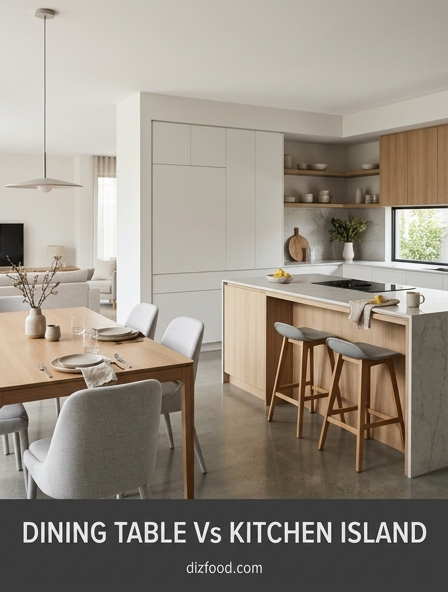
In an open-concept home, the kitchen island is the visual link that ensures aesthetic cohesion between different living zones. Because the island is visible from the sofa or the dining area, its design must complement the overall interior palette. Using the same wood grain for the island base as the living room shelving, or matching the stone countertop to the fireplace surround, creates a sense of intentionality and flow.
Architects often use the island as a statement piece, employing bold colors or unique textures to draw the eye. However, its primary role in contemporary design is to harmonize. This is often achieved through minimalist hardware, "handle-less" cabinetry, and integrated appliances that disappear behind custom panels. By reducing visual noise, the island contributes to a serene, uncluttered atmosphere. It serves as a sophisticated anchor that ties together various design elements, ensuring that the transition from "kitchen" to "living room" feels like a single, unified experience rather than a collision of different styles.


Comments