
Understanding Thermal Shock in Antique Ceramics
Thermal shock occurs when a ceramic body undergoes a rapid temperature change, causing differential expansion or contraction within the material. In antique ceramics, this phenomenon is particularly dangerous because older manufacturing processes often resulted in less uniform structures compared to modern industrial standards. When one part of a vintage plate expands faster than another-such as the center heating up while the rim remains cool-internal stresses accumulate. If these stresses exceed the material's tensile strength, the result is a crack, a chip, or a complete structural failure.
Many heirloom pieces already possess microscopic fissures from decades of use, which act as focal points for new fractures. Understanding this vulnerability is the first step in preservation. Unlike modern tempered glass or stoneware designed for microwave use, antique bone china and earthenware lack the elasticity to absorb sudden thermal energy. Owners must recognize that the chemical composition of old glazes may also expand at a different rate than the underlying clay body, leading to "crazing," or a network of fine surface cracks that compromise both the aesthetic and the integrity of the piece over time.
Gradual Temperature Transitions for Vintage Plates
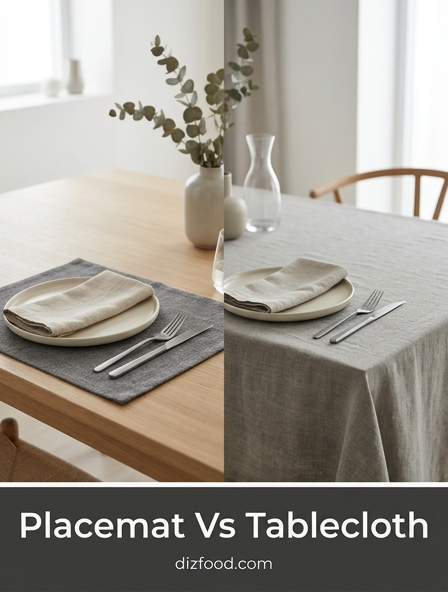
Managing the environment around vintage plates requires a disciplined approach to temperature transitions. The most common cause of breakage is the "cupboard-to-oven" mistake, where a cold plate is suddenly exposed to high heat. To mitigate this, a staging process should be implemented. Begin by bringing the dish to a neutral room temperature if it has been stored in a cold pantry or basement. Avoid placing vintage items directly onto cold stone countertops, such as granite or marble, which can quickly wick heat away from the ceramic and cause a snap. Instead, use wooden boards or cloth placemats as insulators.
When serving, consider the following transition steps:
- Remove the item from storage at least thirty minutes before use.
- Place the item in a temperate zone of the kitchen, away from drafts.
- Ensure the surface it rests upon is not significantly colder than the plate itself.
- Avoid using antique plates for chilled desserts immediately after they have been washed in warm water.
By controlling these increments, the molecular structure of the ceramic has time to adjust without the violent movement that leads to catastrophic failure.
Safe Preheating Methods for Delicate China
Preheating is often necessary to keep food warm, but for delicate china, the method must be exceptionally gentle. You should never use a microwave for this purpose, as it creates localized hot spots that are the primary drivers of thermal shock. Furthermore, many antique pieces contain metallic pigments or gold leaf that will spark and damage the glaze. The safest method involves a warming drawer set to the lowest possible calibration, usually no higher than 100 degrees Fahrenheit. If a warming drawer is unavailable, a pilot-light-heated oven can provide a soft ambient warmth.
Alternatively, a tiered approach can be used:
- Place a stack of plates in a room-temperature oven.
- Turn the oven to its lowest setting for five minutes.
- Turn the oven off and let the plates sit in the residual warmth.
This slow ramp-up allows the bone or clay particles to expand in unison. Always ensure the plates are dry before preheating, as trapped moisture in porous earthenware can turn to steam and cause the glaze to pop or peel during the heating cycle.
Avoiding Rapid Cooling After Serving Hot Food
Just as rapid heating causes damage, the sudden cooling of a ceramic piece after it has held hot food is equally hazardous. After a meal, the instinct is often to clear the table and place dishes directly into a sink of water. If the dish is still radiating heat and the water is cool, the resulting thermal contraction can shatter the piece instantly. To prevent this, allow the dishware to reach room temperature naturally on the dining table. Avoid placing hot plates on cold stainless steel or tile surfaces; instead, leave them on a tablecloth or a wooden trivet to buffer the heat loss.
Consider the following safety parameters for post-serving care:
| Action | Risk Level | Recommended Wait |
|---|---|---|
| Rinsing hot plate | High | 20 Minutes |
| Placing in fridge | Extreme | Until fully cool |
| Stacking hot items | Medium | 10 Minutes |
This cooling period is essential because the glaze and the clay body often cool at different rates, and rushing the process increases the likelihood of internal tension.
Hand Washing Protocols to Prevent Heat Stress
Hand washing is the only acceptable cleaning method for antique ceramics, as dishwashers combine high-pressure spray, harsh chemicals, and extreme temperature fluctuations. To wash safely, fill a plastic basin rather than a metal or ceramic sink to provide a soft landing surface. The water temperature should be lukewarm-neither steaming nor cold. Avoid using boiling water to loosen stuck-on food; instead, let the item soak in tepid water with a mild, pH-neutral detergent.
- Use a soft sponge or microfiber cloth rather than abrasive scrubbers.
- Wash only one piece at a time to prevent items from knocking together.
- Rinse with water that matches the temperature of the wash water.
- Dry immediately with a soft, lint-free towel to prevent mineral buildup.
Consistent temperature throughout the washing and rinsing phases ensures that the ceramic does not experience "rinse shock." This occurs when a warm soapy dish is suddenly hit with a blast of cold tap water, a common mistake that leads to hairline fractures in thinner porcelain pieces.
Proper Storage Environments for Heirloom Dishware
The storage environment plays a silent but critical role in the longevity of heirloom dishware. Antiques are sensitive to "thermal cycling," which is the repeated expansion and contraction caused by fluctuating daily temperatures. Storing sets in uninsulated attics or damp basements exposes them to seasonal extremes that weaken the material over years. The ideal environment is a climate-controlled room with stable humidity. When stacking plates, the weight of the stack can exacerbate existing stress points.
To optimize storage, follow these guidelines:
- Use felt or acid-free paper dividers between every plate.
- Limit stacks to no more than six to eight pieces high.
- Store cups and bowls individually rather than nesting them.
- Ensure cabinets are away from external walls that might get cold in winter.
By maintaining a steady, moderate temperature, you minimize the microscopic movements of the clay body. This stability preserves the bond between the glaze and the ceramic, preventing the flaking and dulling often seen in poorly stored collections.
Identifying High Risk Materials and Glazes
Not all antique ceramics are created equal, and identifying the specific material of your piece is vital for risk assessment. Earthenware and ironstone are generally more porous and thicker, making them susceptible to moisture absorption which can expand when heated. Porcelain and bone china are denser and more vitrified, but their thinness makes them fragile against sudden impacts and sharp temperature spikes. Glazes also pose unique risks; for example, heavy lead-based glazes from the Victorian era may expand differently than modern equivalents.
Risk factors to look for include:
- Crazing: Fine cracks that indicate the glaze is already under tension.
- Pitting: Small holes that allow moisture into the porous body.
- Visible Repairs: Old adhesives may fail or expand dangerously when heated.
- Gilding: Metal accents that conduct heat faster than the ceramic base.
If a piece shows existing signs of crazing, it should be treated with extreme caution, as the barrier between the environment and the clay is already compromised, making it highly reactive to thermal changes.
Buffering Temperature Shifts with Warm Water
Buffering is a technique used to slowly introduce heat to a ceramic vessel, preventing the "snap" of thermal shock. One of the most effective ways to do this is by using warm water as a conductor. Before placing hot soup into an antique tureen or tea into a fragile cup, the vessel should be "tempered." Start by running lukewarm water over the piece, gradually increasing the temperature of the water stream over sixty seconds. This allows the material to reach a median temperature before it encounters the much higher heat of the food or liquid.
Specific buffering steps include:
- Filling the sink with warm water and submerging the piece briefly.
- Using a damp, warm cloth to wipe down the surface of a plate.
- Pouring a small amount of warm water into a cup and swirling it.
This practice is particularly important for items that have been stored in a cool dining room cabinet. By narrowing the gap between the starting temperature and the service temperature, you reduce the energy transfer rate, protecting the integrity of the piece.
Seasonal Care and Humidity Management
Seasonal changes bring variations in both temperature and humidity that can affect antique ceramics. In winter, indoor air becomes exceptionally dry, which can cause certain types of older, more porous ceramics to become brittle. Conversely, high summer humidity can introduce moisture into microscopic cracks. If you live in a climate with extreme shifts, your kitchen and dining areas may experience rapid temperature drops at night.
Consider this seasonal management table:
| Season | Primary Threat | Mitigation Strategy |
|---|---|---|
| Winter | Low Humidity | Use humidifiers; avoid radiators. |
| Summer | High Heat | Keep out of direct sunlight. |
| Shoulder | Drafts | Keep cabinet doors closed. |
During winter months, be especially careful when bringing items out for holiday meals. If the house is kept cool to save energy, the delta between the storage temperature and the serving temperature of a roast or hot gravy is much larger, increasing the risk of a thermal shock event.
Long Term Preservation Strategies for Fragile Sets
Preserving a fragile set for the long term requires a shift in perspective from "utility" to "stewardship." For rare or highly sentimental pieces, the best preservation strategy is infrequent use. Every time a ceramic item is heated and cooled, it moves slightly at the molecular level, contributing to long-term fatigue. Keeping a detailed inventory that notes existing cracks or repairs can help you identify which pieces are too compromised for active service. If a piece does suffer a thermal fracture, seek professional restoration rather than using home glues.
Long-term care habits should include:
- Periodic inspections for new crazing or glaze dulling.
- Rotating the set so the same few plates aren't always used.
- Handling items with clean, dry hands to avoid acidic oil transfer.
- Ensuring all users are educated on the "no microwave" and "no dishwasher" rules.
By treating these objects as historical artifacts rather than standard kitchenware, you ensure they remain intact for future generations to appreciate. Consistency in temperature and handling is the ultimate defense against the inevitable degradation of time.

Comments