
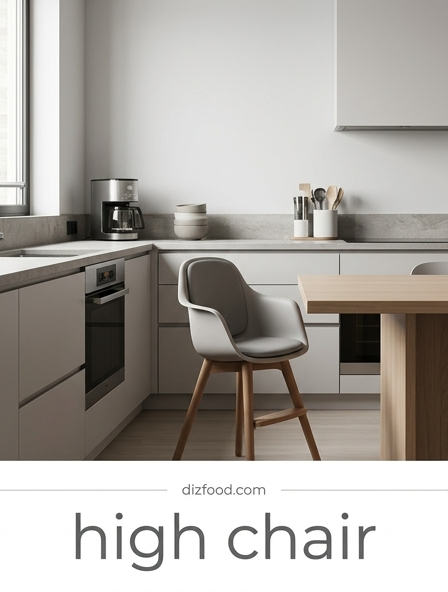
Essential Safety Features for Infant High Chairs
When selecting a high chair for your kitchen, safety is the primary concern to ensure a secure environment for your infant during mealtimes. A robust safety system begins with a five-point harness, which secures the child at the shoulders, waist, and between the legs. This configuration prevents the baby from sliding out or attempting to climb out when your back is turned. Additionally, a passive crotch restraint-a permanent post attached to the seat or tray-acts as a secondary safeguard against slipping.
- Five-point adjustable safety harness for a snug fit.
- Passive crotch restraint to prevent submarining.
- Locking mechanisms on all folding joints to prevent collapse.
- Wheels with reliable locking systems to keep the chair stationary.
- Sturdy frame construction that resists tipping under pressure.
Beyond the harness, the structural integrity of the chair must meet modern certification standards. Look for smooth edges and the absence of small parts that could pose a choking hazard. Testing the stability by applying gentle pressure to the sides can help ensure the unit will remain upright even as your child becomes more active and begins to push against the kitchen table.
Ergonomic Design for Healthy Posture Development
Proper ergonomic alignment is critical during the developmental stages when an infant is learning to sit and eat. A well-designed high chair supports the "90-90-90" rule, where the child's hips, knees, and ankles are all bent at ninety-degree angles. This posture provides the stability necessary for the child to focus on the complex motor skills required for chewing and swallowing. Without adequate trunk support, babies may slouch, which can lead to fatigue and an increased risk of choking during mealtime.
The backrest should be firm and upright rather than excessively reclined, encouraging the baby to engage their core muscles. Side bolsters or a contoured seat can provide additional support for younger infants who are still gaining strength in their upper bodies. By prioritizing an ergonomic setup in the kitchen, parents foster a more comfortable feeding experience that allows the child to remain seated longer without discomfort. This physical support is not merely about comfort; it is a fundamental aspect of oral-motor development and safe digestion for growing toddlers.
Easy Clean Materials for Busy Kitchens
In a fast-paced kitchen environment, the ability to sanitize a high chair quickly is essential for maintaining hygiene and saving time. High chairs manufactured with non-porous materials, such as smooth plastics and sealed woods, prevent food particles and bacteria from becoming trapped in crevices. Modern designs often feature seamless seat pads, which eliminate the traditional "crumb cracks" that make cleaning a chore. Furthermore, many contemporary models utilize machine-washable fabrics that can be stripped off easily after a particularly messy self-feeding session.
| Material Type | Cleaning Method | Maintenance Level |
|---|---|---|
| Plastic / Polymer | Wipe with damp cloth | Low |
| Finished Wood | Mild soap and water | Moderate |
| Polyester Fabric | Machine wash cold | High |
| Silicone Trays | Dishwasher safe | Low |
Selecting a chair with a dishwasher-safe tray liner adds another layer of convenience. These liners can be popped out and placed in the dishwasher, ensuring a sterile surface for the next meal. By choosing materials that withstand frequent scrubbing and moisture, parents can ensure the high chair remains a clean and inviting place for their child to explore new flavors every day.
The Importance of Adjustable Footrests
An adjustable footrest is an often overlooked but vital component of high chair design. Providing a solid surface for a child's feet offers sensory feedback and "proprioceptive input," which helps the child feel secure in space. When a baby's legs dangle, their center of gravity becomes unstable, causing them to fidget or lean to find balance. This lack of stability often translates to a shorter attention span at the table and increased fussiness during mealtimes.
- Promotes core stability by providing a base for the lower body.
- Reduces fidgeting by eliminating leg fatigue and dangling.
- Supports the 90-degree ankle alignment necessary for posture.
- Adapts to the child's growth, ensuring long-term ergonomic use.
- Assists in safe swallowing by stabilizing the trunk and neck.
As the child grows, the footrest must be moved downward to maintain the correct ergonomic angles. A high chair that lacks this adjustability will quickly become uncomfortable, potentially leading to a negative association with the kitchen environment. Investing in a model with multiple footrest positions ensures that the chair evolves alongside the child's physical development.
Space Saving High Chairs for Small Kitchens
For families living in apartments or homes with compact kitchen layouts, a full-sized high chair can feel intrusive. Space-saving solutions have evolved significantly, offering the same safety features as standard models without the large footprint. Folding high chairs are a popular choice, as they can be tucked away in a pantry or behind a door when not in use. These designs often feature "stand-alone" folding capabilities, allowing them to remain upright without leaning against a wall, which protects your kitchen paint and flooring.
Another alternative is the hook-on chair, which attaches directly to the kitchen island or dining table. This removes the need for a floor-standing base entirely, keeping the kitchen floor clear for movement. Alternatively, booster-style seats that strap onto existing dining chairs allow the baby to join the table without adding a new piece of furniture to the room. When selecting a space-saving model, it is crucial to ensure that the folding mechanism is easy to operate with one hand, as parents often have their hands full in the kitchen. These compact designs prove that you do not need a large kitchen to provide a safe and dedicated space for your infant's meals.
Promoting Self Feeding with Functional Trays
The high chair tray is more than just a surface for food; it is a developmental platform where infants explore textures and refine their fine motor skills. A functional tray should be spacious enough to accommodate suction bowls and plates, yet sized appropriately to fit within the kitchen's traffic flow. Many trays now include a recessed cup holder to prevent spills and a high outer rim to keep runaway peas or pasta from ending up on the kitchen floor. This containment is essential during the early stages of baby-led weaning.
- Removable tray liners for quick transitions between courses.
- One-handed release mechanisms for ease of use.
- BPA-free surfaces that are safe for direct food contact.
- Adjustable depth settings to accommodate the child's growth.
- Smooth, crevice-free undersides to prevent finger pinching.
Depth adjustability is particularly important, as it allows the tray to be moved closer to the baby's chest, reducing the gap where food often falls. As the child gains confidence in self-feeding, a well-placed tray encourages independence, allowing them to reach their food easily without overextending. This promotes a positive relationship with food and mealtime from the very first bite.
Convertible High Chairs for Growing Toddlers
Longevity is a key consideration for many parents when outfitting their kitchen. Convertible high chairs, often referred to as "3-in-1" or "4-in-1" systems, are designed to transition through various stages of a child's life. Initially, they serve as a traditional infant high chair with a full harness and tray. As the child transitions into the toddler years, the unit can be converted into a booster seat or a youth chair that pulls directly up to the family table. This adaptability makes them a cost-effective and sustainable choice for the modern home.
Some premium models even transform into adult-sized stools, ensuring the piece of furniture remains useful in the kitchen long after the child has outgrown the need for feeding assistance. The transition process usually involves removing the plastic tray and adjusting the height of the seat and footrest. By maintaining a consistent seat for the child throughout their early years, parents can provide a sense of routine and stability. Choosing a convertible model ensures that your kitchen furniture evolves to meet the changing physical needs and social milestones of your growing toddler.
Non Toxic Materials and Baby Health
Because infants often explore their environment through touch and taste, the chemical composition of a high chair is a vital health consideration. In the kitchen, where heat and food are present, it is essential that the chair is free from harmful substances. Manufacturers of high-quality baby gear prioritize materials that do not off-gas or leach chemicals. Parents should look for certifications that ensure the product is free from volatile organic compounds (VOCs) and heavy metals, which are sometimes found in low-quality plastics or paints.
| Substance | Health Concern | Safety Standard |
|---|---|---|
| BPA | Hormonal disruption | BPA-Free Plastic |
| Phthalates | Developmental issues | REACH Compliant |
| Lead | Neurological impact | ASTM F404 |
| Formaldehyde | Respiratory irritation | Greenguard Gold |
Choosing a chair with a Greenguard Gold certification indicates that the product has been tested for over 10,000 chemicals and meets strict emission standards. Additionally, food-grade silicone and sustainably sourced solid woods with water-based finishes are excellent non-toxic choices. Ensuring the high chair is a "clean" zone helps protect the baby's developing immune system and provides peace of mind for the health-conscious family.
Stability and Base Security on Kitchen Floors
Kitchen floors, often made of tile, hardwood, or laminate, can be slippery, making the stability of a high chair base a critical safety factor. A wide footprint is generally safer as it creates a lower center of gravity, significantly reducing the risk of the chair tipping if a child pushes against the table. However, a wide base can also become a tripping hazard in a busy kitchen, so finding a balance between stability and a compact design is essential. High-quality chairs feature non-slip rubber grips on the feet to prevent the chair from sliding during use.
- Check for non-slip rubberized feet to grip kitchen tiles.
- Ensure the "footprint" is wide enough to prevent tipping.
- Inspect the weight of the base; heavier bases often provide more stability.
- Verify that any wheels have a dual-locking mechanism.
- Avoid chairs with sharp legs that could catch on rugs or uneven flooring.
Stability is especially important when the child begins to reach for items on the table or exerts force by kicking. A secure base ensures that the chair stays exactly where it is placed, preventing accidental movement toward kitchen hazards like stoves or dishwashers. Regular inspections of the feet and joints ensure the chair remains a stable platform throughout its lifespan.
Integrating Your Baby into Family Mealtimes
One of the primary benefits of a high chair is the ability to bring the baby to the same level as the rest of the family during meals. Social integration in the kitchen is a powerful tool for language development and the modeling of healthy eating habits. When a baby sits at the table, they observe the social cues, conversation, and dining etiquette of their parents and siblings. This inclusion helps the child feel like an active participant in the family unit rather than an isolated observer in a separate corner.
To facilitate this, many parents choose high chairs with adjustable height settings, allowing the chair to slide under the table edge once the tray is removed. This physical proximity encourages the baby to try the same foods the adults are eating, which can reduce picky eating tendencies later in life. By making the high chair a central part of the kitchen's social dynamic, mealtimes become a shared experience of bonding and discovery. This integration supports not only nutritional health but also the emotional and social growth of the infant within the heart of the home.



Comments