
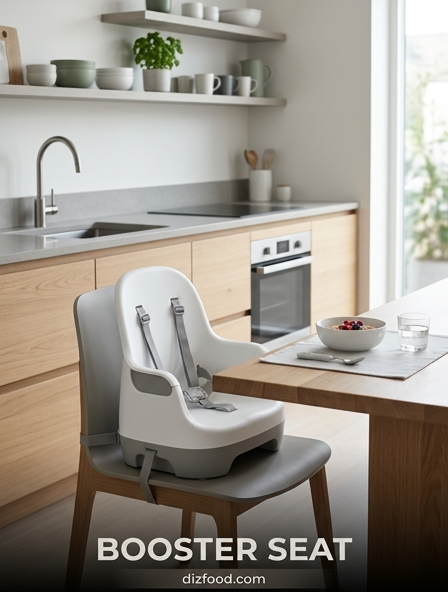
Bridging the Gap from High Chair to Table
The transition from a standalone high chair to a kitchen booster seat represents a significant developmental milestone for a toddler. During this phase, the child is physically outgrowing the restrictive tray of a high chair but remains too small to sit comfortably on a standard adult chair. A booster seat fills this void by providing the necessary elevation to bring the child's chest level with the tabletop. This positioning ensures that the child can reach their plate and utensils without straining their shoulders or neck, making the dining experience physically sustainable for the duration of a meal.
Furthermore, this transition allows the child to integrate into the shared physical space of the family dining area. Unlike high chairs, which often sit at the periphery of the table, a booster seat is secured directly onto an existing dining chair, bringing the child into the inner circle. This proximity facilitates easier supervision and assistance from parents while allowing the child to feel like an equal participant in the mealtime ritual. By bridging this gap, parents help children adapt to the furniture and settings they will use for the rest of their lives.
Promoting Self-Feeding and Fine Motor Skills
Proper seating height is a critical factor in the development of fine motor skills during early childhood. When a child is seated too low, they are forced to use an awkward "reaching up" motion that compromises their control over spoons, forks, and cups. A booster seat optimizes their vantage point, allowing for a more natural range of motion in the elbows and wrists. This ergonomic alignment is essential for mastering complex tasks such as piercing food with a fork or scooping peas with a spoon.
- Enhances hand-eye coordination by providing a clear view of the plate and food items.
- Reduces accidental spills by ensuring the child's arms are at a 90-degree angle to the table surface.
- Encourages the use of pincer grasps when handling smaller finger foods directly from the table.
- Allows for more stable wrist positioning, which is vital for the eventual transition to adult-sized cutlery.
By removing the physical barriers to success, the booster seat empowers children to experiment with different textures and tools, accelerating their journey toward independent eating and refined motor control.
The Role of Proper Posture in Better Digestion
Ergonomics in the kitchen are just as important for children as they are for adults. When a child dangles their legs or slumps over to reach their food, it can negatively impact their digestive process. A well-designed booster seat encourages an upright "90-90-90" posture: 90 degrees at the hips, 90 at the knees, and 90 at the ankles. This alignment keeps the airway open and the digestive tract uncompressed, allowing food to move more efficiently from the mouth to the stomach.
In addition to spinal alignment, many booster seats include footrests or encourage the child to rest their feet on the chair's rungs. Stability in the lower body provides a sense of security that prevents the child from becoming restless or fidgety. When a child feels physically supported, their nervous system remains in a "rest and digest" state rather than a "fight or flight" state triggered by the fear of falling. Consequently, the child is likely to eat more slowly, chew more thoroughly, and experience fewer digestive upsets after the meal has concluded.
Fostering Social Interaction During Family Mealtimes
Mealtimes are a primary venue for language development and social learning. When a child is elevated by a booster seat, they are positioned at eye level with the other members of the household. This height parity is crucial for interpreting facial expressions, following the flow of conversation, and mimicking the social behaviors of adults and older siblings. Being part of the group encourages the child to engage in "turn-taking," which is a foundational concept for both verbal communication and social empathy.
The communal nature of the dinner table serves as a classroom for etiquette and manners. By observing their parents closely, children learn how to ask for items to be passed, how to use a napkin, and how to listen when others are speaking. Without the elevation of a booster seat, the child may feel isolated at the table's edge, leading to disengagement or attention-seeking behaviors. In contrast, being integrated into the social core of the kitchen fosters a sense of security and encourages the child to contribute their own thoughts and babbles to the family narrative.
Building Confidence Through Elevated Seating
For a young child, the world is often built on a scale that makes them feel small and incapable. Reaching the kitchen table is a physical hurdle that can lead to frustration. A booster seat provides an immediate boost in confidence by giving the child a "seat at the table" in every sense of the phrase. This elevation changes their perspective from looking up at the world to looking out at it. When a child can see what is happening on the table clearly, they feel more in control of their environment.
This newfound height often correlates with a psychological surge in autonomy. The child begins to view themselves as a capable individual who can participate in the "grown-up" world. This confidence often spills over into other areas of life, such as a willingness to try new foods or a desire to help set the table. By providing the physical means to succeed at the table, parents are reinforcing the child's belief in their own agency and growing capabilities, which is vital for healthy emotional development during the toddler years.
Encouraging Active Participation in Kitchen Activities
A kitchen booster seat is not merely a tool for eating; it is a gateway to culinary exploration. When children are raised to counter height, they can safely observe meal preparation, which demystifies the cooking process and reduces food neophobia. Being at the right height allows children to participate in simple tasks such as stirring batter, tearing lettuce, or washing vegetables. These activities transform the kitchen from a restricted zone into a collaborative learning environment where the child feels valued.
This participation teaches children about the origins of their food and the effort required to prepare it. It also provides a unique opportunity for sensory play, as children can touch, smell, and see various ingredients up close. Engaging a child in kitchen activities while they are securely seated prevents them from wandering into dangerous areas, such as near the stove or sharp utensils, while still keeping them involved in the action. This early exposure to food preparation often leads to a lifelong interest in cooking and a more adventurous palate as they grow older.
Safety Features That Empower Independent Use
Modern kitchen booster seats are engineered with safety as a priority, ensuring that the child is secure even as they become more active. These features not only protect the child but also provide parents with peace of mind. The combination of secure attachment systems and slip-resistant materials prevents the booster from shifting during use, which is critical for children who tend to climb into their seats independently. This stability is the foundation upon which independence is built.
| Feature | Functional Benefit |
|---|---|
| Three-Point Harness | Prevents the child from sliding out or standing up unexpectedly. |
| Dual Attachment Straps | Secures the booster firmly to both the seat and back of the dining chair. |
| Non-Slip Rubber Feet | Ensures the seat remains stationary on wood or metal surfaces. |
| Contoured Design | Provides lateral support to keep the child centered and upright. |
As children learn to navigate these features, they gain a sense of mastery over their physical environment, further promoting their journey toward self-sufficiency.
Creating a Sense of Belonging at the Dinner Table
Psychologically, the act of sitting in the same type of chair as everyone else-albeit with an added booster-signifies to the child that they are a full member of the family unit. This sense of belonging is essential for building a child's self-esteem and emotional security. In a high chair, a child is physically and symbolically separated from the group. In a booster seat, they share the same physical plane, eat from the same table surface, and occupy a standard chair, which reinforces their identity as an integral part of the family "tribe."
This inclusivity fosters stronger family bonds and creates a positive association with mealtime. When the dinner table is a place of connection rather than isolation, children are more likely to look forward to meals and remain seated for longer periods. This shared experience helps establish long-term family traditions and rituals that provide a stable foundation for the child's upbringing. The booster seat is more than a piece of plastic or foam; it is a tool for emotional integration into the family's daily life and communal culture.
The Psychological Shift Toward Big Kid Status
Outgrowing the high chair is a major event in a toddler's life, often framed as becoming a "big kid." This psychological shift is encouraged by the introduction of the booster seat, which lacks the "babyish" connotations of a high chair tray and harness system. For many children, this transition is a badge of honor that reflects their growth and maturity. It signals that they are no longer an infant requiring total confinement and are instead moving toward the responsibilities and privileges of childhood.
- Identity formation through the use of "grown-up" furniture and tools.
- Increased motivation to follow adult rules and table manners.
- Reduction in power struggles as the child feels more respected and capable.
- Preparation for other developmental leaps, such as toilet training or moving to a bed.
By validating the child's progress, parents can leverage the booster seat to encourage other positive behaviors. The pride associated with "big kid" status serves as a powerful intrinsic motivator, helping the child navigate the complexities of growing up with enthusiasm and a positive self-image.
Easing the Transition to Standard Adult Chairs
The ultimate goal of any kitchen seating solution is to eventually move the child to a standard chair without any assistance. A booster seat serves as the final step in this evolutionary process. It allows the child to habituate to the dimensions of a standard dining chair-the width, the backrest, and the legroom-while still providing the necessary height. Over time, as the child grows, many booster seats offer adjustable height levels, allowing parents to slowly lower the child toward the seat of the chair.
This gradual descent prevents the "shock" of suddenly sitting too low and losing the ability to interact with the table properly. It also allows the child's muscles to adapt to the lack of a harness or high backrest in a controlled manner. By the time the child is tall enough to sit directly on the chair, they have already mastered the balance and behavioral expectations required to do so. The booster seat thus provides a seamless transition, ensuring that the child remains comfortable and confident throughout their entire physical development in the kitchen environment.


Comments