
If you're struggling with limited counter space in a tiny kitchen, an over-the-sink drying rack is a total game-changer for your daily routine. These vertical organizers utilize the often-wasted air space directly above your basin, keeping your countertops clutter-free while allowing water to drip directly into the drain. It's a smart, ergonomic solution that streamlines your dishwashing by keeping everything within reach without sacrificing valuable meal prep areas. Whether you live in a studio apartment or a cozy cottage, maximizing vertical storage is the secret to a truly functional cooking environment. To find the best fit for your home, consider the key differences between Over-The-Sink Racks Versus Side-Counter Racks.
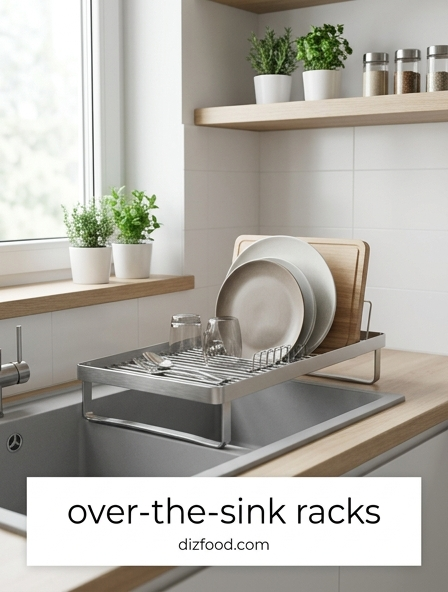
Maximized Vertical Storage Potential
The primary challenge in most residential kitchens is the limitation of horizontal surface area. Over-the-sink racks address this by pivoting the organizational strategy toward the vertical axis, utilizing the often-ignored space directly above the faucet. By extending storage upward, these units allow homeowners to stack plates, bowls, and cookware in a tiered fashion that does not encroach on valuable prep zones. This verticality ensures that every inch of the kitchen footprint is utilized to its highest potential.
- Tiered plate stacking for high-capacity storage.
- Dedicated overhead compartments for bulky colanders and mixing bowls.
- Integrated hooks for hanging mugs and measuring cups.
- Upper-level shelving for rarely used specialized tools.
Furthermore, the structural integrity of modern vertical racks supports significant weight, making it possible to store heavy cast iron or stoneware safely. This method of organization not only clears the lower cabinets but also keeps frequently used items within an immediate line of sight. Utilizing vertical height transforms a cramped washing area into a sophisticated storage hub, effectively doubling the functional capacity of the sink zone without requiring any permanent renovations or additional floor space.
Instant Countertop Decluttering Benefits
A cluttered countertop is the most common deterrent to efficient meal preparation. When dish drying mats, bottle sterilizers, and loose cutlery occupy the space next to the sink, the available area for chopping and plating is severely diminished. Over-the-sink racks provide an immediate remedy by relocating these items to an elevated platform. This transition frees up the "golden zone" of the countertop, allowing for a more streamlined and less stressful cooking environment.
- Clearance of soggy textile drying mats that harbor bacteria.
- Migration of dish soap and sponges to elevated wire baskets.
- Reduction of visual noise by grouping cleaning supplies in one location.
- Creation of dedicated zones for food prep and dish management.
By removing the physical obstacles from the perimeter of the sink, users experience a psychological benefit as well; a clean surface promotes a sense of order and cleanliness. The removal of traditional drying racks also prevents water from pooling on stone or laminate surfaces, protecting the countertop material from long-term moisture damage. Ultimately, decluttering through elevation creates a professional-grade workspace even in a domestic setting.
Efficient Air Drying Drainage System
Traditional dish racks often suffer from poor drainage, leading to stagnant water and unpleasant odors. Over-the-sink racks solve this by utilizing gravity to direct every drop of excess water straight into the sink basin. This system eliminates the need for plastic drip trays that require frequent cleaning and prevents water from spilling onto the surrounding cabinetry. The open-wire design promotes 360-degree airflow, which significantly accelerates the drying process for porous materials and complex geometries.
| Feature | Benefit |
|---|---|
| Direct Sink Drainage | Prevents water pooling and limescale buildup. |
| Enhanced Air Circulation | Reduces drying time and prevents mold. |
| Open Grid Pattern | Accommodates odd-shaped items like whisks. |
| Elevated Positioning | Keeps clean dishes away from countertop grime. |
This efficient drainage system is particularly beneficial for glassware and delicate items. Because the water drains immediately, there is less opportunity for "spotting" to occur on clear surfaces. Additionally, the constant movement of air ensures that moisture does not get trapped inside bowls or cups, maintaining a more hygienic environment for all kitchenware and reducing the need for towel drying.
Multifunctional Kitchen Utility Design
Beyond simply holding plates, the modern over-the-sink rack is a comprehensive utility station designed to house a wide array of kitchen essentials. These systems are engineered with specific modules that cater to the diverse needs of a busy cook. Rather than being a single-purpose item, the rack serves as a centralized hub for cleaning, preparation, and storage. Its versatility ensures that everything from heavy cutting boards to tiny espresso spoons has a designated, secure location.
- Side-mounted cutting board holders for quick access and drying.
- Removable cutlery cages with drainage holes for sanitary storage.
- Specialized knife slots to protect blades and keep them out of reach.
- Dedicated detergent and sponge baskets to keep cleaning tools organized.
The utility is further enhanced by the inclusion of utility hooks, which can be repositioned to hold ladles, tongs, or even small herb planters. This multifunctionality means that the sink area becomes more than just a place to wash dishes; it becomes a coordinated system that assists in every stage of the culinary process. By centralizing these utilities, the rack minimizes the time spent searching through drawers and cabinets for common tools.
Ergonomic Dishwashing Workflow Improvements
Standard kitchen layouts often require the user to bend, twist, or reach awkwardly when transitioning from washing to drying. Over-the-sink racks improve the ergonomics of this workflow by placing the storage containers directly in front of the user at chest or eye level. This proximity allows for a "wash-and-place" motion that minimizes repetitive strain on the back and shoulders. Instead of leaning over a side-counter rack, the user can maintain a neutral posture while organizing clean items.
This streamlined movement pattern is not just about comfort; it is also about efficiency. When the drying area is positioned in the same plane as the washing basin, the risk of dripping water across the floor is eliminated. The intuitive placement of plate slots and cup holders ensures that the sorting process happens naturally as the items leave the water. For individuals with limited mobility or chronic back pain, this ergonomic shift can transform dishwashing from a strenuous chore into a manageable and organized task. The deliberate placement of each component ensures that the most frequently used items are always within the most comfortable range of motion.
Small Kitchen Square Footage Optimization
In urban apartments and tiny homes, kitchen square footage is a luxury. Every appliance and accessory must justify its footprint. Over-the-sink racks are the gold standard for small-space optimization because they occupy a footprint that is already "claimed" by the sink itself. By using the airspace that would otherwise be empty, these racks provide high-density storage without sacrificing a single square inch of floor or counter space. This makes them indispensable for studio living where every surface must be multifunctional.
- Ideal for single-basin sinks in compact apartments.
- Creates storage where none existed before.
- Replaces the need for bulky floor-standing bakers' racks.
- Easily disassembled for transport during frequent moves.
The optimization goes beyond just storage; it also improves the flow of a small kitchen. When dishes are organized overhead, the limited counter space can remain dedicated to a toaster, coffee maker, or food processor. This segregation of functions prevents the "cramped" feeling that often plagues small kitchens. By thinking vertically, even the most miniature galley kitchen can function with the efficiency and order of a much larger professional space.
Durable Rust Resistant Materials
Given the constant exposure to moisture, the material composition of an over-the-sink rack is critical for its longevity. High-quality racks are typically constructed from 304 stainless steel or heavy-duty carbon steel with advanced powder coatings. These materials are chosen for their high resistance to corrosion and rust, ensuring that the structure remains aesthetically pleasing and structurally sound for years. The durability of these materials also allows the rack to support significant weight loads without bending or warping over time.
| Material Type | Key Advantage |
|---|---|
| 304 Stainless Steel | Superior rust resistance and easy to sanitize. |
| Powder-Coated Steel | Available in various colors with high scratch resistance. |
| Reinforced Joints | Ensures stability under heavy weight loads. |
| Non-Slip Suction Feet | Prevents the rack from sliding on wet surfaces. |
Beyond rust resistance, the finishes are designed to be easy to clean. A simple wipe with a damp cloth is usually enough to remove water spots or soap residue. The use of non-porous metals also prevents the growth of bacteria, making the rack a more hygienic choice compared to wooden or plastic alternatives. Investing in a rack made from premium materials ensures that the unit will not need to be replaced due to the harsh conditions of a wet kitchen environment.
Customizable Modular Storage Components
One size does not fit all in kitchen organization. Over-the-sink racks often feature a modular design that allows users to customize the layout based on their specific inventory of dishes and tools. Most units come with a variety of interchangeable baskets and hooks that can be snapped onto the main frame in various configurations. This flexibility is essential for accommodating everything from tall wine glasses to heavy frying pans, ensuring that the rack adapts to the user's lifestyle rather than forcing the user to adapt to the rack.
- Adjustable width to fit different sink sizes and faucet heights.
- Repositionable side baskets for personalized tool placement.
- Removable tiers for kitchens with low-hanging cabinetry.
- Interchangeable modules for seasonal changes in cookware usage.
This modularity also future-proofs the investment. If a user moves to a new home with a different sink configuration, the rack can often be adjusted to fit the new environment. The ability to move components also simplifies the cleaning process, as individual sections can be taken to the dishwasher for a deep clean. Customization empowers the homeowner to create an organizational system that mirrors their unique culinary habits and preferences.
Seamless Modern Kitchen Aesthetics
While functionality is paramount, the visual impact of an over-the-sink rack cannot be ignored. Modern designs have evolved from utilitarian wire frames into sleek, architectural additions to the kitchen. Available in finishes like matte black, brushed stainless steel, and polished chrome, these racks can complement a wide range of interior design styles, from industrial chic to minimalist modern. The clean lines and organized appearance of the rack help to unify the look of the sink area, turning a potential mess into a structured display.
The aesthetic appeal is rooted in the concept of "organized visibility." Instead of hiding dishes away in dark cupboards, the rack displays them in a neat, orderly fashion that can feel very "chef-inspired." The open design maintains a sense of light and airiness in the room, preventing the sink area from feeling enclosed. When matched with modern faucets and hardware, an over-the-sink rack serves as a statement piece that signals a commitment to both efficiency and contemporary design. It bridges the gap between a working tool and a decorative furniture piece, enhancing the overall value of the kitchen's appearance.
Ultimate Compact Space Transformation
The installation of an over-the-sink rack often marks the turning point in a kitchen's functionality. It represents a total transformation from a cluttered, inefficient space into a streamlined, high-performance workstation. By consolidating washing, drying, and storage into a single vertical footprint, the rack fundamentally changes how the user interacts with their kitchen. The daily friction caused by lack of space and disorganized tools is removed, replaced by a logical and satisfying system that makes kitchen management feel effortless.
- Converts underutilized airspace into high-value storage.
- Encourages immediate tidiness through designated placement.
- Eliminates the cycle of towel-drying and putting away dishes.
- Modernizes the overall workflow for faster cleanup times.
This transformation is particularly impactful for those who cook frequently. The ability to wash a pan and immediately place it in an overhead rack-out of the way but within reach-changes the rhythm of meal preparation. It allows the cook to maintain a clean workspace throughout the entire process, rather than facing a mountain of clutter at the end. Ultimately, the over-the-sink rack is not just a kitchen accessory; it is a vital tool for anyone looking to maximize their lifestyle through smarter, more efficient home organization.

Comments