
The hidden impact of plastic dish sponges
Standard kitchen sponges are typically manufactured from synthetic polymers like polyurethane and polyester. While they appear harmless, these materials are essentially blocks of soft plastic designed to degrade through friction. Every time a sponge is used to scrub a plate, the physical abrasion causes tiny fragments to break away from the main structure. These fragments, known as microplastics, are often too small to be seen by the naked eye but represent a significant source of household pollution.
- Material shedding occurs during every wash cycle.
- High temperatures in dishwashers accelerate polymer breakdown.
- Sponges trap food particles and bacteria, necessitating frequent disposal.
- Synthetic dyes and chemical flame retardants may leach into the water.
Beyond the immediate shedding, the lifecycle of a plastic sponge is incredibly short. Most households discard them every few weeks to avoid odors and bacterial buildup. Once in a landfill, these sponges do not biodegrade; instead, they break down into smaller and smaller pieces over centuries, eventually entering the soil and groundwater. This constant cycle of consumption and disposal makes the humble kitchen sponge a disproportionately large contributor to the global microplastic crisis.
How synthetic bristles shed microplastics
Plastic dish brushes use synthetic bristles made from nylon or polypropylene. These materials are chosen for their flexibility and initial stiffness, but they are highly susceptible to mechanical wear. As you scrub heavy grease or burnt-on food, the bristles undergo intense stress, causing the tips to fray and snap. These microscopic plastic shards are immediately flushed down the kitchen drain with the rinse water.
- Physical friction snaps microscopic pieces off the bristle ends.
- Exposure to boiling water weakens the chemical bonds of the plastic.
- Detergents act as catalysts that further degrade the synthetic fibers.
- Worn bristles lose their cleaning efficacy, leading to more aggressive scrubbing and higher shed rates.
Unlike larger pieces of plastic litter, these micro-shards are impossible to reclaim once they enter the wastewater system. Traditional plumbing filters are not fine enough to catch them, and many municipal treatment plants are not equipped to filter particles of this size. Consequently, the act of cleaning our dishes inadvertently results in the direct release of non-biodegradable synthetic waste into the local environment, where it persists indefinitely.
Why bamboo is the ultimate sustainable material
Bamboo stands out as the premier alternative to plastic in the kitchen due to its unparalleled growth rate and biological characteristics. As a grass rather than a hardwood, some species of bamboo can grow up to three feet in a single day. This rapid regeneration allows for high-yield harvesting without the environmental degradation associated with deforestation. Because bamboo reaches maturity in just three to five years, it provides a continuous, renewable supply of raw material for kitchen tools like brush handles and scrapers.
Furthermore, bamboo cultivation requires no synthetic pesticides or fertilizers, as the plant possesses a natural bio-agent known as "bamboo kun" which makes it inherently resistant to pests and fungi. This ensures that the products manufactured from it are free from toxic chemical residues that could leach into your food or water. When the lifespan of a bamboo tool finally ends, its organic structure allows it to return to the earth through natural decomposition. It sequesters more carbon dioxide and produces more oxygen than equivalent stands of trees, making it a carbon-negative resource that actively improves the atmosphere during its growth cycle.
The environmental benefits of natural fibers
Replacing synthetic bristles with natural plant fibers is a critical step in eliminating microplastic runoff. Fibers derived from sisal, coconut husks, and the Union fiber mix offer superior cleaning power without the risk of permanent environmental contamination. These materials are harvested from renewable agricultural sources and require minimal processing to be converted into functional cleaning tools. Because they are organic, any fragments that break off during a heavy scrubbing session are simply plant matter that will biodegrade naturally.
- Sisal fibers are derived from the agave plant and offer medium stiffness.
- Coconut coir is naturally waterproof and resistant to rot.
- Tampico fibers from Mexican cacti are highly resistant to heat and chemicals.
- Natural fibers are non-static and do not attract excess dust or grime.
Using these fibers ensures that the "waste" generated during dishwashing is compatible with the ecosystem. If a natural fiber enters the waterway, it serves as organic detritus rather than a toxic pollutant. This transition to plant-based materials aligns kitchen hygiene with the natural carbon cycle, ensuring that our cleaning habits do not leave a lasting synthetic footprint on the planet's oceans and rivers.
Comparing durability: bamboo vs plastic brushes
A common misconception is that natural materials are less durable than their synthetic counterparts. In reality, bamboo and wood tools are engineered by nature to withstand significant stress and moisture. While plastic brushes may seem resilient, they often suffer from "bristle flare," where the synthetic fibers bend permanently outward and lose their scrubbing power within months. Bamboo handles, when properly dried, maintain their structural integrity for much longer and do not become brittle over time.
| Feature | Plastic Brush | Bamboo Brush |
|---|---|---|
| Lifespan | 2-3 Months | 6-12 Months |
| Heat Resistance | Low (can melt) | High (remains stable) |
| End of Life | Landfill/Pollution | Compostable |
| Shedding | Microplastics | Organic Fibers |
The table above illustrates that bamboo tools offer a superior functional life. While plastic brushes are cheap to purchase, their frequent replacement cycle makes them more expensive in the long run. Bamboo's natural resistance to warping and its ability to be paired with replaceable heads make it a far more robust choice for a busy kitchen environment.
Protecting waterways from kitchen waste
The kitchen sink is a direct portal to the world's water systems. When microplastics from sponges and brushes enter the drain, they pass through various stages of filtration, yet many still reach the ocean. These particles are particularly dangerous because they act as "chemical sponges," absorbing oily toxins and persistent organic pollutants from the surrounding water. Once saturated with chemicals, these microplastics are often mistaken for food by small aquatic organisms, allowing toxins to enter the base of the food chain.
By switching to bamboo and natural fiber tools, you effectively "plug" this source of pollution at its origin. Protecting our waterways requires a shift in consumer behavior toward materials that the environment can process. Unlike plastic, which fragments into trillions of pieces that never disappear, natural kitchen waste is broken down by bacteria and fungi. This prevents the bioaccumulation of toxins in fish and shellfish, ultimately protecting human health. Clean water begins with the choices made at the kitchen sink, and choosing plastic-free tools is one of the most effective ways to preserve aquatic biodiversity.
Effective cleaning with plant-based bristles
Many consumers fear that plant-based bristles won't be tough enough for heavy-duty cleaning. However, natural fibers like union fiber (a mix of palmyra and tampico) are exceptionally stiff and durable, making them ideal for scrubbing cast iron skillets and stainless steel pots. These fibers have a natural "spring" that allows them to reach into crevices and lift stubborn, carbonized food particles without scratching delicate surfaces. Unlike nylon, which becomes soft and floppy when exposed to very hot water, natural bristles retain their rigidity even in boiling temperatures.
Furthermore, the variety of textures available in natural fibers allows for specialized cleaning. Coconut husk fibers are perfect for gentle vegetable scrubbing, while sisal provides the right amount of friction for everyday plates and glassware. Because these materials are naturally porous, they hold onto soap more effectively than smooth plastic bristles, creating a richer lather and reducing the amount of detergent needed. This combination of physical strength and chemical efficiency ensures that transitioning to a plastic-free kitchen does not mean compromising on cleanliness or hygiene standards.
How to compost your old bamboo brushes
One of the greatest advantages of bamboo kitchen tools is their ability to be composted at home, closing the loop on kitchen waste. Unlike plastic brushes that sit in landfills for centuries, a bamboo brush can be returned to the soil to provide nutrients for future plants. The process is straightforward, but a few steps are necessary to ensure the material breaks down efficiently and safely within a standard compost bin or pile.
- Remove any metal staples or wire using a pair of pliers.
- Separate the natural bristles from the handle if they are different materials.
- Break the bamboo handle into smaller pieces to increase the surface area.
- Bury the pieces in the "brown" or carbon-rich section of your compost pile.
In a healthy compost environment, a bamboo handle will typically decompose within six months to a year. The natural fibers will break down even faster. This process eliminates the need for trash pickup and ensures that your kitchen tools never contribute to the growing problem of landfill overflow. By composting, you turn your old dish brush into rich hummus that can be used to grow your own herbs or vegetables, creating a truly circular household economy.
The cost-effectiveness of long-lasting wood tools
While the initial price point of a bamboo or wooden dish brush may be higher than a cheap plastic sponge, the long-term economics favor the sustainable option. Plastic sponges are designed for obsolescence; they tear, smell, and lose effectiveness within weeks, forcing the consumer into a perpetual cycle of repurchasing. Over the course of a year, the cost of dozens of sponges far exceeds the price of a single high-quality bamboo brush handle and a few replaceable heads.
Many bamboo brush systems are designed with modularity in mind. Instead of throwing away the entire tool when the bristles wear out, you only replace the head. This significantly reduces waste and lowers the cost per use over time. Additionally, the inherent durability of wood means these tools are less likely to break under pressure. When you factor in the externalized costs of plastic pollution-such as water treatment and environmental cleanup-the switch to wood tools represents a massive saving for both the individual household and society at large. Investing in quality wood tools is a fiscally responsible decision that rewards the consumer with better performance and lower lifetime expenses.
Simple steps toward a plastic-free kitchen
Transitioning to a plastic-free kitchen does not have to happen overnight. The most sustainable approach is to replace items as they wear out, ensuring that you get the full utility out of your current supplies before upgrading to eco-friendly alternatives. This gradual shift reduces immediate waste and allows you to experiment with different natural materials to see what works best for your specific cooking and cleaning style.
- Swap plastic sponges for compostable cellulose or loofah scrubbers.
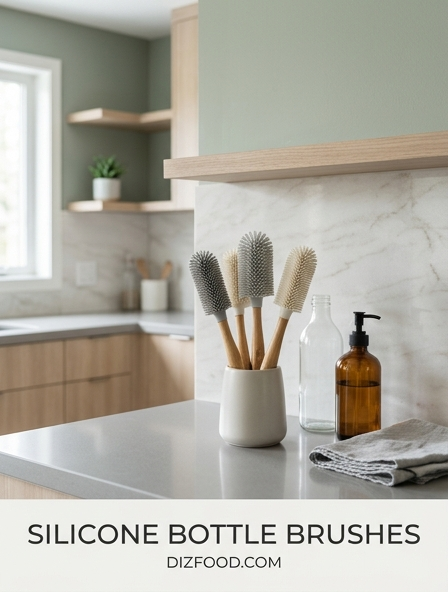
- Replace synthetic bottle brushes with bamboo and coconut fiber versions.
- Choose wooden or stainless steel utensils over nylon or plastic ones.
- Use beeswax wraps or glass containers instead of plastic cling film.
Each small change contributes to a significant reduction in microplastic shedding. Beyond just tools, consider the packaging of your cleaning products; opting for solid dish soap bars or concentrated refills further minimizes plastic waste. By focusing on durable, natural materials, you create a kitchen environment that is healthier for your family and safer for the planet. These simple, intentional steps build a foundation for a more conscious and sustainable lifestyle that rejects the convenience of disposable plastics.


Comments