
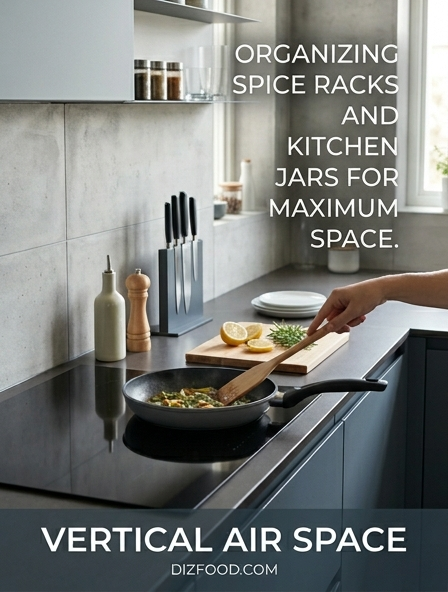
Benefits of Vertical Dish Drying Racks
Utilizing vertical air space through specialized drying racks offers a transformative approach to kitchen management. By shifting the storage of wet items from a horizontal plane to a multi-tiered vertical system, homeowners can significantly increase their kitchen's capacity without requiring a larger footprint. These racks are engineered to support the weight of heavy stoneware and delicate glassware simultaneously, providing a stable environment that minimizes the risk of breakage associated with overcrowded flat mats. Furthermore, verticality allows for a more logical arrangement of items by size and type, which simplifies the process of both loading and unloading.
- Increased storage volume within a compact surface area.
- Improved stability for plates and cutting boards through slotted designs.
- Enhanced visual organization that makes finding specific items easier.
- Reduced risk of accidental chips or cracks compared to piled dishes.
- Lower maintenance requirements for the surrounding countertop surfaces.
The primary advantage lies in the liberation of countertop real estate. In smaller urban kitchens where every square inch is vital, moving the drying process upward ensures that preparation areas remain clear for culinary tasks, thereby fostering a more professional and less stressful cooking environment.
Optimizing Airflow for Faster Natural Drying
The physics of air circulation plays a critical role in the efficiency of any drying system. Vertical arrangements capitalize on the natural movement of air currents, which move more freely around dishes that are stood upright or hung. When plates are stacked horizontally or placed on flat towels, moisture becomes trapped in the small gaps between surfaces, leading to prolonged drying times and potential odors. In contrast, vertical spacing ensures that both the front and back of every dish are exposed to ambient air, facilitating rapid evaporation through consistent airflow.
- Positioning plates with uniform gaps to allow cross-ventilation.
- Using wire grids that minimize contact points between the rack and the dish.
- Elevating the entire structure to allow air to flow beneath the bottom layer.
- Arranging larger items on the perimeter to prevent them from blocking internal air paths.
- Utilizing sloped designs that encourage rising warm air to circulate effectively.
This optimization not only speeds up the post-cleanup process but also prevents the development of stagnant humidity. By ensuring that moisture is carried away quickly by the surrounding environment, the kitchen remains fresher and the need for manual towel-drying is virtually eliminated.
Space Saving Over the Sink Solutions
Over-the-sink racks represent the pinnacle of vertical air space utilization by reclaiming the dead space located directly above the faucet. These structures are designed to span the width of the basin, creating a functional bridge that holds wet dishes while they drip. This configuration is particularly beneficial because it eliminates the need for a separate drainboard on the counter. Any excess water falls directly into the sink, keeping the surrounding surfaces dry and reducing the time spent wiping down the area after the dishes are finished.
- Adjustable frames that accommodate various sink widths and heights.
- Integrated hooks for hanging sponges, brushes, and small utensils.
- Specialized compartments for knives and silverware to prevent clutter.
- Heavy-duty suction cups or non-slip feet to ensure structural stability.
By moving the drying zone into the vertical space over the basin, the kitchen feels more open and organized. This setup is ideal for studio apartments or galley kitchens where counter space is at a premium. It also centralizes the cleaning workflow, keeping all water-related tasks within a single, vertical column of the kitchen layout.
Wall Mounted Storage for Efficient Workflows
Wall-mounted systems take verticality a step further by utilizing the vertical planes of the kitchen walls and backsplashes. Transitioning from drawer-based storage to wall-mounted racks allows for an immediate visual inventory of tools and ingredients. This accessibility is vital for high-efficiency cooking, as it removes the need to rummage through cluttered cabinets. Rails, magnetic strips, and floating shelves create a customizable grid that can be adapted to the specific needs of the chef, ensuring that the most frequently used items are always within arm's reach.
| Storage Type | Primary Benefit | Best For |
|---|---|---|
| Magnetic Strips | Blade protection and visibility | Chef knives and shears |
| Hanging Rails | Quick access and drainage | Ladles, whisks, and pans |
| Floating Shelves | De-cluttering flat surfaces | Spices and canisters |
Effective wall storage turns the vertical air space into a functional workstation. It encourages a "clean as you go" mentality by providing a designated, easily reachable spot for every tool. This systematic approach reduces the physical strain of bending or reaching deep into cupboards, making the overall kitchen experience more fluid.
Ergonomic Dishwashing and Elevated Drying
Ergonomics in the kitchen often focus on counter height, but the vertical placement of drying zones is equally important for long-term physical comfort. Elevated drying racks allow the user to place items at eye level or chest height, reducing the amount of repetitive bending and twisting required during the cleanup process. When the drying station is positioned vertically, the user maintains a more neutral spinal alignment. This consideration is especially important for individuals with back issues or those who spend significant time performing manual kitchen chores.
Furthermore, elevated systems prevent the common "hunch" associated with leaning over a low-profile drainboard. By bringing the storage and drying solutions into the user's natural line of sight, the process becomes more intuitive and less physically taxing. The psychological benefit of an organized, eye-level system cannot be overstated; it transforms a chore into an organized routine. High-level storage also keeps sharp objects and heavy pots out of the reach of small children, adding a layer of safety to the ergonomic benefits. Ultimately, designing the kitchen around the vertical reach of the inhabitant ensures a more sustainable and comfortable workspace.
Maximizing Countertop Real Estate with Tiers
Tiered storage solutions are an essential strategy for those who cannot mount fixtures to their walls but still need to exploit vertical air space. Multi-level racks function as high-rise buildings for kitchenware, doubling or tripling the usable area on a single footprint. These tiers are often designed with specific heights to accommodate different types of items, such as deep bowls on the bottom and flat plates on the top. This vertical layering prevents the "shuffling" of items that typically occurs in shallow drawers or single-level racks.
- Two-tier racks for separating glassware from heavy plates.
- Three-tier systems for including spice jars or small appliances.
- Slide-out tiers that allow for easy access to items in the back.
- Angled tiers that provide better visibility for stored ingredients.
By investing in tiered organization, the countertop remains a dedicated zone for food preparation rather than a storage depot. This separation of function is key to maintaining a professional-grade kitchen environment where the workflow is never interrupted by a lack of clear space. Tiers also allow for the aesthetic display of colorful cookware, adding a decorative element to their practical utility.
Reducing Clutter through High Level Storage
Clutter often accumulates because items lack a specific home or are stored in areas that are difficult to organize. High-level vertical storage, such as the tops of cabinets or ceiling-mounted racks, provides the perfect solution for items used infrequently. By moving seasonal platters, large stockpots, or specialty gadgets into the upper vertical air space, the "prime real estate" at waist height is preserved for daily essentials. This stratification of storage ensures that the most active parts of the kitchen remain streamlined and efficient.
- Identify items used less than once a week for high-shelf storage.
- Use clear, stackable bins to maintain visibility and prevent dust buildup.
- Install a library-style rolling ladder for safe access to ceiling-height units.
- Label the bottom of bins so they can be identified from the floor.
- Reserve the highest points for lightweight items to ensure safety during retrieval.
Removing these "space-fillers" from the main sightline significantly reduces visual noise. A kitchen that utilizes its full vertical height feels larger and more deliberate in its design. This approach turns unused air into a valuable asset, effectively expanding the home's square footage without a renovation.
Gravity Assisted Drainage for Better Hygiene
Hygiene is perhaps the most critical benefit of vertical dish management. When dishes are dried vertically, gravity acts as a natural force that pulls water away from the surfaces and down into a collection tray or the sink. This prevents the formation of "standing water" pools, which are breeding grounds for bacteria, mold, and mildew. Horizontal drying mats often stay damp for hours, creating a humid microclimate that can contaminate otherwise clean dishes. Vertical racks ensure that moisture is shed rapidly and completely.
- Self-draining spouts that direct water back into the basin.
- Vertical pegs that prevent water from pooling inside cups and bowls.
- Removable drip trays that can be sanitized in the dishwasher.
- Open-frame designs that prevent moisture from being trapped against walls.
The hygienic advantages extend to the longevity of the kitchenware as well. Proper drainage prevents mineral deposits and water spots on glassware, keeping them clear and pristine. By leveraging gravity, the kitchen environment remains drier and more sanitary, contributing to a healthier household and a more professional standard of cleanliness.
Integrating Hanging Racks into Kitchen Design
Hanging racks are a classic design element that effectively bridges the gap between industrial utility and home comfort. By suspending pots and pans from the ceiling or a high wall bracket, the kitchen makes use of the often-neglected central air space. This not only clears out deep cabinet corners but also serves as a focal point for the room's interior design. Copper, stainless steel, and cast iron pieces become part of the decor when displayed vertically. This method of storage is favored by professional chefs for the speed at which tools can be grabbed and returned during high-heat cooking.
| Rack Style | Installation Requirement | Design Aesthetic |
|---|---|---|
| Ceiling Oval | Joist mounting for weight support | Traditional / Farmhouse |
| Wall Grid | Anchor points on studs | Modern / Industrial |
| Corner Hook | Compact bracket systems | Minimalist / Small Space |
Integrating these racks requires careful consideration of height to avoid obstructing pathways. When positioned correctly over an island or a prep table, they create a highly functional "work zone" that feels both expansive and well-equipped.
Streamlining Cleanup with Vertical Organization
The final stage of any meal is the cleanup, and vertical organization is the key to making this process as brief as possible. A well-designed vertical system creates a natural flow from the sink to the drying rack and finally to the storage area. Because vertical racks often hold more items in a smaller area, the transition from washing to drying happens faster and with less movement. Everything has a specific slot or hook, which eliminates the decision fatigue of trying to fit "one more item" onto a crowded flat surface.
- Logical progression from heavy items at the base to light items at the top.
- Specialized zones for different categories like lids, cutlery, and plates.
- Minimal handling of wet items, reducing the chance of drops.
- Easier spotting of missed spots or leftover soap on upright items.
By streamlining the cleanup through verticality, the kitchen is restored to its pristine state more quickly. This efficiency encourages more frequent home cooking, as the "aftermath" is no longer a daunting task. Embracing the vertical air space is the final step in mastering kitchen ergonomics and creating a truly efficient culinary environment.

Comments