
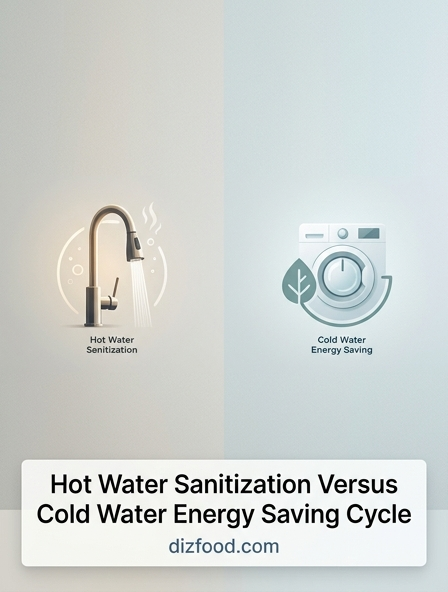
Deciding between a high-heat blast and a budget-friendly eco-wash often feels like a tug-of-war between clinical hygiene and monthly savings. Hot water sanitization is the undisputed heavyweight for heavy-duty cleaning, utilizing temperatures of at least 150°F to liquefy stubborn animal fats and eliminate 99.9% of pathogens-a must-have for households handling raw meat prep or baby bottles. Conversely, the cold water energy-saving cycle leverages modern enzyme-based detergents and extended soak times to lift light soils without the massive power draw required to heat water. While "eco" modes significantly reduce your carbon footprint and protect delicate plastics, they lack the thermal power to tackle baked-on grease, making the "better" choice a matter of balancing your specific load's grime level against your environmental goals.
| Feature | Hot Water Sanitization | Cold/Eco Energy Cycle |
|---|---|---|
| Avg. Temperature | 150°F - 155°F (65°C+) | 85°F - 100°F (30°C) |
| Bacteria Reduction | 99.9% (NSF/ANSI 184 Certified) | Minimal; relies on detergent chemistry |
| Energy Usage | High (Approx. 1.5 - 2.5 kWh) | Low (Approx. 0.3 - 0.7 kWh) |
| Grease Removal | Superior; melts animal fats & oils | Moderate; struggles with heavy lipids |
| Cycle Duration | 90 - 120 Minutes | 150 - 240 Minutes (Extended soak) |
| Best Used For | Sanitizing, heavy grease, baby items | Lightly soiled plates, glass, eco-savings |
Hot Water Sanitization Efficacy Against Household Germs and Bacteria
Hot water sanitization is a critical process in maintaining kitchen hygiene, particularly when dealing with surfaces and utensils that come into contact with raw proteins. To effectively eliminate pathogens such as E. coli, Salmonella, and Listeria, water temperatures must typically reach at least 150°F (65°C). At these elevated levels, the thermal energy disrupts the cellular structures of bacteria and denatures the proteins essential for their survival. Most modern dishwashers include a "Sanitize" cycle that adheres to NSF/ANSI Standard 184, ensuring that 99.999% of bacteria are removed through a combination of high-heat washing and a prolonged final rinse.
The efficacy of this process depends heavily on the duration of exposure. While a quick splash of hot water may remove visible debris, true sanitization requires sustained heat to penetrate biofilm layers. This is particularly important for kitchen linens and porous items like wooden cutting boards or scrubbing brushes, which can harbor deep-seated microbial colonies. The following table illustrates the relationship between temperature and common household pathogens:
| Pathogen Type | Lethal Temperature | Required Exposure Time |
|---|---|---|
| Salmonella | 145°F (63°C) | 15 Minutes |
| E. coli | 160°F (71°C) | Instantaneous |
| Common Molds | 140°F (60°C) | 30 Minutes |
Utilizing high-heat cycles provides a level of biological safety that chemical detergents alone cannot always guarantee, especially when water hardness interferes with surfactant performance. By relying on thermal destruction, households can minimize the risk of cross-contamination during meal preparation.
Reducing Carbon Footprint with Cold Water Energy Saving Cycles
The transition toward cold water cycles is one of the most effective ways to reduce a household's carbon footprint. In standard kitchen and laundry appliances, approximately 75% to 90% of the total energy consumed is dedicated solely to heating the water. By opting for an energy-saving cold cycle, users significantly lower the demand on local power grids and reduce the greenhouse gas emissions associated with electricity generation or natural gas combustion. This shift is essential for meeting modern sustainability goals and mitigating the environmental impact of daily chores.
Beyond direct energy savings, cold water cycles preserve the integrity of machine components. Heating elements are often the first parts to fail due to mineral calcification and thermal stress; by using cold water, these components experience less wear, leading to fewer appliance replacements and reduced electronic waste in landfills. To maximize the environmental benefits of cold water washing, homeowners should consider the following steps:
- Utilize full loads to maximize the efficiency of every gallon of water used.
- Select "Eco" modes that optimize motor torque and rinse patterns for low temperatures.
- Pair cold cycles with concentrated, cold-water-optimized detergents to ensure cleanliness without reheating.
While sanitization is necessary for certain high-risk items, the majority of daily kitchen linens and lightly soiled dishes can be processed effectively in cold water. This balanced approach allows for significant ecological preservation without compromising the functional cleanliness of the home environment. As global energy costs rise, the environmental and moral imperative to adopt cold-wash technology becomes increasingly clear for the conscious consumer.
The Impact of Water Temperature on Fabric Longevity and Color
Water temperature plays a decisive role in the structural integrity and aesthetic lifespan of kitchen textiles, such as aprons, table runners, and microfiber cloths. High-temperature water acts as a catalyst that can accelerate the breakdown of natural and synthetic fibers. For instance, cotton fibers tend to swell and contract aggressively in hot water, leading to microscopic tears that eventually manifest as thinning fabric or holes. Furthermore, high heat can damage elastic fibers found in fitted covers or specialized kitchen apparel, causing them to lose their "snap" and become brittle over time.
Color retention is another major concern when selecting wash temperatures. Hot water opens up the fibers of the fabric, allowing dye molecules to escape more easily into the wash liquor. This results in the "bleeding" of vibrant colors and the eventual dulling or graying of whites. Cold water, by contrast, keeps the fibers closed, locking in the dye and maintaining the original saturation of the textile. This is particularly important for high-end kitchen linens or decorative items that are intended to serve as focal points in home decor.
Thermal shock is also a factor; moving a fabric from a boiling wash cycle to a cold rinse can cause permanent creasing and shrinkage that cannot be reversed by ironing. By utilizing cold water energy-saving cycles, users protect the dimensions of their fabrics, ensuring that tablecloths continue to fit and aprons remain comfortable. Maintaining textiles at lower temperatures not only saves money on replacements but also keeps the kitchen looking vibrant and well-maintained through hundreds of wash cycles.
Economic Benefits of Switching to Cold Water Laundry Settings
The financial incentives for switching to cold water settings are substantial and immediate. Because the heating element is the primary energy consumer in a washing machine or dishwasher, bypassing the heating phase can lead to a noticeable reduction in monthly utility bills. For an average household performing several loads a week, the cumulative savings can amount to hundreds of dollars annually. These savings are not just limited to electricity or gas; they also extend to the longevity of the plumbing infrastructure, as hot water accelerates the corrosion of pipes and the accumulation of scale in water heaters.
When analyzing the cost per load, the differences are stark. Cold water washing allows the water heater to remain dormant, preserving its service life and reducing the frequency of expensive maintenance calls. The following table estimates the annual cost differences based on average national utility rates:
| Wash Temperature | Estimated Cost Per Load | Annual Cost (300 Loads) |
|---|---|---|
| Hot / Sanitize | $0.68 - $0.90 | $204 - $270 |
| Warm | $0.35 - $0.50 | $105 - $150 |
| Cold / Eco | $0.04 - $0.08 | $12 - $24 |
Furthermore, many insurance companies and home warranty providers note that lower-temperature operations decrease the risk of accidental flooding caused by burst hot-water hoses, which are more prone to failure than cold-water lines. By adopting a "cold-first" policy for non-essential sanitization tasks, households can redirect their budget from utility overhead to higher-quality detergents or other home improvements, creating a more efficient and economically resilient domestic environment.
How High Heat Sanitization Neutralizes Common Dust Mite Allergens
In the kitchen environment, dust mites and other microscopic allergens can accumulate in floor mats, window curtains, and even plush decorative items. Unlike standard dirt, dust mite allergens-specifically the proteins found in their waste products-are notoriously difficult to remove with standard agitation alone. High-heat sanitization is the gold standard for neutralizing these triggers. To effectively kill dust mites and denature the allergenic proteins they produce, water temperatures must exceed 130°F (54°C). Temperatures below this threshold may wash away some debris but often leave the living mites and their active allergens behind.
The process of heat neutralization works by breaking the chemical bonds within the allergen proteins, rendering them inert and unable to trigger an immune response in sensitive individuals. This is vital for households where family members suffer from asthma or chronic allergies. A deep-heat cycle ensures that the kitchen remains a safe space for everyone. To optimize allergen removal, consider the following routine:
- Wash kitchen rugs and heavy drapes in a dedicated "Sanitize" or "Allergen" cycle once a month.
- Ensure the machine maintains the target temperature for at least 20 minutes.
- Use a high-heat drying cycle afterward to ensure any remaining moisture is evaporated, as mites thrive in damp environments.
While cold water is excellent for daily energy conservation, the high-heat sanitization cycle serves as a necessary periodic medical intervention for the home. By strategically deploying heat, users can maintain a sterile environment that supports respiratory health and overall well-being, effectively managing the hidden biological landscape of the modern kitchen.
Cold Water Performance with Advanced Enzyme Based Detergents
The historical preference for hot water was largely due to the limitations of traditional soap and early detergents, which required heat to dissolve and activate. However, modern detergent chemistry has evolved significantly with the introduction of advanced bio-catalysts known as enzymes. These enzymes are specifically engineered to target different types of organic matter at low temperatures, making cold water energy-saving cycles more effective than ever before. Protease enzymes break down protein-based stains like meat juices or egg, while amylase targets starches such as pasta sauce or flour, and lipase dissolves fats and oils.
These enzymes act like chemical "scissors," snipping complex stain molecules into smaller, water-soluble pieces that can be easily rinsed away. Because these biological agents are highly efficient, they do not require the aggressive agitation or high thermal energy that was once mandatory. In fact, some modern enzymes perform better in cool water because excessive heat can actually denature the enzyme itself, rendering it useless. This synergy between cold water and biotechnology allows for a deep clean that is gentle on surfaces but tough on grime.
To get the best results from cold-wash detergents in the kitchen, it is helpful to look for products labeled "Cold Water Active" or "Bio-Degradable Enzymes." These formulations often include surfactants that remain fluid in low temperatures, preventing the "waxy" residue sometimes left behind by cheaper powders. By leveraging these chemical advancements, homeowners can achieve professional-level cleanliness while adhering to a sustainable, low-energy lifestyle, effectively bridging the gap between performance and conservation.
Removing Stubborn Stains Hot Water Power Versus Cold Water Care
The debate between hot and cold water for stain removal is settled by the chemical nature of the stain itself. In a kitchen setting, stains are generally categorized into two groups: those that are set by heat and those that are dissolved by it. Understanding this distinction is vital to preventing permanent damage to kitchen linens and upholstery. Hot water is the undisputed king for melting grease, oils, and waxes. When cleaning greasy stovetop cloths or oily aprons, high temperatures liquefy the lipids, allowing surfactants to surround and lift them from the fibers.
Conversely, cold water is essential for protein-based stains such as milk, blood, or raw egg. If these substances are exposed to hot water, the proteins "cook" and bond permanently to the fabric, making them nearly impossible to remove later. Cold water keeps these proteins in a soluble state, allowing the detergent to flush them out of the weave. The following table provides a quick guide for common kitchen stains:
| Stain Type | Recommended Temperature | Reasoning |
|---|---|---|
| Cooking Oil / Butter | Hot (140°F+) | Melts fats for emulsification |
| Wine / Fruit Juice | Cold to Warm | Prevents sugar caramelization |
| Dairy / Egg / Meat | Cold | Prevents protein coagulation |
| Coffee / Tea | Hot | Dissolves tannins more effectively |
A strategic approach involves pre-treating stains with cold water first to remove proteins, followed by a targeted warm or hot wash if grease is present. This two-step method ensures that the "power" of hot water is used only when beneficial, while the "care" of cold water protects the fabric from permanent staining.
Balancing Household Hygiene with Sustainable Energy Conservation
Achieving a balance between a sterile kitchen environment and a sustainable lifestyle requires a nuanced understanding of when to deploy specific wash cycles. It is a common misconception that every load must be sanitized to be "clean." In reality, the mechanical action of the wash cycle combined with modern detergents is sufficient for the vast majority of household needs. Sustainable energy conservation is most effective when high-heat sanitization is reserved for high-risk scenarios, such as cleaning up after handling raw poultry or washing dishes used by someone with a contagious illness.
For daily maintenance, such as washing tea towels, coffee mugs, and vegetable cutting boards, cold water cycles provide an excellent equilibrium. These cycles consume minimal power while still effectively removing surface dirt and common bacteria. To maintain this balance, users should implement a "triage" system for their kitchen chores. Items that touch raw meat or are used by infants should go into a hot sanitization cycle, while everything else-including everyday dinnerware and napkins-should default to the cold energy-saving setting.
This hybrid approach not only reduces the household's total energy consumption by up to 60% but also extends the life of the appliances. By avoiding the constant use of internal heaters, the machine operates more efficiently and with less mechanical strain. Ultimately, hygiene and sustainability are not mutually exclusive; they are two pillars of a well-managed modern home that, when balanced correctly, provide both a healthy living space and a smaller ecological footprint.
Technical Differences Between Sanitization and Standard Wash Cycles
The technical architecture of a sanitization cycle differs significantly from a standard or eco-wash cycle in terms of temperature, duration, and water volume. In a standard wash, the appliance typically pulls water directly from the home's hot water line, which usually peaks at 120°F (48°C). If the user selects a "Cold" or "Eco" setting, the machine may use no internal heating at all, relying entirely on the temperature of the incoming tap water. These cycles are designed for speed and energy efficiency, often completing in 30 to 45 minutes.
In contrast, a "Sanitize" cycle engages an internal booster heater to raise the water temperature far beyond what most home water heaters can provide. This process is time-intensive, as it takes considerable energy to heat 3-5 gallons of water to 150°F or higher. Additionally, the cycle logic is programmed to maintain this peak temperature for a specific "dwell time" to ensure total microbial kill. Key technical differences include:
- Internal Heating: Sanitize cycles use dedicated heating elements; standard cycles often do not.
- Cycle Length: Sanitize cycles can last 90 to 120 minutes to accommodate heating and dwell times.
- Rinse Logic: Sanitization often includes an extra rinse to ensure all biological debris and detergent residues are completely flushed away.
Understanding these technical parameters helps users realize that a sanitization cycle is a heavy-duty operation. It is a specialized tool within the appliance's software designed for maximum safety, whereas standard cycles are optimized for the general physical removal of soil and debris with minimal resource consumption.
Expert Recommendations for Choosing the Right Temperature Setting
Experts in both home economics and microbiology recommend a targeted approach to temperature selection to maximize both safety and appliance efficiency. The "one size fits all" mentality of washing everything in hot water is outdated and environmentally costly. Instead, the consensus is to let the level of biological risk and the type of soil dictate the setting. For general dishware and lightly used kitchen linens, cold water is the preferred choice, provided a high-quality enzyme-based detergent is used. This preserves the items and saves significant energy.
However, there are non-negotiable scenarios where hot water sanitization is mandatory. Experts suggest using the highest heat settings for the following:
- Cleaning surfaces or tools that have touched raw meat, poultry, or seafood.
- Washing items used by individuals with compromised immune systems or active infections.
- Refreshing kitchen sponges or dishcloths that have developed a "sour" odor, indicating bacterial overgrowth.
- Dealing with heavy grease buildup on range hood filters or frying pan splatter guards.
For mid-range tasks, such as removing stubborn starch from pasta pots or cleaning daily-use aprons, a "Warm" setting (around 90°F to 100°F) often provides the best compromise, offering better solvency than cold water without the high energy cost of a full sanitize cycle. By following these expert guidelines, homeowners can ensure their kitchen remains a bastion of health while contributing to a more sustainable planet. Choosing the right temperature is not just about cleanliness; it is about smart resource management in the modern domestic landscape.

Comments