
Energy Efficient Dishwasher Cycles
Modern dishwashers are designed with a variety of settings, but the "Eco" or energy-saving cycle is arguably the most impactful for a sustainable kitchen. Unlike heavy-duty cycles that rely on high-temperature water and intense pressure, energy-efficient cycles typically use lower water temperatures and extend the duration of the wash. This longer runtime allows the detergent more time to break down food particles through chemical action rather than brute thermal force. By reducing the energy required to heat water-which accounts for the majority of a dishwasher's power consumption-these cycles significantly lower your carbon footprint.
Choosing the right cycle involves understanding the soil level of your dishes. For most daily loads, the energy-saving mode is more than sufficient. Benefits of using these cycles include:
- Reduced electricity consumption by up to 30% per load.
- Lowered water usage through optimized spray patterns.
- Extended appliance lifespan by reducing thermal stress on components.
- Compatibility with modern enzyme-based detergents that thrive at lower temperatures.
Phosphate Free Detergent Benefits
For decades, phosphates were a primary ingredient in dishwashing detergents because they effectively softened hard water and prevented spotting. However, their environmental impact became impossible to ignore. When phosphates enter waterways via kitchen drains, they act as a potent fertilizer, causing massive algae blooms that deplete oxygen levels and kill aquatic life. Transitioning to phosphate-free detergents is a critical step for any eco-conscious household. These modern formulas utilize biodegradable surfactants and natural enzymes to achieve a superior clean without the ecological damage.
Beyond environmental protection, phosphate-free options are often gentler on your glassware and silverware. They reduce the risk of permanent etching that can occur with harsher chemical formulas. While some users initially worry about cleaning power, high-quality phosphate-free brands are engineered to perform exceptionally well, especially when paired with the energy-saving cycles of modern appliances. By making this switch, you ensure that your kitchen's cleanliness does not come at the expense of local water quality and marine biodiversity.
Hand Washing Versus Machine Efficiency
The long-standing debate over whether hand washing or machine washing is more efficient has been settled by modern engineering. Research consistently shows that Energy Star-certified dishwashers use significantly less water and energy than the average person washing by hand. A full dishwasher load can often be cleaned using only three to five gallons of water, whereas a running tap can waste that same amount in just a few minutes. The machine's ability to recycle and filter water throughout the cycle provides an efficiency that manual scrubbing simply cannot match.
| Method | Water Usage (Average) | Energy Consumption |
|---|---|---|
| Standard Hand Washing | 20-25 Gallons | High (Water Heating) |
| Modern Dishwasher | 3-5 Gallons | Low (Eco-Cycle) |
| Dual-Basin Hand Wash | 8-10 Gallons | Moderate |
To maximize this efficiency, users should avoid pre-rinsing dishes under a running faucet. Simply scraping off solid food is enough for most modern machines, further widening the efficiency gap between machine and manual methods.
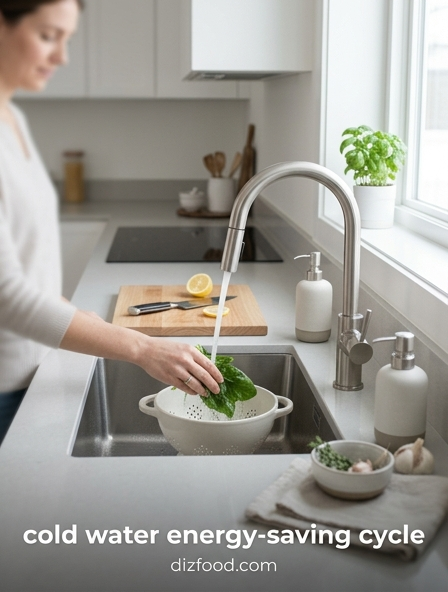
Cold Water Dishwashing Impact
While most dishwashers have internal heaters, utilizing cold water or "cool" settings can drastically change the energy dynamics of your kitchen. Heating water is the most energy-intensive part of the dishwashing process, often consuming over 80% of the total electricity used per cycle. By opting for cycles that operate at lower temperatures, you directly minimize energy waste. This approach is particularly effective when using detergents specifically formulated with enzymes like proteases and amylases, which are designed to "eat" food proteins and starches at cooler temperatures.
The impact of cold water washing extends to the preservation of your kitchenware. High heat can cause plastics to leach chemicals and may lead to the fading of patterns on delicate china or tempered glass. Adopting a cold water strategy helps maintain the integrity of your items while contributing to a lower utility bill. It is important to note that while cold water is effective for most soils, occasional hot cycles are still recommended to prevent grease buildup within the machine's internal plumbing and drainage systems.
Eco Friendly Kitchen Cleaning Tools
Sustainable kitchen practices extend beyond the dishwasher to the manual tools we use daily. Traditional sponges are often made of synthetic plastics that shed microplastics into the water system and eventually end up in landfills. Replacing these with eco-friendly alternatives is a simple yet effective way to reduce kitchen waste. Materials like bamboo, coconut coir, and natural cellulose offer excellent scrubbing power without the environmental guilt. These tools are often biodegradable or compostable, closing the loop on the product's lifecycle.
When selecting new cleaning tools, consider the following sustainable options:
- Bamboo Dish Brushes: Naturally antibacterial and highly durable for heavy scrubbing.
- Walnut Scouring Pads: Made from crushed walnut shells, providing abrasive power without scratching surfaces.
- Compostable Sponges: Created from wood pulp that breaks down naturally after use.
- Unpaper Towels: Reusable cloth wipes that replace single-use paper products for drying and spills.
Investing in high-quality, long-lasting tools reduces the frequency of replacement, further lowering your overall household consumption and waste output.
Maximizing Load Capacity for Savings
The efficiency of a dishwasher is only as good as the person loading it. Running a machine that is only half-full is a primary source of energy and water waste in the kitchen. To maximize savings, it is essential to wait until you have a full load before starting a cycle. Proper loading techniques also ensure that water reaches every surface, preventing the need for re-washing. Stacking items too closely can "shield" dishes from the spray arms, leading to stuck-on food and wasted resources. By organizing your dishes strategically, you optimize the machine's performance.
Consider these tips for a more efficient load:
- Place larger items like pots and pans on the bottom rack, facing the center.
- Angle bowls and cups downward to prevent water from pooling in the bases.
- Ensure spray arms can rotate freely without hitting long utensils or handles.
- Mix silverware types in the basket to prevent nesting, which allows water to flow between every piece.
A well-managed load ensures that every drop of water and every watt of electricity is put to productive use.
Reducing Kitchen Water Waste
Water conservation in the kitchen requires a holistic approach that goes beyond the dishwasher. Small changes in habits can lead to hundreds of gallons saved annually. For instance, installing a low-flow aerator on your kitchen faucet can reduce water flow by 50% without sacrificing pressure. Additionally, rethinking how we prep food can save significant amounts of water; instead of rinsing vegetables under a running tap, use a bowl of water to clean them and then reuse that water for houseplants. This circular mindset is key to a sustainable home.
Another area of potential waste is the "waiting period" for hot water. Many homeowners let the tap run while waiting for the temperature to rise. Collecting this clean, cold water in a pitcher for drinking or cooking is an easy way to prevent it from going down the drain. By identifying these "invisible" leaks in our daily routines, we can create a much more efficient kitchen environment that values water as a finite and precious resource.
Natural Dish Soap Alternatives
Many commercial dish soaps contain synthetic fragrances, dyes, and preservatives that can be irritating to the skin and harmful to the environment. Natural alternatives offer a non-toxic way to achieve a clean kitchen using simple, biodegradable ingredients. Many of these solutions can be made at home using common pantry items. For example, distilled white vinegar acts as a natural rinse aid, cutting through grease and removing hard water spots from glassware. Baking soda serves as a gentle abrasive for tough, burnt-on food on pots and pans.
Liquid Castile soap is another versatile base for natural dish detergent; when mixed with water and a few drops of essential oils like lemon or tea tree, it creates an effective and pleasant-smelling soap. These natural options are free from sulfates and parabens, making them safer for households with sensitive skin or allergies. By transitioning to natural alternatives, you reduce the chemical load in your home and minimize the release of synthetic pollutants into the local wastewater treatment system.
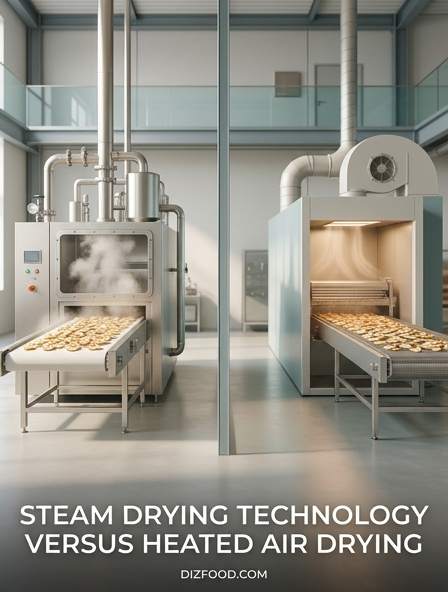
Eliminating Heat Dry Cycles
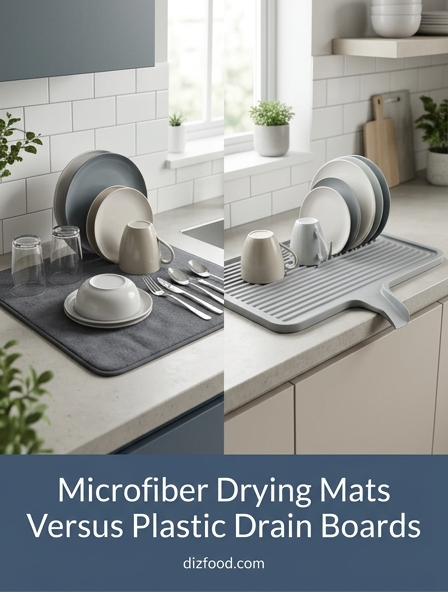
The drying phase of a dishwasher cycle is frequently the most energy-demanding part of the process. Most machines use a high-wattage heating element to evaporate moisture from the dishes, which can significantly increase electricity costs. Eliminating the heat dry cycle in favor of air drying is one of the easiest ways to save energy. Most modern dishwashers include an "Air Dry" or "Energy Saver Dry" button that simply uses a fan or leaves the door slightly ajar at the end of the cycle to let moisture escape naturally.
For those without an automatic air-dry setting, simply cracking the door open manually once the wash is finished will achieve the same result. Using a rinse aid-especially a natural one like vinegar-can help water slide off surfaces more easily, speeding up the air-drying process. This simple adjustment not only saves money but also protects heat-sensitive items from potential warping or damage. Over the course of a year, bypassing the heat dry function can lead to noticeable reductions in household energy consumption.
Sustainable Appliance Maintenance Tips
To ensure your kitchen appliances remain energy-efficient, regular maintenance is essential. A dishwasher that is clogged with food debris or mineral scale must work harder to achieve the same cleaning results, leading to increased energy use and potential mechanical failure. Cleaning the filter once a month is a primary maintenance task; a clean filter ensures optimal water circulation and prevents foul odors. Furthermore, inspecting the door seals for cracks or leaks can prevent heat loss and water damage, keeping the machine running at peak performance.
Consider this maintenance checklist for a sustainable kitchen:
- Clean the Spray Arms: Remove any mineral deposits or seeds from the nozzles to ensure full water pressure.
- Descale Regularly: Use a cup of vinegar in an empty hot cycle to dissolve lime and calcium buildup.
- Check Hose Connections: Ensure there are no kinks or small leaks that could waste water or cause the pump to overwork.
- Vacuum Coils: For refrigerators and other appliances, keep coils dust-free to maintain cooling efficiency.
By taking care of your appliances, you extend their lifespan and delay the environmental impact of manufacturing and disposing of new units.




Comments