
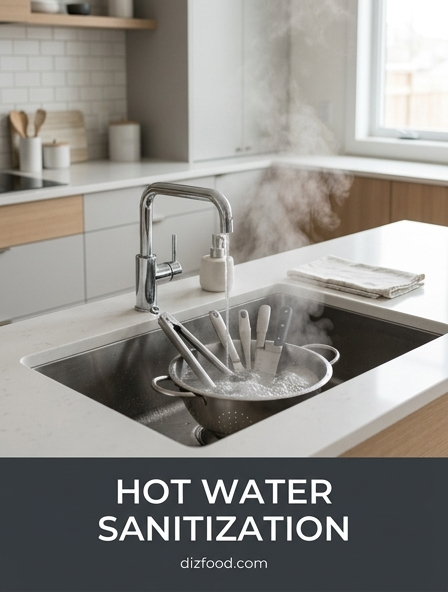
Thermal Sanitization and Pathogen Eradication
Thermal sanitization is a cornerstone of food safety, leveraging high temperatures to induce the irreversible denaturation of proteins within microbial cells. When microorganisms such as Salmonella, Listeria, and E. coli are exposed to specific heat thresholds, their cellular membranes lose structural integrity, and essential metabolic enzymes cease to function. This biological collapse effectively neutralizes the threat of foodborne illnesses. Unlike chemical sanitizers, which may require specific concentrations and contact times to be effective, thermal energy provides a consistent and verifiable method of pathogen reduction that leaves no chemical residue on food-contact surfaces.
The efficacy of thermal sanitization relies heavily on the time-temperature relationship. As the temperature of the water increases, the duration of exposure required to achieve a 5-log reduction in pathogens decreases significantly. In commercial kitchen environments, maintaining water at a minimum of 171°F (77°C) for manual immersion or higher for mechanical systems ensures that the heat energy penetrates the cellular walls of resistant bacteria. This process is particularly vital for porous materials and complex equipment where chemical agents might fail to reach every crevice, ensuring a comprehensive hygienic state across all kitchen implements.
Breaking Down Persistent Grease Layers
In the culinary environment, grease and animal fats represent significant challenges to surface hygiene. These substances are naturally hydrophobic and tend to solidify at room temperature, creating a stubborn film that traps food particles and bacteria. Hot water sanitization is essential for breaking the intermolecular bonds that hold these lipid layers together. By introducing thermal energy, the viscosity of the grease is drastically reduced, transitioning it from a solid or semi-solid state into a fluid one. This phase change allows the grease to be easily lifted from surfaces and emulsified, preventing the redeposition of contaminants onto clean dishes.
- Reduction of fat viscosity for easier mechanical removal.
- Liquefaction of saturated fats that remain solid at ambient temperatures.
- Enhancement of surface tension reduction for better water coverage.
- Prevention of grease buildup in drainage systems and grease traps.
- Improved clarity on glassware and stainless steel by removing oily films.
Once the grease is liquefied, it can be flushed away more efficiently, exposing the underlying surface to the direct action of sanitizing heat. Without sufficient water temperature, grease acts as a protective shield for pathogens, allowing them to survive even if the surface appears superficially clean. Therefore, high-temperature washing is a prerequisite for achieving true sterility in any high-volume kitchen.
The Science of Lipid Solubilization
Lipid solubilization in a kitchen context is the process by which fats and oils are broken down and suspended in water. This is a temperature-dependent reaction; as the water temperature approaches and exceeds the melting point of various triglycerides, the kinetic energy of the water molecules increases. This increased energy disrupts the London dispersion forces that stabilize lipid aggregates. In the presence of hot water, fats become more amenable to the action of surfactants, which can then surround and isolate individual fat globules, forming micelles that are easily rinsed away.
The science behind this involves the thermal expansion of the lipids themselves. As they absorb heat, the molecules move more vigorously, weakening the dense packing of fatty acid chains. This is particularly important for animal fats, which have high melting points compared to vegetable oils. High-temperature water ensures that even the most resilient animal tallows are effectively mobilized. By maintaining a high thermal gradient, the kitchen staff can ensure that lipids do not re-solidify during the cleaning cycle, which would otherwise lead to "grease streaks" and incomplete sanitization of the equipment and utensils used in food preparation.
Optimal Temperatures for Bacterial Neutralization
Achieving a sanitary environment requires precise control over water temperature to ensure that the kinetic energy is sufficient to disrupt microbial life. Regulatory bodies often dictate specific temperature minimums to ensure safety standards are met across the industry. The following table outlines the critical temperature thresholds required for effective thermal sanitization in various kitchen applications:
| Application | Minimum Temperature | Required Contact Time |
|---|---|---|
| Manual Sanitization (Immersion) | 171°F (77°C) | 30 Seconds |
| Single-Tank, Stationary Rack | 165°F (74°C) | Full Cycle |
| Mechanical High-Temp Rinse | 180°F (82°C) | 10-15 Seconds |
| Pot and Pan Washing | 110°F - 120°F (Wash) | Continuous Scrubbing |
Maintaining these temperatures is critical because bacterial thermal death points are non-negotiable. If the water temperature drops even slightly below these thresholds, the rate of microbial survival increases exponentially. Regular calibration of thermometers and dish machine sensors is necessary to guarantee that the kitchen operates within these safety margins consistently.
Enhancing Detergent Performance with Heat
Heat acts as a powerful catalyst for the chemical reactions involved in the cleaning process. Most commercial detergents are formulated to operate optimally within specific temperature ranges, where the heat accelerates the speed of chemical interaction between the detergent and the soil. High temperatures increase the solubility of the detergent's active ingredients, ensuring they are fully dissolved and available to interact with contaminants. This synergy allows for the more effective removal of organic matter, which is the primary food source for bacteria.
- Acceleration of chemical reaction rates (Arrhenius equation application).
- Improved solubility of powdered and concentrated liquid detergents.
- Enhanced surfactant activity for better wetting of surfaces.
- Promotion of enzyme activity in specialized enzymatic cleaners.
- Reduction in the volume of chemical agents required to achieve cleanliness.
When water is hot, the molecular motion is heightened, allowing detergent molecules to penetrate deep into cracks and crevices of kitchen tools. This results in a more thorough removal of debris than could be achieved with cold or lukewarm water alone. Furthermore, the use of heat reduces the mechanical energy required-such as scrubbing-thereby preserving the lifespan of kitchenware while maintaining high hygiene standards.
Preventing Cross Contamination in Kitchens
Cross-contamination is one of the leading causes of foodborne illness outbreaks in the food service industry. It occurs when pathogens are transferred from raw ingredients, contaminated surfaces, or dirty utensils to ready-to-eat foods. Hot water sanitization serves as a critical barrier in this chain of transmission. By ensuring that every tool, cutting board, and container is subjected to high-temperature washing, the kitchen staff can be confident that biological hazards from one task are not carried over to the next. This is especially vital when switching between handling raw proteins and fresh produce.
The use of hot water also extends to the cleaning of the environment itself, including prep tables and high-touch points. While chemical wipes are common, the deep-cleaning capability of hot water combined with proper agitation ensures that biofilms are not allowed to establish themselves. In a busy kitchen, the speed and reliability of thermal sanitization provide a standardized safety protocol that minimizes human error. When equipment is properly heat-sanitized, the risk of "seeding" a clean batch of food with bacteria from a previous shift is effectively eliminated, maintaining the integrity of the food supply chain.
Biofilm Removal and Deep Surface Cleaning
Biofilms are complex colonies of microorganisms that adhere to surfaces and secrete a protective extracellular polymeric substance (EPS). This matrix acts as a shield, making the bacteria within highly resistant to many chemical sanitizers. Hot water is particularly effective at disrupting these biofilms because the thermal energy softens the EPS matrix, making it more susceptible to mechanical removal and chemical penetration. Regular high-temperature washing prevents the maturation of these films, ensuring that surfaces remain truly clean rather than just visually clear.
Deep surface cleaning with hot water involves the penetration of heat into the microscopic pores of stainless steel and plastic. As the temperature rises, the materials may undergo slight thermal expansion, which can help dislodge deeply embedded organic particles that provide a foothold for biofilm development. By consistently applying thermal energy during the cleaning cycle, kitchens can prevent the long-term buildup of these resilient microbial communities. This proactive approach is essential for maintaining equipment in a state of high sanitary readiness and preventing the sudden spikes in bacterial counts that characterize established biofilm shedding.
Sanitary Standards for Dishwashing Equipment
Commercial dishwashing equipment must adhere to rigorous sanitary standards to ensure public health safety. These machines are designed to automate the thermal sanitization process, providing consistent results that manual washing often cannot replicate. To meet NSF (National Sanitation Foundation) and local health department requirements, the equipment must follow a specific sequence of operations designed to maximize hygiene. The integration of high-limit thermostats and pressure regulators ensures that the water delivered to the wash chamber meets the necessary criteria for sanitization.
- Pre-scraping and rinsing to remove bulk food debris.
- Washing with a detergent solution at a minimum of 150°F to 160°F.
- Rinsing with fresh water to remove remaining detergent and loosened soil.
- Sanitizing with a final rinse at 180°F for at least 10 seconds.
- Air drying to prevent re-contamination from towels or standing water.
Standardized equipment allows for the verification of sanitization cycles through the use of temperature-sensitive labels or digital logging. This documentation is vital for health inspections and internal quality control, proving that the thermal energy delivered was sufficient to neutralize any potential pathogens present on the kitchenware.
The Role of Heat in Vaporization and Drying
One of the most overlooked benefits of hot water sanitization is its role in the subsequent drying process. High-temperature water increases the internal energy of the items being washed. When dishes are removed from a high-temperature rinse, the residual heat causes the thin film of remaining water to evaporate rapidly. This phenomenon, often called "flash drying," is critical for kitchen hygiene because a dry surface is inhospitable to microbial growth. Standing water or moisture trapped between stacked plates can provide the perfect environment for bacterial re-colonization.
- Acceleration of the evaporation rate on non-porous surfaces.
- Elimination of the need for manual towel drying, reducing cross-contamination risks.
- Prevention of water spots and mineral deposits on glassware.
- Reduction in the time required for equipment to return to service.
- Minimization of humidity levels in storage areas by ensuring items are dry before shelving.
By leveraging the latent heat of vaporization, the kitchen can maintain a faster workflow while enhancing safety. Modern high-temp dishwashers often include a final rinse stage specifically designed to optimize this thermal carryover, ensuring that every plate and utensil emerges not only sterile but also bone-dry and ready for immediate use in food service.
Maximizing Hygiene Through Thermal Energy
Maximizing hygiene in a commercial kitchen requires a holistic approach where thermal energy is treated as a primary tool. Beyond simple dishwashing, hot water is used for floor maintenance, wall cleaning, and the sanitization of large-scale processing equipment. The consistent application of heat ensures that even the most difficult-to-reach areas are treated against microbial threats. This method is inherently sustainable as it reduces the reliance on harsh volatile organic compounds (VOCs) and complex chemical cocktails that can be harmful to both the environment and the staff handling them.
The integration of efficient water heating systems and well-insulated delivery pipes ensures that the required temperatures are reached quickly and maintained throughout the operational day. By prioritizing thermal sanitization, kitchen managers can achieve a higher standard of cleanliness that is verifiable and repeatable. In the long run, the investment in thermal energy pays off by reducing the risk of foodborne illness outbreaks, ensuring regulatory compliance, and fostering a culture of safety that protects both the reputation of the establishment and the health of its patrons.





Comments