
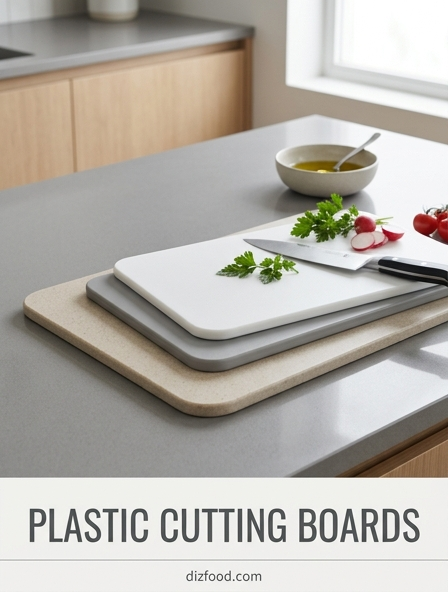
Non-Porous Surface Benefits for Food Safety
Plastic cutting boards are highly valued in both residential and commercial kitchens primarily due to their non-porous nature. Unlike organic materials such as wood or bamboo, high-density polyethylene (HDPE) does not contain microscopic pores that can trap moisture, blood, or juices from raw proteins. This physical barrier is essential for maintaining a hygienic environment, as it prevents the absorption of harmful pathogens like Salmonella or E. coli. When liquids remain on the surface rather than soaking into the core, they are significantly easier to wipe away and neutralize with standard cleaning agents.
The non-absorbent quality also ensures that the board does not retain strong odors or flavors from pungent ingredients like garlic and onions. This allows a single board to be used for various tasks throughout a cooking session without the risk of flavor transfer. To maximize food safety, users should look for boards with the following features:
- NSF International certification for food equipment.
- FDA-approved high-density polyethylene construction.
- BPA-free manufacturing standards.
- Antimicrobial coatings for added protection.
This combination of material density and liquid resistance makes plastic the gold standard for high-risk food preparation tasks.
Dishwasher Safe Convenience and Sanitization
One of the most significant advantages of plastic cutting boards is their compatibility with high-temperature commercial and residential dishwashers. Effective sanitization requires the application of heat and chemical detergents that would typically warp, crack, or delaminate a wooden board. Plastic variants are engineered to withstand these rigorous cycles, ensuring that every crevice is reached by scalding water and sanitizing agents. This "set it and forget it" convenience saves valuable time during clean-up and provides a level of cleanliness that manual scrubbing often cannot achieve.
For optimal results and to prevent the board from warping under extreme heat, users should follow these standard cleaning steps:
- Rinse off large food particles immediately after use.
- Secure the board in the bottom rack or designated slot.
- Select a high-temperature wash cycle for maximum pathogen reduction.
- Ensure the board is completely dry before storing it in a closed space.
By utilizing the dishwasher, home cooks can rest assured that their prep surfaces are free from lingering bacteria, making plastic the most practical choice for busy households where food safety is a top priority.
Preventing Cross-Contamination with Color-Coded Sets
Preventing cross-contamination is a critical aspect of professional kitchen management, and plastic cutting boards are the primary tool used to implement color-coded safety systems. By assigning specific colors to different food groups, chefs can virtually eliminate the risk of transferring bacteria from raw poultry to ready-to-eat vegetables. This visual management system is easy to learn and provides an immediate indicator of whether a station is being managed safely.
| Board Color | Designated Food Group |
|---|---|
| Red | Raw Red Meats |
| Yellow | Raw Poultry |
| Blue | Raw Fish and Seafood |
| Green | Fruits and Vegetables |
| Brown | Cooked Meats |
| White | Dairy and Bakery Products |
Using this organized approach ensures that pathogens are isolated. For home cooks, even a simplified version of this system-having one dedicated board for meat and another for produce-can drastically reduce the incidence of foodborne illnesses. Plastic boards are uniquely suited for this because they can be manufactured in a wide spectrum of vibrant, distinct colors.
Gentle Material for Maintaining Sharp Knife Edges
Maintaining the sharpness of a high-quality chef's knife is an investment in both safety and efficiency. The material of the cutting surface plays a pivotal role in edge retention. Plastic cutting boards, particularly those made from softer polypropylene or polyethylene, offer a degree of "give" that harder surfaces like glass, granite, or ceramic lack. When the blade strikes the plastic, the material deforms slightly, absorbing the impact rather than resisting it. This prevents the delicate edge of the knife from rolling or chipping, allowing it to stay sharper for longer periods.
While plastic is soft enough to protect the blade, it remains firm enough to provide a stable cutting platform. This balance is crucial for precision tasks like julienning vegetables or deboning a chicken. Benefits include:
- Reduced frequency of professional sharpening.
- Lower risk of blade slippage on hard surfaces.
- Enhanced tactile feedback during the cutting motion.
- Versatility with both stainless steel and carbon steel knives.
Choosing a plastic board ensures that your cutlery remains in peak condition, performing with the precision required for complex culinary techniques.
Affordable Durability for Professional and Home Kitchens
In the world of kitchen equipment, plastic cutting boards represent one of the most cost-effective investments a cook can make. Their low price point allows for the purchase of multiple boards, which is essential for high-volume meal preparation and strict hygiene protocols. Despite their affordability, high-quality plastic boards are remarkably durable. They are designed to withstand heavy chopping, mallet pounding, and constant exposure to moisture without the risk of splitting or shattering common in organic materials.
In a professional setting, the ability to replace boards frequently without breaking the budget is a major logistical advantage. In home kitchens, they offer a sturdy alternative to expensive end-grain wood blocks. The durability of plastic ensures that the board remains flat and stable over years of use, resisting the warping that often plagues cheaper bamboo alternatives. Because they are mass-produced through injection molding, consistency in quality is high, providing users with a reliable tool that performs predictably every time it hits the counter. This combination of value and resilience makes them the preferred choice for everyone from culinary students to executive chefs.
Lightweight Design for Easy Handling and Storage
The physical weight of kitchen tools significantly impacts the ease of a cooking workflow. Plastic cutting boards are notably lighter than their wooden or stone counterparts, making them exceptionally easy to handle. This portability is particularly beneficial when transferring chopped ingredients from the counter to a pot or pan. A cook can easily lift the board with one hand and scrape the contents into the cooking vessel without straining their wrist.
Furthermore, the lightweight nature of plastic simplifies storage solutions. Most plastic boards are thin enough to be tucked into narrow slots or hung on hooks if they feature integrated handles. Common storage and handling benefits include:
- Easy retrieval from high or low cabinets.
- The ability to use vertical storage racks to save counter space.
- Reduced fatigue during long prep sessions.
- Suitability for outdoor cooking, camping, or small apartments.
This maneuverability makes plastic boards a practical choice for individuals with limited mobility or those who value a fast-paced, fluid kitchen environment where tools must be moved and cleaned rapidly.
Resistance to Deep Grooves and Bacteria Buildup
A critical factor in cutting board longevity and safety is the surface's resistance to deep scarring. While all boards eventually develop "battle scars" from sharp knives, high-density plastic is engineered to resist the deep, jagged grooves that characterize softer materials. These deep cuts are problematic because they provide a haven for bacteria to colonize, shielded from sponges and surface-level sanitizers. Plastic's dense molecular structure helps the surface remain relatively smooth, ensuring that cleaning agents can penetrate any minor abrasions during the washing process.
By resisting deep grooves, plastic boards also maintain a level surface for longer, preventing the knife from getting "trapped" in a track, which can lead to uneven cuts or accidental slips. The material's resilience ensures that even under heavy use, the board does not shed significant amounts of micro-material into the food. Maintaining a smooth surface is the first line of defense against microbial growth, and plastic's inherent toughness makes it an ideal medium for those who prioritize a sterile prep area without the need for constant resurfacing or sanding.
Versatile Utility for All Types of Meal Prep
Plastic cutting boards are the workhorses of the kitchen, capable of handling an exhaustive range of culinary tasks. From the delicate mincing of herbs to the heavy-duty carving of a roasted turkey, these boards provide the necessary stability and surface area. Their versatility is enhanced by specialized features often molded directly into the plastic, such as juice grooves that catch liquid runoff from resting meats or non-slip rubber feet that anchor the board to the countertop.
The utility of plastic boards extends across various food types and preparation methods:
- Dicing acidic fruits like citrus without staining or erosion.
- Kneading small batches of dough or pastry.
- Serving as a stable base for heavy kitchen appliances.
- Standardized sizing for easy portion control in commercial settings.
Because they do not react with acidic or alkaline foods, plastic surfaces are safe for all ingredients. This "all-purpose" nature makes them indispensable in a modern kitchen, where a single meal might require the preparation of raw proteins, fresh produce, and baked goods in quick succession.
Low Maintenance Compared to Wood Alternatives
Compared to wood alternatives, plastic cutting boards require virtually zero specialized maintenance. Wood boards must be regularly seasoned with food-grade mineral oil or beeswax to prevent them from drying out and cracking. They also require careful hand-washing and must never be soaked in water, as excessive moisture leads to swelling and structural failure. In contrast, plastic boards thrive in wet environments and do not require any oiling or conditioning to maintain their integrity.
The simplified maintenance routine for plastic boards involves just a few steps:
- Scrubbing with soap and water or placing in a dishwasher.
- Occasional bleaching to remove tough stains from beets or carrots.
- Air drying in a dish rack to prevent moisture buildup.
This lack of upkeep is a significant benefit for the average home cook who wants to focus on food preparation rather than equipment maintenance. There is no risk of the board splitting open and harboring bacteria, nor is there a need to sand down the surface to keep it smooth.
Guidelines for Replacing Worn Plastic Surfaces
While plastic cutting boards are durable, they are not permanent fixtures. Knowing when to replace a board is a vital component of kitchen safety. Over time, the surface will inevitably accumulate scratches. When these scratches become deep enough that a fingernail can catch in them, or when the board appears "fuzzy" from repeated knife strikes, it is time for a replacement. These deep abrasions are difficult to sanitize and can trap food particles that lead to bacterial growth.
Consider the following signs that a plastic board has reached the end of its lifespan:
- Significant warping that prevents the board from sitting flat on the counter.
- Persistent stains or odors that remain after a high-heat dishwasher cycle.
- Visible cracks or chips in the plastic material.
- A surface that feels rough or "pitted" to the touch.
Regularly auditing the condition of your cutting surfaces ensures that your kitchen remains a safe environment. Because plastic boards are inexpensive, replacing them every 12 to 24 months-or sooner in high-volume environments-is a small price to pay for continued food safety and prep efficiency.

Comments