
The Science Behind Garlic Cell Structure
Garlic cloves are composed of highly organized plant cells, each protected by a rigid cell wall primarily made of cellulose, hemicellulose, and pectin. These structural barriers serve as the first line of defense for the plant and as a storage vessel for inactive chemical components. Within these cells, specific organelles keep potentially reactive substances separated through complex compartmentalization. The integrity of these walls is what maintains the garlic's mild, almost sweet aroma when the clove is whole and undisturbed. Once the physical structure of the cell wall is compromised through kitchen preparation, the botanical defense mechanism is triggered.
This cellular architecture is surprisingly resilient, requiring significant mechanical force to fully breach. In the context of culinary science, understanding this structure is essential because the flavor we associate with garlic does not exist until these cell walls are destroyed. The rigidity of the walls determines how much resistance the clove offers to a knife or press. When these walls remain intact, the sulfur-containing molecules remain locked away in their respective compartments, preventing the characteristic pungency from developing prematurely.
Alliin and Alliinase Interaction Explained
The magic of garlic flavor lies in a dual-component system involving the amino acid alliin and the enzyme alliinase. In an intact garlic clove, these two are kept strictly separate by internal cellular membranes; alliin resides in the cytoplasm, while alliinase is stored within the vacuoles. This compartmentalization is a biological fail-safe. When the cell walls are breached by a knife or a press, these two components finally meet, initiating a rapid biochemical conversion.
- Alliin: A stable, odorless sulfur-containing precursor found in the cell cytoplasm.
- Alliinase: A specialized enzyme that acts as a catalyst for the chemical reaction.
- Allicin: The volatile compound responsible for the signature bite and health benefits of garlic.
This reaction is nearly instantaneous but requires the physical destruction of the cellular barriers to proceed. Without the enzyme's catalytic intervention, the precursors would remain inert, providing none of the pungent characteristics sought in savory cooking. The efficiency of this meeting determines the overall chemical potency of the prepared garlic clove.
Mechanical Force and Allicin Synthesis
The specific type of mechanical force applied to a garlic clove dictates the scale of cellular destruction and, consequently, the volume of allicin produced. Slicing with a sharp knife creates clean cuts through the cell walls, leaving many cells intact. In contrast, crushing or pressing the clove exerts massive compressive force that causes a widespread rupture of cellular structures across the entire garlic mass. This catastrophic failure of the cell walls allows for a much more thorough mixing of alliin and alliinase.
- Slicing: Minimal wall rupture, resulting in localized enzymatic reactions.
- Dicing: Moderate wall damage, increasing the interaction frequency.
- Crushing: Maximum wall destruction, leading to a saturated chemical reaction.
- Grating: Complete cellular pulverization for peak pungency.
The kinetic energy transferred from the kitchen tool to the plant tissue directly translates into chemical potential. Heavy pressure effectively pulverizes the internal membranes, ensuring that almost every available molecule of alliin is converted. This explains why crushed garlic possesses a much more aggressive and lingering profile than cleanly sliced pieces.
Flavor Profiles of Sliced vs Crushed Garlic
The distinction between sliced and crushed garlic is not merely one of texture, but of fundamental chemical composition. Sliced garlic offers a subtle, nutty, and mellow flavor because the limited cell wall damage restricts the total output of sulfurous compounds. These thin disks provide a gentle aromatic background to oils and sauces without dominating the palate. Because fewer cells are ruptured, the "heat" or "bite" of the garlic is significantly reduced, making it suitable for delicate dishes.
| Method | Flavor Profile | Best Usage |
|---|---|---|
| Sliced | Mellow, Nutty, Subtle | Aglio e Olio, Garnishes |
| Crushed | Aggressive, Sharp, Spicy | Marinades, Rubs, Dressings |
Crushed garlic, conversely, is a sensory powerhouse. The total collapse of the cell walls creates a slurry of allicin that hits the tongue with immediate pungency. This method is preferred when the garlic needs to stand up to bold ingredients or when the intention is to infuse a liquid thoroughly with the garlic's raw essence.
How Dicing Density Affects Pungency
Pungency in garlic is a direct function of the dicing density, or the number of cuts made per unit of surface area. As the size of the garlic pieces decreases, the number of ruptured cell walls increases exponentially. A fine dice creates a much higher density of damaged cells than a rough chop. This increased density ensures that the alliin-alliinase reaction occurs more frequently throughout the garlic mass, leading to a sharper and more persistent flavor profile in the finished dish.
When garlic is finely minced, the distance between the ruptures is minimized, allowing the released enzymes to move more freely and react with all available substrates. This creates a concentrated cloud of aromatic compounds. Professional chefs manipulate this density to control the intensity of a dish. For a slow-simmered stew, a rough chop is often preferred as it releases flavor gradually. For a raw salsa or dressing where an immediate punch is required, a high-density mince or paste is necessary. The physical geometry of the cut is the primary lever for adjusting the chemical output of the clove.
Surface Area and Enzymatic Reaction Speed
The speed of the enzymatic reaction in garlic is governed by the total exposed surface area resulting from cellular disruption. When a clove is processed, the surface area to volume ratio increases, providing more exit points for volatile compounds to escape and more contact points for oxygen to interact with the broken cells. A high surface area facilitates a faster and more complete conversion of alliin into allicin. The mathematical relationship is clear: increasing the surface area through fine processing accelerates the initial rate of allicin production.
- High Surface Area: Grated garlic exposes nearly all internal components to the air.
- Moderate Surface Area: Minced garlic provides numerous pathways for enzyme migration.
- Low Surface Area: Whole cloves keep the majority of the chemical potential locked inside.
This is why garlic that has been put through a press tastes instantly more potent than garlic that has been smashed with the flat side of a knife. The increased surface area allows the chemical reaction to reach its peak velocity almost immediately upon preparation, filling the kitchen with its signature scent.
The Impact of Knife Technique on Aroma
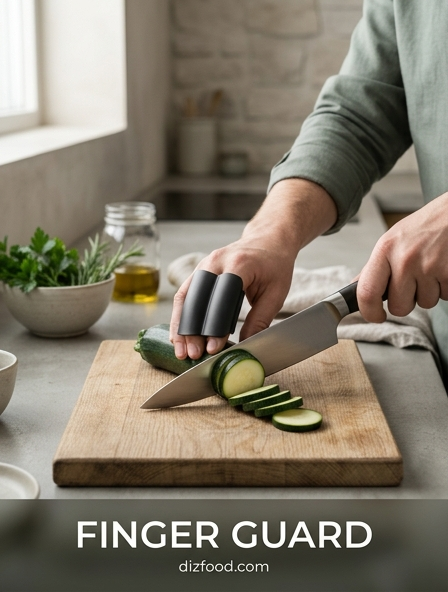
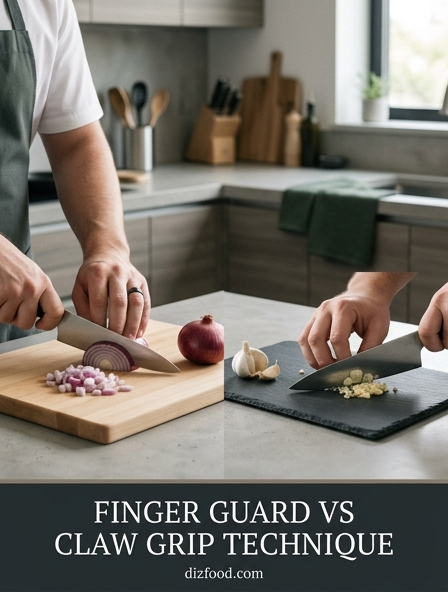
The quality of the tool used to breach garlic cell walls significantly impacts the final aroma and flavor profile. A dull knife does not cut so much as it bruises, crushing the cells unevenly and often leaving behind a bitter aftertaste. A sharp blade, however, shears through the cellulose walls cleanly, allowing for a more controlled release of sulfurous compounds. Clean cuts minimize the oxidation of off-flavors that can occur when the garlic tissue is mangled rather than sliced. Technique also plays a role in how the aromatics are dispersed throughout the prep area.
High-impact chopping can scatter the volatile allicin into the air, whereas a precise, slow slicing motion keeps the compounds localized on the cutting board. Cooks who use a rocking motion with a sharp chef's knife achieve a different aromatic balance than those who use a pounding motion. The goal is to manage the destruction of the cell walls so that the resulting sulfurous output matches the desired profile. Sharpness ensures that the cell walls are severed rather than compressed, preserving the integrity of the remaining tissue and preventing the garlic from becoming acrid.
Time Sensitive Flavor Development After Cutting
After the cell walls are breached and the allicin reaction begins, the flavor profile of the garlic enters a time-sensitive phase. The peak potency of allicin is typically reached about ten minutes after the initial mechanical disruption. During this window, the enzymatic reaction completes its most intense cycle. However, allicin is an unstable compound; it begins to break down into other sulfur molecules almost as soon as it is formed. This progression is critical for chefs to understand when timing their preparation.
- 0-2 Minutes: Reaction begins; pungency is sharp but still developing.
- 5-10 Minutes: Peak allicin concentration; maximum flavor and health benefits.
- 15+ Minutes: Allicin begins to degrade; flavor becomes more mellow or potentially bitter.
In the kitchen, resting minced garlic for ten minutes before adding it to heat can maximize its depth. Conversely, garlic that is pre-minced hours in advance often loses its bright, characteristic bite, transitioning into a flat, stale flavor as the volatile compounds dissipate or transform into less desirable secondary molecules. Timing is as critical as the cut itself.
Heat Sensitivity of Newly Formed Allicin
The chemical product of broken cell walls, allicin, is highly sensitive to thermal energy. While mechanical force creates the flavor, heat can quickly destroy it. When garlic is added to a hot pan, the alliinase enzyme is deactivated almost instantly at temperatures above 140°F (60°C). If the enzyme is deactivated before it has a chance to react with the alliin, the resulting flavor will be very mild and sweet, as the pungent allicin will never fully form. This sensitivity explains why adding raw garlic at the end of cooking results in a much sharper taste.
- High Heat: Rapidly destroys enzymes; creates a toasted, mellow flavor.
- Medium Heat: Allows for some sulfur development before total deactivation.
- Low Heat: Preserves the raw, aggressive bite of fully reacted allicin.
To preserve the maximum amount of flavor developed through cell wall destruction, the garlic must be handled carefully. Cooking garlic for even thirty seconds can drastically alter its chemical makeup, transitioning it from a spicy aromatic to a savory, caramelized base note.
Mastering Garlic Intensity Through Prep Methods
Mastering the use of garlic in the kitchen requires a strategic approach to cell wall disruption. By selecting the appropriate preparation method, a cook can fine-tune the intensity of the garlic to suit the specific needs of a recipe. The relationship between the physical state of the cell and the resulting chemical output is the key to consistent results. Understanding that the cell wall is the gatekeeper of flavor allows one to intentionally manipulate the sensory experience of any dish.
| Method | Cell Wall Status | Intensity |
|---|---|---|
| Roasted Whole | Intact | Sweet / Low |
| Slivered | Partially Ruptured | Moderate |
| Minced | Highly Ruptured | High |
| Pasted | Fully Pulverized | Maximum |
Whether aiming for the subtle background notes of a French confit or the sharp, invigorating punch of a Caesar dressing, the control lies in the degree of mechanical force and the timing of heat application. By respecting the cellular biology of the clove, a chef can achieve perfect balance every time.

Comments