
Maximizing Commercial Kitchen Efficiency
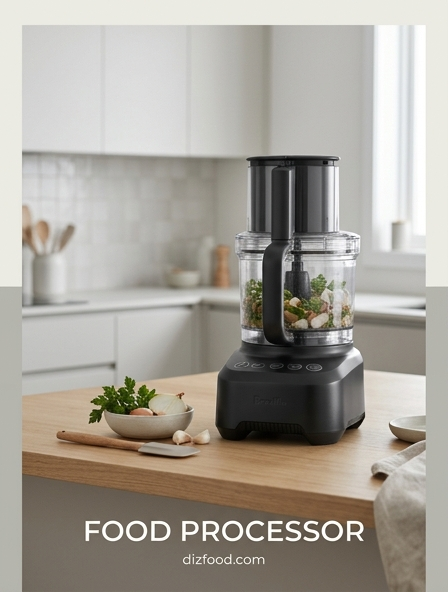
In the high-stakes environment of a commercial kitchen, efficiency is the cornerstone of profitability and customer satisfaction. The integration of a professional-grade food processor serves as a force multiplier for the culinary team, allowing for the rapid transformation of raw ingredients into finished components. By centralizing tasks such as chopping, grinding, and pureeing, these machines eliminate the bottlenecks often associated with manual knife work. This streamlined approach ensures that high-volume orders are fulfilled without compromising the quality of the output.
To achieve peak efficiency, kitchen managers must strategically integrate these units into the production line. This involves analyzing throughput requirements and ensuring the equipment is positioned for immediate access. When used to its full potential, a food processor reduces the time required for repetitive tasks by up to 80%, allowing chefs to focus on the more creative and nuanced aspects of dish composition. The following benefits highlight the impact on operations:
- Drastic reduction in ingredient preparation time.
- Enhanced ability to manage peak service rushes.
- Standardization of preparation techniques across different shifts.
- Minimized physical strain on kitchen staff during long prep sessions.
Essential Motorized Food Processor Features
Selecting the right food processor requires an understanding of the internal mechanics that drive performance. The motor is the heart of the machine, and for heavy-duty kitchen use, an induction motor is often the preferred choice. These motors provide high torque and operate at constant speeds, which is essential for processing dense materials like cheese or dough without overheating. Variable speed settings allow for greater control, enabling the operator to switch between delicate slicing and aggressive pureeing as needed.
| Feature | Primary Function | Kitchen Benefit |
|---|---|---|
| Induction Motor | High-torque power delivery | Longevity and heavy-load handling |
| Pulse Function | Short bursts of power | Precision control to prevent over-processing |
| Continuous Feed | Side-ejection of processed food | High-volume throughput without stopping |
| Safety Interlocks | Mechanical/Electrical shut-off | Prevention of operator injury during use |
Furthermore, a robust cooling system ensures that the motor remains operational during extended prep cycles, preventing costly downtime. High-quality seals and moisture-resistant buttons are also vital for protecting the internal circuitry from the humid and often messy environment of a professional prep station.
Consistency in Large Scale Batch Prep
Consistency is the hallmark of a professional kitchen, ensuring that every customer receives the same experience regardless of who is behind the line. When preparing large batches of ingredients, manual cutting inevitably leads to variations in size and shape, which can negatively impact both presentation and cooking times. A food processor solves this problem by providing uniform results every time. Whether dicing onions for a base mirepoix or slicing potatoes for a gratin, the precision of the blades ensures that every piece is identical.
This uniformity is particularly critical for items that require specific textures, such as emulsified vinaigrettes or smooth mousses. By utilizing standardized blade attachments, a kitchen can guarantee that the mouthfeel of a dish remains constant across hundreds of servings. This level of control is essential for maintaining brand standards in multi-unit operations. Additionally, consistent sizing leads to more predictable yields, which assists in accurate food costing and waste reduction. When ingredients are processed uniformly, they also cook at an even rate, reducing the risk of undercooked or overcooked components within a single batch, thereby elevating the overall quality of the final product.
Reducing Manual Labor with Automation
The culinary industry faces ongoing challenges regarding labor costs and staff retention. Automating the most labor-intensive aspects of food preparation is a strategic response to these pressures. Tasks that once required hours of skilled labor, such as julienning vegetables or grating bulk quantities of hard cheese, can now be completed in minutes. This shift allows the kitchen to reallocate human resources to tasks that require more specialized culinary expertise, such as sauce development or intricate plating.
Reducing the reliance on manual knife skills also helps in mitigating the risk of repetitive strain injuries, which are common among prep cooks. By delegating the heavy lifting to a machine, the staff remains fresh and focused throughout their shift. This automation does not replace the chef; rather, it acts as a digital sous-chef that handles the mundane, repetitive work. Over time, the investment in high-quality processing equipment pays for itself through reduced labor hours and increased throughput. Modern processors are designed with intuitive interfaces, meaning that even entry-level employees can produce professional-quality results with minimal training, further easing the burden on management during periods of high staff turnover.
Optimizing Prep Station Workflow
The physical layout of a prep station significantly influences the speed and ease of food processing. To optimize workflow, the food processor should be located in a dedicated "prep zone" that is separate from the main cooking line but easily accessible to storage areas. This placement minimizes unnecessary movement and keeps the workspace organized. An optimized station includes ample counter space for staging raw ingredients and a clear area for the containers that will catch the processed food.
- Organize ingredients by processing type to minimize blade changes.
- Ensure the processor is near a power outlet that meets the machine's voltage requirements.
- Position the unit near a sink for quick cleaning of bowls and attachments between tasks.
- Use mobile equipment stands to adjust the station height for ergonomic comfort.
- Label all attachments and store them in a dedicated rack to prevent loss or damage.
By treating the food processor as a central hub of the prep station, kitchens can create a linear flow from raw product to processed ingredient. This logical progression reduces cross-contamination risks and ensures that the preparation phase is completed well before service begins, leading to a smoother transition into active cooking.
Versatile Attachments for Diverse Menus
A high-end food processor is far more than a simple chopper; it is a multi-functional tool capable of handling a wide variety of culinary tasks through specialized attachments. For a kitchen with a diverse menu, these accessories are indispensable. Slicing discs with adjustable thicknesses allow for everything from paper-thin radish garnishes to thick-cut cucumber rounds. Shredding and grating discs handle cheese, carrots, and cabbage with ease, while dicing kits can produce perfect cubes of fruit or vegetables for salsas and stews.
Beyond standard cutting, many processors offer specialized tools for pastry and saucier work. Dough blades can knead bread or pizza dough in a fraction of the time required by hand. Emulsifying discs are perfect for creating stable mayonnaises, aiolis, and whipped creams. For kitchens that process their own meats, specialized serrated "S-blades" can grind protein to the desired texture for burgers or tartare. This versatility allows a single piece of equipment to replace several smaller appliances, saving valuable counter space and reducing the overall complexity of the kitchen's tool kit. Investing in a comprehensive set of attachments ensures the kitchen is prepared for any menu change or seasonal special.
Speeding Up Daily Mise en Place
Mise en place is the foundation of every successful service, and the speed at which it is completed determines the kitchen's readiness. The food processor is the ultimate tool for accelerating this daily ritual. Aromatics like garlic, shallots, and ginger can be processed in bulk at the start of the day, providing the base for countless recipes. Large volumes of leafy greens can be quickly chopped for salads, and nuts can be toasted and ground for garnishes or crusts. The time saved during the morning prep hours is invaluable, providing the culinary team with a buffer to handle unexpected deliveries or complex prep tasks.
By utilizing the continuous feed attachment, staff can process entire cases of produce without needing to stop and empty a work bowl. This "set it and forget it" capability allows for massive throughput in a short window of time. For example, a restaurant can prepare 50 pounds of coleslaw mix in under ten minutes, a task that would take an hour by hand. This rapid turnaround ensures that ingredients are as fresh as possible when service starts, as prep can be done closer to the opening time rather than hours in advance. Ultimately, a faster mise en place leads to a more relaxed and organized kitchen culture.
Safety Protocols for High Speed Processing
The power and speed of commercial food processors necessitate strict safety protocols to protect staff from injury. Modern machines are equipped with various safety features, such as electromagnetic brakes that stop the blades instantly when the lid is opened. However, technology is no substitute for proper training. All staff members must be trained on the correct assembly of the unit and the proper use of the food pusher. Under no circumstances should fingers or hand tools be used to guide ingredients into the feed tube while the machine is running.
- Always disconnect the power supply before changing blades or cleaning the unit.
- Inspect power cords daily for any signs of fraying or damage from kitchen heat.
- Use cut-resistant gloves when handling and cleaning the sharp blade attachments.
- Never override safety interlocks or attempt to use the machine with damaged parts.
- Ensure the work surface is stable and dry to prevent the machine from shifting during use.
Establishing a clear "safety first" culture ensures that the food processor remains a productive tool rather than a liability. Regular safety audits and refresher training sessions should be part of the kitchen's standard operating procedures to maintain high safety standards and comply with workplace regulations.
Maintenance Tips for Heavy Duty Equipment
To ensure a food processor remains a reliable asset for years, a rigorous maintenance schedule is required. The most critical aspect of maintenance is cleanliness. Food particles left in the blade housing or around the motor shaft can lead to bacterial growth and mechanical failure. All removable parts should be washed, sanitized, and dried thoroughly after every use. It is also important to inspect the blades for sharpness; dull blades do not cut cleanly, which puts extra strain on the motor and produces inferior results. Many professional kitchens keep a secondary set of blades to rotate during sharpening cycles.
The motor base should be wiped down with a damp cloth, ensuring no liquids enter the ventilation ports. Periodically, the drive socket and seals should be checked for wear and replaced as necessary to prevent leaks into the motor housing. Lubricating moving parts, if recommended by the manufacturer, can also extend the life of the machine. By treating the food processor as a precision instrument and performing daily, weekly, and monthly maintenance checks, the kitchen can avoid the high costs and frustration associated with unexpected equipment failure during a busy service period.
Scaling Operations with Advanced Technology
As a food service business grows, its processing needs evolve. Scaling operations often requires transitioning from standard batch processors to advanced, high-capacity technology. Modern industrial food processors offer programmable settings that allow chefs to save specific speeds and durations for recurring recipes, ensuring absolute consistency even as the team expands. Some models now feature integrated sensors that detect the resistance of the food being processed, automatically adjusting the motor torque to maintain optimal blade speed. This "smart" processing prevents ingredient bruising and ensures a perfect cut every time.
Furthermore, the move toward continuous-feed models with higher horsepower allows for the processing of hundreds of pounds of product per hour. This is essential for central kitchens, catering operations, or high-volume fast-casual concepts. Integration with other kitchen technology, such as digital inventory systems, can also help track the usage of processed ingredients to further refine food cost management. Investing in advanced processing technology is a proactive step toward future-proofing a business, allowing it to handle increased volume and complexity without a linear increase in labor costs or a decrease in food quality standards.




Comments