

Understanding PFAS Forever Chemicals in Your Kitchen
Per- and polyfluoroalkyl substances, commonly known as PFAS, are a group of synthetic chemicals used extensively in kitchenware for their water- and grease-resistant properties. These substances earned the nickname "forever chemicals" because their carbon-fluorine bonds are among the strongest in organic chemistry, preventing them from breaking down in the environment or the human body. In the kitchen, PFAS are most frequently encountered in the linings of nonstick pans, microwave popcorn bags, and grease-resistant food packaging.
The ubiquity of these chemicals poses a significant challenge for health-conscious consumers. When PFAS-coated items are used daily, the chemicals can migrate into food or be released into the air during high-heat cooking. Because they bioaccumulate, even small, consistent exposures contribute to a growing internal burden. Understanding the scope of PFAS presence is the first step toward reclaiming a chemically safe cooking environment. While modern regulations have phased out some older variants, thousands of newer PFAS iterations remain in use, often with limited data regarding their long-term physiological impact on the human endocrine and immune systems.
The Hidden Health Risks of Traditional Nonstick Coatings
Traditional nonstick coatings, primarily those utilizing polytetrafluoroethylene (PTFE), present specific health risks when subjected to standard kitchen operations. The primary concern arises from thermal degradation; when a nonstick pan is heated above 500°F (260°C), the coating begins to break down, releasing toxic fumes into the air. This phenomenon can lead to "polymer fume fever," characterized by flu-like symptoms including chills, headaches, and body aches.
- Endocrine Disruption: Many PFAS act as hormone mimics, interfering with natural reproductive and metabolic processes.
- Immune Suppression: Studies have linked high PFAS levels to decreased vaccine effectiveness and increased susceptibility to infections.
- Organ Toxicity: Chronic exposure is associated with elevated cholesterol levels and alterations in liver enzyme function.
- Developmental Issues: PFAS exposure in utero or during childhood may lead to developmental delays and behavioral changes.
Beyond immediate inhalation risks, the long-term ingestion of microplastics and chemical flakes from scratched pans poses a silent threat. As the coating degrades over time, these persistent particles enter the digestive tract, where they can be absorbed into the bloodstream, leading to systemic accumulation over several decades.
Decoding Cookware Labels PFOA vs PTFE Free
Navigating the marketing jargon of modern cookware requires a technical understanding of chemical abbreviations. Many manufacturers highlight "PFOA-free" on their packaging to appeal to safety-conscious buyers. However, PFOA (perfluorooctanoic acid) is merely one chemical in the vast PFAS family that was phased out of manufacturing years ago. A product labeled PFOA-free may still utilize PTFE or other fluorinated "GenX" chemicals that exhibit similar persistent properties.
| Label Term | Meaning | Safety Consideration |
|---|---|---|
| PFOA-Free | Does not use perfluorooctanoic acid. | Often replaced by other PFAS variants. |
| PTFE-Free | Does not use polytetrafluoroethylene. | Usually indicates a ceramic or metal surface. |
| APEO-Free | Free of alkylphenol ethoxylates. | Focuses on environmental surfactants, not nonstick. |
To truly avoid "forever chemicals," consumers should look for cookware that is explicitly "PFAS-free" rather than just PFOA-free. This broader designation ensures that no fluorinated compounds were used in the coating process, providing a higher level of assurance for those looking to eliminate synthetic chemical leaching during meal preparation.
The Benefits of Cooking with Untreated Stainless Steel
Untreated stainless steel is widely considered the gold standard for professional and health-conscious kitchens. Unlike nonstick pans, stainless steel does not rely on a chemical film to provide a cooking surface. Instead, it utilizes a combination of iron, chromium, and nickel to create a durable, non-reactive, and corrosion-resistant material. Because there is no coating to flake off or vaporize, stainless steel can safely withstand extremely high temperatures, making it ideal for searing, browning, and deglazing.
The primary health benefit of stainless steel is its stability. It does not leach toxic chemicals into food, even when cooking acidic ingredients like tomatoes or citrus. While some concerns exist regarding trace amounts of nickel or chromium leaching, high-quality (304 or 316 grade) cookware minimizes this risk significantly. Furthermore, stainless steel is virtually indestructible; it cannot be scratched away by metal utensils and does not lose its "performance" over time. By mastering heat management and the use of natural fats, cooks can achieve a "physical" nonstick effect without the need for synthetic PFAS additives.
Why Cast Iron is a Lifetime Safety Investment
Cast iron cookware represents a return to traditional, chemical-free cooking methods that have been utilized for centuries. Its primary appeal lies in its natural "seasoning"-a layer of polymerized oil that creates a smooth, nonstick surface through heat and fat rather than synthetic coatings. This process involves no PFAS, PFOA, or PTFE, making it one of the safest options available for the modern kitchen.
- Natural Nonstick: Proper seasoning creates a slick surface that improves with every use.
- Nutritional Boost: Cooking in cast iron can naturally increase the iron content of your food, which is beneficial for many individuals.
- Unrivaled Durability: A single cast iron skillet can last for multiple generations, unlike nonstick pans that must be discarded every few years.
- Heat Retention: The thermal mass of cast iron ensures consistent temperatures, reducing the need for constant high-heat adjustments.
By investing in cast iron, users eliminate the cycle of purchasing and disposing of toxic cookware. It is a versatile tool capable of moving from the stovetop to the oven, providing a safe, reliable, and chemical-free experience for everything from frying eggs to baking bread.
Exploring Ceramic Cookware as a Modern PFAS Alternative
Ceramic cookware has emerged as the leading "modern" alternative for those who desire the convenience of nonstick without the risks associated with PFAS. Unlike traditional coatings, ceramic pans use a "sol-gel" process to create a silica-based coating. This inorganic material is derived from sand and does not contain any fluorinated chemicals. It is naturally slick and can withstand higher temperatures than PTFE-based pans before the coating begins to degrade.
From a health perspective, ceramic is inert and does not off-gas toxic fumes. However, consumers should be aware that the nonstick properties of ceramic typically have a shorter lifespan than other materials. Over time, the microscopic surface can become pitted or lose its release properties, especially if exposed to abrasive cleaners or thermal shock. Despite this, ceramic remains an excellent transition tool for families moving away from traditional nonstick. It offers a familiar cooking experience with colorful aesthetic options and the peace of mind that no "forever chemicals" are being introduced into the household diet through the cooking surface.
The Durability and Safety of Carbon Steel Pans
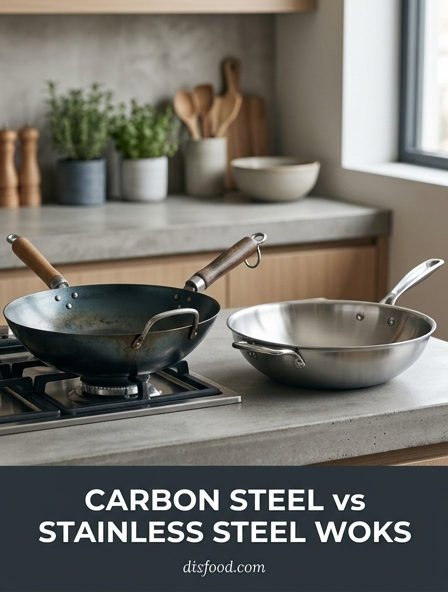
Carbon steel is often described as the perfect hybrid between stainless steel and cast iron. It consists of approximately 99% iron and 1% carbon, offering a lightweight alternative to heavy cast iron while retaining the ability to develop a natural, chemical-free seasoning. Carbon steel is a favorite in professional kitchens because it responds rapidly to temperature changes and can handle the rigors of high-heat sautéing and searing without the risk of chemical breakdown.
Like cast iron, carbon steel is completely free of PFAS and synthetic liners. The safety of the pan is maintained through regular seasoning with food-grade oils. Because the material is highly conductive, it distributes heat evenly, preventing hot spots that can burn food. While it requires more maintenance than stainless steel-specifically, it must be kept dry to prevent rust-the trade-off is a versatile, non-toxic pan that becomes more effective the more it is used. It is an ideal choice for those who want a "slick" cooking surface for delicate foods like fish or omelets without relying on the toxic shortcuts of the nonstick industry.
Identifying Hidden PFAS in Common Kitchen Accessories
While pans are the most visible sources of PFAS, these chemicals often hide in less obvious kitchen accessories. Manufacturers use fluorinated compounds to provide "easy-clean" properties to various tools and surfaces, making a total kitchen audit necessary for those seeking a non-toxic environment. PFAS are frequently found in items designed to resist moisture or oils, often without being explicitly listed on the packaging.
- Bakeware: Muffin tins, cookie sheets, and cake pans often feature the same PTFE coatings found in frying pans.
- Small Appliances: The internal plates of waffle makers, panini presses, and air fryer baskets are common PFAS culprits.
- Textiles: Stain-resistant tablecloths, aprons, and oven mitts may be treated with PFAS to repel spills.
- Paper Products: Some brands of parchment paper and paper plates are coated with PFAS to prevent grease soak-through.
Identifying these hidden sources requires a critical eye. Opting for glass, high-quality silicone, or untreated wood for accessories can significantly reduce secondary exposure. When purchasing small appliances, look for models that utilize stainless steel or ceramic-coated inserts to ensure the entire cooking process remains chemical-free.
Steps to Transition to a Non Toxic Kitchen
Transitioning to a PFAS-free kitchen does not have to happen overnight. A phased approach is often more sustainable and budget-friendly. The first priority should be replacing any nonstick cookware that is currently scratched, peeling, or flaking, as these items pose the most immediate ingestion risk. Once the most damaged items are removed, you can begin systematically upgrading your most-used tools.
- Inventory Audit: Identify all nonstick surfaces, including pans, bakeware, and small appliance inserts.
- Prioritize High-Heat Tools: Replace frying pans and searing tools first, as high heat accelerates chemical off-gassing.
- Choose Natural Materials: Invest in one high-quality cast iron skillet and one stainless steel pot to cover 80% of cooking needs.
- Switch Disposables: Replace grease-resistant paper wraps with plain compostable parchment or glass containers.
By focusing on "anchor pieces" made of cast iron or stainless steel, you create a foundation of safety. Over time, supplement these with specialized items like carbon steel or ceramic as your budget allows, ensuring every new addition contributes to a cleaner, safer culinary environment.
Essential Maintenance Tips for Chemical Free Cookware
To ensure that non-toxic cookware performs as well as its chemical counterparts, proper maintenance is essential. Unlike disposable nonstick pans, materials like cast iron, carbon steel, and stainless steel require specific care to maintain their safety and functionality. Understanding these techniques prevents food from sticking and extends the life of the cookware indefinitely.
For seasoned pans (cast iron and carbon steel), the golden rule is to avoid harsh detergents and the dishwasher, which strip away the protective oil layer. Instead, rinse with hot water and use a stiff brush, then dry immediately on the stovetop to prevent rust. For stainless steel, the "water drop test" is a vital skill; heating the pan until a drop of water beads and dances across the surface ensures the metal pores have closed, creating a physical nonstick barrier. For ceramic pans, use only silicone or wooden utensils to avoid micro-scratches that degrade the surface. By moving away from "convenience-based" cleaning and toward material-specific care, you protect your health investment and ensure your kitchen remains free of harmful PFAS residues for years to come.



Comments