
The Science of Thermal Mass in Modern Cooking
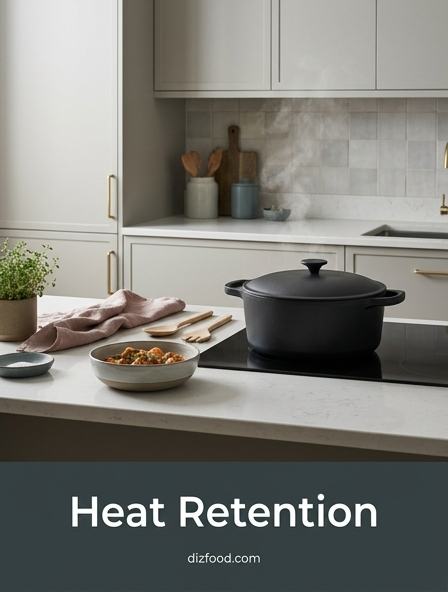
In the realm of culinary science, thermal mass refers to the ability of a material to absorb, store, and later release thermal energy. In a modern kitchen, this concept is fundamental to achieving consistent results. Materials with high density and specific heat capacity, such as cast iron or thick-walled ceramic, act as thermal batteries. When these vessels are heated, they store a significant amount of energy within their molecular structure. This stored energy provides a buffer against temperature fluctuations that occur when raw, room-temperature ingredients are introduced to the cooking surface.
Understanding the physics of heat transfer-conduction, convection, and radiation-allows chefs to manipulate how energy interacts with food. A high thermal mass vessel ensures that the temperature drop is minimized, maintaining a steady state of energy transfer. This is particularly crucial in domestic kitchens where burners may lack the raw power of industrial ranges. By leveraging the science of thermal mass, cooks can achieve professional-grade results through better energy management. Key factors influencing thermal mass include:
- Material Density: Heavier materials generally store more heat.
- Specific Heat Capacity: The amount of energy required to raise the temperature of a substance.
- Wall Thickness: Thicker vessels provide a deeper reservoir of heat.
- Thermal Conductivity: How quickly heat moves through the material.
Achieving the Perfect Crust Through Heat Stability
The pursuit of a golden-brown, crispy crust on proteins and breads is fundamentally an exercise in heat stability. When a cold steak hits a thin, flimsy pan, the surface temperature of the metal plummets instantly. This temperature drop leads to steaming rather than searing, resulting in a grey, unappealing exterior. However, a high-stability cooking surface maintains its temperature, ensuring that the moisture on the food's surface evaporates immediately. This rapid evaporation is the precursor to the chemical reactions necessary for browning.
Heat stability allows for a continuous high-energy environment that transforms the texture of the food. For bakers, using a baking stone or a heavy Dutch oven provides the necessary thermal kick to achieve "oven spring" and a thick, crackly crust. The stability of the environment ensures that the outer layers of the dough or meat are dehydrated and toasted before the interior becomes overcooked. This equilibrium is difficult to maintain without a vessel that can resist the cooling effect of the food itself. By prioritizing heat retention, cooks can guarantee a superior tactile experience in every dish.
Why Consistent Temperature Matters for Low and Slow Roasts
Low and slow roasting is a technique designed to break down tough connective tissues, such as collagen, into silky gelatin. This biological transformation is highly sensitive to temperature fluctuations. If the oven environment cycles too aggressively between heating elements turning on and off, the meat fibers can contract and expand unevenly, leading to moisture loss and a "tight" texture. Thermal retention in the roasting vessel acts as a stabilizer, smoothing out these peaks and valleys in the ambient temperature.
Using heavy-duty cookware during a long roast ensures that the heat delivered to the food is gentle and unwavering. This consistency is vital for the following reasons:
- Enzymatic Activity: Maintaining a specific range allows natural enzymes to tenderize meat before they are denatured by high heat.
- Collagen Conversion: Consistent heat is more efficient at melting connective tissue without drying out the muscle fibers.
- Uniformity: It prevents the outer layers from becoming parched while waiting for the center to reach the target temperature.
- Predictability: Steady heat allows for more accurate timing and reliable results across different cooking sessions.
The Best Cookware Materials for Superior Heat Storage
Choosing the right material is the most direct way to influence heat retention in the kitchen. Different metals and compounds exhibit varying levels of efficiency when it comes to storing thermal energy. While copper and aluminum are prized for their responsiveness and conductivity, they excel at changing temperatures quickly, not holding onto them. For superior heat storage, one must look toward denser materials that have the physical bulk to retain energy over long periods.
| Material | Heat Retention | Primary Benefit |
|---|---|---|
| Cast Iron | Excellent | High thermal mass; ideal for searing and frying. |
| Enameled Stone | Very High | Consistent radiation; perfect for slow baking. |
| Carbon Steel | Moderate | Balances retention with slight responsiveness. |
| Stainless Steel (Clad) | Low to Moderate | Great for general use but loses heat quickly. |
Cast iron remains the gold standard for retention due to its carbon content and density. Enameled cast iron offers the added benefit of being non-reactive while maintaining the same thermal properties. For tasks requiring long-term heat stability, these materials are indispensable.
How Heat Retention Enhances the Maillard Reaction
The Maillard reaction is a complex chemical process between amino acids and reducing sugars that gives browned food its distinctive flavor. This reaction typically begins to accelerate at temperatures above 285°F (140°C). If a cooking surface cannot retain enough heat to stay above this threshold when food is added, the Maillard reaction will stall. Consequently, the food will boil in its own juices rather than developing the complex aromatic compounds associated with high-quality roasting and searing.
Superior heat retention ensures that the kinetic energy at the surface of the pan is sufficient to overcome the cooling effect of moisture release. As water is pushed out of the cells of the meat or vegetables, it must be instantly converted to steam. A vessel with high thermal mass provides the necessary "deep" heat to maintain these temperatures across the entire surface area. This results in a more uniform browning and a deeper profile of savory flavors. Without the energy reservoir provided by high-retention cookware, the Maillard reaction is often patchy and underdeveloped, leaving the final dish lacking in both color and taste depth.
The Role of Cast Iron in Professional Level Searing
In professional kitchens, cast iron is often the tool of choice for searing because of its unique emissivity and thermal weight. Emissivity refers to the ability of a surface to emit energy via radiation. Cast iron has high emissivity, meaning it doesn't just cook the part of the food it is touching; it also radiates heat into the layers immediately above the surface. This creates a deep sear that penetrates slightly into the food, locking in juices and creating a robust crust.
To master professional searing with cast iron, one must understand the preheating phase. Because cast iron takes longer to reach its target temperature, it must be heated gradually to ensure even distribution. Once it reaches the desired state, it becomes an unstoppable force of thermal energy. Professional chefs utilize this by:
- Preheating the pan for at least 5 to 10 minutes.
- Using high-smoke-point oils to withstand the stored energy.
- Avoiding overcrowding to keep the thermal reservoir from depleting.
- Utilizing the pan's weight to ensure maximum surface contact.
Maintaining Steady Braising Temperatures for Tender Results
Braising is a moist-heat cooking method that relies on a delicate balance between liquid and low, steady heat. The goal is to keep the liquid at a very gentle simmer, ideally just below the boiling point. A heavy, lidded pot with high heat retention, such as a French oven, is essential for this process. The thick walls absorb the heat from the oven or stove and distribute it evenly through the liquid, preventing "hot spots" that could cause the meat to toughen or the sauce to scorch.
The process of maintaining these steady temperatures involves several steps facilitated by high-mass cookware:
- The initial sear provides the foundation of flavor and preheats the vessel.
- Deglazing captures browned bits while the pot retains enough heat to reduce the liquid quickly.
- Covering with a heavy lid creates a self-basting environment where the temperature remains static.
- The high thermal mass of the pot buffers the contents against the cycling of the oven's thermostat, ensuring a constant, gentle cook over several hours.
Energy Efficiency Benefits of High Thermal Mass Vessels
Beyond the culinary benefits, using cookware with high heat retention is a more energy-efficient way to cook. Once a high-mass vessel reaches its target temperature, it requires significantly less energy input to maintain that state compared to thin-walled pans. In many cases, the heat can be turned down to a minimum, or even turned off completely, as the stored energy continues to cook the food. This is known as residual heat cooking, a technique that has been used for centuries in wood-fired ovens and clay pots.
Modern kitchens can benefit from this by reducing gas or electricity consumption. For example, when boiling grains or pasta in a heavy ceramic pot, the heat can often be cut several minutes early. The thick walls will keep the water at a simmer long enough to finish the cooking process. Additionally, the insulating properties of these materials mean that food stays warm on the table for much longer, reducing the need for reheating and ensuring that second helpings are just as enjoyable as the first. This sustainable approach to cooking leverages physics to save both time and resources.
The Impact of Heat Stability on Meat Texture and Juiciness
Meat is composed of roughly 75% water held within a framework of muscle fibers. When meat is subjected to unstable or fluctuating temperatures, those fibers react by contracting violently, squeezing out the moisture like a wrung-out sponge. Heat stability is therefore the primary factor in preserving the juiciness of the final product. A stable cooking environment allows the proteins to denature slowly and evenly. This gradual transition prevents the "shocking" of the meat, which occurs when a pan loses its heat and then overcompensates as the burner tries to catch up.
When the temperature is held constant, the internal pressure within the meat remains regulated. This allows for a more even distribution of heat from the exterior to the core. In contrast, a pan with poor retention will fluctuate, creating a larger "grey band" of overcooked meat beneath the surface. By utilizing cookware that holds its temperature, the cook ensures that the meat reaches its target internal temperature with minimal moisture loss. The result is a steak or roast that is tender, evenly cooked from edge to edge, and significantly more flavorful due to the retained juices.
Mastering Thermal Control for Gourmet Kitchen Results
Achieving gourmet results in a home kitchen requires a shift in focus from "how hot the flame is" to "how much heat is stored in the pan." Mastering thermal control involves a proactive approach to heat management. This begins with selecting the right tool for the specific task and allowing sufficient time for that tool to reach thermal equilibrium. A chef who understands heat retention knows that the pan is not just a container, but an active component of the cooking process that must be managed with precision.
To elevate cooking through thermal control, consider the following practices:
- Tempering Food: Bringing ingredients to room temperature reduces the thermal shock to the pan.
- Zonal Cooking: Utilizing the edges of high-retention pans for gentler heat.
- Post-Heat Cooking: Allowing food to finish cooking off the heat source to prevent over-shooting the target temperature.
- Matching Mass to Volume: Ensuring the size of the cookware is appropriate for the amount of food to maximize thermal efficiency.
By treating heat as a resource to be stored and deployed strategically, any cook can produce dishes with professional-level texture, flavor, and consistency.

Comments