
Mastering Mise en Place for Workflow Efficiency
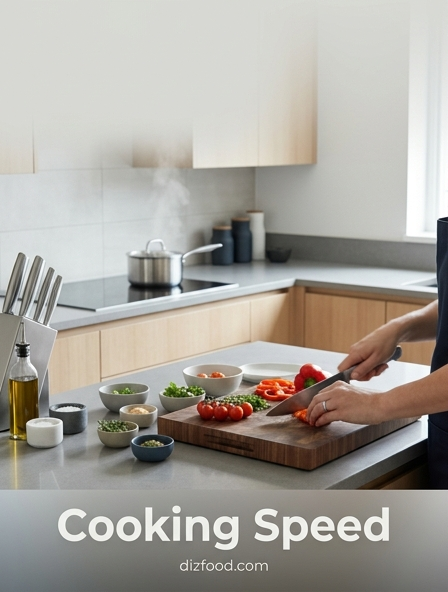
The French culinary philosophy of mise en place, or "everything in its place," is the foundational pillar of kitchen speed. By shifting the bulk of your labor to the pre-cooking phase, you eliminate the frantic search for ingredients while the stove is active. This systematic approach ensures that every vegetable is chopped, every spice is measured, and every protein is tempered before the first flame is ignited. The primary goal is to create a seamless transition between preparation and execution, preventing the bottleneck effect often caused by mid-recipe dicing.
- Gathering: Collect all raw ingredients and tools before starting any physical preparation.
- Processing: Complete all cutting, grating, and measuring tasks in one concentrated block of time.
- Organization: Arrange prepped items in the order they will enter the pan, typically from left to right.
- Sanitation: Clear the prep area of waste and peels to maintain a clean workspace for the final assembly.
When you master this workflow, you transition from a reactive cook to a proactive chef. This mental and physical readiness reduces errors, prevents overcooking caused by distractions, and significantly shortens the total duration spent in the kitchen.
Essential High Speed Kitchen Tools and Appliances
While manual skill is vital, modern technology offers specialized tools designed to bypass time-consuming traditional methods. Selecting the right appliance can reduce cooking times by more than 50% for specific dishes. High-speed tools act as force multipliers, allowing you to focus on flavor development rather than repetitive manual labor. For instance, using a food processor for a mirepoix takes seconds compared to several minutes with a chef's knife.
| Tool | Primary Speed Benefit | Best Use Case |
|---|---|---|
| Pressure Cooker | Reduces cook time by 70% | Tough meats, beans, and starchy grains. |
| Mandoline Slicer | Uniform, rapid vegetable slicing | Potato au gratin or thin salads. |
| Immersion Blender | Eliminates transfer to countertop blender | Soups, sauces, and emulsions. |
| Air Fryer | Rapid heat circulation/no preheat | Crisping vegetables and reheating. |
Investing in these devices ensures that the most labor-intensive aspects of cooking are automated. However, speed is only gained if these tools are kept accessible; an appliance stored in a hard-to-reach cabinet rarely contributes to kitchen efficiency.
Strategic Kitchen Layout for Maximum Movement Speed
Kitchen efficiency is often a matter of geometry. The "Work Triangle" concept-linking the sink, stove, and refrigerator-remains the gold standard for reducing unnecessary footsteps. By minimizing the distance between these three points, you conserve energy and time. Beyond the primary triangle, your layout should account for "activity zones" where specific tasks like prep, cooking, and cleaning occur in dedicated, non-overlapping spaces.
- The Prep Zone: Positioned near the sink with a clear countertop and immediate access to knives and cutting boards.
- The Heat Zone: Keeping oils, frequently used spices, and tasting spoons within arm's reach of the range.
- The Storage Zone: Heavy pots and pans should be stored at waist level to avoid bending or reaching during high-stress moments.
An optimized layout eliminates the physical friction of movement. When your most-used items are stored in the "strike zone"-the area between your shoulders and knees-you can maintain a high-tempo workflow without the fatigue caused by poor ergonomics. Constant reorganization of your workspace to fit your specific cooking habits is the key to sustained speed.
Advanced Knife Skills to Cut Preparation Time
The knife is the most frequently used tool in any kitchen; therefore, mastering its use is the most effective way to shave minutes off every meal. Speed in knife work is not about rapid, dangerous movements, but rather about economy of motion and consistent technique. By utilizing the correct grip and stroke, you can process large volumes of produce with minimal effort. Consistent cuts also ensure even cooking, which prevents the need for constant monitoring and adjustments.
- The Claw Grip: Tucking your fingertips inward to guide the blade safely while maintaining high-speed contact.
- The Rocking Motion: Keeping the tip of the knife on the board to create a rhythmic, efficient lever action.
- Proper Anchoring: Using a damp cloth under your cutting board to prevent slipping and maintain stability.
- Blade Maintenance: Honing your knife before every session to ensure it bites into the food without resistance.
As you refine these skills, you reduce the physical strain on your wrist and increase your confidence. High-speed prep is a byproduct of precision; once the technique is automated in your muscle memory, speed follows naturally without sacrificing safety.
The Science of Parallel Cooking and Multi Tasking
True speed in the kitchen is achieved through the art of overlapping tasks, often referred to as parallel cooking. This involves identifying "dead time"-intervals where food is cooking unattended-and filling those gaps with secondary preparation or cleaning. Efficient cooks never watch a pot boil; they use that window to chop the next ingredient or set the table. Mastering this requires a mental roadmap of the entire recipe to understand which steps can run concurrently.
- Staggered Starts: Begin with the item that takes the longest to cook, such as roasting potatoes, before starting quick-sear proteins.
- Passive Prep: Utilize the oven's preheating time to finish all vegetable dicing.
- Simultaneous Seasoning: Grouping tasks like salting different components of a meal at the same time to reduce hand-washing cycles.
By treating cooking as a series of integrated processes rather than linear steps, you can compress a sixty-minute meal into thirty minutes. The goal is to ensure that the heat source is always being utilized and that your hands are never idle until the final plate is garnished.
Fast Track Meal Prepping for the Week Ahead
Batch cooking is the ultimate strategy for those looking to eliminate daily kitchen friction. By dedicating a single block of time to "component prepping," you remove the need for heavy lifting during busy weeknights. Instead of preparing entirely separate meals, focus on creating versatile bases that can be quickly reconfigured into different dishes. This modular approach to cooking ensures that dinner is often just a matter of reheating and assembly rather than a full culinary production.
| Component Type | Prep Method | Speed Application |
|---|---|---|
| Grains/Starches | Batch boil rice or quinoa | Base for bowls, stir-fries, or salads. |
| Proteins | Roast multiple chicken breasts | Add to tacos, pasta, or sandwiches. |
| Vegetables | Wash, dry, and chop aromatics | Immediate start for any sauté or soup. |
| Sauces | Whisk vinaigrettes or pestos | Instant flavor boost without prep time. |
This system allows you to capitalize on the "economy of scale." Peeling ten carrots takes only slightly longer than peeling two if your tools are already out. Centralizing the labor into one session maximizes efficiency and minimizes daily cleanup.
One Pot and Sheet Pan Cooking Systems
Complexity is the enemy of speed. One-pot and sheet-pan cooking systems simplify the culinary process by centralizing heat and flavor development in a single vessel. This method drastically reduces the time spent managing multiple burners and, more importantly, minimizes the post-cooking cleanup. Success in these systems relies on understanding the varying cook times of different ingredients and layering them into the pan at the appropriate intervals.
- Staged Layering: Start dense root vegetables first, adding quick-cooking proteins or leafy greens in the final minutes.
- Surface Area: Maximizing contact with the sheet pan to ensure rapid browning and even heat distribution.
- Aromatic Infusion: Placing herbs and fats in the center of the pan so their flavors permeate all ingredients simultaneously.
These systems are particularly effective for high-heat roasting, which develops deep flavors faster than low-simmering methods. By limiting the number of tools used, you maintain a clearer headspace and a faster overall workflow from the first chop to the final bite.
Utilizing Prepped and Frozen Ingredients Wisely
Professional chefs often use "speed-scratch" techniques, incorporating high-quality pre-prepared ingredients to save time without compromising nutrition or taste. Frozen vegetables, for example, are often flash-frozen at peak ripeness, making them a faster and sometimes superior alternative to fresh produce that requires washing and trimming. Using these shortcuts allows you to bypass the most tedious parts of food preparation.
- Flash-Frozen Aromatics: Using frozen chopped onions or garlic cubes to start a base instantly.
- Canned Legumes: Utilizing chickpeas or beans that are already softened, saving hours of soaking and boiling.
- Pre-Washed Greens: Bags of spinach or kale that can be tossed directly into a pan without prep.
- Boxed Stocks: High-quality broths serve as an immediate flavor foundation for soups and sauces.
The strategic use of these items isn't about cutting corners; it's about allocating your limited time to the aspects of cooking that benefit most from manual attention, such as seasoning and searing. Using prepped ingredients transforms a labor-intensive recipe into an assembly-based process.
Streamlined Cleaning Habits During the Cooking Process
A cluttered kitchen is a slow kitchen. Cleaning as you go is not just about hygiene; it is about maintaining the physical and mental space required for speed. When prep bowls and scraps accumulate, they encroach on your workspace, forcing you to move more slowly and carefully. By integrating cleaning into your cooking rhythm, you ensure that the kitchen is nearly clean by the time the meal hits the table.
- The Scrap Bowl: Keep a dedicated bowl on your counter for vegetable peels and packaging waste to avoid frequent trips to the trash.
- Empty Dishwasher Policy: Always start with an empty dishwasher so dirty items can be loaded immediately after use.
- The Soaking Method: Fill pans with hot, soapy water immediately after removing food to prevent residue from hardening.
Maintaining a clear "landing zone" for finished dishes and a clean cutting surface allows for a much more aggressive and confident cooking pace. This habit eliminates the daunting "mountain of dishes" at the end of the night, making the entire cooking experience more enjoyable and efficient.
Optimizing Heat Control for Faster Culinary Results
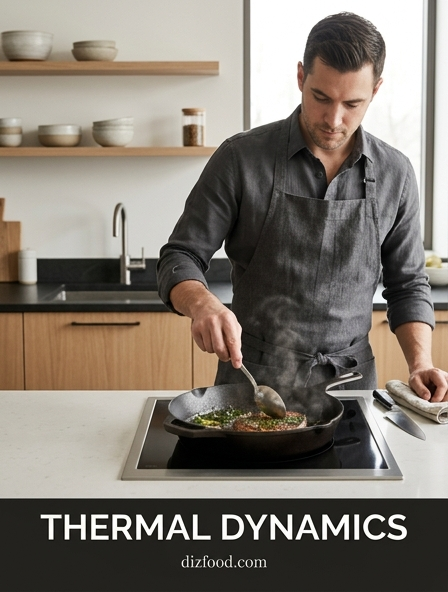
Speed is often a function of thermal efficiency. Understanding how to manipulate heat allows you to reach target temperatures faster and maintain them with less energy. Many home cooks lose time by starting with cold pans or under-utilizing high-intensity heat sources. By optimizing your thermal environment, you can accelerate chemical reactions like the Maillard reaction, which is responsible for browning and flavor development.
| Technique | Mechanism | Speed Result |
|---|---|---|
| Preheating Pans | Conductive Heat | Instant searing on contact. |
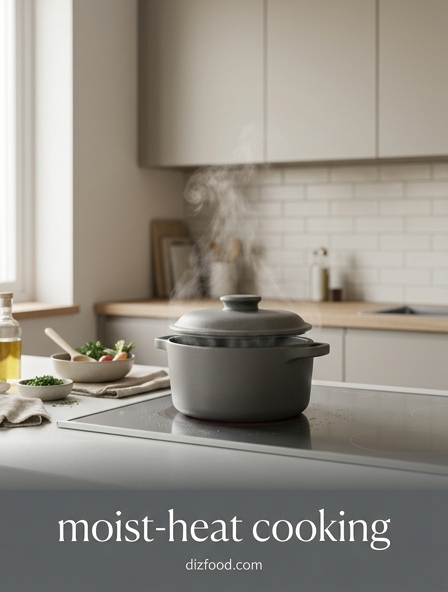
| Using Lids | Convective Retention | Boils water and steams 30% faster. |
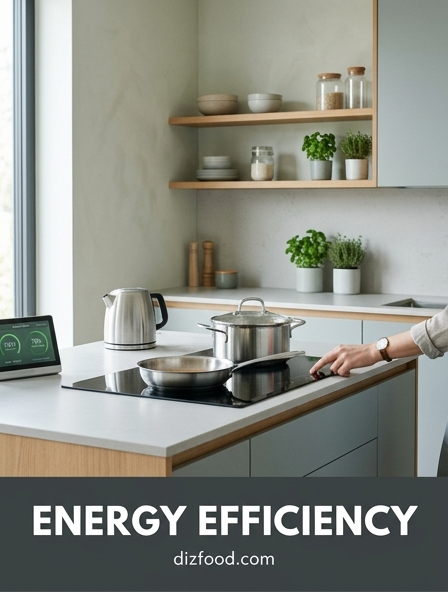
| Induction Cooking | Electromagnetic Heat | Near-instant response to temp changes. |
| Thin Slicing | Surface Area Increase | Heat penetrates to the center quickly. |
Always match the pan size to the burner and the food volume to the pan. Overcrowding a pan drops the temperature, leading to steaming rather than searing, which takes significantly longer. Proper heat management ensures that every second spent on the stove is productive.

Comments