
Understanding Induction Science
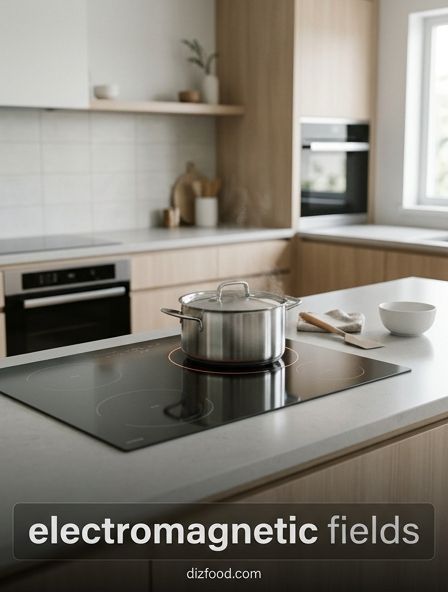
Induction cooking represents a fundamental departure from traditional thermal conduction methods. While gas and electric radiant stovetops rely on burning fuel or heating an internal element to transfer energy to a vessel, induction utilizes electromagnetism to turn the cookware itself into the heat source. This process begins with a high-frequency alternating current passing through a copper coil beneath the ceramic glass surface. The resulting electromagnetic field penetrates the base of the pan, inducing a flow of electricity directly within the metal.
This scientific approach eliminates the intermediate step of heating a burner, which significantly reduces ambient heat loss in the kitchen environment. By leveraging the principles of physics, induction systems achieve a level of control and speed that was previously unattainable. Key benefits of this scientific application include:
- Superior energy coupling between the source and the vessel.
- Minimal thermal inertia during temperature adjustments.
- Localized heating that keeps the surrounding air cool.
- Enhanced safety through the absence of open flames or red-hot coils.
As the electromagnetic field fluctuates, it creates a seamless transition of energy that defines modern culinary technology.
Copper Coils and Magnetic Fields
At the heart of every induction cooktop lies a series of tightly wound copper coils. When the appliance is activated, an electronic power inverter increases the frequency of the household current, typically from 50 or 60 Hz to anywhere between 20 kHz and 50 kHz. As this high-frequency current flows through the copper, it generates a rapidly oscillating magnetic field. This field is not hot to the touch; rather, it serves as a medium for energy transport, projecting invisible lines of magnetic flux upward through the glass-ceramic cooking surface.
The design and quality of these coils are critical for maintaining a uniform magnetic field. If the coils are unevenly spaced, the pan may develop "hot spots" where the magnetic flux is more concentrated. Modern induction systems often use multi-zone coils to accommodate various pan sizes and shapes, ensuring that the magnetic field is always optimized for the specific footprint of the cookware being used. This invisible interaction is the primary mechanism that bridges the gap between the internal electronics of the stove and the external culinary environment.
Ferromagnetic Cookware Essentials
For the electromagnetic field to produce heat, the cookware used must be ferromagnetic. This means the material must contain iron or a magnetic alloy that allows the magnetic flux to penetrate and interact with the metal's internal structure. Non-magnetic materials like aluminum, copper, and standard glass do not interact with the field effectively, as the magnetic lines of force pass through them without resistance. To verify compatibility, users can perform a simple test using a magnet; if it sticks firmly to the base of the pan, the vessel is suitable for induction.
| Material Type | Induction Compatible | Thermal Characteristics |
|---|---|---|
| Cast Iron | Yes | Excellent heat retention and even distribution. |
| Magnetic Stainless Steel | Yes | Durable, quick to heat, and easy to clean. |
| Standard Aluminum | No | Requires a bonded magnetic base to function. |
| Ceramic / Glass | No | Transparent to magnetic fields; no heat generated. |
The thickness of the ferromagnetic base also plays a role in performance, as a thicker base can help dampen the humming sound sometimes associated with high-frequency magnetic vibrations.
How Eddy Currents Generate Heat
The primary mechanism for heat generation in induction cooking is the creation of eddy currents. When the fluctuating magnetic field encounters the conductive, ferromagnetic base of a pan, it induces circular electric currents within the metal. These are known as eddy currents because they resemble the swirling patterns of water in a whirlpool. Because the pan's material has a degree of electrical resistance, the flow of these currents encounters opposition, which converts electrical energy into thermal energy via Joule heating.
This process happens entirely within the boundaries of the cookware's base. The glass cooktop itself does not generate heat; it only becomes warm through secondary contact with the heated pan. This localized heat generation is why induction is so remarkably fast. Instead of waiting for a burner to reach a certain temperature and then conduct that heat through the pan's exterior, the pan becomes the heat generator instantly. The efficiency of this process ensures that the vast majority of the energy consumed by the appliance is converted directly into heat for the food, with very little wasted as stray radiation or convection.
Molecular Agitation Mechanics
Beyond eddy currents, a secondary heating effect called magnetic hysteresis occurs within ferromagnetic materials. Every magnetic material consists of tiny "magnetic domains" or molecular dipoles. When subjected to the rapidly alternating magnetic field of an induction coil-which flips direction tens of thousands of times per second-these molecular domains are forced to realign themselves at the same frequency. This constant, high-speed flipping creates internal friction at the molecular level, which is dissipated as heat.
The combination of eddy currents and magnetic hysteresis creates a dual-action heating process that is extremely potent. The "agitation" of the molecules is essentially what we perceive as temperature. In high-quality stainless steel or iron pots, this molecular friction accounts for a significant portion of the total thermal output. Because this agitation happens uniformly across the surface area where the magnetic field is present, the heating is often more even than traditional flame-based methods. This molecular-level interaction highlights the sophisticated physics that allows induction to outperform conventional resistive heating elements in both speed and consistency.
Direct Energy Transfer Efficiency
Efficiency is one of the most compelling arguments for the adoption of induction technology in the kitchen. In traditional gas cooking, a significant portion of the energy produced by the flame escapes around the sides of the pan, heating the air and the kitchen instead of the food. Similarly, radiant electric tops lose heat through the air gap between the element and the glass, and through the glass itself. Induction bypasses these inefficiencies by ensuring the energy transfer is direct and confined to the vessel.
- Induction surfaces are roughly 85% to 90% efficient in energy transfer.
- Gas cooktops typically range from 40% to 55% efficiency.
- Radiant electric systems hover around 70% efficiency.
- Lower energy waste results in a cooler kitchen environment and lower utility costs.
This high efficiency rate means that water boils in nearly half the time required by gas. Furthermore, because the surface does not get hot, there is no energy spent maintaining the temperature of a heavy ceramic or metal burner, allowing for a more sustainable and environmentally friendly cooking process.
Instant Thermal Response Times
One of the hallmarks of professional-grade cooking is the ability to change temperatures instantaneously. Induction provides this level of control because there is no thermal mass in the stovetop itself that needs to cool down or heat up. When the dial is turned down, the magnetic field is immediately reduced, and the eddy currents inside the pan subside instantly. This provides a level of responsiveness that is even faster than gas, where the grate and the air surrounding the flame still hold residual heat.
This responsiveness is particularly beneficial for delicate tasks, such as tempering chocolate, simmering thick sauces, or preventing a pot from boiling over. The moment the power is adjusted, the heat generation within the metal changes. There is no "lag" time, which gives the chef absolute authority over the cooking process. In many high-end induction units, the power can be modulated with such precision that it can maintain a steady melt without the need for a double boiler, demonstrating the remarkable agility of electromagnetic heat control.
Cool Touch Surface Safety
A unique safety feature of induction cooking is that the cooktop surface remains relatively cool throughout the process. Since the glass-ceramic top is non-magnetic and non-conductive, the magnetic field passes through it without generating heat. While the glass will eventually become warm due to residual heat transferring back from the hot pan, it rarely reaches the dangerous temperatures seen on radiant electric or gas ranges. This significantly reduces the risk of accidental burns and prevents spilled food from baking onto the surface.
- The surface only heats up in the specific area covered by the pan.
- Safety sensors detect when no pan is present and automatically shut off the field.
- The lack of open flame eliminates the risk of grease fires from flare-ups.
- Rapid cooling of the glass after the pan is removed allows for immediate cleaning.
This safety profile makes induction an ideal choice for households with children or elderly individuals, as the risk of fire and contact burns is substantially mitigated by the inherent physics of the system.
Optimizing Power Frequency
The frequency at which an induction cooktop operates is a carefully engineered balance between efficiency and acoustics. Most modern units operate above the range of human hearing-typically between 24 kHz and 40 kHz-to ensure that the "hum" produced by the vibrating magnetic domains is not disruptive. If the frequency were lower, the mechanical vibrations of the pan's molecules would create a loud, audible buzzing sound. Engineers optimize these frequencies to ensure maximum energy penetration into the base of the pan while keeping the appliance as quiet as possible.
In addition to noise management, the frequency affects how deep the eddy currents penetrate the metal, a phenomenon known as the "skin effect." At higher frequencies, the currents tend to flow near the surface of the pan, which can increase resistance and, consequently, heat production. By fine-tuning the inverter's output, manufacturers can maximize the heating potential for different types of ferromagnetic alloys. This optimization ensures that whether you are using a heavy cast iron skillet or a thin stainless steel pot, the power delivery remains consistent and effective.
Precision Cooking Performance
The digital nature of induction power delivery allows for unmatched precision in culinary performance. Unlike gas valves that can be difficult to calibrate at very low levels, or electric elements that cycle on and off to maintain temperature, induction can be modulated with extreme granularity. Many induction burners offer dozens of power settings, allowing users to select specific temperatures or wattage outputs. This level of precision ensures that the heat is perfectly distributed across the base of the cookware, leading to more predictable results.
Furthermore, because the heat is generated within the pan itself, the cooktop can use sensors to monitor the pan's temperature in real-time. This feedback loop allows the system to adjust the magnetic field automatically to prevent overheating or to maintain a precise simmer. For the home cook, this means less time spent "babysitting" the stove and more time focusing on the quality of ingredients. The combination of electromagnetic speed, safety, and digital accuracy positions induction as the pinnacle of modern kitchen technology, transforming the way heat is applied to food.




Comments