
Defining the Briny Sea Salt Profile
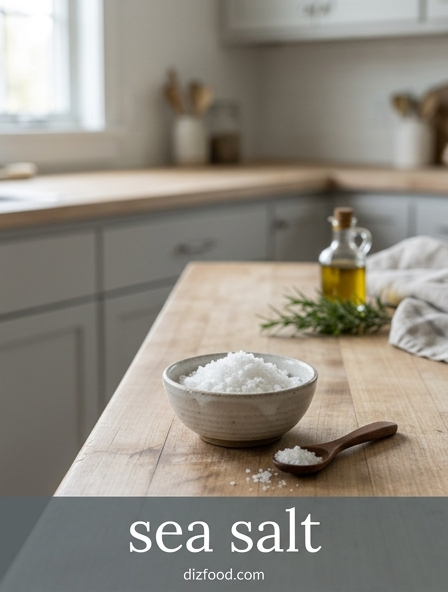
Sea salt is fundamentally defined by its origin, harvested directly from the evaporation of contemporary seawater rather than extracted from ancient terrestrial mines. This process retains a complex chemical fingerprint that distinguishes it from the clinical purity of standard table salt. The flavor profile is often described as "bright" or "briny," echoing the specific mineral composition of the waters from which it was drawn. Unlike processed sodium chloride, which offers a singular, sharp saline punch, sea salt provides a tiered tasting experience that mirrors the oceanic environment.
The characteristic "oceanic" taste is attributed to the presence of trace elements like magnesium, potassium, and calcium. These minerals soften the harshness of the sodium, resulting in a more rounded and nuanced seasoning tool. Chefs value this profile for its ability to provide a clean finish that does not linger unpleasantly on the palate. Whether sourced from the cold Atlantic or the sun-drenched Mediterranean, the primary goal of sea salt is to provide an essential salinity that feels organic and integrated into the fresh ingredients of a dish.
Textural Impact of Finishing Flakes
The physical structure of sea salt flakes is a critical component of the culinary experience, acting as a sensory bridge between flavor and mouthfeel. Flake salts are typically characterized by their hollow, pyramid-like shapes or thin, parchment-like shards. When applied to a dish just before serving, these structures do not immediately dissolve. Instead, they provide a distinct, rhythmic "crunch" that contrasts with the softness of proteins or the creaminess of fats. This textural variance keeps the palate engaged, preventing the sensory fatigue that often occurs with uniformly seasoned food.
Beyond the initial bite, the surface area of a salt flake dictates how quickly it releases its saline burst. Because flakes are thin and fragile, they shatter easily, distributing flavor across the tongue in a rapid but controlled manner. This creates "pockets" of intensity rather than a continuous wall of saltiness. This phenomenon is particularly effective on moist surfaces, such as a sliced ribeye or a roasted vegetable, where the salt begins to slightly liquefy, creating a concentrated brine that enhances the natural juices of the ingredient.
Mineral Complexity in Specialty Salts
Specialty sea salts are prized for their mineral density, which varies significantly based on the geographic location of the salt pans and the harvesting methods employed. These minerals are not merely impurities; they are the architects of the salt's unique color and flavor depth. For instance, salts harvested from volcanic regions may contain traces of activated charcoal or sulfur, while those from clay-lined ponds take on a grey or pinkish hue. These elements interact with the taste buds to provide metallic, earthy, or even slightly sweet undertones.
| Mineral | Culinary Influence | Common Source |
|---|---|---|
| Magnesium | Adds a subtle bitterness and complexity. | Celtic Sea Salt |
| Potassium | Softens the sharp "bite" of sodium. | Mediterranean Sea Salt |
| Calcium | Contributes to a crisp, firm texture. | Flake Salts |
| Iron Oxide | Provides earthy notes and red color. | Hawaiian Alaea Salt |
Understanding these mineral profiles allows a cook to match the salt to the specific needs of a recipe. A high-magnesium salt might balance the richness of a buttery sauce, while a calcium-rich flake maintains its structure longer on a moist salad.
The Science of Flavor Enhancement
Sea salt functions as a biological catalyst that transforms the way we perceive flavor. On a molecular level, sodium ions help to suppress the perception of bitterness while simultaneously enhancing the perception of sweetness and umami. This is why a pinch of sea salt can make a bitter chocolate taste richer or a dull tomato taste vibrant. When sea salt is applied to food, it draws out aromatic volatiles, making the scent of the dish more pronounced and appetizing to the olfactory system.
Furthermore, sea salt influences the physical properties of the food itself. In proteins, it helps to denature certain structures, allowing the meat to retain more moisture during the cooking process. In vegetables, it breaks down pectin, which can soften the texture while intensifying the natural sugars. The "science" of sea salt is therefore a balance of chemical suppression and accentuation. By strategically using sea salt, a chef can manipulate the flavor hierarchy of a dish, ensuring that the primary ingredients are highlighted while distracting elements are muted, resulting in a more harmonious and satisfying meal.
Choosing Between Flake and Crystal
The choice between sea salt flakes and crystals is primarily dictated by the timing of application and the desired intensity of the seasoning. Crystals are typically denser and more uniform in shape, making them ideal for tasks that require slow dissolution. They are the preferred choice for boiling water for pasta, seasoning stocks, or creating a salt crust for fish. Because they are sturdier, they can withstand heat for longer periods without losing their structural integrity, providing a consistent level of salinity throughout the cooking process.
In contrast, flakes are fragile and designed for the final touch. They are best utilized when the goal is to provide a visual and textural accent. To help decide which to use, consider the following applications:
- Crystals: Use for dry rubs, brining poultry, and seasoning large pots of liquid.
- Flakes: Use for topping chocolate chip cookies, garnishing seared scallops, or finishing raw salads.
- Crystals: Best for high-heat roasting where a slow release of salt is required.
- Flakes: Ideal for adding a "pop" of flavor to avocado toast or caprese salad.
Elevating Proteins with Saline Notes
When working with high-quality proteins, sea salt acts as the ultimate amplifier, drawing out the inherent richness of the meat or fish. For red meats like beef or lamb, using a coarse sea salt during the resting phase allows the crystals to draw out a small amount of moisture, which then dissolves the salt and is reabsorbed into the fibers. This creates a deeply seasoned interior while maintaining a succulent texture. The slightly metallic minerals in sea salt often complement the iron-rich flavors of red meat, resulting in a more robust and savory profile.
For seafood, the "briny" quality of sea salt is particularly harmonious. Since fish and shellfish naturally exist in a saline environment, seasoning them with sea salt feels like a return to their origin. A light sprinkle of Fleur de Sel on a piece of steamed white fish or raw sashimi highlights the delicate sweetness of the flesh without overpowering it. The key is to use the salt to "brighten" the protein, ensuring that the natural fats feel less heavy on the tongue and the overall flavor profile remains crisp and clean.
Balancing Sweets with Sea Salt
The marriage of sea salt and sugar is one of the most effective strategies in modern confectionery and baking. This combination works because salt acts as a counterpoint to the cloying nature of high sugar concentrations. By adding sea salt to caramel, chocolate, or fruit-based desserts, you create a dynamic tension that makes the sweet elements feel more sophisticated. The salt triggers the "SGLT1" receptors in the tongue, which actually increase the absorption of glucose, making the sweetness feel more intense but less overwhelming.
When applying sea salt to sweets, the variety of salt matters immensely. A fine sea salt can be whisked into batters or doughs to ensure a consistent balance throughout the crumb. However, a flaky finishing salt is often preferred for the surface of a dessert. This provides a sudden, sharp contrast that cleanses the palate between bites of rich, sugary food. Whether it is a dark chocolate ganache topped with grey sea salt or a honey-drizzled ricotta, the saline notes serve to deepen the flavor, making the sweetness feel more resonant and multi-dimensional.
Mastering the Final Seasoning Layer
The "final seasoning layer" is the most critical step in professional plating, and sea salt is the primary tool for this technique. Applying salt at the very end-after the cooking is finished-ensures that the salt remains on the surface of the food. This creates an immediate impact when the food touches the tongue. To master this, one must consider the height from which the salt is dropped. Seasoning from a distance of 10 to 12 inches allows the salt to disperse evenly, avoiding "clumping" that can lead to an inconsistent and unpleasant experience for the diner.
Timing is equally important. For hot dishes, the salt should be applied the moment the plate is ready to be served so that it doesn't fully melt into the steam. For cold dishes, such as carpaccio or a fresh heirloom tomato salad, the salt should be added just before it reaches the table to ensure the crunch is preserved. This final layer is not just about salinity; it is about providing a visual sparkle and a textural cue that the dish is complete and ready to be enjoyed.
Global Varieties of Artisan Salts
The world of sea salt is vast, with different regions offering unique characteristics based on their climate and tradition. Artisan salts are often hand-harvested using ancient techniques that have remained unchanged for centuries. These salts are more than just seasonings; they are reflections of their terroir. Exploring these varieties allows a cook to travel the world through their spice rack, matching the origin of the salt to the cuisine they are preparing.
- Fleur de Sel (France): Known as the "flower of salt," these delicate crystals are skimmed from the surface of salt pans in Brittany and are prized for their floral aroma.
- Maldon (England): A famous flake salt with a clean, brisk flavor and a distinctive pyramid shape that provides an exceptional crunch.
- Sel Gris (France): A moist, grey salt that is harvested from the bottom of salt ponds, giving it a high mineral content and an earthy taste.
- Kala Namak (India): A kiln-fired rock salt that begins as sea salt, known for its pungent, sulfuric aroma used in South Asian vegan cooking.
- Hawaiian Black Lava: A sea salt blended with activated charcoal, offering a dramatic visual and a subtle smoky finish.
Preserving the Perfect Crunch
Proper storage is essential to maintaining the integrity of high-quality sea salt, especially flaky varieties that are sensitive to environmental factors. Because sea salt is hygroscopic, it naturally attracts moisture from the air. If stored in a humid environment or near a steaming stove, the flakes can become damp, lose their crunch, and eventually clump together. To prevent this, sea salt should be kept in a cool, dry place, ideally in a non-reactive container such as glass, ceramic, or high-quality wood.
A "salt cellar" or "salt pig" is a popular choice for active kitchens because it allows for easy access while providing enough airflow to keep the salt dry. It is also important to avoid using wet fingers when pinching the salt, as any introduced moisture will degrade the remaining contents of the container. By treating sea salt as a delicate ingredient rather than a stable chemical, you ensure that every pinch delivers the intended textural contrast and bright saline flavor. Proper preservation ensures that your investment in artisan salts continues to pay off in every dish you serve.




Comments