

Understanding Vegetable Enzymes
Vegetable enzymes are naturally occurring biological catalysts that accelerate specific chemical reactions within plant tissues. In a culinary context, understanding these proteins is essential for controlling food quality, texture, and flavor. Primary enzymes like polyphenol oxidase are responsible for the rapid browning observed in sliced apples or potatoes, while others like pectinase influence the softening of fruits as they ripen. These enzymes remain active even after harvest, continuing to alter the molecular structure of the produce. If left unchecked, enzymatic activity leads to the degradation of chlorophyll, the loss of essential vitamins, and the development of off-flavors that signal spoilage. Home cooks and professional chefs must recognize that enzymes are highly sensitive to their environment. By manipulating factors such as temperature, acidity, and moisture, one can effectively halt or harness these reactions. Mastery over vegetable enzymes allows for the prolongation of shelf life and the optimization of sensory characteristics, ensuring that ingredients remain at their peak freshness for longer durations during various stages of kitchen preparation.
Effective Blanching Techniques
Blanching is a fundamental kitchen process designed to inactivate enzymes before long-term storage. This technique involves exposing vegetables to boiling water or steam for a brief, specific duration, followed by an immediate plunge into ice water to stop the cooking process. This thermal shock is critical for several reasons:
- It denatures peroxidase and catalase, the most heat-resistant enzymes in vegetables.
- It cleanses the surface of dirt and organisms while brightening the natural color.
- It softens the texture slightly, making the produce easier to pack for freezing.
- It helps retain the nutritional profile by stopping degradative biological actions.
The timing of the blanching process is paramount; under-blanching can actually stimulate enzyme activity, leading to faster spoilage than if the vegetable were not treated at all. Conversely, over-blanching results in a loss of flavor, color, and vital minerals. Each vegetable type requires a unique timeframe to ensure that the internal temperature reaches the point where enzymes are permanently deactivated without compromising the structural integrity of the plant cells.
Temperature Control Strategies
Temperature serves as the primary regulator of enzymatic speed in the kitchen. Most enzymes found in fresh produce exhibit peak activity between 25°C and 40°C. As the temperature rises toward the boiling point, the protein structure of the enzyme begins to unfold, a process known as denaturation, which permanently halts its catalytic abilities. Conversely, lowering the temperature reduces the kinetic energy available for reactions, significantly slowing down enzymatic processes without stopping them entirely. Proper management of these thermal ranges is vital for maintaining the desired quality of raw and cooked ingredients.
| Temperature Range | Enzymatic Effect | Kitchen Application |
|---|---|---|
| 0°C - 5°C | Significantly Retarded | Refrigeration for short-term storage |
| 20°C - 35°C | Optimal Activity | Ripening of fruits on countertops |
| 60°C - 80°C | Denaturation Begins | Blanching and light poaching |
| 100°C+ | Complete Inactivation | Boiling, steaming, and pressure cooking |
Strategic temperature control ensures that enzymes work for the cook, such as in meat tenderization, rather than against them, such as in the premature wilting of leafy greens or the souring of dairy products.
Managing pH Levels
Enzymes are highly sensitive to the acidity or alkalinity of their surrounding environment. Most enzymes in fruits and vegetables function best at a near-neutral pH. By introducing acidic components such as lemon juice, vinegar, or citric acid, the kitchen practitioner can alter the electrical charge of the enzyme's amino acids. This change disrupts the delicate folding of the protein, rendering the active site incapable of binding with substrates. This is most commonly seen when acidulating water to prevent the oxidation of artichokes or parsnips. Furthermore, some enzymes, like those responsible for the breakdown of pectin in legumes, are inhibited by acidic environments, which is why beans cooked with tomatoes may take longer to soften. Managing pH is a powerful, non-thermal method to preserve the aesthetic and structural qualities of fresh produce, providing a versatile tool for chefs who wish to maintain the vibrant colors of raw salads or pre-cut ingredients intended for later assembly.
Reducing Oxygen Exposure
Oxidative enzymes, such as polyphenol oxidase, require oxygen as a co-factor to trigger the browning reactions that affect many fruits and vegetables. By limiting the contact between the produce surface and the atmosphere, these reactions can be significantly delayed. In a professional kitchen, several mechanical and chemical methods are employed to achieve this:
- Submerging cut produce in water to create a physical barrier against air.
- Utilizing vacuum sealing technology to remove air from storage bags.
- Applying thin coatings of oil or edible waxes to seal the surface.
- Using tight-fitting plastic wraps or specialized containers to minimize air headspace.
By removing the oxygen component of the reaction, the enzyme remains present but inert. This is particularly useful for delicate items like avocados or sliced mushrooms, which react almost instantly to air exposure. Reducing oxygen not only prevents discoloration but also protects fat-soluble vitamins and delicate aromatic compounds from oxidative degradation, ensuring a superior final product both visually and nutritionally.
Cold Storage Optimization
Optimizing cold storage involves more than simply placing items in the refrigerator; it requires an understanding of how low temperatures interact with specific enzymatic pathways. While refrigeration at 4°C slows the metabolic rate of fresh produce, it does not stop it. Some enzymes, particularly those in tropical fruits like bananas, can undergo "chilling injury" where the cold actually disrupts cellular membranes, releasing enzymes that cause rapid darkening and texture loss. Therefore, cold storage must be tailored to the specific item. Proper humidity within the cold storage environment also plays a role in enzymatic regulation, as dehydration can trigger stress-related enzymes that accelerate senescence. By maintaining consistent, low temperatures and appropriate humidity levels, the kinetic energy of enzymatic reactions is minimized, effectively extending the "dormant" phase of the produce. This preservation strategy is the first line of defense in the kitchen against the inevitable biological breakdown of perishable goods, allowing for better inventory management and reduced food waste.
Moisture Regulation Methods
Water acts as the medium for all enzymatic reactions; without it, enzymes cannot move or interact with their substrates. Controlling the "water activity" (Aw) within a food item is a sophisticated way to manage enzyme-driven spoilage. Methods to regulate moisture include:
- Dehydration: Removing water until the Aw is below the threshold for enzymatic movement.
- Salting: Using salt to draw moisture out and bind the remaining water molecules.
- Sugaring: High concentrations of sugar act similarly to salt in preserving fruit.
- Convection drying: Using airflow to maintain a dry surface on cured meats or aged vegetables.
When moisture is restricted, enzymes effectively become immobilized. This is why dried herbs retain their flavor profiles for months, whereas fresh herbs would succumb to enzymatic rot within days. In the kitchen, controlling humidity in storage bins or using desiccants can further refine this approach. Even in moist cooking methods, the balance of solutes in the liquid can influence how water interacts with the cellular enzymes, affecting everything from the crispness of a pickle to the tenderness of a slow-braised brisket.
Impact of Heat Treatment
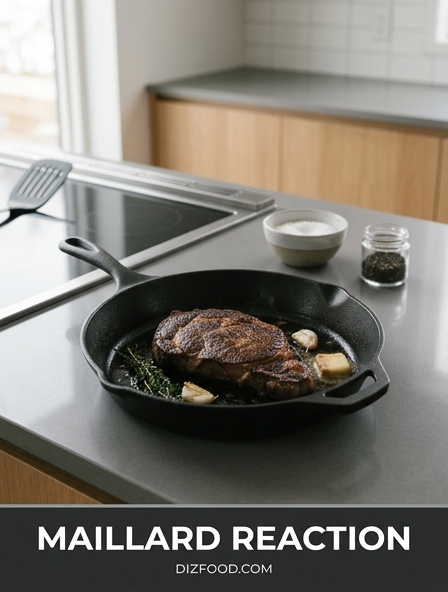
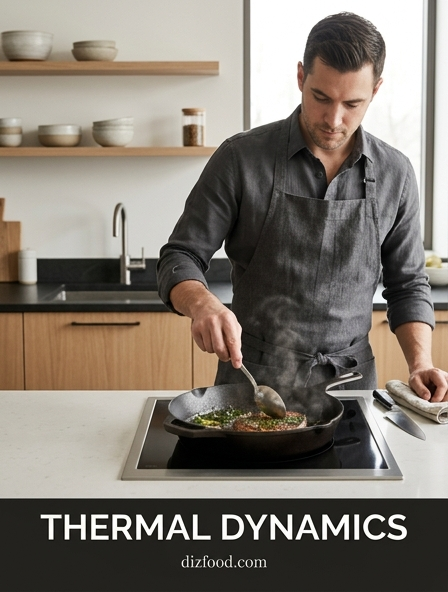
Heat treatment is the most definitive way to control enzymatic activity in the kitchen. Unlike cooling or acidification, which often provide temporary inhibition, sufficient heat causes irreversible denaturation. When the internal temperature of a vegetable exceeds 60°C to 85°C, the secondary and tertiary structures of the enzymes collapse. This stop-action is critical during canning and commercial pasteurization. However, heat treatment also initiates the Maillard reaction and caramelization, which are non-enzymatic browning processes. The challenge for the cook is to apply enough heat to deactivate the undesirable degradative enzymes while avoiding the excessive heat that destroys the natural texture and nutritional value. Brief heat applications, like searing or flash-frying, may only deactivate enzymes on the surface, leaving the core active. Conversely, prolonged simmering ensures total inactivation but may lead to the leaching of water-soluble nutrients. Understanding the specific thermal death points of enzymes like lipoxygenase allows for more precise cooking, resulting in food that is both shelf-stable and organoleptically pleasing.
Freezing for Preservation
Freezing is a secondary preservation step that follows enzymatic inactivation. While many believe that freezing alone kills enzymes, it typically only suspends their activity. Some enzymes remain surprisingly resilient at sub-zero temperatures and can continue to cause slow flavor changes and toughening over several months. This is why blanching is a mandatory precursor to freezing most vegetables.
| Condition | Enzyme State | Resulting Quality |
|---|---|---|
| Unblanched / Frozen | Slowly Active | Tough texture, hay-like odor |
| Blanched / Frozen | Inactive | Fresh flavor, vibrant color |
| Slow Freezing | Suspended | Large ice crystals, cell rupture |
| Flash Freezing | Suspended | Minimal cellular damage |
By combining thermal denaturation with the immobilization provided by freezing, the kitchen can store seasonal produce for nearly a year. The formation of ice crystals also reduces the available liquid water, further inhibiting any residual enzymatic potential. For optimal results, frozen foods should be kept at a constant -18°C to prevent the micro-thawing cycles that can reactivate enzymes.
Maintaining Nutrient Integrity
The ultimate goal of managing enzyme activity in the kitchen is to maintain the nutrient integrity of the food. Many enzymes are specifically responsible for the destruction of antioxidants and vitamins; for example, ascorbic acid oxidase targets Vitamin C. By quickly inactivating these enzymes through controlled heat or pH adjustments, the chef "locks in" the nutritional value of the raw ingredient. However, there is a delicate balance to strike. Over-processing to ensure enzyme death can lead to the thermal destruction of the very vitamins one seeks to protect. Modern techniques like sous-vide or high-pressure processing aim to find the "sweet spot" where enzymes are silenced but the molecular structure of vitamins remains intact. Additionally, keeping produce whole until the last possible moment minimizes the surface area exposed to oxygen and the release of intracellular enzymes. This integrated approach-combining rapid processing, temperature control, and physical protection-ensures that the final dish is not only visually appealing and delicious but also retains its maximum biological benefit for the consumer.



Comments