
When it comes to maintaining a sparkling kitchen without resorting to harsh chemicals, the ultimate showdown often pits baking soda against white vinegar. Both are powerhouse natural cleaners, but they excel in very different arenas: baking soda acts as a gentle abrasive and alkaline odor neutralizer perfect for scrubbing sinks and lifting burnt-on food, while white vinegar serves as a potent acetic acid solution ideal for dissolving limescale, killing bacteria, and cutting through stubborn grease. Understanding how to leverage these eco-friendly staples-and knowing when their chemical properties might actually cancel each other out-is the secret to efficient, non-toxic kitchen maintenance that saves both money and the environment.
| Feature | Baking Soda (Alkaline) | White Vinegar (Acidic) |
|---|---|---|
| Primary Action | Abrasive scrubbing & neutralizing odors | Dissolving minerals & cutting grease |
| Best For | Ovens, stainless sinks, stained mugs | Glass, coffee makers, dishwashers |
| pH Level | Approx. 8.0 - 9.0 (Mild Base) | Approx. 2.4 - 3.0 (Strong Acid) |
| Antibacterial | Low; primarily mechanical cleaning | Moderate; effective against most pathogens |
| Surface Caution | Avoid on aluminum and gold-plated items | Avoid on natural stone (marble/granite) |
| Reaction Result | Produces CO2 gas (fizzing lift) | Neutralizes to water and sodium acetate |
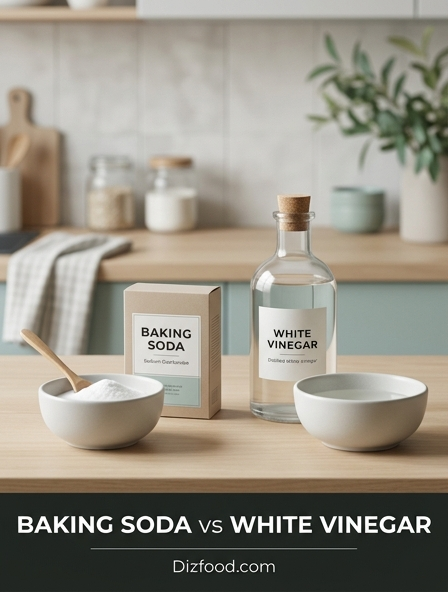
The Science Behind Baking Soda and White Vinegar
Understanding the effectiveness of baking soda and white vinegar requires a look at their chemical profiles. Baking soda, or sodium bicarbonate, is a mild base with a pH of approximately 9. Its crystalline structure provides a gentle abrasive quality, while its alkaline nature allows it to interact with acidic odor molecules, neutralizing them rather than just masking them. On the other hand, white vinegar is a dilute solution of acetic acid, typically maintaining a pH of around 2.4. This acidity makes it a potent solvent for dissolving mineral deposits, breaking down grease, and killing certain types of household bacteria.
When these two substances are combined, a dramatic chemical reaction occurs. The acid-base reaction produces carbon dioxide gas, which creates the characteristic fizzing foam. This physical turbulence can be mechanically useful for loosening debris in tight spaces, such as drains. However, the resulting byproduct is essentially water and a small amount of sodium acetate, a salt. Therefore, while the reaction is visually impressive, the cleaning power often lies in using them sequentially or individually to leverage their specific pH levels against different types of grime.
| Substance | Chemical Name | pH Level | Primary Action |
|---|---|---|---|
| Baking Soda | Sodium Bicarbonate | 9.0 (Alkaline) | Abrasive & Deodorizer |
| White Vinegar | Acetic Acid | 2.4 (Acidic) | Solvent & Descaler |
Best Household Cleaning Uses for Baking Soda
Baking soda is a versatile powerhouse in the kitchen due to its unique physical and chemical properties. Because it is a mild abrasive, it can scrub away stuck-on food from delicate surfaces like ceramic stovetops or stainless steel sinks without leaving deep scratches. It is particularly effective when used as a paste; by mixing three parts baking soda with one part water, you create a thick cleaning medium that clings to vertical surfaces like oven walls. This paste works over time to break down baked-on carbon and grease, making it an ideal non-toxic alternative to harsh caustic oven cleaners.
Beyond physical scrubbing, baking soda excels at refreshing kitchen hardware and appliances. It can be used to polish silverware, remove coffee stains from mugs, and even clean the interior of a microwave when steam-cleaned. Its ability to absorb moisture also makes it helpful for dry-cleaning spills on kitchen rugs or upholstery. Some of its most common applications include:
- Scouring stainless steel sinks to restore shine.
- Removing tea and coffee stains from porcelain cups.
- Cleaning the glass doors of ovens to remove grease splatters.
- Deodorizing plastic food containers that have absorbed pungent smells.
- Polishing tarnished silver cutlery using a chemical bath of soda and aluminum foil.
Top Practical Applications for White Vinegar
White vinegar is the ultimate tool for tackling mineral-related issues and glass surfaces in the kitchen. Because it is acidic, it excels at "descaling," which is the process of removing calcium and magnesium deposits left behind by hard water. This makes it essential for maintaining the longevity of small appliances that use water. Furthermore, vinegar acts as a natural surfactant that helps to lift streaks and films from shiny surfaces, leaving them crystal clear without the need for synthetic fragrances or dyes.
In addition to surface cleaning, vinegar is a powerful disinfectant for food-prep areas. While not as strong as bleach, it can significantly reduce the presence of many common food-borne pathogens on non-porous surfaces. To get the most out of white vinegar, users should follow these practical steps:
- Fill a kettle or coffee maker with a 50/50 mix of vinegar and water, boil it, and rinse to remove lime scale.
- Spray a mixture of vinegar and water onto windows or mirrors and wipe with a microfiber cloth for a streak-free finish.
- Soak faucet aerators in a small bowl of vinegar for thirty minutes to clear blocked water spray holes.
- Wipe down the interior of the refrigerator to kill mold and remove lingering food odors.
- Spray undiluted vinegar on cutting boards after washing to provide an extra layer of sanitization.
Comparing Baking Soda and Vinegar for Laundry
In the laundry room, baking soda and white vinegar serve distinct roles that can revitalize clothing and linens. Baking soda acts as a pH buffer in the wash water, preventing it from becoming too acidic or too alkaline. This helps detergents work more efficiently by keeping them in an optimal state for lifting dirt. Additionally, a half-cup of baking soda added to the wash cycle can help brighten white loads and neutralize the acidic odors found in sweat-heavy gym clothes. It is also a gentle way to soften hard water, which prevents clothes from feeling stiff and scratchy after drying.
White vinegar, conversely, is best utilized during the rinse cycle rather than the wash cycle. Its acidity helps to break down the alkaline residues left behind by detergents and fabric softeners, which can build up over time and make towels less absorbent. Vinegar also helps to dissolve the zinc salts or aluminum salts found in deodorants, preventing the yellowing of underarm areas on white shirts. Unlike commercial softeners, vinegar does not coat the fibers in a waxy film; instead, it strips away the buildup that causes stiffness. Using vinegar in the rinse cycle also helps to eliminate "sour" smells from laundry that was left in the machine too long, as it kills the bacteria responsible for the odor while the acid evaporates cleanly.
How to Neutralize Odors with Natural Ingredients
Odors in the kitchen are often caused by volatile organic compounds that are either acidic or basic in nature. Baking soda is highly effective against acidic odors, such as those produced by sour milk or rotting vegetables. By keeping an open box of baking soda in the refrigerator, you provide a large surface area for these airborne molecules to land on and react with the sodium bicarbonate, effectively locking them away. This is far more effective than using scented sprays, which only mask the smell with perfume while the underlying bacteria continue to flourish.
Vinegar is the preferred choice for neutralizing alkaline odors, such as the fishy smell caused by amines. Simmering a small pot of vinegar and water on the stove can neutralize airborne cooking odors throughout the house after frying pungent foods. It is also useful for direct application in areas where smells linger. For a comprehensive odor-fighting strategy, consider these methods:
- Place a bowl of vinegar on the counter overnight to absorb heavy smoke or spice smells.
- Sprinkle baking soda at the bottom of trash cans to neutralize leaks and drips.
- Pour a cup of baking soda followed by hot vinegar down the garbage disposal to freshen the drain.
- Use a vinegar-soaked cloth to wipe down wood cabinets that have absorbed cooking grease smells.
- Add baking soda to carpets before vacuuming to lift pet odors and stale food scents.
The Best Degreasing Solutions for Kitchen Surfaces
Grease is a non-polar substance, meaning it does not dissolve in water. To remove it, you need a substance that can either emulsify the oil or chemically break it down. Baking soda is excellent for this because its mild alkalinity helps to turn some fats into soap-like substances through a process called saponification, albeit on a very minor scale. When applied to a greasy stovetop as a paste, the baking soda absorbs the oil while the grit helps to physically lift the grease from the surface. This is particularly useful for range hoods where grease accumulates into a thick, sticky film.
White vinegar assists in degreasing by cutting through the film left behind after the bulk of the grease has been removed. The acetic acid reacts with the grease molecules, making them easier to wipe away with a damp cloth. For heavy-duty kitchen degreasing, many professionals recommend a two-step process: first, use a baking soda paste to lift the thickest layers of oil, and second, follow up with a vinegar spray to remove the remaining residue and provide a polished finish. This combination ensures that no slippery or sticky patches remain on countertops, backsplashes, or appliance handles, all without the use of harsh industrial degreasers that can emit VOCs into the kitchen environment.
Removing Tough Bathroom Stains Naturally
The bathroom presents unique cleaning challenges, specifically soap scum and limescale, which are highly resistant to standard soaps. Soap scum is a complex mixture of calcium, magnesium, and body oils. Because vinegar is an acid, it is the most effective natural tool for dissolving these mineral bonds. For stubborn showerhead clogs, filling a plastic bag with vinegar and securing it over the fixture with a rubber band for several hours will dissolve the blockages entirely. For grout cleaning, the process requires a bit more mechanical action combined with chemical assistance.
Baking soda's abrasive texture makes it the perfect partner for cleaning grout lines where mold and mildew tend to hide. By applying a baking soda paste to the grout and then spraying it with vinegar, the resulting foaming action helps to drive the baking soda deep into the porous surface. Following these steps can restore a bathroom naturally:
- Apply a paste of baking soda and water to stained grout and let sit for ten minutes.
- Spray the paste with white vinegar to initiate a deep-cleaning foam.
- Scrub with a stiff brush to lift dislodged dirt and mold.
- Pour a cup of baking soda into the toilet bowl, add a cup of vinegar, let it fizz for fifteen minutes, and scrub for a disinfected finish.
- Wipe down glass shower doors with a vinegar-soaked sponge to remove cloudy hard water spots.
Common Mistakes When Mixing Soda and Vinegar
One of the most frequent misconceptions in natural cleaning is that mixing baking soda and vinegar in a bottle creates a "super cleaner." Chemically, the opposite is true. Because baking soda is a base and vinegar is an acid, they neutralize each other almost immediately upon mixing. The resulting solution is primarily water with some dissolved salt (sodium acetate). While the bubbles are excellent for mechanical agitation in a clogged drain, a pre-mixed bottle of these two ingredients has almost no cleaning power compared to the individual components used separately.
Another common mistake is storing a mixture of the two in a sealed container. The reaction releases carbon dioxide gas rapidly; if this occurs in a closed spray bottle, the pressure can build up until the container leaks or even bursts. To maximize effectiveness, it is vital to use the strengths of each ingredient at the right time. For example, use the baking soda first to scrub and deodorize, and then use the vinegar to rinse and dissolve minerals. Using them at the same time is usually only beneficial when the goal is the physical "scrubbing" provided by the carbonation bubbles themselves. Avoid these errors to ensure your cleaning efforts are not wasted on neutralized salt water.
- Do not store pre-mixed soda and vinegar in spray bottles.
- Do not expect a neutralized mixture to kill bacteria or cut heavy grease.
- Avoid using vinegar on natural stone like marble, as the acid can etch the surface.
- Never mix vinegar with bleach, as this creates toxic chlorine gas.
Eco Friendly Benefits of Non Toxic Cleaners
Switching to baking soda and vinegar offers significant environmental advantages over conventional cleaning products. Most commercial cleaners contain a cocktail of synthetic chemicals, including phthalates, parabens, and ammonia, which can contribute to indoor air pollution and respiratory issues. In contrast, baking soda and vinegar are food-grade substances that pose no risk to human health or indoor air quality. They are biodegradable and break down quickly into harmless components, ensuring that when they are washed down the drain, they do not disrupt aquatic ecosystems or contribute to the chemical load in local water treatment facilities.
Furthermore, the shift toward natural cleaners supports a reduction in plastic waste. Most households buy numerous specialized plastic bottles for glass, floors, bathrooms, and kitchens. By using bulk-purchased white vinegar and baking soda, a household can replace nearly a dozen specialized products with two simple ingredients stored in reusable glass spray bottles. This reduces the carbon footprint associated with manufacturing, transporting, and disposing of plastic packaging. Choosing these non-toxic options is a sustainable practice that protects both the inhabitants of the home and the broader environment from unnecessary chemical exposure.
Choosing the Right Solution for Every Task
Selecting between baking soda and white vinegar depends entirely on the chemical nature of the stain or the surface you are cleaning. As a general rule, use baking soda for tasks requiring physical abrasion or the neutralization of acidic odors. Use vinegar for tasks requiring the dissolution of minerals, the removal of alkaline residues, or the cleaning of transparent surfaces like glass. However, caution must be exercised regarding surface compatibility. Vinegar's acidity can damage certain materials, while baking soda's grit can scratch very soft surfaces. The following table provides a quick reference guide for common household tasks.
| Task | Preferred Agent | Reason |
|---|---|---|
| Cleaning Marble Counters | Neither (Use mild soap) | Acid etches stone; Soda may scratch. |
| Removing Hard Water Spots | White Vinegar | Acid dissolves calcium deposits. |
| Scouring a Cast Iron Skillet | Baking Soda | Provides abrasion without removing seasoning. |
| Cleaning Windows | White Vinegar | Evaporates quickly without leaving film. |
| Deodorizing a Carpet | Baking Soda | Absorbs and neutralizes trapped odors. |
By identifying the "enemy"-whether it be grease, mineral scale, or odor-you can select the appropriate natural tool. While they are often mentioned in the same breath, their roles are complementary rather than identical. Mastering the use of these two kitchen staples allows for a cleaner, safer, and more sustainable home environment without the need for expensive or hazardous chemicals.



Comments