
Protecting Sensitive Surface Coatings
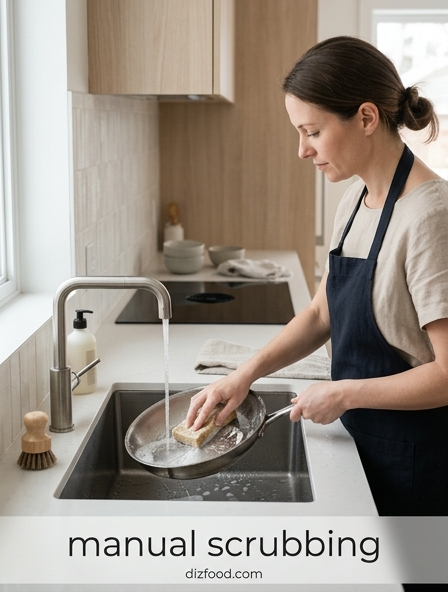
Manual scrubbing allows for a level of tactility that automated machines cannot replicate, which is essential when dealing with sensitive surface coatings. Many modern kitchen items feature decorative finishes, such as hand-painted patterns on ceramic plates or gold-leaf rims on fine glassware. These embellishments are highly susceptible to the abrasive environment of a dishwasher, where high-pressure jets and harsh detergents can strip away delicate layers over time. By opting for hand washing, the cleaner can adjust the pressure applied based on the feedback felt through their fingertips, ensuring that the decorative integrity remains intact.
To effectively protect these surfaces, one must select the appropriate cleaning tools. Utilizing soft microfiber cloths or cellulose sponges prevents micro-scratching that dulls the finish. Consider the following tools for sensitive surfaces:
- Soft-bristled nylon brushes for intricate carvings.
- Non-abrasive white scouring pads for light debris.
- Natural sea sponges for maximum water retention and softness.
- Microfiber towels for gentle buffing and drying.
Through careful manual intervention, the aesthetic value of high-end kitchenware is preserved, preventing the "clouding" effect often seen on glasses or the fading of vibrant porcelain patterns that occurs during aggressive mechanical cycles.
Preserving Cookware Material Integrity
The structural integrity of various cookware materials often dictates their longevity and performance. Metals like copper, cast iron, and carbon steel require specific maintenance routines that are incompatible with standardized machine cycles. For instance, cast iron relies on a polymerized layer of oil known as seasoning. Manual scrubbing with hot water and a stiff brush removes food particles without stripping this essential protective barrier. Conversely, copper cookware can react poorly to the acidic environment of dishwasher detergents, leading to unsightly oxidation and pitting.
Understanding the needs of different materials ensures they remain functional for decades. Below is a comparison of common materials and their manual cleaning requirements:
| Material | Primary Concern | Manual Cleaning Method |
|---|---|---|
| Cast Iron | Loss of Seasoning | Hot water, stiff brush, minimal soap. |
| Copper | Tarnish/Corrosion | Mild detergent, soft cloth, lemon/salt for polish. |
| Aluminum | Discoloration | Neutral pH soap, non-metallic pads. |
| Hardwood | Cracking/Warping | Damp cloth, immediate drying, oiling. |
Manual cleaning provides the oversight necessary to identify early signs of wear, such as thinning copper or dry wood, allowing for immediate corrective action like re-seasoning or oiling that a machine simply cannot provide.
Targeted Removal of Stubborn Grime
One of the most significant advantages of manual scrubbing is the ability to apply concentrated force and specific techniques to localized areas of stubborn grime. When food is burnt onto the bottom of a stainless steel pot or grease becomes trapped in the tight corners of a baking sheet, a general wash cycle often fails to reach the necessary intensity. Manual cleaning allows the user to employ mechanical leverage, focusing energy precisely where the bond between the debris and the surface is strongest. This targeted approach ensures that no "ghosting" or residue is left behind after the item has dried.
To tackle diverse types of grime, several manual techniques can be employed depending on the severity of the buildup:
- Pre-soaking with warm water and degreasing soap to loosen proteins.
- Using a plastic scraper to lift carbonized food without scratching.
- Applying a paste of baking soda for mild abrasive action on stains.
- Circular scrubbing patterns to break up surface tension in grease.
By using these manual methods, users can ensure a level of cleanliness that is visually and physically superior. This process eliminates the need for re-washing items that the dishwasher failed to clean, ultimately saving time and ensuring hygiene.
Reducing Thermal Stress on Utensils
Many kitchen utensils and vessels are comprised of composite materials or have specific structural tolerances that are sensitive to rapid temperature fluctuations. This phenomenon, known as thermal stress, occurs when an object expands or contracts too quickly, leading to cracks, warping, or structural failure. Dishwashers subject items to intense heat followed by cold rinses, which can be particularly damaging to tempered glass, ceramics, and high-carbon steel knives. Manual scrubbing allows for a controlled temperature environment, usually within a range that is comfortable for human hands and safe for the utensil.
Gradual warming and cooling are essential for maintaining the lifespan of professional-grade tools. For example, a heavy-duty ceramic casserole dish can shatter if moved from a hot oven to a cold dishwasher. By hand washing, the user naturally waits for the item to reach a safe temperature before introducing water. This deliberate pace prevents the molecular fatigue that eventually causes handles to snap or lids to lose their airtight fit. Furthermore, the absence of high-heat drying cycles helps maintain the temper of knife blades, ensuring they remain sharp and resilient through years of heavy kitchen use.
Energy Efficiency of Hand Washing
While modern dishwashers are marketed for their efficiency, manual scrubbing offers a unique form of energy conservation, particularly in households where full loads are not common. Hand washing small batches of dishes prevents the need to run a large appliance for an hour or more, saving significant amounts of electricity. Additionally, manual cleaning circumvents the energy-intensive "heated dry" cycle, which is one of the highest energy-consuming features in kitchen appliances. By utilizing a simple dish rack and ambient air, the drying process becomes completely carbon-neutral.
The efficiency of manual cleaning can be maximized by adopting specific water-management strategies. This approach turns manual labor into a highly sustainable practice:
- The two-basin method: one for soapy scrubbing and one for clear rinsing.
- Using a low-flow aerator on the kitchen faucet to minimize water waste.
- Scraping food waste into compost before washing to keep water cleaner for longer.
- Prioritizing lightly soiled items first to extend the life of the soapy water.
In many scenarios, especially for larger pots and pans that take up significant space in a machine, manual scrubbing is the more resource-responsible choice, allowing for a focused use of water and energy on only what is necessary.
Preventing Plastic Degradation and Leaching
Plastic kitchenware, including storage containers, mixing bowls, and spatulas, is particularly vulnerable to the harsh conditions of automated dishwashing. High temperatures can cause polymers to break down, leading to warping or the formation of micro-cracks on the surface. These cracks not only harbor bacteria but can also lead to the leaching of chemicals like BPA or phthalates into food. Manual scrubbing with lukewarm water and mild detergents significantly reduces the risk of thermal degradation, keeping the plastic stable and safe for food contact over a longer period.
Furthermore, the aggressive agitation and high-pressure sprays in a machine can cause plastics to become brittle and "cloudy." This aesthetic and structural decline is avoided through gentle hand washing. By controlling the abrasive force, users prevent the removal of the smooth surface layer that makes these items easy to clean. Maintaining the integrity of the plastic surface ensures that odors and stains from foods like tomato sauce or turmeric are less likely to become permanently embedded in the material. Consequently, manual care extends the functional life of plastic items, reducing the frequency of replacement and the resulting environmental impact of discarded synthetic materials.
Longevity of Non-Stick Properties
The non-stick coating on frying pans and bakeware, whether made of PTFE or ceramic, is incredibly thin and susceptible to damage. Mechanical dishwashing uses high-velocity water and concentrated chemicals that can slowly erode these coatings or cause them to flake off. Once a non-stick surface is compromised, its performance drops significantly, leading to stuck food and difficult cleanup. Manual scrubbing is the gold standard for maintaining these surfaces, as it allows for the use of soft sponges and gentle pressure that preserve the "release" properties of the pan.
To maximize the lifespan of non-stick items, the following manual care rules should be observed:
- Never use steel wool or metal scouring pads; stick to soft nylon.
- Avoid using high-pH detergents that can chemically attack the coating.
- Ensure the pan is completely cool before it touches water to avoid warping.
- Use a soft towel to dry the surface immediately, preventing mineral buildup.
By treating non-stick cookware with manual precision, the user ensures that the specialized coating remains smooth and effective for years, preventing the frustration of food adhesion and the health risks associated with degraded coating particles entering the diet.
Precision Cleaning for Delicate Items
Certain kitchen items possess intricate designs or fragile components that demand a high level of precision. Fine crystal stemware, antique silverware, and complex mechanical parts of appliances like juicers or meat grinders cannot be thoroughly or safely cleaned in a bulk wash. Manual scrubbing allows the cleaner to navigate small crevices, internal threads, and thin edges where bacteria or old food residue might hide. This level of detail is vital for both the hygiene and the mechanical function of specialized kitchen equipment.
The tactile nature of hand washing provides immediate feedback if an item is under too much stress. For example, when cleaning a delicate wine glass, one can feel the flex of the glass and adjust the grip to prevent snapping the stem. Precision cleaning also involves using specific tools tailored to the task:
- Bottle brushes for narrow-necked carafes and vases.
- Small pipe cleaners for reusable straws and nozzle openings.
- Soft-bristled toothbrushes for cleaning the mesh of fine strainers.
- Cotton swabs for detail work on appliance buttons and seams.
This meticulous approach ensures that every surface, no matter how hidden or fragile, is sanitized without compromising the structural stability of the object.
The Impact of Mechanical Agitation
In the context of manual scrubbing, mechanical agitation refers to the physical motion used to dislodge soil from a surface. Unlike the indiscriminate spraying of a machine, manual agitation is intentional and variable. It allows the cleaner to apply different types of friction depending on the nature of the bond between the food and the dish. For example, a "shearing" motion is effective for lifting thin layers of grease, while a "percussive" or "poking" motion with brush bristles is better for clearing out perforated items like graters or colanders.
The effectiveness of manual agitation is influenced by several physical factors that the user can control in real-time:
| Factor | Effect on Cleaning | Manual Adjustment |
|---|---|---|
| Pressure | Depth of soil penetration | Increase for burnt bits, decrease for glass. |
| Frequency | Speed of soil breakdown | Rapid strokes for dried-on starches. |
| Direction | Efficiency of removal | Follow grain of wood or stainless steel. |
| Tool Surface | Level of friction | Switching from cloth to pad as needed. |
This dynamic control makes manual scrubbing far more efficient at removing specific types of debris that would otherwise survive multiple cycles in a standardized machine environment.
Avoiding Chemical Residue Buildup
One often overlooked benefit of manual scrubbing is the control it provides over the rinsing process, which is crucial for preventing the buildup of chemical residues. Dishwasher detergents are highly alkaline and often contain bleaching agents or rinse aids designed to stay on the dishes to prevent spots. For those with sensitive palates or chemical sensitivities, these residues can affect the flavor of food and drink. During hand washing, the user can thoroughly rinse each item under running water, ensuring all surfactants and soapy films are completely flushed away.
Manual cleaning also allows for the use of milder, eco-friendly soaps that are often less effective in the high-dilution environment of a dishwasher but work perfectly when applied directly to a sponge. By selecting "free and clear" soaps and performing a vigorous manual rinse, the user ensures that the only thing touching their food is the clean surface of the dish. This is especially important for items with porous surfaces, such as wooden spoons or unglazed earthenware, which can absorb the strong scents and chemicals found in commercial dishwasher pods, potentially tainting future meals with a soapy aftertaste.




Comments